
If you want your coffee to taste fresh, you must seal coffee bags tightly after each use. Studies show roasted coffee can lose 40% of its smell in eight hours if not sealed. Using resealable packaging or professional sealing keeps out oxygen and protects your beans for weeks. This gives you better taste, longer shelf life, and more value from each bag. BN Packaging has flexible, eco-friendly options to help every cup taste great—just choose the sealing method that fits you best.
Why Seal Coffee Bags
You want your coffee to taste good every time. Sealing your coffee bags helps keep the fresh flavor inside. If you seal coffee right after roasting, it keeps the smell and taste longer. Let’s see how different things and ways can change coffee freshness:
Factor / Method | What Happens | Impact on Freshness |
|---|---|---|
Oxygen Reduction | Lowering oxygen to 0.5% in the bag | Shelf life can increase up to 20 times |
Carbon Dioxide Off-gassing | CO2 builds up in sealed bags, pushing out oxygen | Slows down oxidation and keeps aroma |
Temperature Control | Storing at low temperatures (like −25°C) | Freshness lasts from weeks to months, even a year |
Packaging Type | Using poly-foil valve bags or capsules | Keeps CO2 in and oxygen out, better taste |
Moisture Control | Keeping moisture away from beans | Stops aging and keeps beans fresh |
Sensory Testing | Packing coffee quickly after roasting | Keeps flavor quality high |
You might wonder if these steps are important. Research and taste tests show vacuum sealing and airtight bags help coffee stay fresh. Roasters learned that broken valves or leaky bags let in oxygen. This makes coffee taste old. Vacuum sealing with no valves often keeps flavor and smell best.
Sealing Enemies
Many things can make your coffee lose freshness. You should watch out for these problems:
Oxygen: It causes oxidation and breaks down flavor and smell. Your coffee will taste old and bitter.
Moisture: It changes the beans and can cause mold.
Heat: High heat makes coffee go stale and lose its smell.
Light: UV rays break down flavor compounds.
Air (Space): Extra air in the bag means more oxidation.
Time: The longer coffee sits, the more it loses freshness.
Tip: Use airtight bags with one-way valves, zippers, or vacuum sealing to stop these problems. Pick packaging that blocks light and moisture, like multi-layer or foil-lined bags. This helps you get the best taste in every cup.
How to Seal Coffee Bags
Keeping your coffee fresh starts with the right sealing method. You have several options, from professional tools to simple DIY tricks. Let’s walk through each way you can seal coffee bags and keep your beans tasting their best.
Heat Sealing
Heat sealing is one of the most reliable ways to seal coffee bags. You use a machine or even a household tool to melt the bag’s top edge together. This creates a strong, airtight barrier that keeps out oxygen and moisture.
How to heat seal coffee bags:
Place the open end of the bag between the sealing bars of your heat sealer.
Press the handle down firmly.
Hold for a few seconds (check your bag’s thickness for the right time).
Release the handle and remove the bag. Check for a tight, fused edge.
You can use different tools for heat sealing:
Impulse sealer: Delivers a quick burst of heat. Great for most coffee bags.
Constant heat sealer: Stays hot and works well for thicker bags.
Household iron or hair straightener: Place parchment paper over the bag and press for a few seconds.
Tip: Always let the bag cool before moving it. This helps the seal set and keeps your coffee safe.
Industry tests show heat sealing gives you a strong barrier against moisture, oxygen, and odors. Many coffee roasters trust this method because it locks in aroma and flavor. BN Packaging offers stand-up pouches, flat bottom bags, side gusset bags, and valve bags—all designed for easy heat sealing.
Tin Ties and Clips
Tin ties and clips are simple, reusable ways to seal coffee bags at home or in a café. They don’t need any machines and work well for daily use.
How to use tin ties:
Fold the top of the bag down tightly.
Press the tin tie ends together to hold the fold in place.
How to use clips:
Fold the open end of the bag to push out extra air.
Secure the fold with a clip, twist tie, or elastic band.
These methods make it easy to reseal your bag after each use. They work best with bags that have built-in tin ties or thick paper and foil bags. While not as airtight as heat sealing, they help slow down staling and keep your coffee fresh for longer.
Vacuum Sealing
Vacuum sealing removes air from the bag before sealing it shut. This method works great if you want to store coffee for weeks or even months.
How to vacuum seal coffee bags:
Place your coffee in a vacuum-sealable bag.
Use a vacuum sealer to suck out the air.
Seal the bag tightly.
Carl Royer, a coffee roaster, found that vacuum sealing right after roasting keeps beans fresh by removing oxygen and letting carbon dioxide fill the bag. This creates a safe space for your coffee and can extend freshness for a long time. Vacuum sealing works best with special bags made for this purpose, like those from BN Packaging.
DIY Methods
You don’t always need fancy tools to seal coffee bags. Here are some easy, do-it-yourself options:
Zip closures: Many coffee bags come with built-in zippers. Just press the edges together and zip from one side to the other. Check for gaps and reseal if needed.
Hook and loop zippers: These work like Velcro. Press the two sides together until you hear a snap. They seal even if there’s a little coffee dust in the grooves.
Pocket zippers: Slide the zipper along the bag opening. Make sure it’s clean for a tight seal.
Tear notches: After opening, realign the notch to close the bag. This is quick but not fully airtight.
Here’s a quick guide to DIY sealing steps:
Fold or align the bag’s open edge.
Use a zipper, clip, or tie to close it.
Press out as much air as possible before sealing.
Store the bag in a cool, dry place.
Note: DIY methods work best for short-term storage or when you use coffee often.
Table: Coffee Bag Sealing Technologies and Benefits
Sealing Method / Technology | How It Works | Tested For | Why It’s Good |
|---|---|---|---|
Wipf (Wicovalve) Valves | Lets CO2 out, keeps oxygen away | Gas release control | Keeps coffee fresh by balancing pressure |
Re-closable Ziplocks | Easy press-to-close zipper | Seal reliability | Stops contamination, extends shelf life |
Heat Sealing | Melts bag edges together | Seal strength, aroma retention | Strong barrier, keeps flavor in |
Packaging Machines | Fills and seals bags fast | Speed, accuracy | Great for big batches, fewer mistakes |
Quality Assurance Tests | Checks seal and bag quality | Aroma, oxygen barrier | Ensures bags stay fresh during shipping |
BN Packaging makes bags with one-way valves, resealable zippers, and strong seals. These features help you seal coffee bags easily and keep your beans tasting great. You can pick from eco-friendly materials like biodegradable, compostable, or recyclable options. You can also customize your bags with your logo, colors, and special features.
Want to stand out? Try custom shapes, metallic foils, or child-resistant zippers from BN Packaging. You get fast turnaround and low minimum orders, perfect for any size business.
No matter which method you choose, sealing your coffee bags the right way makes a big difference. Your coffee stays fresher, tastes better, and lasts longer.
Tools and Bag Types
Sealing Tools
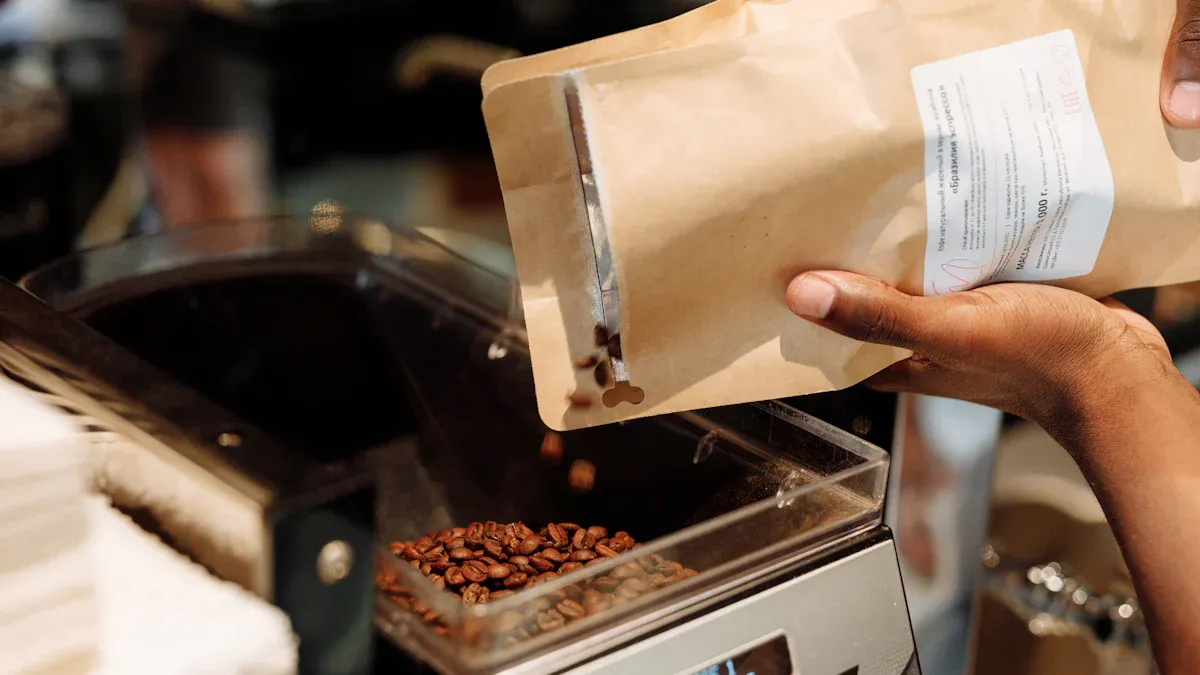
You have many choices when it comes to tools that help you seal coffee bags. Some work best for small batches at home, while others are perfect for busy coffee shops or roasters. Here’s a quick look at the most common tools and what makes each one special:
Sealing Tool | Best For | Key Features |
|---|---|---|
Hand Sealers | Small batches | Portable, seals up to 10mm thick, easy to use |
Foot Sealers | Medium to large batches | Hands-free, seals thicker bags, faster operation |
Impulse Sealers | Thin bags | Energy-saving, heats only when sealing |
Direct Heat Sealers | Thick bags | Constant heat, strong seals, needs warm-up |
Vacuum Sealers | Long-term storage | Removes air, keeps coffee fresh for months |
Household Irons/Hair Straighteners | DIY/home use | Simple, works with parchment paper for safety |
Bag Clips/Tin Ties | Everyday use | Quick, reusable, not fully airtight |
Expert coffee trainers say heat sealers give you the strongest, most reliable seal. Hand sealers are great if you roast at home or run a small shop. Foot sealers work well for bigger jobs and thicker bags. Impulse sealers save energy and work fast. Vacuum sealers pull out all the air, which helps your coffee last longer. Always check your seal for pinholes or wrinkles to keep out oxygen and moisture.
Choosing Coffee Bags
Picking the right bag is just as important as picking the right tool. You want a bag that matches your sealing method and keeps your coffee fresh. Look for these features:
Material: Choose multi-layer, foil-lined, or high-barrier bags to block light, air, and moisture.
Size: Pick a bag that fits your coffee amount. Too much empty space means more air inside.
One-way valves: These let carbon dioxide out but keep oxygen from getting in. Your coffee stays fresher.
Zippers or resealable closures: These make it easy to open and close the bag many times.
Eco-friendly options: Compostable, biodegradable, or recyclable bags help the planet.
BN Packaging offers all these choices. You can get stand-up pouches, flat bottom bags, or side gusset bags. You can even add your logo, pick special colors, or choose child-resistant zippers. All bags meet strict quality standards and come in eco-friendly materials. With the right bag and tool, you can seal coffee bags like a pro and keep every cup tasting great.
You have many ways to seal coffee bags and keep your coffee fresh. Try heat sealing, vacuum sealing, or simple clips to find what works best for you. Quality bags from trusted suppliers like BN Packaging help you lock in flavor and protect the planet. Want better coffee at home or in your shop? Start using the right tools and seal coffee bags the smart way. ☕️
FAQ
How do you know if your coffee bag is sealed properly?
Check the seal by gently pressing the bag. If you feel air escaping or see gaps, the seal is not tight. A good seal feels smooth and holds air inside.
Can you reuse coffee bags after sealing?
Yes, you can reuse many coffee bags, especially those with zippers or tin ties. Just make sure the bag is clean and dry before adding new coffee.
What is the best way to seal coffee bags at home?
You can use a household iron, a hair straightener, or a simple bag clip. Heat sealing gives the best results, but clips and zippers work well for short-term storage.
Why do some coffee bags have one-way valves?
One-way valves let carbon dioxide out but keep oxygen from getting in. This helps your coffee stay fresh and full of flavor.