
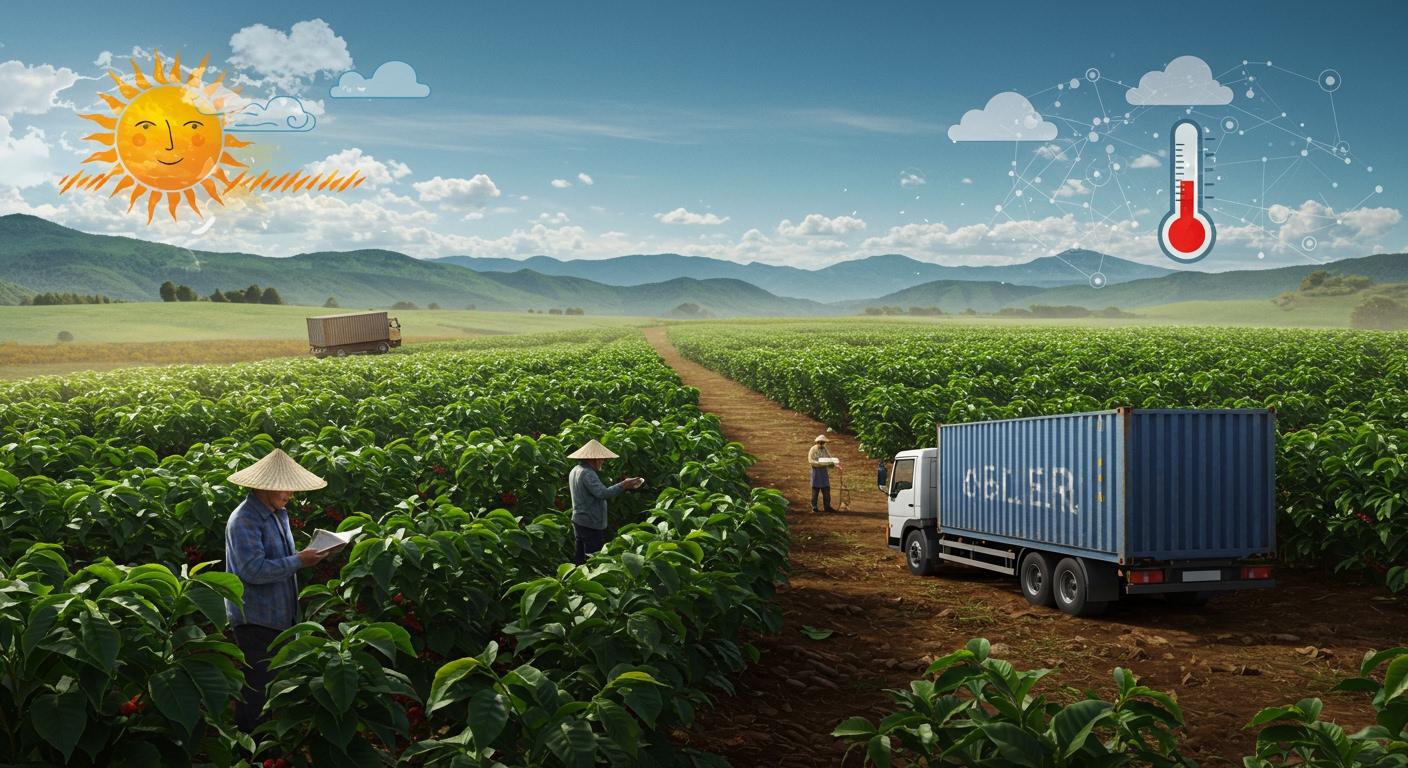
Climate change disrupts the supply chain of coffee industry at every stage. You can see its effects in shrinking farmland, unpredictable rainfall, and the spread of pests and diseases. By 2050, half of the land suitable for coffee could become inhospitable. In places like Vietnam, drought and higher temperatures reduce yields and threaten coffee quality. As a producer or business, you face new risks. As a consumer, you notice changes in flavor and price. Reliable packaging, such as custom coffee bags, helps preserve coffee freshness and quality even as these challenges grow.
Climate Change and Coffee Production
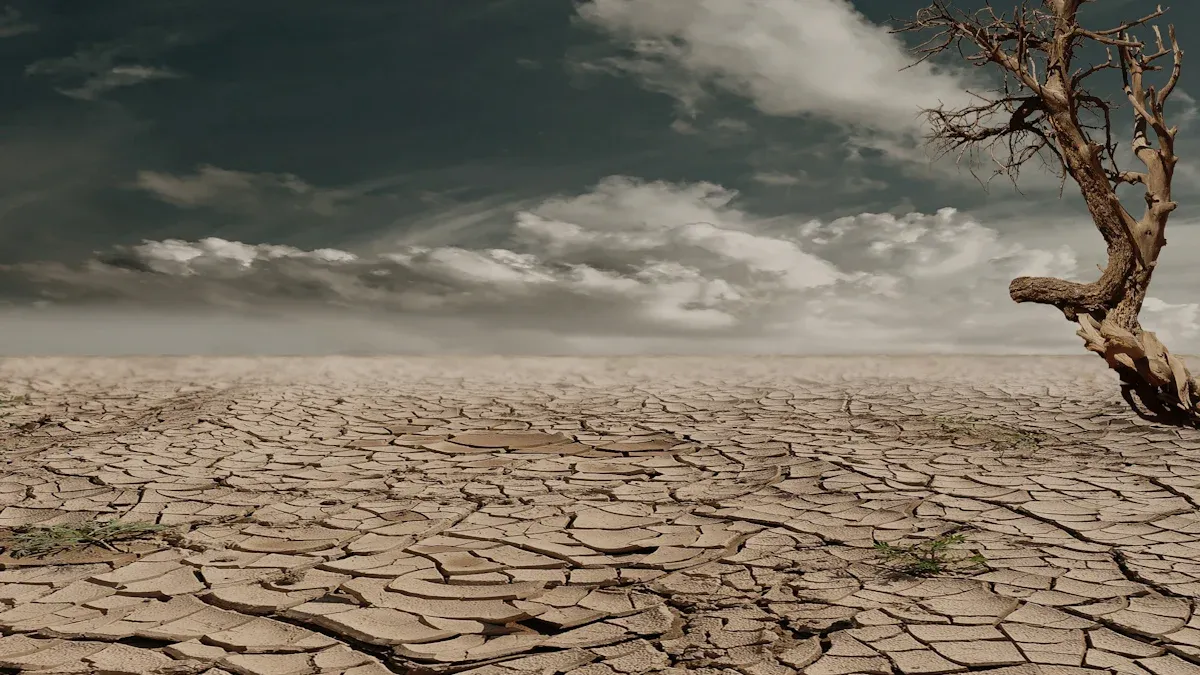
Climate change is changing coffee production around the world. You see the effects in every part of the coffee supply chain. Rising temperatures, unpredictable rainfall, and shifting climates make it harder for farmers to grow coffee. By 2050, many regions will lose their ability to produce high-quality coffee. You need to understand how these changes affect coffee quality, yield, and the future of coffee growing.
Temperature and Rainfall Shifts
You notice that coffee production depends on stable temperatures and regular rainfall. Over the past decade, major coffee-producing countries like Brazil, Colombia, and Indonesia have faced rising temperatures and unpredictable weather. Coffee needs a balance between dry and wet seasons. Climate change disrupts this cycle.
Farmers in Brazil saw historic droughts and heavy rains in 2024. These events damaged crops and caused a sharp drop in Arabica bean supply.
In Vietnam, drought in the Central Highlands led to a 10% decrease in coffee production in 2023.
Unpredictable rainfall and extreme drought spoil coffee cherries and lower yields.
Coffee plants are sensitive to temperature changes. Arabica and Robusta varieties struggle when temperatures rise. High temperatures reduce photosynthesis and make plants more vulnerable to pests and diseases. Low temperatures slow down growth.
Out of 42 studies, 35 reported negative effects on coffee yield due to climate change.
The Americas could lose up to 70% of their coffee yield globally.
Brazil, Vietnam, and Honduras face declining land suitability for coffee growing.
You can see how these changes affect coffee quality. Variations in temperature and precipitation change the way coffee grows. Extreme climate events lead to heat stress and unpredictable rainfall.
Evidence Description | Impact on Coffee Production |
|---|---|
High and mid-altitude areas are experiencing conditions outside optimal coffee production ranges due to excessive rainfall. | Disruption of coffee phenological stages, leading to reduced yield and quality. |
Increasing maximum and minimum temperatures threaten lowland and midland coffee-producing areas. | Potential risk to coffee production in these regions. |
Changing rainfall patterns also threaten highland coffee production. | Necessitates local-scale analysis for better understanding of specific contexts. |
You need reliable packaging to protect coffee quality during these changes. Custom coffee bags from BN PACK use high-barrier materials and degassing valves. These features help preserve freshness and aroma, even when climate conditions threaten the crop.
Pests and Diseases
Climate change increases the risk of pests and diseases in coffee production. Warmer temperatures and more rainfall create ideal conditions for threats like the coffee rust fungus and the coffee borer beetle.
The coffee rust fungus thrives in wet, warm climates.
The coffee borer beetle population grows with higher temperatures and dense coffee tree planting.
Complex agroecosystems with more shade can prevent pest invasions, but climate change disrupts these systems.
Pest and disease outbreaks lower coffee yields and damage bean quality. The biochemical compounds in coffee, such as phenolic acids and flavonoids, help plants resist diseases. These compounds also improve coffee quality. You need to understand how climate affects these natural defenses. Farmers must adapt to protect their crops and maintain production levels.
Changing Growing Regions
Climate change is shifting coffee growing regions. Research shows a trend toward higher elevations as lower areas become unsuitable for coffee production.
By 2050, nearly 80% of land in hot, dry regions will not support coffee growing.
The number of regions highly suited for coffee cultivation will drop by 50%.
Major coffee-producing countries like Ethiopia, Sudan, and Kenya could lose up to 90% of suitable land by 2080.
You see a complex landscape of winners and losers among coffee producers. Some regions may gain suitability, while others lose it.
Region | SSP2–4.5 Increase (%) | SSP5–8.5 Increase (%) | SSP5–8.5 Decrease (%) |
|---|---|---|---|
Ale | +19 | +16 | N/A |
Gera | +41 | +52 | N/A |
Goma | +4 | N/A | -0.5 |
Limu Seka | +124 | +71 | N/A |
Yayu | +21 | N/A | -47 |
You find new coffee growing regions in northern Minas Gerais state in Brazil, parts of India, and Nicaragua. Producers must adapt to these changes to keep coffee supply chain stable. Packaging solutions like BN PACK coffee bags help maintain coffee quality as beans travel from new regions to consumers.
Harvesting and Processing Challenges
Climate change brings new difficulties to coffee harvesting and processing. You see unpredictable weather patterns that make each harvest different from the last. These changes affect the amount and quality of coffee you get each season. You need to understand how droughts, floods, and water scarcity impact your coffee supply chain.
Unpredictable Yields
You notice that unpredictable weather patterns disrupt coffee harvests. Irregular rainfall causes poor flowering, which means flower buds may stay dormant or fall off. This leads to lower yields. Excessive moisture erodes topsoil, taking away nutrients that coffee plants need. Wet soil can cause root rot and oxygen deficiency, which results in off-flavors in your coffee.
Drought leads to water stress, stunting growth and reducing bean quality.
Irregular rainfall disrupts flowering and fruiting, causing uneven ripening.
Floods wash away nutrients and coffee cherries, lowering yields.
Coffee Berry Borer and Coffee Leaf Rust spread more easily in warmer climates, reducing harvests.
Traditional regions may become unsuitable, pushing cultivation to higher altitudes.
You face more frequent droughts or floods, which can change yields and prices. Warmer climates expand pest ranges, making it harder to predict the outcome of each harvest.
Water Scarcity
Water scarcity creates major challenges for coffee processing. Coffee cultivation uses a lot of water for irrigation, cleaning, and processing. Regions like Central and South America struggle with droughts, making it hard to process coffee beans. The high water needs of coffee farming increase the difficulty in areas with limited water resources.
Coffee processing requires significant water for washing and fermenting beans.
Droughts in Brazil and Colombia decrease yields and complicate processing.
Water shortages threaten the consistency and quality of coffee products.
You need packaging that protects coffee during these uncertain times. BN PACK coffee bags offer moisture control, which prevents mold growth and off-flavors. The packaging acts as a barrier against oxygen, moisture, and light, keeping your coffee fresh. One-way degassing valves let carbon dioxide escape while blocking oxygen, preserving the coffee’s aroma and taste. These features help you maintain quality, even when climate conditions make harvesting and processing unpredictable.
Coffee Supply Chain Disruptions
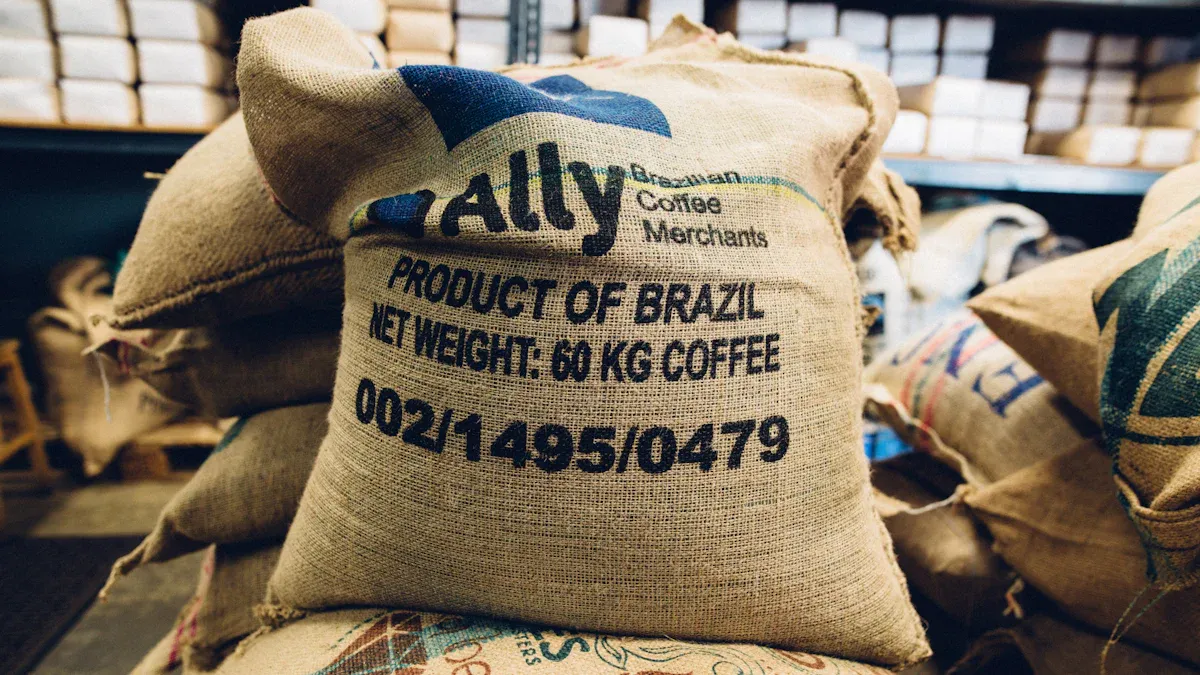
Extreme Weather and Infrastructure
You see how climate change disrupts the coffee supply chain at every step. Extreme weather events, such as storms, frosts, and heatwaves, make it hard for you to predict the growing season. These unpredictable patterns upset the balance needed for healthy coffee crops. When crops fail, farmers lose income and face financial instability.
You also notice that these weather events damage roads, ports, and storage facilities. High-tide flooding and heavy rains block traffic and force you to reroute shipments. Drivers spend more time on the road, with delays reaching 100 million vehicle-hours each year because of high-tide flooding. These delays slow down the movement of coffee from farms to processing centers and ports. As a result, the global coffee supply becomes less reliable.
When storms hit or floods rise, you may find that coffee shipments get stuck or rerouted. This leads to shortages and higher prices for everyone in the supply chain.
Logistics and Costs
You face rising costs and new challenges as climate change continues to affect the coffee industry. Droughts in Brazil and Vietnam, the world’s top coffee producers, have already caused major disruptions. In the 2024/2025 season, these droughts led to a spike in global coffee prices. You see how climate extremes can quickly change the balance of supply and demand.
Production costs go up when weather becomes unpredictable.
Market volatility increases as global coffee supply shifts.
Logistics costs rise because of delays, rerouting, and labor shortages.
Political instability and geopolitical tensions in key regions add more risk and cost.
You must also adapt to new ways of managing the supply chain. Many producers now use advanced technologies like blockchain and AI to track shipments and predict risks. Some diversify their suppliers to avoid shortages and keep the global coffee supply stable.
Reliable packaging plays a key role in reducing losses during transit. BN PACK coffee bags use effective cushioning materials to absorb impacts. Strategic bag positioning inside boxes helps prevent damage. Specialized features, such as one-way degassing valves, manage internal pressure and stop bags from bursting. Before using these valves, 22% of bags arrived with visible bulging. After switching to one-way valves, bulging dropped to just 3%, and ruptures became almost nonexistent.
With BN PACK coffee bags, you protect your coffee from damage during long journeys. This means more of your product arrives fresh and ready for sale, even when climate and logistics challenges threaten the supply chain.
Economic and Social Impact
Smallholder Farmers
You see smallholder coffee growers facing the greatest risks from climate change. Most coffee growers work on small plots with limited resources. When climate events strike, these farmers struggle to recover. Many lack access to insurance, savings, or advanced farming tools. You notice that unpredictable weather can ruin a harvest and threaten a family’s income.
“When there are adverse climatic events it affects the quality and quantity of the coffee,” says Caldas coffee farmer Edilma Garzón Gutierrez. “Sometimes we have to look for another kind of income because the coffee will not suffice.”
You find that coffee growers often need to move to higher elevations or switch to other crops. Relocation costs money and requires careful planning. Some coffee growers must find new ways to earn a living if coffee farming becomes impossible.
Current coffee growers may need to relocate to higher elevations or transition away from coffee cultivation.
Relocation involves significant costs and coordination.
Farmers must find alternative income-generating activities if they shift away from coffee.
Communities built around coffee face social challenges. Smallholder farmers have less ability to respond to climate shocks. Many risk losing their livelihoods as climate change continues to affect coffee production. You see global demand for coffee rising by 20% since 2010, which puts more pressure on coffee growers to adapt.
Evidence | Description |
|---|---|
Vulnerability of smallholder farmers | Smallholder farmers have less capacity to address climatic changes and shocks, making them more vulnerable to the impacts of climate change. |
Loss of livelihoods | The potential loss of livelihoods for coffee farmers is a significant concern as climate change affects coffee production. |
Increasing global demand | Since 2010, global demand for coffee has increased by 20%, which adds pressure on coffee producers to adapt to climate change. |
Price Volatility
You notice that climate change causes price swings in the coffee industry. When climate shocks hit, coffee production drops and supply becomes unstable. Shipping costs rise when weather disrupts transport routes. Speculation in major coffee-producing countries increases price volatility.
Evidence Type | Description |
|---|---|
Production Impact | Climate shocks are identified as a primary driver affecting coffee production, leading to supply fluctuations. |
Shipping Costs | Increased shipping costs are noted as a contributing factor to the recent price increase cycle. |
Market Speculation | Speculation in key coffee-producing countries due to weather events contributes to ongoing price volatility. |
Retail Price Impact | A 1% increase in international coffee prices leads to a 0.24% increase in retail prices in the EU after 19 months. |
U.S. Retail Price Impact | A 1% rise in coffee prices results in a 0.20% increase in U.S. retail prices after 13 months. |
“Factors that influence coffee production have great impacts on buyers’ interest, the price of coffee, and ultimately the livelihoods of the farmers who grow it,” says Sean Cash, an economist.
You see that when coffee prices rise, both businesses and consumers feel the impact. Coffee growers face uncertainty about future income. You must pay attention to how climate affects the entire coffee industry, from farm to cup.
Adaptation in the Supply Chain of Coffee Industry
Sustainable Farming
You play a key role in building resilience in the supply chain of coffee industry. Farmers now use new strategies to adapt to climate change. You see the development of resilient coffee varieties through hybridization with wild coffee species. Many growers shift back to shade production and agroforestry, which helps combat climate impacts. International cooperation among coffee-producing countries allows you to share knowledge and scale up adaptation efforts.
You notice several sustainable farming practices that help coffee growers face climate challenges:
Agroforestry enhances soil fertility and provides microclimate control.
Organic farming avoids synthetic chemicals and promotes biodiversity.
Water management uses rainwater harvesting and efficient irrigation.
Soil conservation includes terracing and cover cropping to prevent erosion.
Biodiversity preservation supports wildlife habitats and natural pest control.
Fair trade and ethical partnerships ensure fair prices and support local communities.
These practices strengthen the supply chain of coffee industry and help you maintain coffee quality and yield.
Packaging Solutions by BN PACK
You need packaging that supports sustainability and protects coffee during transit. BN PACK offers eco-friendly coffee bag options that make a difference in the supply chain of coffee industry. You can choose from kraft paper, rice paper, LDPE, PLA, and sustainable ink coffee packaging. These materials reduce waste and extend the shelf life of coffee, keeping aroma and flavor fresh for longer.
Feature | Eco-Friendly Option | Traditional Option |
|---|---|---|
Material | Mono-material polypropylene (PP) films | Multi-layer laminates |
Recyclability | Entire pouch recyclable via curbside | Limited recycling options |
CO2 Emissions Reduction | 40% reduction in CO2 emissions | Higher emissions |
Hermetic packaging from BN PACK is airtight and moisture-resistant. It protects coffee from oxygen, pests, and humidity. You extend the shelf life of coffee beans and reduce spoilage. This packaging also lowers the need for chemical fumigants, making it a sustainable choice for the supply chain of coffee industry.
Industry and Consumer Support
You see coffee sourcers, brand-name companies, cooperatives, and NGOs working together to improve the supply chain of coffee industry. Direct trade relationships connect farmers with buyers, ensuring fair profits and trust. Enhanced communication lets farmers share their methods and challenges. Consumers who choose direct trade coffee support transparency and sustainability.
Evidence Type | Description |
|---|---|
Direct Trade Relationships | Connect farmers directly with buyers, ensuring farmers receive a larger share of profits and fostering trust. |
Enhanced Communication | Direct connections allow farmers to communicate their farming methods and challenges, leading to better understanding and support from buyers. |
Sustainable Practices | Consumers choosing coffee from direct trade contribute to a demand for transparency and sustainability in the supply chain, promoting practices that benefit both the environment and the farmers. |
You notice collective action making a measurable impact. Over 130 global members and strategic partners have joined adaptation efforts. Stakeholders participate at major events, such as the World of Coffee in Berlin and the 4C Global Sustainability Conference in Brussels. These collaborations standardize best practices, improve reporting, and drive sustainable investments. You help create a business environment that supports sustainable and profitable coffee production.
You see climate change affecting every stage of the coffee supply chain.
Crop yields drop as temperatures rise and rainfall shifts.
Pests and diseases threaten coffee plants.
Smallholder farmers face economic challenges.
Key coffee-producing regions risk losing their ability to grow coffee, while global demand keeps rising. You can support solutions like climate-resilient coffee varieties, regenerative agriculture, and innovative packaging. BN PACK coffee bags help protect freshness and reduce environmental impact.
Innovation Type | Description |
|---|---|
Climate-resilient coffee varieties | New types thrive in heat and keep high-quality flavors. |
Regenerative agriculture | Restores soil and boosts farm resilience. |
Waste management innovations | Turns coffee waste into fertilizer and improves soil health. |
You have the power to shape the future of coffee. Choose sustainable practices and packaging to keep coffee thriving in a changing climate.