You might ask if PCR Plastic Food Safe rules work for flexible pouches. The FDA makes strong rules for food packaging. The FDA has said some PCR plastics are safe for food. In the last few years, the FDA said recycled PET, HDPE, and other materials are okay.
Type of PCR Plastic | FDA Approval Status |
|---|---|
Recycled PET | Approved |
HDPE | Approved |
Other PCR Materials | Approved |
The FDA helps keep your brand and people safe. More packaging now uses PCR content. It went up from 5.3% in 2019 to 10.7% in 2023. Safety is the most important thing when picking food packaging.
PCR Plastic Food Safe: What It Means For Food Packaging Solutions
Defining PCR Plastic In Food Packaging
You might see “pcr plastic food safe” when looking for packaging. PCR means post-consumer resin. This is plastic made from recycled things people used. The FDA and other groups have tough rules for PCR in food packaging. These rules make sure PCR is as safe as new plastic. Flexible pouches with PCR plastic food safe materials help keep food safe. They also help you follow the rules.
Environmental And Market Benefits
Picking pcr plastic food safe packaging helps the environment. You help cut down on plastic waste. You also support using less new plastic. Flexible packaging with PCR plastic makes less pollution. It saves resources too. This keeps more plastic out of landfills. Many brands now want to reuse and recycle more. This is called the circular economy. The table below shows how PCR plastic helps the planet:
Sustainability Metric | Impact of PCR Plastic |
|---|---|
Carbon Footprint | Reduces greenhouse gas emissions |
Landfill Diversion Rates | Increases due to recycling of materials |
Resource Conservation | Lowers demand for virgin plastics |
Circular Economy Promotion | Encourages reuse and recycling of materials |
You see more brands using PCR in their packaging. This is because of new laws and what shoppers want. By 2029, PCR plastics may reach 6.81 million tonnes in the market. The EU and California have rules about recycled content. These rules make brands use more pcr plastic food safe packaging.
Types Of FDA Approved PCR Materials
You may wonder which PCR plastics are safe for food. The FDA says some types are safe for touching food. Revolution’s recycling makes post-consumer recycled linear low-density polyethylene (LLDPE PCR). You can use this for many foods, even at 100% recycled content. This works for dry, wet, raw, and cooked foods. Flexible pouches with FDA-approved PCR plastics like PET, HDPE, and LLDPE are safe. You can trust pcr plastic food safe packaging for flexible pouches that meet strict rules.
FDA Compliant Plastics: Regulations And Safety In Food Packaging
FDA Standards For Food Contact
You want your food packaging to keep food safe. The FDA makes strict rules for plastics that touch food. These rules help stop risks from recycled materials. The FDA checks recycled plastics for harmful things. You must use plastics that meet new material standards. The FDA says you must follow good manufacturing practices. You need to look for chemicals that could move into food. The FDA gives advice to help you know what is safe.
Tip: Always make sure your packaging supplier follows FDA rules. This keeps your brand and customers safe.
The FDA now accepts more PCR plastics for food packaging. You see more Letters of No Objection (LNOs) given out. This means the FDA trusts new recycling methods. The FDA wants more recycled content in food packaging. This helps you reach environmental goals and meet what shoppers want.
Key Development | Description |
|---|---|
Increased Acceptance | The FDA gives more LNOs for PCR plastics in food packaging. |
Regulatory Confidence | The FDA trusts recycling for food packaging. |
Environmental Impact | The FDA helps the planet by allowing more recycled content. |
States like California want 50% PCR in plastic bottles by 2030. Other states want similar rules. These laws make you use more PCR in food packaging.
Certification, Testing, And LNOs
You must show your PCR plastic is safe for food packaging. The FDA asks you to follow a clear process. You need to test your materials and show they are safe. The FDA says you must send a Food Contact Notification (FCN) before using new things. You also need to follow the Code of Federal Regulations Title 21. This code lists safety rules for food packaging. You must give safety data about your PCR plastic. The FDA checks the chemicals and how you will use the material.
Certification/Testing Procedure | Description |
|---|---|
Food Contact Notification (FCN) | You send this to the FDA for approval before using new things. |
CFR Title 21 | The FDA rules list safety and testing for food packaging. |
Food Contact Substance Notifications (FCSs) | You give the FDA safety info about new things. |
You can ask the FDA for a Letter of No Objection (LNO). The FDA does not need a special review for recycled plastics. You must make sure your recycled plastic is as pure as new plastic. You need to follow FDA Good Manufacturing Practices. The FDA wants you to explain your recycling steps. You must show test results that prove you remove harmful things. You also need to say how you will use the recycled plastic. The FDA checks your submission and may give you an LNO.
You must meet the same rules as new plastics.
You need to keep recycled materials clean.
You must follow FDA Good Manufacturing Practices.
You send your recycling steps and test results to the FDA.
The FDA checks each case and may give an LNO.
EFSA And International Safety Standards
You may sell food packaging in other countries. You need to know about rules in other places. The European Food Safety Authority (EFSA) checks all food packaging. The EU needs a safety check for every substance. The FDA lets you use recycled plastics with a Letter of No Objection. The EU has tougher approval rules. You must show where recycled materials come from and how you clean them.
The EU uses EFSA safety checks for all food packaging.
The FDA uses a voluntary LNO process for recycled plastics.
The EU has strict rules under Regulation (EU) 2022/1616.
You must prove where recycled materials come from and cleaning in the EU.
You also see global rules for food packaging. ISO 22000 gives food safety advice. BRCGS gives rules for food safety management. California wants 15% PCR in packaging. The EU wants 30-35% recycled content by 2030. This will go up to 50-65% by 2040.
Region | Regulation/Standard | Key Requirements |
|---|---|---|
US | FDA’s No Objection Letter (NOL) | Approves PCR plastics like HDPE, LDPE, PP, and PET |
EU | PPWR | Needs 30-35% recycled content by 2030 |
EU | EFSA Regulation (EU) 2022/1616 | Sets tough cleaning rules |
Global | ISO 22000 | Gives advice for food safety |
Global | BRCGS | Gives rules for food safety management |
US | EPR laws (California) | Needs 15% PCR in packaging |
You need to follow FDA and international rules for food packaging. This helps you keep products safe and meet market needs.
Technical Solutions For Safety In Food Packaging
Super-Cleaning Process For PCR Resin
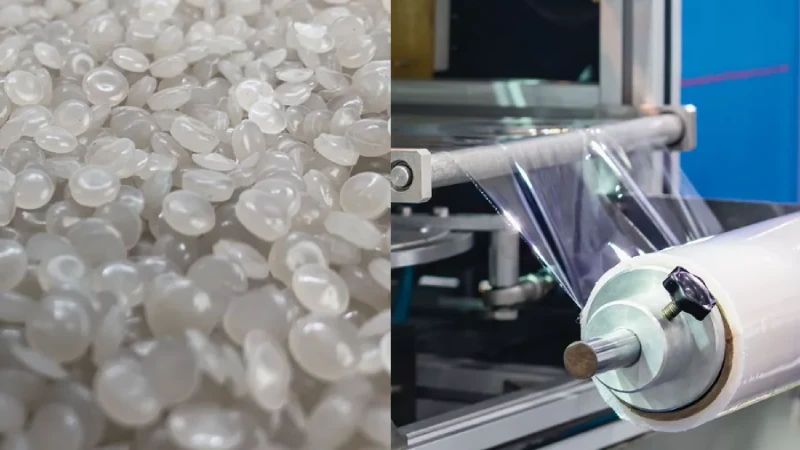
You want your food packaging to be safe. The super-cleaning process for PCR resin helps with this. It takes out bad things from the plastic. This process uses special steps to clean the recycled plastic. First, you get plastics from trusted recycling places. This helps you know where the plastic comes from. Next, you use strong cleaning to get rid of food, ink, or chemicals.
You gather plastics from safe places.
You wash and sort them to take off dirt and labels.
You use heat and vacuum to clean the plastics.
You test for bad chemicals in the plastics.
You check if the plastics are safe for food.
This process keeps bad things out of your packaging. You can trust these plastics will not let dangerous chemicals touch your food. The FDA wants lots of food safety tests before you use these plastics. You must show your plastics are as safe as new ones. This super-cleaning helps keep food safe and helps the planet. You use less new plastic and keep recycled plastics safe for food.
Sandwich Structure (ABA) In Flexible Pouches
You can use a sandwich structure called ABA in pouches. This design puts PCR plastic between two new plastic layers. The outside and inside layers touch the food and air. The middle layer uses recycled plastic. This gives extra safety for your food.
The inside layer keeps food away from recycled plastic.
The middle layer uses PCR plastic to help the planet.
The outside layer keeps the pouch safe from harm.
This ABA structure helps stop worries about germs or chemicals. You keep recycled plastic from touching the food. You also follow FDA rules for safe food packaging. The sandwich design lets you use more PCR plastic and keep food safe. You help the earth and keep your food safe too.
Quality Assurance And Factory Capabilities
You need strong checks to make sure packaging is safe. Factories use many tests to keep plastics safe for food. These tests help you trust your packaging.
Protocol | Description |
|---|---|
Review PCR Resin Grade | Check the resin for its use and quality. |
Certificate of Analysis (COA) | Measures important things for users. |
VOC Analysis | Finds things that might smell bad. |
Organoleptic Evaluations | Checks if the packaging smells or tastes right. |
The FDA looks at how resin makers recycle plastic. They want to make sure nothing bad gets into your food. If the FDA likes the process, they give a No Objection Letter. This letter means the plastic is safe for some foods.
You also need factories with the right tools. Some factories use FDA-safe film with 25% PCR for almond packs. Others make pet food pouches with PCR that can handle heat and last long. These factories use good machines and strong checks to keep packaging safe.
Factories use special tools to mix PCR and new plastic.
They test each batch for safety and quality.
They keep records to show the plastics are safe.
These technical solutions help you keep food safe and help the planet. You follow the rules, keep food safe, and use more recycled plastic.
Overcoming Challenges With PCR Plastic Food Safe Packaging
Addressing Contamination And Toxin Concerns
Using PCR plastic for food packaging has some big challenges. The main worry is making sure food stays safe. You want fda compliant plastics to keep food safe and people trusting your brand. Sometimes, recycled materials can bring in contamination risks. Bad substances might move from the container into the food, especially if it gets hot. You have to watch out for toxins and chemicals moving into food. Studies found 906 chemicals in plastic containers, and 148 are very toxic. PCR samples often have more harmful chemicals than new plastics. You need to check and test containers to keep safety high.
Challenge | Description |
|---|---|
Regulatory Compliance | You must follow strict FDA rules for food-contact containers. |
Material Quality | You need consistent quality in recycled containers for safety and integrity. |
Contamination Risks | You must prevent contaminants from moving into food from containers. |
Microbial Contamination | You need to control microbes in PCR containers to protect food safety. |
Structural Integrity | You must keep the strength and integrity of containers for safe use. |
You can use gas chromatography-mass spectrometry (GC-MS) to find toxins in containers. Special cleaning, like supercritical CO2 treatment, helps take out bad stuff. You must follow FDA and EU rules to keep containers safe.
Misconceptions About PCR Resin Safety
Some people believe PCR resin in food containers is always unsafe. This is not true. Certified recycling systems make fda compliant plastics that meet safety rules. EFSA and the FDA test recycling to make sure it is safe. PCR containers may look less clear and have a color tint. Recycling can make containers weaker. Makers often mix PCR with new plastic to keep them strong. You can trust certified containers for food safety if they follow the rules.
Aspect | Description |
|---|---|
Clarity | PCR containers may look less clear and show a color tint. |
Strength | Recycling can lower the strength and integrity of containers. |
Mixing with Virgin Plastic | You often see PCR mixed with virgin plastic for better safety and integrity. |
You help people trust your brand by using fda compliant plastics and following safety rules.
Steps For Brands To Ensure Compliance
You need to take steps to keep containers following FDA rules. First, you find out all the rules for fda compliant plastics. Next, you pick safe and approved materials for containers. You test containers for safety and chemical movement. You send papers to the FDA for checking. You keep up with rules by doing your own checks. You must trust your suppliers and check their certificates. You test containers for purity and safety using different tests. You send a Food Contact Notification for new materials. You keep following the rules by testing containers often.
Find out FDA rules for fda compliant plastics.
Pick approved materials for containers.
Test containers for safety and rules.
Send papers to the FDA.
Check your process to keep following rules.
Trust certified suppliers for containers.
Watch for changes in FDA rules for fda compliant plastics.
You keep food safe and people trusting your brand by doing these steps. You make sure containers are safe for everyone.
There are more rules for food packaging every year. It costs more to test and follow these rules. Using FDA compliant PCR plastics helps stop contamination. It also helps keep your brand safe.
Ask your suppliers for certified PCR.
Find out if they do audits and quality checks.
Learn about guides and programs like GRS and TÜV OK Recycled.
Solution | Benefit |
|---|---|
Advanced testing and guidelines | Less trouble with rules and fewer recalls |
Choosing certified suppliers | Safer packaging and a better reputation |
You keep food safe and follow new rules by making good choices.