
The global demand for matcha has exploded in recent years, transforming it from a niche ceremonial tea into a mainstream wellness superstar. Consumers are drawn to its vibrant color, unique umami flavor, and potent health benefits. But as the market expands, so does the diversity of consumer needs. For matcha sellers, manufacturers, and distributors, a critical question is emerging from a key market segment: Is there decaf matcha? This query comes from caffeine-sensitive individuals, evening tea drinkers, and health-conscious consumers who love the idea of matcha but need a low-caffeine alternative.
The answer to this crucial question is a complex one. Yes, decaf matcha powder does exist, but it is a rare, technically challenging, and often misunderstood product. Unlike decaffeinating a standard tea bag, creating a decaffeinated version of this vibrant, stone-ground powder is a delicate and expensive process—one that has significant implications for the final product’s quality, flavor, and health benefits.
We will explore the science behind decaffeinating matcha, the methods used, the inevitable trade-offs in quality that manufacturers and consumers must understand, and the significant market opportunity for brands considering adding decaf matcha green tea to their premium product line.
The Technical Challenge: Why Decaffeinating Matcha is So Difficult
Standard tea decaffeination, whether for black or green tea, is a process performed on whole, intact leaves. The leaves are carefully subjected to a decaffeination agent, washed, and then dried and packaged. The core problem with matcha is that its final form is the entire leaf, ground into an ultra-fine powder. It is physically impossible to decaffeinate a powder without destroying it.
Therefore, the entire matcha production process must be fundamentally resequenced. To create decaf matcha green tea, manufacturers must perform the decaffeination at the intermediate stage, after the leaves are harvested but before the final, critical grinding phase. The process looks like this:
- Harvest: High-quality, shade-grown green tea leaves are harvested, just as they would be for regular matcha.
- Decaffeination: These whole leaves (now called “tencha” after steaming and drying) are subjected to a gentle but effective decaffeination process.
- Grinding: Only after the caffeine has been removed are the now-decaffeinated tencha leaves meticulously stone-ground into the fine powder we recognize as matcha.
This multi-step, out-of-sequence process is significantly more complex, time-consuming, and expensive than producing either standard matcha or standard decaf tea. It requires specialized handling to protect the leaf’s delicate structure and flavor throughout the added decaffeination step, which inevitably has an impact on the final product’s quality.
Methods of Decaffeination for Matcha
Because matcha is a high-value product where flavor and color are paramount, only the most sophisticated and gentle decaffeination methods are used. These processes are designed to target the caffeine molecule specifically, while leaving the delicate flavor compounds, antioxidants, and vibrant color as intact as possible.
Method 1: Supercritical Carbon Dioxide (CO2) Process
This is the most advanced and highly regarded method for creating premium decaf matcha.
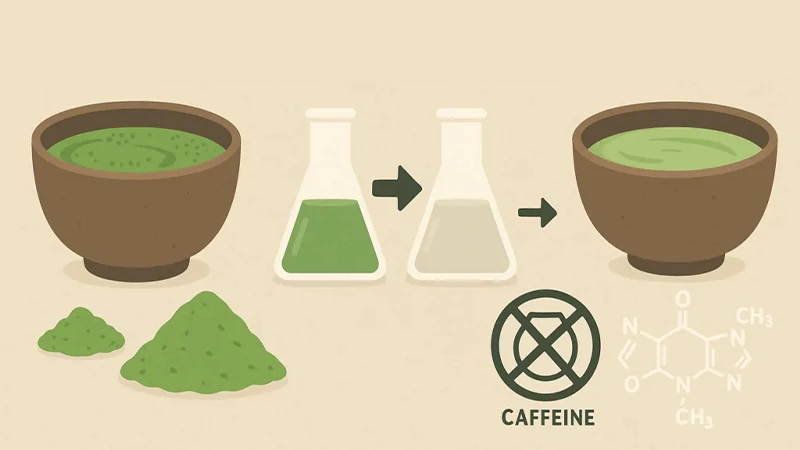
- The Science: This process utilizes carbon dioxide in a “supercritical” state, where it behaves as both a liquid and a gas. The whole tea leaves are placed in a pressurized chamber which is then flooded with supercritical CO2. The CO2 acts as a highly effective and natural solvent, selectively binding to the larger caffeine molecules and pulling them out of the leaf, while leaving the smaller molecules responsible for flavor and aroma largely untouched. The caffeine-laden CO2 is then removed, and the leaves are ready for grinding.
- Pros: It is an exceptionally clean, safe, and natural method that does not involve any harsh chemical solvents. It is remarkably effective at preserving the original flavor profile, antioxidant content, and color of the tea. This is the process used to create the best decaf matcha powder.
- Cons: The technology and equipment required are extremely expensive, which makes this the costliest method of decaffeination.
Method 2: Water Processing
A more traditional but still highly effective natural method, water processing is also used for creating organic decaf matcha.
- The Science: The whole tea leaves are first soaked in hot water, which removes the caffeine but also some of the flavor and color compounds. This initial water solution is then passed through a specialized carbon filter that is designed to capture and strip away only the caffeine molecules. The result is a flavorful, now-decaffeinated “tea essence.” In the final step, the original, washed tea leaves are soaked in this essence, allowing them to reabsorb their original flavor and aroma compounds without reabsorbing the caffeine.
- Pros: This is a 100% natural, chemical-free method that is certified for organic products. It is very effective at removing caffeine while preserving a high degree of the tea’s original character.
- Cons: It is a complex and lengthy process. Some of the most delicate, water-soluble flavor compounds can be slightly diminished compared to the CO2 method, sometimes resulting in a slightly milder flavor profile.
The Inevitable Trade-Offs: Analyzing Decaf Matcha Quality
For any brand considering adding decaf matcha to its portfolio, it is essential to have an honest and clear understanding of the trade-offs that the decaffeination process entails. While modern methods like CO2 and water processing are remarkably sophisticated, the act of removing caffeine is an intervention that inevitably alters the final product. Communicating these differences transparently to your customers is key to building trust and positioning the product correctly.
Does Decaf Matcha Have the Same Benefits?
This is often the first question from health-conscious consumers. So, is decaf matcha still healthy? Absolutely. Does it have the exact same profile as its caffeinated counterpart? Not quite.
The question of does decaf matcha have the same benefits comes down to concentration. The good news is that the best decaffeination methods are excellent at preserving the most famous and potent antioxidants in green tea, specifically the catechins like EGCG. A cup of decaf matcha will still deliver a significantly higher antioxidant load than a cup of brewed decaf green tea. However, the process, which involves soaking the leaves, can lead to a minor loss of some water-soluble vitamins and a slight reduction in the overall potency of certain phytonutrients. It remains a powerfully healthy beverage, but there is a marginal decrease in its overall nutritional profile.
The Impact on Flavor and Aroma
Even the most gentle decaffeination process cannot avoid stripping away some of the most delicate and volatile flavor compounds along with the caffeine. The rich, savory “umami” flavor—derived from the amino acid L-theanine—is often the most affected characteristic. While the CO2 process is better at preserving L-theanine, a slight reduction is common.
The overall flavor profile of a decaf matcha tea is typically milder and less complex than a high-grade ceremonial matcha. The vibrant, sweet-vegetal top notes may be softened, and the finish may be less lingering. A decaf matcha latte will still be creamy, delicious, and satisfying, but a purist drinking it prepared only with water will likely notice the difference in intensity and nuance.
The Impact on Color
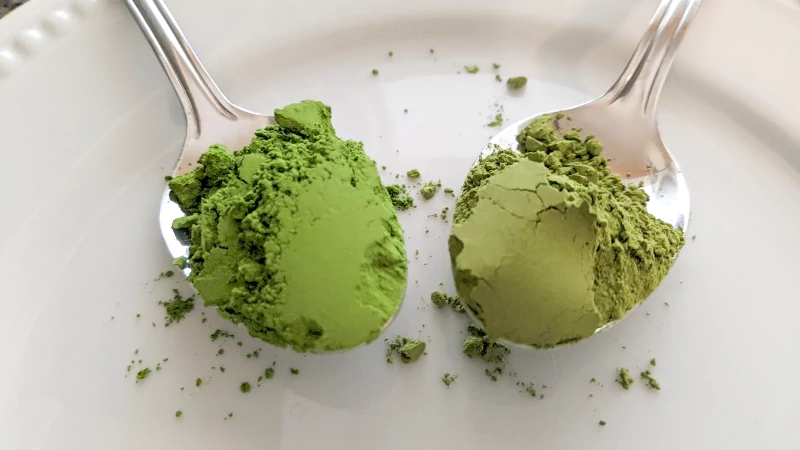
The brilliant, electric-green color is the visual hallmark of high-quality matcha, a direct result of the high chlorophyll content from shade-growing. The decaffeination process, involving either a liquid-like CO2 solvent or a water bath, can cause a very slight fading of this vibrant pigment. A high-quality decaf matcha powder will still be a beautiful green, but it may present as a slightly softer, less jewel-toned shade when compared side-by-side with its original, caffeinated version.
The Market Opportunity: Positioning and Selling Decaf Matcha
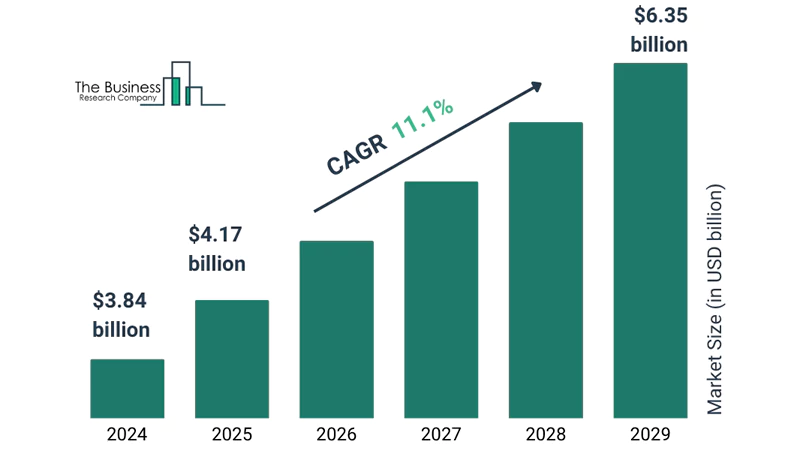
Despite the technical challenges and quality trade-offs, decaf matcha represents a significant and growing market opportunity for savvy tea brands. By understanding the target customer and positioning the product thoughtfully, it can become a valuable and profitable addition to a premium product line.
Identifying the Target Audience
The customer for decaf matcha is not the ceremonial tea purist, but rather a distinct and underserved segment of the wellness market. This audience is actively seeking the benefits and experience of matcha but is unable or unwilling to consume the full caffeine content. Key demographics include:
- Caffeine-Sensitive Individuals: A significant portion of the population experiences jitters, anxiety, or sleeplessness from caffeine. Decaf matcha allows them to participate in the matcha trend without the side effects.
- Pregnant and Nursing Mothers: Many women are advised to limit their caffeine intake during pregnancy and breastfeeding, making a decaf option a highly sought-after alternative.
- The “Evening Ritual” Consumer: As matcha becomes a part of daily wellness routines, many consumers want to enjoy a calming matcha latte in the evening without it interfering with their sleep.
Marketing and Transparency
The key to successfully marketing decaf matcha is absolute transparency. Attempting to position it as identical to a high-grade, caffeinated ceremonial matcha will only lead to disappointed customers. Instead, the marketing should be honest about what it is and focus on the unique solution it provides.
- Honesty is the Best Policy: Be upfront. Acknowledge that the decaffeination process results in a milder flavor and softer color. This builds trust and manages customer expectations.
- Focus on the “Why”: The most effective marketing strategy is to lean into the benefits of it being decaffeinated. Position it as “The Perfect Evening Matcha,” “A Mindful Moment, Day or Night,” or “All the Ritual, Without the Restlessness.” Frame it not as a compromise, but as an inclusive option that unlocks the matcha experience for everyone, at any time of day.
Pricing Strategy
Given the complex and expensive decaffeination processes involved, decaf matcha powder is a costly product to produce. It should never be positioned as a cheaper, lesser alternative. Brands must price it as a premium, value-added specialty item.
The price should reflect the advanced technology and meticulous care required in its creation, and it will often command a higher retail price than even high-quality standard culinary-grade matcha. Customers are not just paying for matcha; they are paying for the specialized process that makes it accessible to them.
Protecting a Delicate Product: The Necessity of Superior Packaging
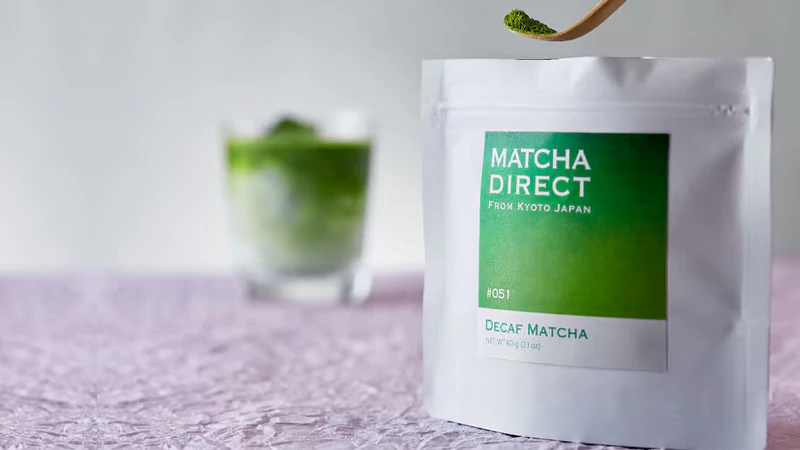
The complex and intensive journey required to create decaf matcha powder results in a final product that is even more delicate and susceptible to degradation than its caffeinated counterpart. The process of soaking, decaffeinating, and re-drying the tencha leaves alters their cellular structure, making the finished powder highly vulnerable to the elements.
This heightened fragility presents a significant challenge for brands. The already milder flavor, softer color, and precious antioxidant content of decaf matcha will degrade at an accelerated rate if not protected with the utmost care. Oxygen will quickly flatten its taste, UV light will fade its gentle green hue, and any exposure to moisture will cause immediate clumping and spoilage. For a product that carries a premium price tag, protecting its integrity from the moment it is ground to the final scoop is non-negotiable.
A specialty product like organic decaf matcha represents a significant investment in processing and sourcing. Protecting that investment is critical. The high-performance matcha tea packaging bags from BN Pack are engineered to provide the ultimate defense for this delicate powder. Our multi-layer foil-lined bags create an airtight and lightproof barrier, locking out the oxygen and UV rays that would quickly diminish the color and flavor of your decaf matcha. The secure, resealable zippers are essential for preserving freshness after opening, ensuring that your customers enjoy the best possible experience down to the last serving. For a premium product, premium protection is the only choice.
Conclusion: The Viable Niche of Decaf Matcha
So, to return to our original question: does decaf matcha exist? Yes, it absolutely does. It is a product of sophisticated food science and a testament to the industry’s drive to meet a growing consumer need. It is made not by treating the powder, but by subjecting the whole tencha leaves to a gentle, caffeine-specific extraction process before the final, meticulous grind. As we’ve seen, this complex process results in inevitable trade-offs—a slightly milder flavor, a softer color, and a marginally reduced nutritional potency.
However, for a matcha brand, manufacturer, or distributor, these trade-offs do not diminish the product’s value. Instead, they define its unique position in the market. Despite the challenges, decaf matcha represents a valuable and growing niche. By offering a high-quality decaf matcha tea, a brand can attract a new and loyal customer segment that was previously excluded from the matcha experience—unlocking new revenue streams and enhancing its reputation as an inclusive, customer-focused company.
Ultimately, decaf matcha should not be viewed as a compromised version of the original. It is a thoughtful and powerful product innovation. It expands the reach of the entire matcha category, allowing the ritual, flavor, and wellness benefits of this incredible tea to be enjoyed by more people, in more ways, at any time of day.