You want your food to last for years without losing quality. Mylar bags and oxygen absorbers make that possible for long-term food storage. They keep out air, moisture, and light. Check out this table to see how much longer you can store food:
Storage Method | Shelf Life Extension |
|---|---|
Traditional Methods | Limited due to residual oxygen |
Mylar Bags + Oxygen Absorbers | 5 to 30 years or more |
You can do this at home with just a few easy steps.
What Are Mylar Bags and Oxygen Absorbers?
Mylar Bags for Food Storage
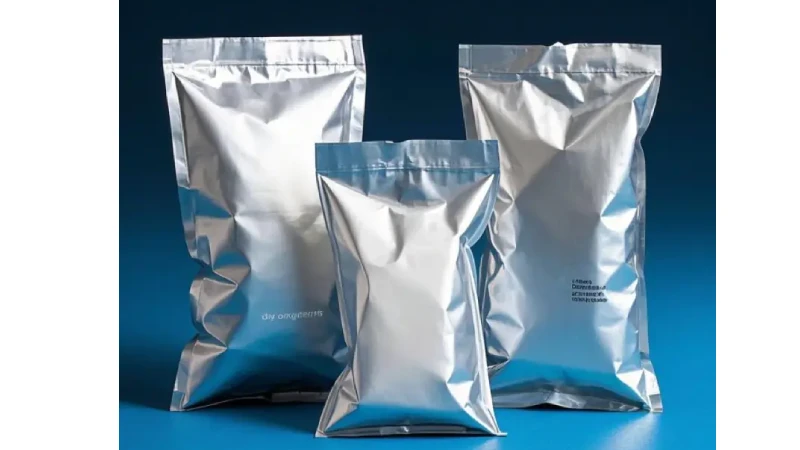
You might wonder what makes mylar bags for food storage so special. These bags use a strong material called polyethylene terephthalate, or PET. Manufacturers stretch this film in two directions, which gives it extra strength. They also add a shiny aluminum layer to block out light and moisture. Here’s what you get with mylar bags:
High tensile strength, so the bags don’t tear easily.
Great barrier against air, moisture, and light.
Less gas can get through compared to other plastics.
When you use mylar bags for food storage, you protect your food from things that make it spoil.
Oxygen Absorbers Explained
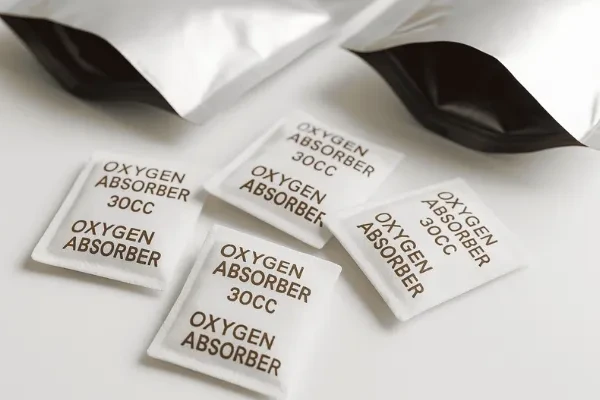
Oxygen absorbers are small packets that you place inside your mylar bags. They contain iron powder. When you seal the bag, the iron reacts with any oxygen left inside. This reaction forms iron oxide, which is just rust. The process removes almost all the oxygen from the bag. Without oxygen, most bacteria and mold can’t grow. Your food stays fresh much longer.
Tip: Always use the right size of oxygen absorbers for the amount of food you store. Too few won’t remove enough oxygen.
How They Work Together
You get the best results when you use mylar bags and oxygen absorbers together. The mylar bags keep out new air, moisture, and light. The oxygen absorbers remove the oxygen that’s already inside. This combo can drop oxygen levels to less than 0.01%. That means your food is safe from spoilage, pests, and even changes in taste. If you seal the bags well, you can store food for years without worry.
Why Use Mylar Bags for Long-Term Food Storage?
Key Benefits
You want your food to stay good for a long time. Mylar bags help with that. They stop air, water, and light from getting in. This gives better protection than plastic or paper. Here are some things you get when you use mylar bags for long-term food storage:
Benefit | Description |
|---|---|
Long shelf life | Rice, pasta, and beans can last up to 30 years if stored right. |
Protects against pests | Mylar bags are thick. Bugs cannot get through. Pests die when there is no oxygen. |
Preserves flavor and nutrition | Stopping oxidation keeps food tasting good and healthy much longer than other packaging. |
Many people think these are the best mylar bags for food storage.
Shelf Life Extension
If you want food to last, you need good tools. Mylar bags and oxygen absorbers work together. They keep food fresh for many years. Here is how they compare to other ways:
Storage Method | Freshness Duration |
|---|---|
Mylar Bags with Oxygen Absorbers | Up to 25 years |
Vacuum-Sealed Bags | 2-3 years |
You can store food for emergencies or camping. You can also save money. The best mylar bags help you feel safe.
BN PACK’s Quality and Innovation
You should have packaging that is safe and strong. BN PACK makes the best mylar bags for long-term food storage. Their bags meet safety and eco-friendly rules. Here are some certifications BN PACK has:
Certification/Standard | Description |
|---|---|
FSC-certified paper hybrids | Makes sure forests are cared for. |
FDA-compliant films | Safe for food contact. |
BRCGS | Global food safety standard. |
TÜV Rheinland hygiene compliance | Checks hygiene rules are followed. |
ISO 9001 | Quality management system standard. |
You can trust BN PACK to keep your food safe and fresh for a long time.
Step-by-Step Guide: Packing with Mylar Bags
Choosing the Best Mylar Bags
You want your food to last as long as possible. Picking the right mylar bags makes a big difference. Not all bags are the same. Some work better for certain foods or storage needs. Here’s a quick table to help you choose:
Type of Mylar Bag | Best Uses |
|---|---|
Flat / Standard Pouches | Rice, grains, beans, and other dry bulk foods |
Stand-Up Pouches | Snacks, coffee, dried fruits |
Ziplock Resealable Bags | Pet food, powders, dried snacks |
Spout Pouches | Liquids, sauces, fine powders |
Sachets / Small Pouches | Tea, spices, coffee, treats, supplements |
When you store a lot of food, 5 gallon mylar bags and 6 gallon mylar bags are perfect for bulk storage. They hold a lot and fit inside food-grade buckets. These bags keep out air, moisture, and light. You can also try bulk storage mylar bags for even bigger batches. If you want something easy to open and close, resealable mylar bags are a smart choice for snacks or items you use often.
BN PACK offers many options. You can pick the size, thickness, and even eco-friendly materials. Their mylar bag kits make it simple to get started with long-term food storage.
Tip: Choose thicker mylar bags for foods with sharp edges, like pasta or beans. Thicker bags last longer and protect better.
Selecting Oxygen Absorbers
Oxygen absorbers are small packets that remove oxygen from inside the bag. This step is key for long-term food storage. You need to match the right size absorber to your bag and food type. For example, 5 gallon mylar bags need larger oxygen absorbers than small pouches. If you store foods with more fat, like nuts, you may need a bigger absorber.
Here’s how you can pick the right one:
Figure out the size of your mylar bag.
Check what kind of food you want to store.
Use more oxygen absorbers for bigger bags or foods that spoil faster.
Make sure your bag is sealed tight so the absorber works well.
If you use bulk storage mylar bags or 6 gallon mylar bags, always double-check the amount of oxygen absorbers you need. Too few won’t protect your food.
Filling and Sealing
Now you’re ready to pack your food. Follow these steps for the best results:
Fill your mylar bag with dry food. Don’t overfill—leave a few inches at the top.
Lay the bag flat and press out as much air as you can.
Drop in the right size oxygen absorber.
Seal the bag with a heat sealer or a regular household iron. Press firmly along the edge to make a tight seal.
For extra safety, place your sealed mylar bags inside a food storage container or a food-grade bucket. This keeps out pests and adds another layer of protection.
If you use 5 gallon mylar bags, it helps to set the bag inside a bucket before filling. The bucket holds the bag upright and makes sealing easier. You can do the same with 6 gallon mylar bags for even more food. Always use high-quality mylar bags from trusted brands like BN PACK for the best results.
Note: Heat sealing works best for long-term food storage. Make sure the seal is smooth and has no gaps.
Labeling and Storing
Don’t forget to label your mylar bags. This step saves you time and trouble later. Write down what’s inside, the date you packed it, and how much food you stored. For example: “White rice – 3 lbs – Packed July 2025.” Use a marker that won’t rub off.
Store your sealed mylar bags in a cool, dry place. A basement or pantry works well. Keep bags off the floor and away from sunlight. If you use 5 gallon mylar bags or 6 gallon mylar bags, stack them in buckets for easy storage and extra safety.
Tip: Rotate your food. Use the oldest bags first. Check your labels often so nothing goes to waste.
With these steps, you can feel confident about your long-term food storage. BN PACK’s customizable and eco-friendly mylar bags make it easy to protect your food for years.
What Foods to Store in Mylar Bags?
Best Foods for Long-Term Storage
You want your food to last as long as possible. Some foods do better in mylar bags than others. Dry foods with low moisture and low fat work best. You can use 2 gallon mylar bags for many of these foods. They fit well in most pantries and are easy to handle.
Here’s a table that shows how long different foods can last when you store them in mylar bags with oxygen absorbers:
Food Item | Shelf Life in Mylar Bags with Oxygen Absorber |
|---|---|
Flour | 5 years |
Pasta | 8-10 years |
Powdered milk | 15 years |
Dried vegetables | 8-10 years |
Beans | 8-10 years |
Grains (whole grains) | 10-12 years |
Maize | 10-12 years |
Quinoa | 8 years |
Rolled oats | 8 years |
Egg powder | 15 years |
Rice (white) | 8-10 years |
Rice (brown) | 1-2 years |
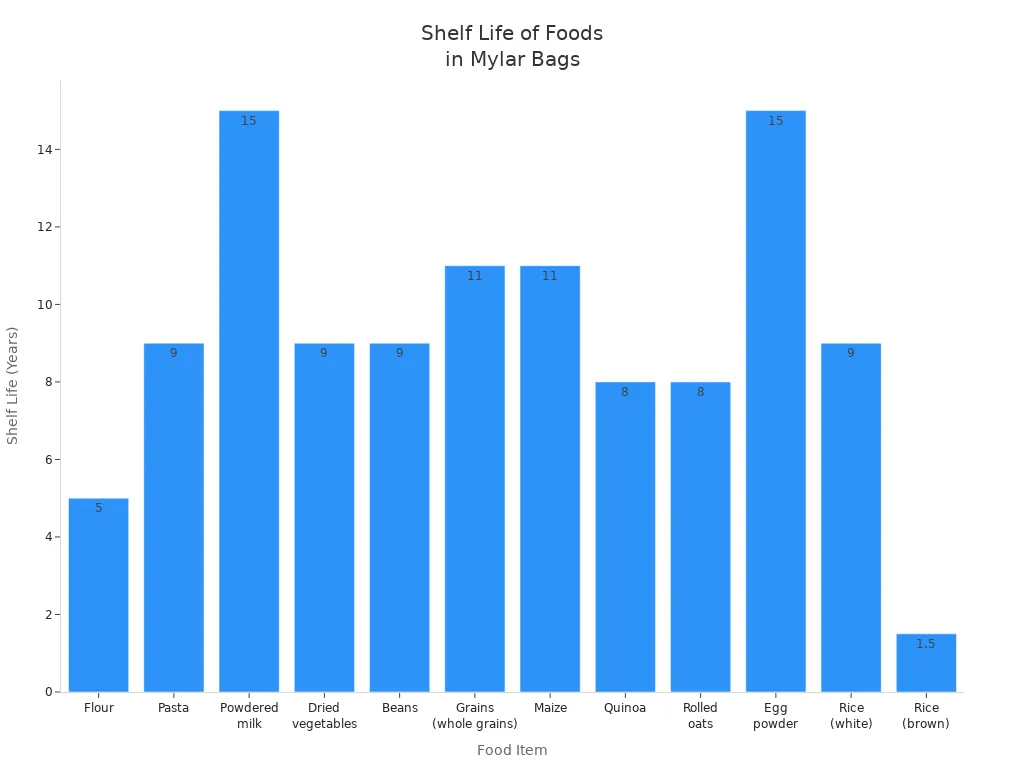
You can pack rice, beans, pasta, and even powdered milk in 2 gallon mylar bags. These bags keep your food safe and fresh for years. You can also use them for grains, dried vegetables, and egg powder.
Tip: Always use dry foods with less than 10% moisture for the best results in mylar bags.
Foods to Avoid
Not every food belongs in mylar bags. Some foods spoil fast or need air to stay good. You should avoid putting these foods in 2 gallon mylar bags:
High-moisture foods like fresh fruits, vegetables, soft cheeses, cooked pasta, and cooked rice.
Oily and fatty foods such as nuts, seeds, whole wheat flour, granola, and trail mix.
Foods that need airflow, including yeast, baking powder, brown sugar, salt, and sugar.
These foods can go bad or lose quality if you seal them in mylar bags with oxygen absorbers. Stick with dry, low-fat foods for the best results.
Note: If you are not sure, check if the food is dry and low in fat before using mylar bags.
Common Mistakes with Mylar Bags
When you start using mylar bags for food storage, you want to avoid some common mistakes. These errors can make your food spoil faster or even become unsafe to eat. Let’s look at what you should watch out for.
Not Enough Oxygen Absorbers
You might think one small packet is enough, but using too few oxygen absorbers can ruin your food. Oxygen lets bacteria and mold grow. It also makes food lose color, taste, and vitamins. When you use the right amount, you keep your food fresh, safe, and tasty for years.
Oxygen absorbers remove air, stopping spoilage and keeping food safe.
They help keep the color, smell, and texture of your food.
Not enough means your food can go bad much faster.
Tip: Always match the size of your bag and the type of food with the right number of oxygen absorbers.
Improper Sealing
Sealing your mylar bags the right way is super important. If you don’t seal them well, air and moisture can sneak in. This can cause mold, spoilage, or even dangerous bacteria like botulism.
Bad seals let in moisture and air, which can make food unsafe.
Bacteria and mold love a weak seal.
Overheating or underheating the bag can also cause sealing problems.
Here’s a quick table of sealing mistakes:
Mistake | What Happens |
|---|---|
Overheating the bag | Bag gets weak or burns |
Incomplete seals | Air and moisture get inside |
Overstuffing the bag | Seal is uneven and may leak |
Skipping Labeling
You might forget what’s in your bag or when you packed it. Skipping labeling can lead to confusion and wasted food. Many people throw away food just because they don’t know if it’s still good.
Not labeling causes confusion about what’s inside.
You might toss out safe food by mistake.
Most people feel unsure about food safety without clear dates.
Always write the food name and packing date on each bag. This simple step saves money and keeps your food storage organized.
Storage Tips for Best Mylar Bags Results
Where to Store
You want your food to last as long as possible. Picking the right spot for your best mylar bags makes a huge difference. Keep your storage area cool. Temperatures below 75°F work best. Cooler spots slow down spoilage and help your food stay fresh. Choose a dark place, like a pantry or basement. Light can break down food over time, so hiding your best mylar bags from sunlight helps a lot. Avoid damp or humid rooms. Moisture can sneak in and ruin your food. If you use opaque containers, you add another layer of protection for your best mylar bags.
Store below 75°F (24°C)
Keep in a dark place or inside opaque bins
Avoid high humidity or moisture
Checking Seals and Shelf Life
You want to make sure your best mylar bags stay sealed tight. Check them often for leaks, tears, or any signs of moisture. Look at the food inside. If you notice changes in color, smell, or texture, it’s time to use that food or toss it. Regular checks help you catch problems early. This keeps your food safe and tasty. Make a habit of inspecting your best mylar bags every few months.
Check for gashes, leaks, or humidity
Watch for changes in smell, color, or texture
Proactive checks keep food safe
Using 5 Gallon Mylar Bags
If you store lots of food, 5 gallon mylar bags are the best mylar bags for bulk storage. Place them inside food-grade buckets for extra protection. These big bags hold rice, beans, or flour for years. Label each bag with the date and contents. Stack buckets in a cool, dark spot. You get easy access and peace of mind knowing your best mylar bags are safe.
Tip: Rotate your stock. Use older food first and refill your best mylar bags as needed.
You can keep food safe and fresh for years with mylar bags and oxygen absorbers. Just clean and dry your food, match absorber size to bag, and seal tightly. Choose trusted brands like BN PACK for quality. Need help? Check the FAQ for quick answers before you start!