The Science Behind Mylar Bags for Food Storage: Why They Work
Winnie
Table of Contents
Mylar bags for food storage work because they form a nearly impenetrable barrier against oxygen, moisture, and light. Scientists design these bags using layers of aluminum and plastic, which keep food fresh and safe for years. Picture a shield that blocks out everything that spoils food—this is what mylar bags offer. Their popularity keeps rising as more people seek long-term storage solutions that outperform regular plastic containers.
What Are Mylar Bags?
Material Properties
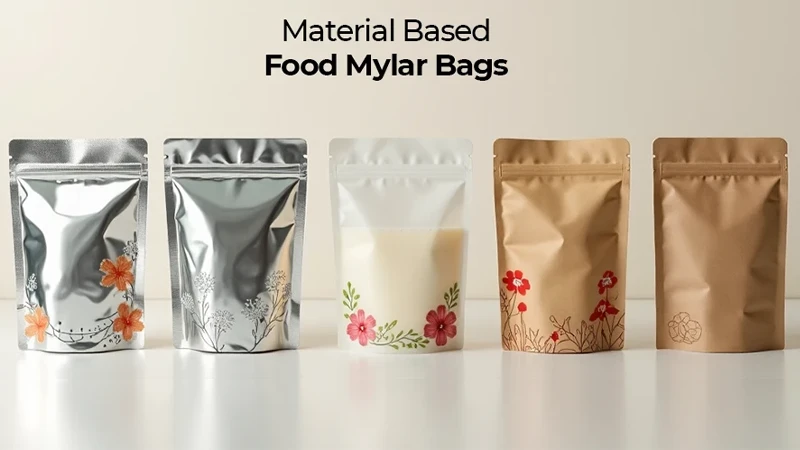
Mylar bags use advanced materials to protect food from spoilage. Manufacturers create these bags from a polyester film called BoPET, which stands for biaxially-oriented polyethylene terephthalate. They laminate this film with a thin layer of aluminum. The polyester film gives the bag strength and flexibility. It resists punctures and tears, so the bag stays intact during storage. The aluminum layer acts as a shield against oxygen, moisture, and light. This combination keeps the inside of the bag dry and dark, which slows down oxidation and stops microbes from growing. The aluminum also reflects light, preventing food from losing flavor or nutrients. When sealed properly, Mylar bags create an anaerobic environment that helps food last longer.
BN Pack’s Custom Mylar Bags for Food use these high-quality materials. Their bags meet strict food safety standards and offer superior barrier protection. The multi-layer structure includes aluminum foil for blocking oxygen and moisture, polyester for durability, and polyethylene for heat sealing. These features make BN Pack’s bags reliable for long-term food storage.
Types and Uses
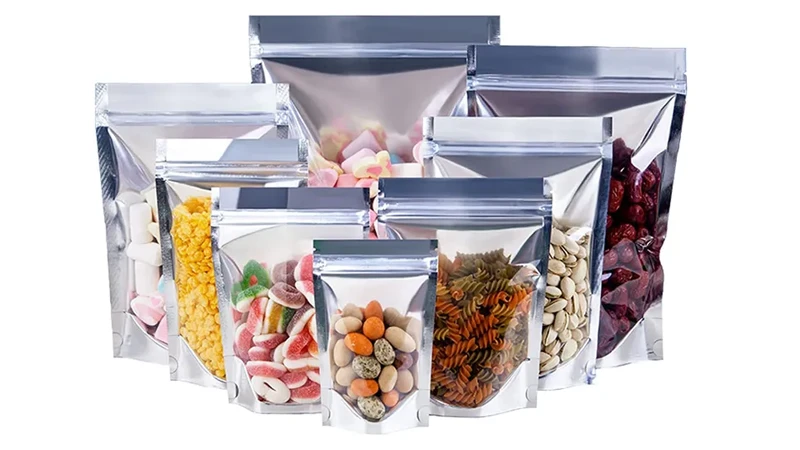
Mylar bags come in many shapes and sizes to fit different foods and storage needs. Each type offers unique benefits for specific applications.
Mylar Bag Type
Common Applications
Key Features and Benefits
Stand-up Pouches
Snacks, nuts, candies, personal care items
Upright display, resealable zippers, visibility
Flat-Bottom Bags
Coffee, protein powders, gourmet pet food
Stable base, large branding space
Side Gusset Bags
Bulk foods, pet food, spices, dried fruits
Expandable sides, high volume, custom printing
Flat Pouches
Tea bags, small snacks
Space-saving, cost-effective
Tip: Choose the right bag type for your food. Stand-up pouches work well for snacks, while side gusset bags hold bulkier items like pet food or dried fruits.
BN Pack offers customizable options for all these bag types. Customers can select sizes, shapes, and features such as resealable zippers, child-resistant closures, and one-way valves. This flexibility helps businesses store everything from herbs and spices to large emergency food packs. The right Mylar bag keeps food fresh and safe, whether for daily use or long-term storage.
Science of Mylar Bags for Food Storage
Barrier Protection
Mylar bags for food storage protect food by blocking oxygen, moisture, and light. The secret lies in their multi-layer design. The outer layer uses BoPET, a strong polyester film that resists tears and chemicals. The inner layer features a thin sheet of aluminum foil. This aluminum acts as a shield, stopping oxygen and light from reaching the food. Oxygen can cause fats and vitamins to break down, leading to spoilage. Light can speed up this process and fade colors or flavors. The aluminum layer blocks over 99% of light, including harmful UV rays. The BoPET layer adds strength and keeps the bag airtight. Together, these layers create a sealed environment that stops mold, bacteria, and oxidation. Food stays fresh, flavorful, and safe for much longer.
Note: The moisture barrier in mylar bags for food storage keeps water vapor out. This prevents mold growth and keeps dry foods crisp.
The chart above shows that Mylar foil bags have a much lower oxygen transmission rate than other common storage materials. This makes them ideal for long-term food preservation.
Layer Structure
The effectiveness of mylar bags for food storage comes from their multi-layer construction. Each layer serves a specific purpose:
The polyester film (BoPET) provides strength and flexibility.
Aluminum foil/metallized layers block UV and visible light
Usually transparent or less effective light barrier
Durability & Tear Resistance
High puncture resistance and durability
More prone to tearing and punctures
Shelf Life Extension
Up to 25 years with oxygen absorbers and proper sealing
Significantly shorter shelf life
Resealability
Supports resealable closures to maintain freshness
Often lacks resealable features
BN Pack’s custom mylar bags for food storage meet strict quality standards. Their manufacturing facility holds ISO9001 and BRC certifications. The materials are FDA approved for direct food contact. These certifications ensure that every bag is safe, consistent, and reliable for storing food.
Shelf Life Impact
The barrier and structure of mylar bags for food storage have a direct impact on shelf life. Foods like rice, beans, flour, and pasta can last up to 25 years when stored in these bags with oxygen absorbers. The airtight seal keeps out air and moisture, which are the main causes of spoilage. The thick, durable layers protect against punctures and UV rays. This is especially important for dry foods, which need to stay free from moisture and light.
Mylar bags laminated with aluminum foil provide near-zero oxygen transmission rates. This means almost no oxygen gets inside, so food does not oxidize or lose nutrients. Thicker bags, such as those with a 7 mil thickness, offer even better protection and are recommended for long-term storage. Oxygen absorbers inside the bag remove any leftover oxygen, stopping bacteria and mold from growing.
Tip: For best results, store mylar bags in a cool, dark, and dry place. Use oxygen absorbers and seal the bags tightly to maximize shelf life.
BN Pack’s commitment to quality ensures that their mylar bags for food storage protect food from contamination and spoilage. Their child-resistant zipper options add extra safety for sensitive products. With these features, users can trust that their food will stay fresh and safe for years.
Mylar Bags for Food Storage vs. Other Methods
Plastic and Glass
Plastic containers and glass jars are common choices for storing food. Each material offers different levels of protection. Mylar bags for food storage provide a superior barrier against oxygen and moisture compared to most plastic containers. Oxygen absorbers work best with mylar bags or airtight glass jars, reducing oxygen to near zero and preventing spoilage. Plastic containers vary in effectiveness. Some types, like HDPE or PETE, offer moderate protection for up to five years, but many plastics allow air and moisture to seep in. Glass jars seal tightly and block moisture, but they do not protect against light unless tinted or stored in darkness. Mylar bags block light with their metallic layer, keeping food safe from UV rays.
Container Type
Oxygen Barrier
Moisture Barrier
Light Protection
Additional Notes
Mylar Bags
Excellent
Superior
Excellent
Lightweight, flexible, space-efficient
Glass Jars
Complete
Excellent
Limited
Heavy, breakable, reusable
Plastic Containers
Varies
Varies
Poor
Reusable, less effective for long-term
Note: Mylar bags are lightweight and flexible, making them easy to store and transport. Glass jars are durable but heavy and breakable. Plastic containers are convenient but less reliable for long-term storage.
Vacuum Sealing
Vacuum sealing removes air from plastic bags, slowing spoilage. This method works well for freezing fresh foods. However, vacuum sealed bags allow some light and oxygen to enter over time. Mylar bags use oxygen absorbers to create an oxygen-free environment, which preserves dry foods for up to 25 years. The opaque material blocks light and protects against temperature changes. Vacuum sealed bags are lighter and more compact but less durable. They suit short-term storage and freezing but do not match mylar bags for long-term protection of dry foods.
Mylar bags offer strong durability and block light and oxygen when paired with oxygen absorbers.
Vacuum sealed bags excel at freezing fresh foods but allow slow oxygen ingress and light exposure.
Mylar bags require heat sealing, while vacuum sealers cannot seal them effectively.
Scientific Comparison
Research shows that mylar bags for food storage extend shelf life and preserve food quality better than plastic or vacuum sealed bags. Polished white rice stored in mylar bags can last 25-30 years. Removing oxygen with absorbers prevents oxidation and nutrient loss. Plastic containers work for short-term storage but allow air and moisture to penetrate. Vacuum sealing helps with freezing but is less effective for dried foods. Glass jars provide airtight storage but lack light protection unless tinted. Mylar bags combine moisture, oxygen, and light barriers, making them ideal for long-term storage of dry foods.
Advantage Category
Description
Extended Shelf Life
Prevents oxidation and microbial growth, keeping food fresh for years
Protection Against Moisture and Oxygen
Stops clumping, mold, and spoilage, preserving nutritional value
Tip: For best results, use mylar bags with oxygen absorbers and store them in cool, dry, and dark places.
Practical Tips
Usage Tips
Proper use of Mylar bags ensures food stays fresh and safe for long periods. Start by selecting the right bag thickness. Thicker bags, such as those between 5 and 7.5 mils, offer better protection against light, moisture, and punctures. These work best for long-term storage of dry foods like rice, beans, and grains. For foods with sharp edges or for freezer storage, choose the thickest bags available.
Follow these steps for best results:
Place the Mylar bag inside a sturdy container, like a bucket, for support.
Fill the bag with dry food, leaving enough space at the top for sealing.
Add the correct size and number of oxygen absorbers just before sealing. Oxygen absorbers remove air and help prevent spoilage.
Press out as much air as possible from the bag.
Use a heat sealer, clothes iron, or hair straightener to seal the bag tightly. Apply steady heat and pressure to create an airtight seal.
Tip: Store sealed Mylar bags in a cool, dry, and dark place to maximize shelf life.
BN Pack’s resealable zippers allow for repeated opening and closing, making them ideal for foods consumed over time. Their child-resistant closures add safety for households with young children.
Common Mistakes
Mistakes can reduce the effectiveness of Mylar bags. The most common errors include storing foods with high moisture or oil content. Fresh fruits, vegetables, dairy, meats, and oily foods like nuts or brown rice are not suitable for Mylar bags. These foods can spoil or cause mold in the airtight environment.
Mistake
Consequence
How to Avoid
Storing moist or oily foods
Mold, spoilage, health risks
Use only dry, low-fat foods
Overfilling bags
Punctures, poor sealing
Leave space at the top for sealing
Not using enough oxygen absorbers
Shorter shelf life, spoilage
Use correct size and quantity
Inadequate sealing
Air leaks, reduced protection
Apply proper heat and pressure
Note: Always inspect bags for damage before use. Replace oxygen absorbers if you open a sealed bag.
BN Pack’s durable materials and resealable features help prevent many common mistakes, making food storage safer and more convenient.
Mylar bags for food storage use advanced science to keep food fresh and safe. They block oxygen, moisture, and light, which helps preserve taste and nutrition. BN Pack’s custom bags stand out because they are strong, safe, and easy to use.
These bags protect food from air, water, and pests.
Their tough material resists damage and keeps food safe for years.
Simple steps like sealing and adding oxygen absorbers help food last even longer. Try BN Pack’s custom mylar bags for food storage to see the difference science can make.
Winnie is a specialty coffee educator and the lead content creator at BN Pack.
With years of experience exploring the entire coffee journey—from unique processing methods to the nuances of a perfect roast—she understands what makes a coffee special.
At BN Pack, Winnie channels this expertise into helping coffee brands choose ideal packaging solutions, ensuring the story of quality that begins at the farm is perfectly preserved all the way to the final cup.