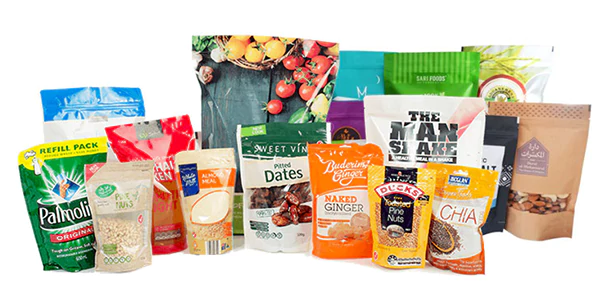
Mylar bags consist of BoPET, a biaxially-oriented polyester film, laminated with a metalized aluminum layer. This unique structure creates a strong barrier against oxygen, moisture, and light, which helps preserve food quality and extend shelf life far better than ordinary plastic bags. BN PACK, a leader in flexible packaging, delivers high-quality, customizable Mylar bags that safeguard food and coffee products while enhancing brand appeal.
What Is Mylar
Chemical Makeup
Mylar refers to a special type of polyester film known as BoPET, or biaxially-oriented polyethylene terephthalate. This material starts as PET, a polymer created by combining terephthalic acid and ethylene glycol. The chemical structure of PET features repeating ester units, which form strong links between the molecules. Manufacturers stretch the PET film in two directions, a process called biaxial orientation. This step aligns the polymer chains, giving the film greater strength and stability.
BoPET stands out because of its unique chemical properties. It resists moisture, oils, and most common solvents. The film absorbs very little water, usually only about 0.3–0.5%. This low moisture absorption helps keep packaged food dry and fresh. BoPET also acts as a strong barrier against gases and aromas, which is essential for preserving the flavor and quality of food and coffee. When manufacturers add a thin layer of aluminum to the film, the barrier properties improve even more, blocking out light, oxygen, and moisture.
Note: The chemical makeup of BoPET gives Mylar bags their strength, flexibility, and excellent protection for sensitive products.
BoPET Explained
BoPET is more than just a plastic film. The manufacturing process begins with drying PET resin to remove moisture. Next, the resin melts and forms thick sheets. These sheets are stretched in both length and width, which orients the molecules and increases the film’s strength. Heat-setting locks the structure in place, making the film stable and durable.
The final BoPET film has several key features:
High tensile strength and durability
Excellent resistance to chemicals and heat (up to 150°C)
Superior barrier properties against gases, moisture, and aromas
Dimensional stability, which means the film keeps its shape
Manufacturers often add special coatings or metallize the film with aluminum. This step creates a shiny, reflective surface and boosts the film’s ability to block out air and light. These qualities make BoPET the material of choice for Mylar bags, especially in food and coffee packaging. The film’s strength, clarity, and barrier properties help protect products and extend shelf life, which is why brands like BN PACK rely on it for their high-quality packaging solutions.
Mylar Bags Structure
Layers and Materials
Mylar Bags use a multi-layered design to protect products from air, moisture, and light. Each layer serves a specific purpose, working together to keep food and coffee fresh for longer periods. The core of these bags is a polyester film called PET, which gives the bag strength and flexibility. Manufacturers add a thin aluminum layer to improve the barrier against oxygen and light. The final layer is a sealant, usually made from polyethylene (PE) or polypropylene (PP), which allows the bag to be heat-sealed for a tight closure.
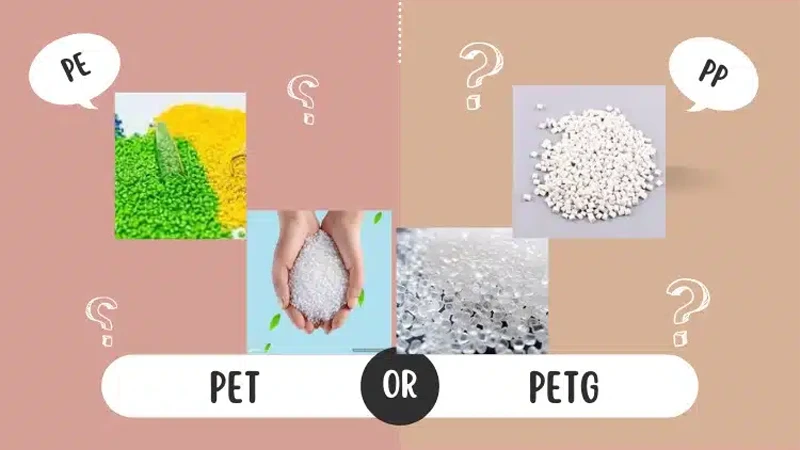
The following table shows the typical layers found in a standard Mylar bag:
Layer | Material(s) | Function/Notes |
|---|---|---|
Core Polyester Film | Polyester film (Polyethylene terephthalate, PET) | Primary barrier against moisture, oxygen, and light to preserve contents. |
Metalized Coating | Aluminum (foil or vapor-deposited thin layer) | Enhances barrier properties against oxygen, moisture, and light; reflective surface. |
Sealant Layer | Heat-sealable materials such as Polyethylene (PE) or Polypropylene (PP) | Ensures secure sealing to maintain freshness and prevent leakage. |
The thickness of each layer affects how well the bag protects its contents. Thicker Mylar Bags provide better resistance to punctures and block more light, moisture, and oxygen. Bags with a thickness of 4.5 mils or more are ideal for long-term storage and sensitive products like coffee beans or dried foods. BN PACK customizes the thickness and number of layers based on the product’s needs, offering extra durability for heavier or fragile items.
Aluminum Coating
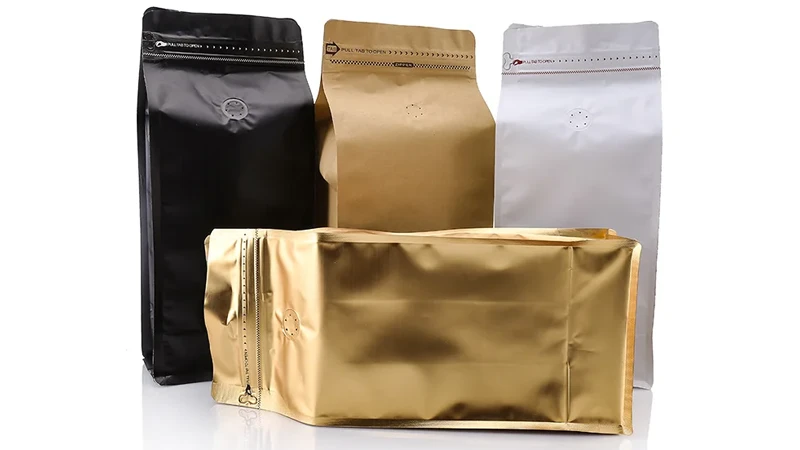
The aluminum coating in Mylar Bags plays a key role in blocking oxygen, moisture, and light. This layer is applied using a process called vapor deposition, which creates a thin but effective metal barrier. The aluminum not only gives the bag its shiny appearance but also reflects light and heat, keeping the contents safe from spoilage.
A thicker aluminum layer means better protection. For example, a 6.0 mil thick bag with a robust aluminum layer offers strong resistance to punctures and tears. This is important for products that need to stay fresh for months, such as coffee, jerky, or freeze-dried meals. BN PACK uses high-barrier materials like aluminum foil and VMPET in its coffee bag lines to ensure low oxygen and moisture transmission rates. These materials help preserve the aroma and flavor of coffee, making them a top choice for specialty brands.
Sealant Features
The sealant layer in Mylar Bags ensures that the bag can be closed tightly and securely. Most bags use heat-sealable materials like PE or PP. When heated, these materials melt and bond together, forming a strong seal that keeps air and moisture out. This airtight seal is essential for maintaining freshness and preventing leaks.
Key sealant features include:
Airtight seals that block moisture, oxygen, and light, extending shelf life.
Resealable zippers that allow repeated opening and closing without losing the airtight barrier.
Options for child-resistant closures, which add safety for products like supplements or edibles.
Compatibility with oxygen absorbers and desiccant packs, which further protect sensitive products.
BN PACK offers advanced sealing options, including zippers, press-to-seal closures, and child-resistant features. Their coffee bags often include one-way degassing valves, which let carbon dioxide escape while keeping oxygen out. This helps maintain coffee freshness after roasting. The company also provides eco-friendly sealant materials, such as compostable zippers, to support sustainability goals.
Note: Proper sealing is crucial for Mylar Bags to work effectively. Using a heat sealer ensures a strong bond, while resealable features add convenience for consumers.
BN PACK’s custom Mylar Bags stand out because they combine strong barrier layers, high-quality aluminum coatings, and advanced sealant features. The company tailors each bag’s structure to fit the product, whether it’s food, coffee, or specialty items. This attention to detail helps brands protect their products and deliver a better experience to customers.
Mylar Bags vs Other Materials
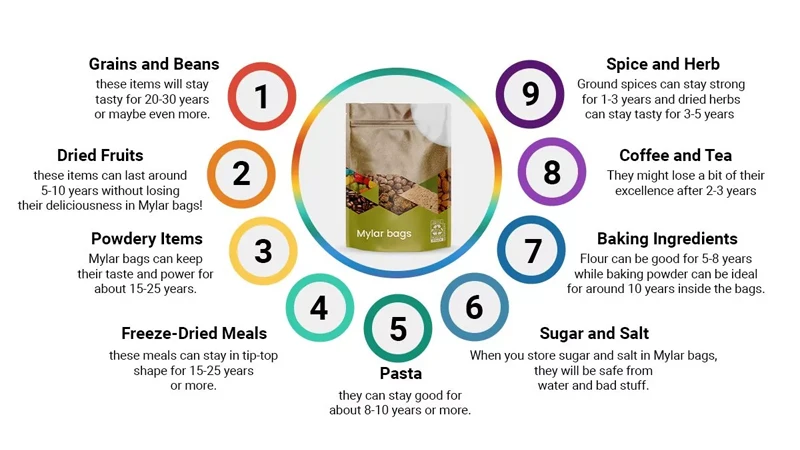
BOPET Comparison
Mylar is a branded form of BoPET, a polyester film known for its strength and barrier properties. Mylar Bags use BoPET as their main material, often with a metalized aluminum layer. This combination gives them excellent protection against moisture, oxygen, and light. Other forms of BOPET, such as those used in basic plastic packaging, do not offer the same level of protection. Mylar Bags stand out because they are stronger and more durable, making them ideal for long-term storage. While some packaging uses PCR plastics for better recyclability, these materials do not match the barrier performance of Mylar. The table below compares Mylar Bags to rigid packaging:
Aspect | Mylar Bags | Rigid Packaging |
|---|---|---|
Barrier Properties | Excellent barrier against moisture, oxygen, light | Limited barrier; mainly physical protection |
Durability | High puncture and tear resistance | Superior impact protection; rigid and sturdy |
Material Type | Flexible BoPET with aluminum foil | Paperboard, metal, glass, rigid plastics |
Versatility | Highly customizable and flexible | Less flexible; fixed shapes |
Weight | Lightweight | Heavier |
Aluminum Foil Comparison
Aluminum foil bags and Mylar Bags both protect food from air and moisture. However, they differ in structure and performance. Mylar Bags use laminated layers, including BoPET and aluminum foil, which creates a strong, flexible barrier. Aluminum foil bags are usually single-layer and heavier. They block light completely but are less flexible and cannot be heat-sealed without extra layers. Mylar Bags can be heat-sealed easily and offer better puncture resistance. The thickness of the bag and the type of aluminum used affect how well it protects food. Thicker Mylar Bags with true aluminum foil layers provide the best long-term storage. Oxygen absorbers work well with Mylar Bags, helping to keep food fresh for months.
Mylar Bags are lightweight, flexible, and easy to seal.
Aluminum foil bags are heavier, less flexible, and need extra layers for sealing.
Both types block light, but Mylar Bags offer better usability and durability for most food storage needs.
Common Misconceptions
Many people misunderstand how Mylar Bags work. The table below clears up some common myths:
Common Misconceptions About Mylar Bags | Actual Properties and Clarifications |
|---|---|
Mylar bags must look vacuum-packed to confirm oxygen removal | Vacuum appearance is not a reliable indicator; oxygen removal is confirmed by proper sealing and oxygen absorbers. |
Thicker Mylar bags provide better oxygen protection | Thickness mainly affects physical strength; oxygen barrier depends on multiple layers, not just thickness. |
Mylar bags are metal and prone to leaks or pinholes that compromise barrier properties | Mylar is a polyester film with a metalized aluminum layer; pinholes are normal, very small, and do not significantly affect oxygen/moisture barrier. |
Failing the flashlight test means the bag is defective | Seeing pinholes with a flashlight is normal; pinholes represent less than 0.01% of bag area and have negligible effect on preservation. |
Mylar bags are the same as aluminum foil bags | Mylar bags have multiple layers including polyester and metalized layers, differing in composition and performance from pure aluminum foil. |
Note: Mylar Bags do not need to look vacuum-packed to be effective. Proper sealing and the use of oxygen absorbers ensure food stays fresh. Pinholes are normal and do not affect the bag’s ability to protect its contents.
Benefits for Food and Coffee
Barrier Protection
Mylar Bags provide outstanding protection for food and coffee. Their multi-layer structure blocks moisture, oxygen, and light. This barrier keeps out elements that cause spoilage and flavor loss. Scientific studies show that Mylar Bags, especially when paired with oxygen absorbers, extend the shelf life of dry foods and coffee. The aluminum layer acts as a shield, reflecting light and preventing air from reaching the contents. The table below shows how well these bags perform compared to other packaging materials:
Packaging Material Type | Oxygen Transmission Rate (OTR) | Moisture Transmission Rate |
|---|---|---|
Vacuum Aluminized Films (Mylar Bags) | Below 3 cc/m²/day | Below 2 g/m²/day |
These low rates mean that food and coffee stay fresh for months or even years.
Freshness and Safety
Mylar Bags help maintain the freshness and safety of stored products. Their airtight seal blocks gases and odors, keeping flavors locked inside. Some bags use activated carbon to trap unwanted smells, which helps preserve aroma and taste. Industry experience shows that roasted coffee beans stored in Mylar Bags can stay fresh much longer, especially when frozen. The bags also resist punctures and tears, which protects food from contamination. Compared to rigid packaging, Mylar Bags offer better protection against moisture and oxygen. They can include resealable and child-resistant features, adding another layer of safety for families.
Tip: Always use dry foods and add oxygen absorbers or desiccants for best results.
BN PACK Coffee Bag Advantages
BN PACK coffee bags stand out for their quality and innovation. They use strong, tear-resistant materials like kraft paper, foil, and plastic. Airtight seals and zip locks keep out moisture, air, and light. One-way valves let gases escape while blocking air, which helps maintain coffee aroma and flavor. BN PACK offers many customization options, such as resealable zippers, freshness valves, and branding designs. Eco-friendly choices include recyclable, biodegradable, and compostable materials. Kraft Paper Mylar Bags combine barrier protection with sustainability, breaking down naturally within months. BN PACK’s advanced technology ensures every bag meets high standards for freshness, safety, and environmental responsibility.
Mylar Bags combine a PET polyester film with a thin aluminum layer, creating a strong barrier against oxygen, moisture, and light. This structure keeps food and coffee fresh, preserves aroma, and extends shelf life.
They resist punctures and odors, making them ideal for coffee, grains, and dry foods.
BN PACK offers customizable sizes, thicknesses, and closures, ensuring the right fit for every product.
Choose BN PACK for reliable, high-quality packaging that protects and promotes your brand.
FAQ
What makes Mylar bags better for food storage than regular plastic bags?
Mylar bags use multiple layers, including a metalized barrier, to block oxygen, moisture, and light. Regular plastic bags do not offer the same level of protection. Mylar bags help keep food fresh much longer.
Can Mylar bags be reused after opening?
Yes, people can reuse Mylar bags if they remain undamaged. Clean the bag thoroughly and reseal it with a heat sealer. Resealable zippers make repeated use easier.
Are Mylar bags safe for storing all types of food?
Mylar bags from trusted brands like BN PACK use food-grade materials. They are safe for dry foods, coffee, snacks, and even supplements. Avoid using them for liquids unless the bag is designed for that purpose.
How should people seal Mylar bags for best results?
A heat sealer creates the strongest, most reliable seal. Some bags include resealable zippers for convenience. For long-term storage, always use a heat sealer and add oxygen absorbers.
Do Mylar bags help with odor control?
Yes, Mylar bags block most odors from escaping. The aluminum layer acts as a barrier to both smells and gases. This feature helps preserve the aroma of coffee and other foods.