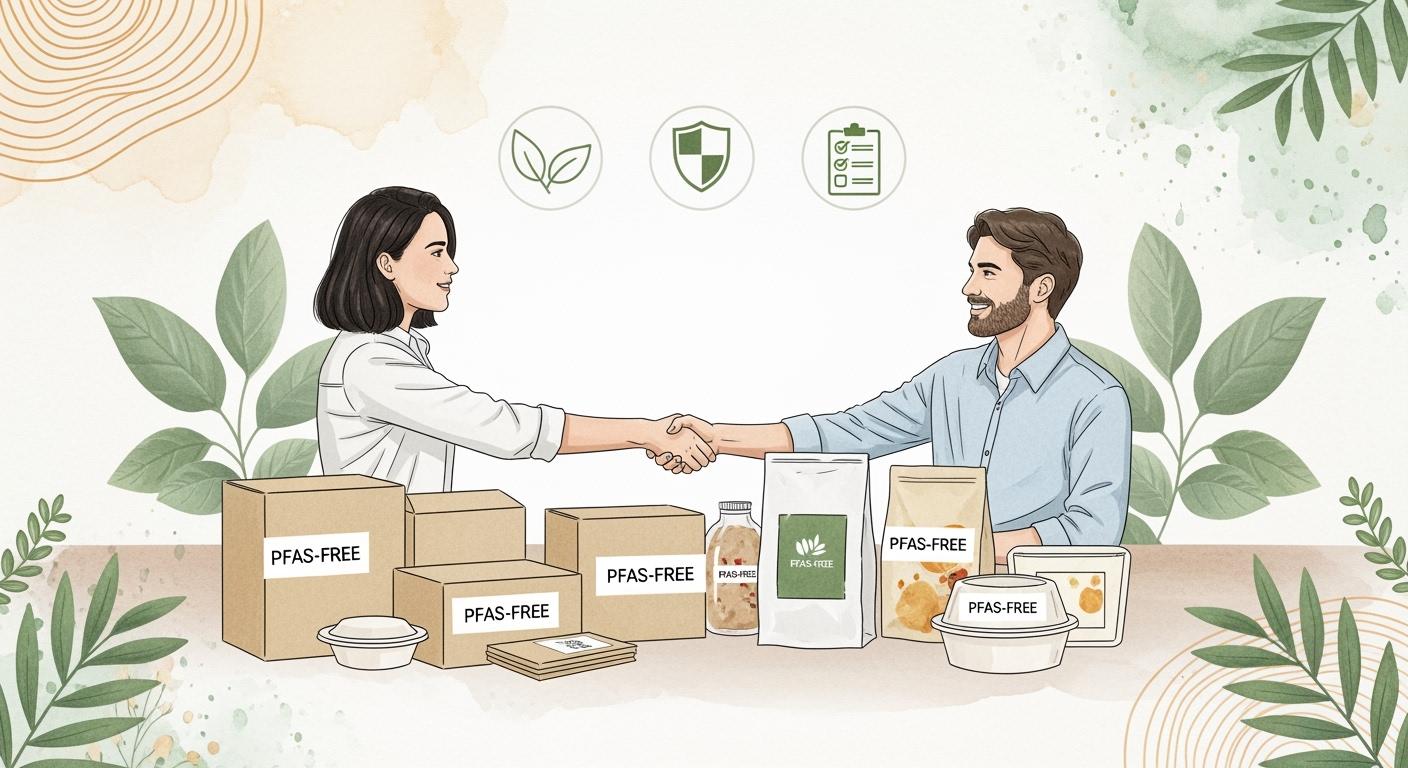
You have more pressure now to keep your customers safe from the dangers of pfas in food packaging. New studies show that more people know about health risks like cancer and problems with the immune system from these chemicals. Because of this, more people want pfas-free food packaging. This makes packaging safety very important for your brand’s reputation. You need clear answers from your suppliers. BN PACK supports you and puts safety and honesty first.
Key Questions for PFAS-Free Food Packaging Suppliers
Essential Supplier Questions
When you want pfas-free food packaging, you should ask your suppliers some important questions. These questions help you keep your customers safe and protect your brand. Here are some questions you need to ask:
Do your packaging materials contain any PFAS chemicals?
This is the first question you should ask. You want your supplier to say “no” clearly.Can you provide documentation or test reports that prove your packaging is PFAS-free?
Good suppliers will have lab results or certificates they can show you.What steps do you take to ensure your packaging stays PFAS-free during production?
This question helps you know if the supplier checks their process and keeps out contamination.Which materials do you use for your food packaging pouches?
Some materials might have PFAS. If you know the materials, you can make better choices.Are your products certified by third-party organizations for food safety and PFAS-free claims?
Certifications from trusted groups make your choice safer.How often do you test your packaging for PFAS?
If the supplier tests often, it means they care about safety all the time.
Tip: Always ask for proof. Do not just believe what someone says. Written reports and certificates help keep your brand safe.
BN PACK’s Approach to Supplier Transparency
You should get clear answers from your packaging supplier. At BN PACK, you always know what is happening at every step. The team tells you about all the materials in your food packaging pouches. You can ask for test reports and certificates whenever you want. BN PACK only uses trusted suppliers and checks every batch to make sure it is safe.
BN PACK follows strict rules for talking with you. You get news about your order and the materials used. The company’s ISO9001 and BRC certifications show they care about quality and safety. If you have questions about pfas-free food packaging, BN PACK gives you honest and clear answers. You can trust your packaging is safe and meets high standards.
Why PFAS in Food Packaging Matters
Health and Environmental Risks
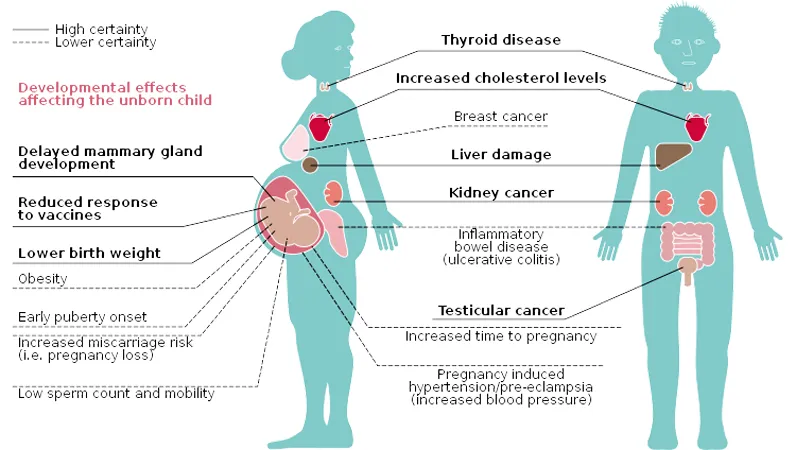
It is important to know why PFAS in food packaging is dangerous. PFAS can cause big health problems. Scientists say PFAS can lead to cancer, hormone changes, and weak immune systems. Look at the table below to see the risks:
Health Effect | Description |
|---|---|
Cancer | Higher risk of prostate, kidney, and testicular cancers |
Reproductive | Decreased fertility, high blood pressure in pregnancy |
Developmental | Delays in children, low birth weight, early puberty |
Immune System | Lower ability to fight infections, weaker vaccine response |
Cholesterol | Changed cholesterol levels |
Thyroid | Disrupted thyroid function |
PFAS can hurt people of any age. Kids are at more risk because they are still growing. PFAS also harms the environment. These chemicals do not break down. They stay in the ground, water, and air for a long time. PFAS from packaging can pollute places when made or thrown away. Plants like lettuce and tomatoes can take in PFAS from dirty soil. This means PFAS can get into our food.
Regulatory Trends and Brand Impact
You need to follow new rules for food packaging to keep it safe. Many countries now ban or limit PFAS in packaging. The table below shows some new rules:
Region | Regulatory Action | Details |
|---|---|---|
EU | Proposal to ban PFAS | ECHA proposed a ban on all PFAS fitting the OECD definition in 2023 |
EU | Packaging and Packaging Waste Regulation | Sets PFAS limits for food-contact packaging, effective February 2025 |
Denmark | Partial Ban | Ban on PFAS in clothing and footwear starts July 2026 |
More US states are banning PFAS in food packaging. These rules make brands like BN PACK change materials and test more. You have to follow different rules in each place. You need to stop using PFAS fast and be open about your supply chain. You spend more time and money on testing and paperwork. Digital tools help you watch data and check quality right away. Keeping up with these changes keeps your brand strong and your customers safe.
What PFAS-Free Means for Food-Contact Packaging
Defining PFAS-Free
It is important to know what PFAS-free means for food-contact packaging. PFAS stands for per- and polyfluoroalkyl substances. These chemicals help packaging resist grease and water. PFAS-free packaging does not use these chemicals at any time. When you pick packaging without PFAS, you keep your customers safe. PFAS-free means there is no PFAS in the materials, coatings, or during making.
You need to make sure your supplier uses safe materials. Ask for proof that the packaging meets PFAS-free rules. BN PACK gives you choices with trusted materials like Mylar, Kraft paper, and recyclable plastics. These materials help keep your food safe and fresh. You can count on BN PACK to give you packaging that follows strict safety rules.
Tip: Always ask your supplier for test reports and certificates. This helps you make sure your food-contact packaging is really PFAS-free.
Common Sources in Packaging Materials
PFAS can be found in many food-contact materials. You should know where these chemicals are often used. Here are some common places:
Grease-resistant paper and paperboard
Certain molded fiber products
Different types of food wrappers
Microwave popcorn bags
Pizza boxes
Food processing equipment
Inside coatings of milk cartons for leaks
You should stay away from these materials if you want safe food-contact packaging. BN PACK uses materials that do not need PFAS for protection. You can pick Kraft paper, high-barrier plastics, or aluminum foil. These choices help you follow safety rules and keep your brand safe.
BN PACK gives you clear facts about every material used. You get packaging that keeps food fresh and safe without PFAS. You can trust BN PACK to give you safe and strong food-contact materials for your products.
Verifying PFAS-Free Claims from Suppliers
Certifications and Standards
You should check certifications to make sure PFAS-free claims are true. Certifications mean suppliers follow important safety rules for packaging. Here are some certifications you should know:
TÜV Home Compostable certification shows the product can break down naturally.
SGS-certified as PFAS-free means the product does not have PFAS.
GreenScreen Certified® Standard for Food Service Ware checks single-use food-contact materials for PFAS and safer choices.
These certifications help you trust your supplier follows the rules. Always ask your supplier to show proof of these certifications.
Third-Party Testing and Documentation
Testing is the best way to check PFAS-free claims. You should ask for lab reports from outside testing labs. These reports show if there is PFAS in food packaging. Testing uses methods like total organic fluorine (TOF) to find PFAS. Some tests show there is no PFAS above certain limits. You can see the rules in the table below:
Certification Type | Criteria |
|---|---|
PFAS Free | No PFAS added on purpose, no TOF above lab limits, no Targeted PFAS Compounds above 25ppb |
Made without PFAS | No PFAS added on purpose, very low total fluorine levels |
Level 1 | Less than 100 ppm TOF |
Level 2 | Less than 50 ppm TOF |
Testing is important in legal cases about PFAS in food packaging. TOF testing can show if there is PFAS in food-contact materials, but it may not name the exact PFAS. You should ask for clear lab reports and certificates.
Contracts with suppliers and vendors must talk about PFAS reporting rules. You need proof from suppliers that all food-contact materials are PFAS free.
BN PACK’s Quality Assurance Practices
BN PACK uses strong quality checks to keep your food-contact packaging safe. The company has ISO9001 and BRC certifications. These certifications show BN PACK meets high safety standards and follows food packaging rules. BN PACK keeps good records and helps with audits and checks. You can ask for paperwork any time. The team tests every batch often to make sure there is no PFAS in food packaging. You get packaging that meets world safety rules and keeps your customers safe.
Red Flags and Misleading Terms in PFAS-Free Packaging
Greenwashing and Vague Claims
You need to be careful about greenwashing with PFAS-free packaging. Greenwashing is when companies try to look safer or greener than they are. Some suppliers use words like “eco-friendly,” “green,” or “natural” but do not show proof. Sometimes, packaging says PFAS-free but still has fluorine. You should check if the supplier uses real fluorine-free materials.
Here are some signs of greenwashing:
Vague Claims: Suppliers say “natural” or “safe” but do not show test results.
Imagery and Symbols: They use leaves, flowers, or green colors to look safe.
Irrelevant Claims: Suppliers talk about one good thing but ignore bigger problems.
Lesser of Two Evils: They say their product is better but still use bad materials.
Hidden Trade-offs: They talk about one good thing and hide the bad things.
Lack of Proof: They make claims but do not have third-party certificates or lab reports.
You should watch for these tricks and ask for real proof. BN PACK always gives you test reports and certificates.
Misleading Terms Used by Suppliers |
|---|
Safe and comfortable |
We hold ourselves to the highest quality standards |
Full of what’s good for you, free of harsh chemicals |
All the flavors you crave without the ingredients you don’t |
Ingredients sourced from nature |
100% Natural |
Feel good about what’s in this bottle |
Working toward a sustainable future |
Good for you and good for the planet |
Tip: If you see these words and no proof, ask for more facts. Do not trust claims that are not clear.
Lack of Documentation
You should always ask your supplier for real documents. Some suppliers do not give lab reports or certificates. Others say their papers are private. Without proof, you cannot know if the packaging is really PFAS-free. This can put your brand in danger.
Risk Type | Implication |
|---|---|
Regulatory Non-compliance | Can lead to fines and legal repercussions |
Forced Recalls | May result in significant financial losses |
Litigation | Involves legal costs and potential settlements |
Brand Reputation | Damage to trust and market share |
If you do not get clear papers, you could get fined or lose customers. BN PACK always gives full documents and test reports. You can check every batch and stay safe. Ask your supplier for certificates and lab results every time you order.
Note: Good documents protect your brand and keep your customers safe. BN PACK always does this to help you.
PFAS-Free Packaging Checklist for Brands
Picking safe packaging keeps your customers safe. It also protects your brand. You need a simple checklist to find the best supplier. BN PACK uses this method to make sure food-contact materials are safe.
Supplier Questions
Ask these questions when you talk to your supplier. This helps you get pfas-free food packaging.
Can you show PFAS-Free certification reports from trusted labs?
Does your packaging have compostability certificates like EN13432 or ASTM D6400?
What is your Minimum Order Quantity and how fast is your production?
Do you offer options like printing, embossing, or food-safe inks?
Can you share your export experience and compliance certificates for strict markets?
Tip: Always ask for real papers and certificates. This keeps your brand safe from risks.
Verification Steps
Follow these steps to check your supplier and their packaging.
Check if the supplier can give PFAS-free design materials. Ask for proof that their products do not have PFAS.
Test the materials using strict rules. Make sure the packaging meets PFAS standards.
Add rules to your contracts that require PFAS-free materials. This keeps your brand safe from legal trouble.
Step | Action |
|---|---|
Supplier Evaluation | Ask for PFAS-free documents |
Material Testing | Use lab tests for PFAS standards |
Contract Review | Add PFAS-free rules to agreements |
You can use BN PACK’s checklist as a guide. The company always gives clear answers, test reports, and certificates. This helps you follow rules and keeps your customers safe.
You keep your customers safe when you pick PFAS-free food packaging. This also helps your brand look good. Here are some important things to remember:
PFAS-free packaging helps keep food safe and is better for the planet.
Talking with your supplier often helps you get clear papers and certificates.
Checking your packaging often helps you follow new rules.
First, find PFAS-free packaging that has certificates. Always check what your supplier says and test the packaging. Use the checklist to help you make good choices. You can trust BN PACK to give you safe and strong packaging that works for you.