
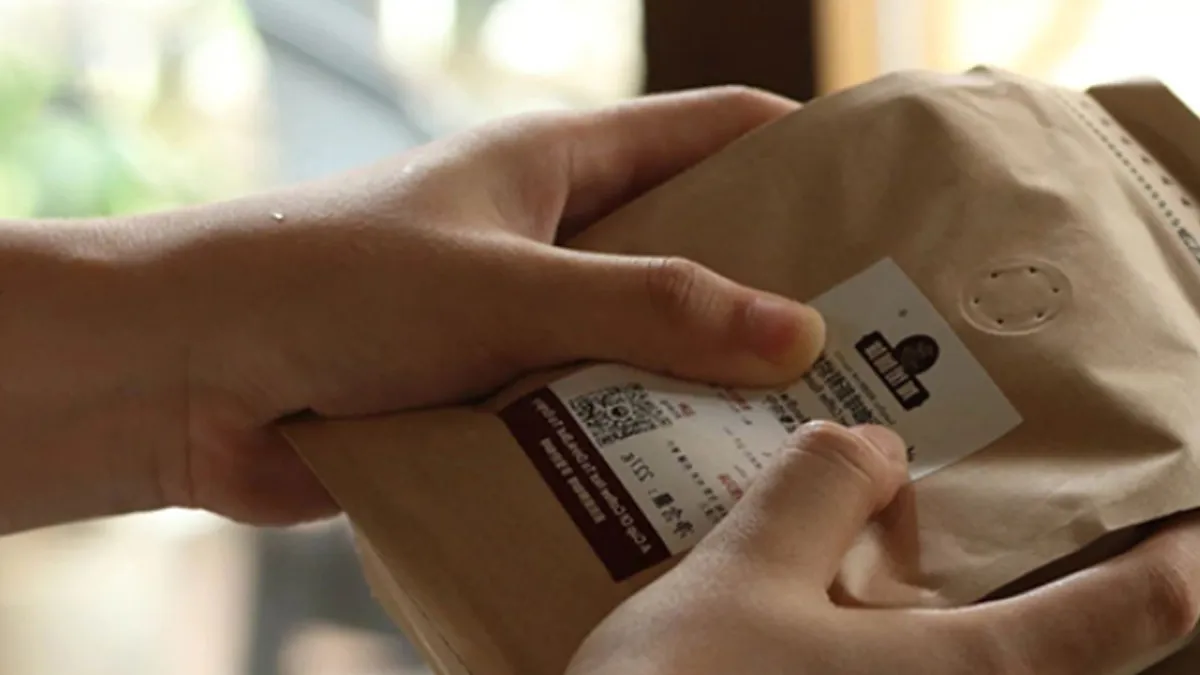
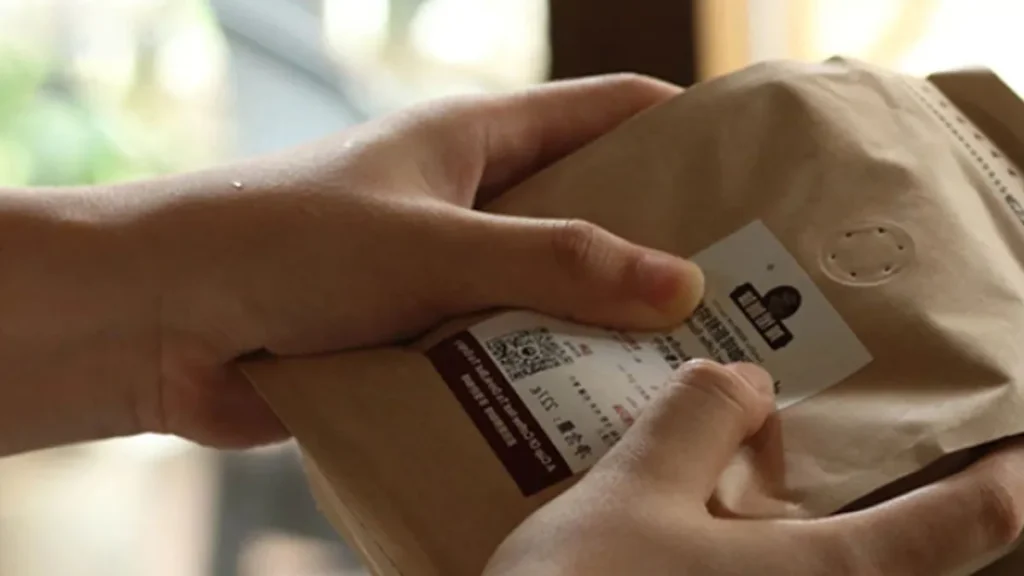
You should not squeeze air out of coffee bags if they have a one-way valve. Freshly roasted coffee beans release carbon dioxide, which causes the bags to puff up. The valve allows this gas to escape while preventing oxygen from entering. This helps keep your coffee fresh. If you squeeze air out, you might accidentally force oxygen inside, which can make your coffee go stale faster and lose its aroma. Studies show that air exposure can quickly reduce important aroma compounds. Proper packaging helps preserve your coffee’s flavor.
Key Takeaways
- Keep coffee bags with one-way valves puffy. The puffiness means the bag is working. It lets carbon dioxide out. It keeps oxygen from getting in. This helps keep coffee fresh.
- If you squeeze air out, you might push oxygen inside. Oxygen makes coffee go stale faster. It also makes coffee lose its smell.
- Store coffee in a cool, dark place. Use airtight and opaque containers after opening. This helps protect the flavor and freshness.
- Whole coffee beans stay fresh longer than ground coffee. Grind beans right before brewing for the best taste.
- Only squeeze air out if you move coffee to a truly airtight container or freeze it. Otherwise, trust the packaging to keep your coffee fresh.
Squeeze Air or Leave Puffy?
What Experts Say
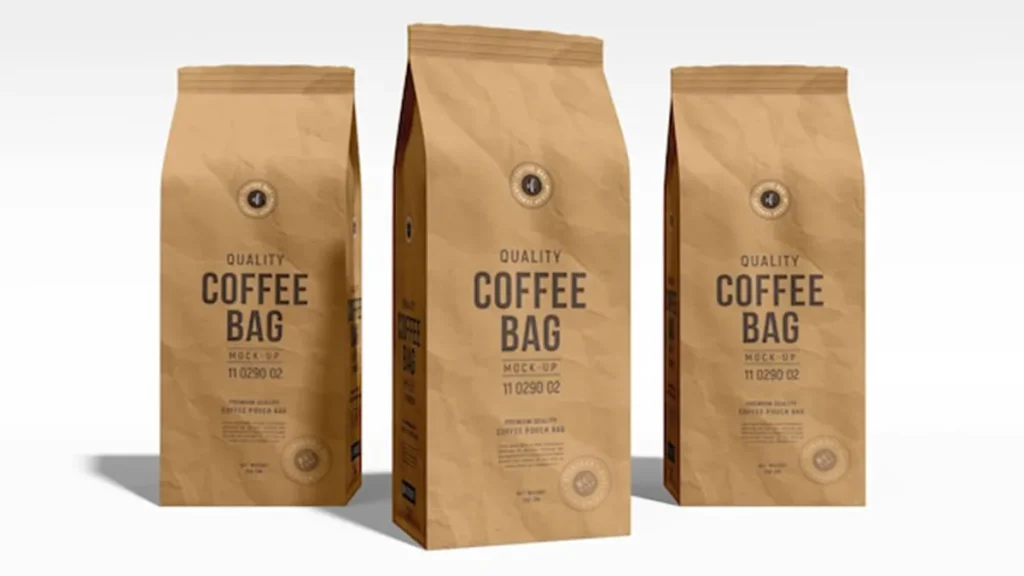
Coffee professionals agree that you should not squeeze air out of coffee bags if the bag has a one-way valve. This valve lets carbon dioxide escape but blocks oxygen from getting in. Oxygen can make your coffee stale and dull. When you squeeze air out of a bag, you risk pushing oxygen inside. This can speed up the loss of flavor and aroma.
Tip: If your coffee bag has a one-way valve, leave it puffy. The puffiness shows that the bag is working as designed.
Experts also point out that squeezing air out of a bag does not make your coffee last longer. In fact, it can do the opposite. You want to keep oxygen away from your beans for as long as possible. The best way to do this is to trust the packaging and avoid squeezing the bag.
Why Bags Get Puffy
You might wonder why coffee bags puff up in the first place. The answer lies in the science of roasting. When coffee beans roast, they change inside. The heat makes the beans expand and form a honeycomb-like structure. This structure has tiny pores, about the width of a human hair. These pores trap gases, mostly carbon dioxide, inside the bean.
- During roasting, the beans become up to 60% more porous.
- The trapped carbon dioxide can make up about 1% of the bean’s mass, especially in dark roasts.
- Gas escapes from the beans in two ways:
- Fast flow through cracks and open pores.
- Slow movement through the bean’s porous network.
The bag puffs up because the trapped gas leaves the beans and fills the space inside the sealed bag. If you squeeze air out of the bag, you might force oxygen in, which can harm the coffee. Grinding the beans breaks the porous structure and causes even faster gas loss. Storing beans at cooler temperatures slows down this process and helps keep your coffee fresh.
Note: The puffiness of a coffee bag is a sign of freshness. It means the beans are still releasing carbon dioxide, which helps protect the flavor.
If you want the best taste, avoid the urge to squeeze air out of your coffee bag. Let the bag stay puffy until you are ready to open it. This simple step helps keep your coffee tasting great.
Coffee Freshness Science
CO2 and Degassing
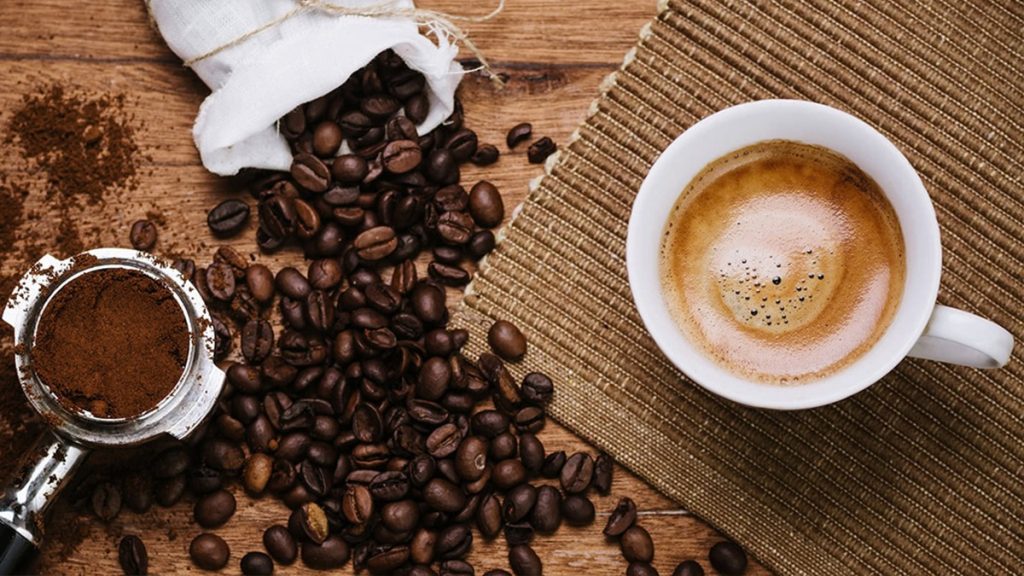
When you roast coffee beans, they trap carbon dioxide (CO2) inside. This gas slowly escapes from the beans in a process called degassing. Freshly roasted coffee can release up to 10 milliliters of CO2 per gram, but most beans release about 2–5 milliliters per gram. The rate of CO2 release depends on how you roast and grind the beans. If you grind coffee, you speed up the release of CO2. Whole beans hold onto their gas much longer.
| Factor | Effect on CO2 Release |
|---|---|
| Roast temperature | Higher temperature = faster release |
| Grind size | Finer grind = more CO2 lost quickly |
| Bean type | Dark roast = more CO2 than medium |
| Storage time | Longer storage = less CO2 remains |
Scientific studies use special tools to measure how much CO2 leaves the beans. These studies help coffee companies design better packaging to keep your coffee fresh and prevent bags from bursting.
Tip: A puffy coffee bag means your beans are still releasing CO2, which helps protect flavor.
Oxygen and Staling
Oxygen is the enemy of fresh coffee. When oxygen gets into your coffee bag, it starts a process called oxidation. This makes your coffee taste flat and stale. Lab tests show that if oxygen levels go above 5%, coffee loses its freshness in just a few days. Keeping oxygen below 3% helps preserve the taste.
Ground coffee stales faster than whole beans because it has more surface area for oxygen to attack. Studies show that free radicals and other chemicals increase as coffee sits in air, especially in ground coffee. Packages with poor seals let in more oxygen, which speeds up staling and aroma loss.
One-Way Valve Role
The one-way valve on your coffee bag plays a key role in keeping your coffee fresh. This small valve lets CO2 escape but blocks oxygen and moisture from getting in. Here’s how it helps:
- Lets carbon dioxide out, so the bag does not burst.
- Keeps oxygen and moisture out, stopping staleness and mold.
- Maintains the shape of the bag and preserves aroma.
Research shows that these valves are essential for good coffee packaging. They allow companies to seal coffee right after roasting, locking in flavor and freshness. When you see a puffy bag with a valve, you know your coffee is protected from oxygen and ready to taste great.
Effects When You Squeeze Air
Oxygen Exposure Risks
When you squeeze air out of a coffee bag, you might think you are protecting your beans. In reality, you can push oxygen into the bag. Oxygen is not your friend when it comes to coffee freshness. It speeds up staling and makes your coffee taste flat. Scientists use special tools to measure how oxygen changes coffee. They found that even a small amount of oxygen can cause big changes in flavor. If you squeeze air from a bag with a one-way valve, you risk breaking the seal and letting in more oxygen. This can ruin the careful balance that keeps your coffee fresh.
Tip: Always check if your bag has a one-way valve. If it does, let the bag stay puffy.
Aroma Loss
Fresh coffee smells amazing because of special aroma compounds. When you squeeze air out of the bag, you can force these aromas out as well. Studies show that oxygen exposure causes a fast drop in these important compounds. Scientists use chromatographic profiling to track how aroma changes. They found that:
- Volatile compounds drop by more than 20% when exposed to oxygen.
- The ratio of certain chemicals, like 2-methylfuran to 2-butanone, falls as coffee loses freshness.
- Freshness-related aromas, such as sulphurous compounds and pyrazines, disappear quickly with more oxygen.
If you notice the smell escaping when you squeeze air, you are actually losing the best part of your coffee.
When Squeezing Air Makes Sense
Sometimes, squeezing air out of a coffee bag can help. If you have already opened the bag and plan to store the beans in an airtight container, removing extra air can slow down oxidation. Vacuum sealing or flushing with nitrogen can also help keep your coffee fresh for longer. Some coffee types, like dark roasts, release more gas and can make bags swell. In these cases, you might need to open the bag and squeeze air out before resealing or freezing. Just remember:
- Do not squeeze air too hard or you might damage the bag.
- Vacuum sealing works best when you plan to freeze your coffee.
- Tightly packing beans in a container reduces air space and helps keep flavor locked in.
Note: Squeeze air only when you move beans to a truly airtight container or plan to freeze them. For most bags with a valve, leave them puffy.
Home Storage Tips
With Valve Bags
Valve bags help you keep your coffee fresh. These bags use a one-way valve that lets carbon dioxide escape but blocks oxygen from getting in. This design protects your coffee from staling. Many companies use foil-lined, airtight, and opaque bags to shield beans from air, moisture, and light. Some even flush the bags with nitrogen to push out oxygen, which slows down oxidation and keeps your coffee tasting good for months. If your bag has a valve, store it in a cool, dark place. Avoid direct sunlight and heat. You do not need to squeeze the air out. The puffiness means the valve is working.
Tip: Use the original valve bag until you open it. After opening, reseal it tightly or transfer the beans to an airtight container.
After Opening
Once you open your coffee bag, oxygen can get inside and start to break down the flavor. You should always reseal the bag tightly. For best results, move your beans to an airtight, opaque container. Store this container in a cool, dark spot, like a pantry or cupboard. Lower temperatures slow down the loss of aroma and flavor. Research shows that beans stored at 41°F (5°C) keep their taste and smell much longer than those kept at room temperature. If you want to keep coffee fresh for months, you can freeze it. Freezing slows down the release of gases and protects flavor, but only if you use a truly airtight container.
- Reseal bags tightly after each use.
- Use airtight, opaque containers for longer storage.
- Store in a cool, dark place or freeze for long-term freshness.
Whole Beans vs. Ground
Whole beans stay fresh much longer than ground coffee. Grinding increases the surface area, which lets oxygen and moisture in faster. This speeds up staling and aroma loss. Studies show that ground coffee can lose its best flavors within minutes to an hour. Whole beans, on the other hand, keep their flavor for weeks if stored well.
| Coffee Form | Stays Fresh For | Best Storage Method |
|---|---|---|
| Whole Beans | 2–4 weeks (pantry) | Airtight, opaque container |
| Ground Coffee | Minutes to days | Airtight, opaque container |
Note: Grind your beans just before brewing to enjoy the freshest cup possible.
You should leave coffee bags puffy if they have a one-way valve. Only squeeze air out when you move beans to an airtight container or plan to freeze them. Oxygen and light can make your coffee stale. Protect your beans by following these tips:
- Store coffee in a cool, dark place.
- Use airtight, opaque containers.
- Grind beans just before brewing.
Fresh coffee tastes best when you keep out air and light.
FAQ
Should you store coffee in the fridge?
You should not store coffee in the fridge. Moisture and odors can get into the beans and ruin the flavor. Store your coffee in a cool, dry place instead.
Can you reuse a coffee bag for storage?
You can reuse a coffee bag if it has a working one-way valve and seals tightly. Make sure the bag is clean and dry before adding new beans.
How long does coffee stay fresh after opening?
Coffee stays fresh for about two weeks after opening if you keep it in an airtight, opaque container. Whole beans last longer than ground coffee.
Is it safe to freeze coffee beans?
You can freeze coffee beans to keep them fresh for months. Use an airtight container and only take out what you need. Do not refreeze beans once thawed.
What does it mean if your coffee bag is flat?
A flat coffee bag means most of the carbon dioxide has escaped. The beans may not be as fresh. Look for puffy bags with a one-way valve for the best flavor.