

Walk through the door of any great coffee shop, and it’s the first thing that greets you. It’s a scent that’s simultaneously comforting and invigorating, a rich and complex perfume that promises warmth, energy, and craftsmanship. This powerful café aroma is more than just a pleasant smell; it’s coffee’s first and most compelling impression. It’s an invitation, a universal signal that a quality experience is about to unfold.
But what are we actually smelling? The captivating coffee aroma is not a single entity. It is a deeply complex tapestry woven from hundreds of different volatile chemical compounds, each contributing a unique note to the final, harmonious whole. This aromatic profile is a direct reflection of the coffee’s entire life story—from the soil it grew in and the hands that harvested it, to the masterful transformation in the roaster and the final moments of brewing. For a coffee professional, understanding this aroma is like learning a new language, one that speaks volumes about a coffee’s quality, freshness, and character.
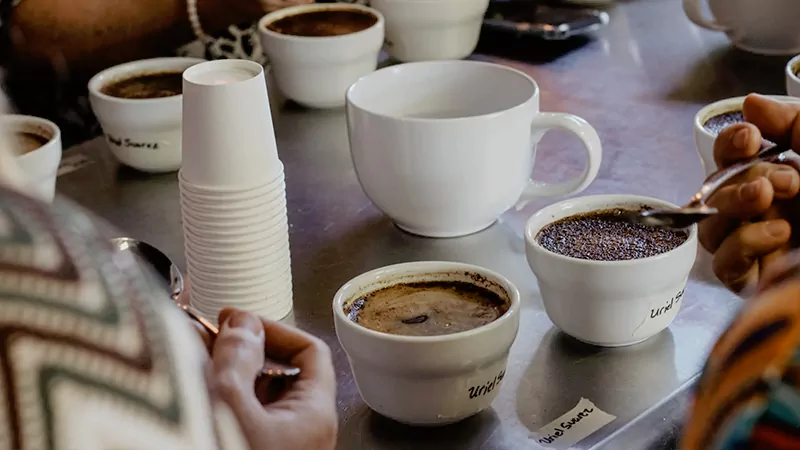
So, what is the aroma of coffee? In scientific terms, it is the sensory experience created when hundreds of volatile organic compounds (VOCs) are released from the coffee bean and detected by our olfactory system. These microscopic molecules are the carriers of scent, the building blocks of flavor, and the primary indicators of a truly exceptional coffee.
The Science of Scent: Decoding Coffee’s Aromatic Compounds
To understand what affects coffee’s aroma, we must first understand what it is made of. The scent we perceive is created by Volatile Aromatic Compounds, or VOCs. The term “volatile” simply means these microscopic molecules easily evaporate from the coffee (whether as a bean or a liquid) and travel through the air. When they enter our nasal passages, they bind to olfactory receptors, sending signals to our brain that we interpret as specific smells.
The sheer complexity of coffee’s aroma is staggering. Scientists have identified nearly 1,000 different VOCs in roasted coffee, making it one of the most aromatically complex beverages in the world. This vast chemical library is what creates the rich and varied scent profiles we experience, from the deep notes of chocolate and nuts to the delicate hints of jasmine and citrus.
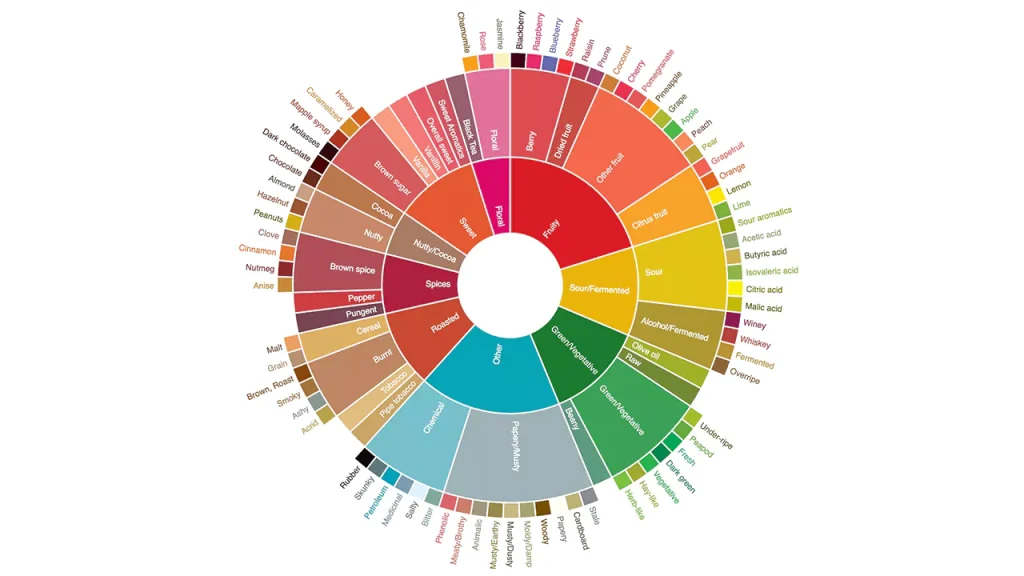
With such immense complexity, how do professionals even begin to describe what they are smelling? The industry standard is the Specialty Coffee Association (SCA) Coffee Flavor Wheel. This essential tool organizes the vast world of coffee aromas into logical categories, moving from general descriptions at the center (e.g., “Fruity”) to more specific categories in the outer rings (e.g., “Berry,” then “Blackberry”). It provides a shared vocabulary for roasters, baristas, and tasters to accurately identify and communicate the nuances of a coffee’s profile.
To identify the individual compounds that make up these scents, scientists use highly sophisticated laboratory techniques. Processes conceptually similar to coffee distillation, such as gas chromatography and mass spectrometry, allow them to separate a coffee’s vapor into its individual molecular components. This is how we know, for example, that the compound 2-furfurylthiol is a major contributor to that classic “roasty” coffee smell, while beta-damascenone can give a coffee a floral, tea-like note.
The Foundation: How Origin and Processing Set the Stage for Aroma
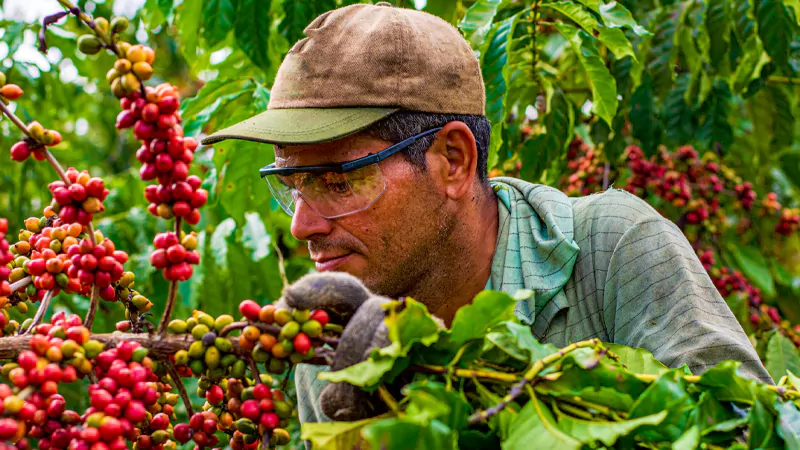
The incredible aromatic potential of coffee is not created out of thin air in the roaster. Rather, the roaster’s job is to unlock and transform the latent potential that has been carefully developed within the green bean since it was a flower on a tree. This potential exists in the form of “aroma precursors”—the specific combination of sugars, amino acids, organic acids, and other chemical compounds within the green coffee. The quality and complexity of these precursors are the raw ingredients of aroma, and they are fundamentally shaped by three key factors at origin.
Terroir: The Influence of Place
The concept of terroir, borrowed from the world of wine, refers to the complete natural environment in which a coffee is grown. Soil composition, climate, rainfall, sunlight, and especially altitude, all play a crucial role. For example, coffee grown at high altitudes matures more slowly, resulting in a denser bean with a higher concentration of the complex sugars and organic acids that lead to bright, floral, and citrusy aromas. The specific nutrients in the soil can also influence the development of the amino acids necessary for creating savory and nutty notes during roasting.
Varietal: The Genetic Blueprint
Just as different grape varietals produce distinctly different wines, coffee varietals have their own unique genetic blueprints for flavor and aroma. The Gesha varietal, for instance, is world-renowned for its intense and delicate aromatic profile of jasmine, bergamot, and ripe stone fruit. A Bourbon varietal, on the other hand, might have precursors that lead to a sweeter, more balanced cup with notes of caramel and chocolate. The choice of which varietal to plant is the first and most fundamental decision a producer makes in defining the coffee’s aromatic destiny.
Processing: The First Flavor Transformation
After the coffee cherries are picked, the processing method used to remove the fruit and dry the beans has a profound impact on the final set of aroma precursors.
Washed Process: By washing all the fruit pulp (mucilage) away before drying, this method provides a clean slate. The resulting aromas are typically cleaner, brighter, and more transparent, showcasing the pure character of the bean’s varietal and terroir.
Natural Process: In this method, the entire cherry is dried intact. The bean ferments inside the fruit, absorbing a high concentration of sugars and fruity compounds called esters. This leads to a green bean rich with precursors for intense, wine-like, and heavy fruit aromas like strawberry and blueberry.
Honey Process: As a middle ground, the amount of mucilage left on the bean during drying directly influences the precursors, adding layers of sweetness and fruit notes that can range from delicate and honey-like to rich and jammy.
The Great Transformation: Roasting’s Crucial Role in Developing Aroma
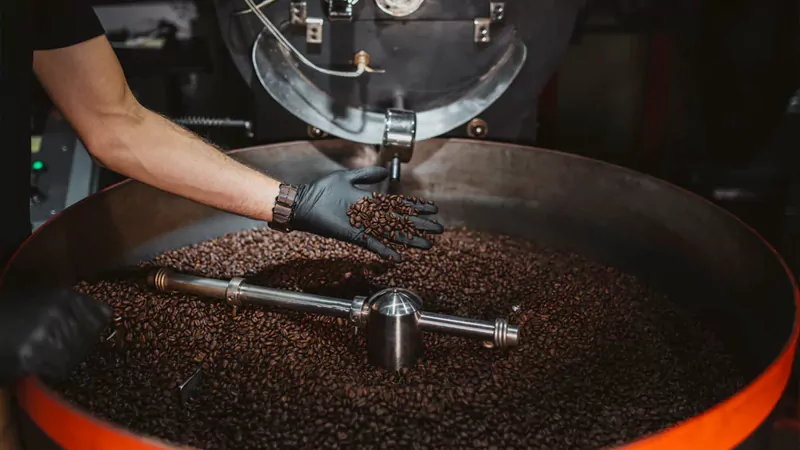
If the green bean holds the potential for aroma, the roaster is where that potential is fully and magnificently realized. The roasting process is a rapid and complex chemical transformation, a form of high-speed culinary alchemy where the roaster, as both scientist and artist, turns the relatively inert green bean into the vibrant, aromatic coffee we recognize. Within minutes, the application of heat orchestrates a symphony of reactions that create hundreds of new volatile aromatic compounds, giving the coffee its character, sweetness, and depth.
The foundation of this transformation lies in two key chemical reactions:
The Maillard Reaction: This is arguably the most important flavor-generating reaction in the culinary world, responsible for the browning of everything from bread crust to seared steak. In coffee, it’s a reaction between the amino acids and sugars (the aroma precursors) within the bean, typically beginning around 150°C (300°F). It is the primary engine of aroma creation, producing hundreds of new compounds that contribute to the nutty, toasty, malty, and chocolatey notes that form the backbone of the coffee bean scent.
Strecker Degradation: Occurring alongside and as a result of the Maillard reaction, Strecker degradation is another critical process where amino acids react to form aldehydes. These aldehydes are highly volatile and contribute significantly to a coffee’s floral, fruity, and honey-like aromas, adding layers of delicate complexity to the final profile.
A roaster’s skill is defined by their ability to expertly navigate these reactions using a carefully planned roast profile—a precise map of how temperature is applied over time. The profile dictates which aromas are created, which are preserved, and which are ultimately destroyed.
- Light Roasts: By applying heat for a shorter duration and stopping the roast shortly after the “first crack,” roasters can preserve the delicate, volatile compounds that are most true to the coffee’s origin. These roasts highlight the bright, acidic, and floral notes derived from the bean’s unique terroir and varietal. The aromas are often subtle, complex, and tea-like.
- Medium Roasts: As the roast continues, the Maillard reaction and sugar caramelization have more time to develop. This creates a harmonious balance, where the origin-specific acidity is softened and complemented by deeper, sweeter aromas of caramel, chocolate, and roasted nuts. This is often the sweet spot where complexity and balance meet.
- Dark Roasts: Pushing the roast further means applying more heat for a longer time. This intense heat begins to break down the delicate origin-based compounds and the sugars themselves. The dominant aromas are no longer from the bean but from the roast itself—smoky, carbony, spicy, and bittersweet notes take center stage. While popular for their bold and intense flavor, dark roasts often diminish the unique aromatic identity of the coffee’s origin.
Ultimately, the ability to consistently execute a roast profile that best expresses a bean’s potential is the hallmark of a great aroma roasters coffee brand.
The Final Act: Grinding and Brewing’s Impact on Aroma Release
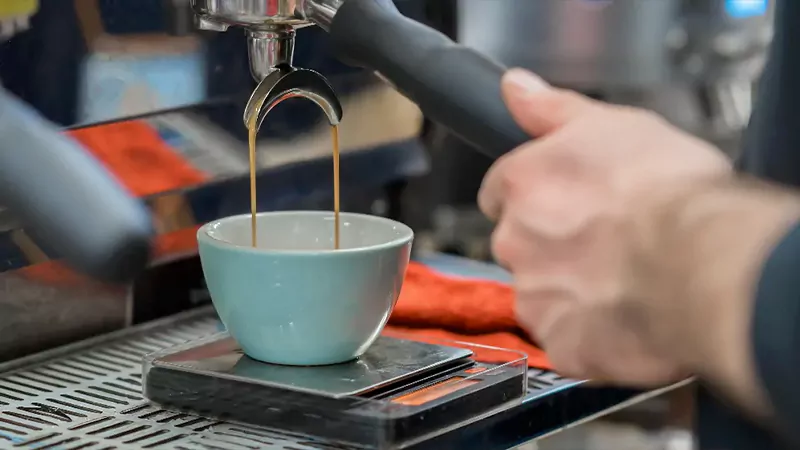
After the incredible journey from a distant farm and the transformative heat of the roaster, the coffee bean is a tiny, stable package of aromatic potential. The final act of unlocking that aroma and delivering it to our senses happens in the last few minutes before consumption, through the critical steps of grinding and brewing.
The Aromatic Explosion of Grinding
A whole coffee bean is a natural fortress, with its dense cellulose structure trapping the vast majority of its volatile compounds inside. Grinding is the explosive moment of liberation. The act of shattering the beans into smaller particles vastly increases the surface area, breaking open millions of microscopic cells and releasing a powerful, immediate wave of aromatic gases. This is why freshly ground coffee is so intensely aromatic—it is the moment of peak aroma release, a fleeting preview of the coffee’s full potential. It is also the moment the beans are most vulnerable, as this increased exposure to oxygen will cause the precious aromas to dissipate rapidly. This makes grinding just seconds before brewing one of the most impactful habits for preserving flavor.
Brewing as the Final Curator
Brewing is the process of using water as a solvent to extract the soluble flavors and aromatic compounds from the ground coffee. The choices made during this final step act as a curator, determining which compounds are highlighted and which are left behind, shaping the final aroma coffee in the cup.
Water Temperature: Different aromatic compounds extract at different rates and temperatures. Water that is too hot can scald the grounds, vaporizing the most delicate floral and fruity notes before they ever reach the cup and extracting bitter-tasting compounds. Water that is too cool will fail to extract the desirable heavier molecules associated with sweetness and body, resulting in a weak, sour, and unfulfilling aroma.
Contact Time and Method: The brewing method dictates how long the water is in contact with the coffee. A rapid, high-pressure extraction like espresso produces a concentrated shot with a layer of crema that traps many volatile compounds. In contrast, a longer immersion method like a French press extracts a wider range of oils and solids, resulting in a cup with a fuller body and a different, often heavier, aromatic profile. Each method presents a unique interpretation of the same coffee’s aromatic potential.
Preserving the Masterpiece: Why Packaging is the Guardian of Aroma
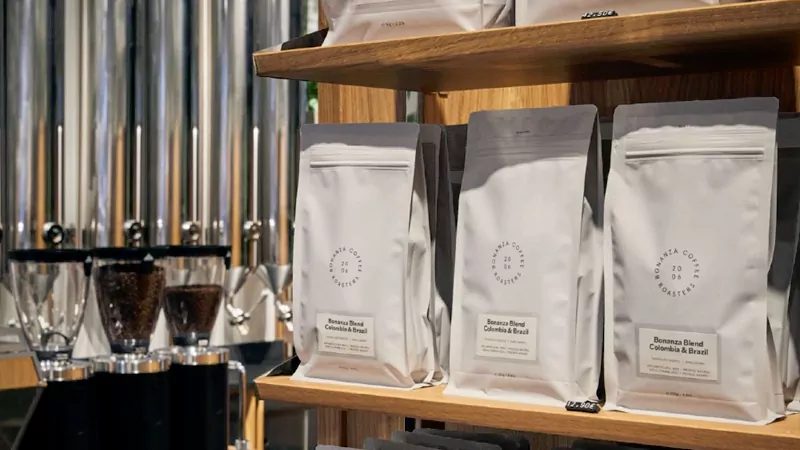
After the long and intricate journey from a single cherry to a perfectly roasted bean, a coffee’s aroma is at its peak. Unfortunately, it is also at its most fragile. The very volatility that allows us to enjoy these complex scents means they are actively trying to escape, while external forces are constantly working to degrade them. The primary enemies of a coffee’s aroma are:
- Oxygen: This is the number one culprit. Oxidation is a chemical reaction that causes delicate aromatic compounds to break down, resulting in a flat, stale, and cardboard-like taste and smell.
- Time: From the moment it leaves the roaster, coffee is in a race against time. The volatile compounds will naturally dissipate, and the flavor will begin to fade.
- UV Light: Direct exposure to sunlight can accelerate the degradation of organic compounds, destroying the nuanced aromas.
- Moisture: Coffee beans are hygroscopic, meaning they absorb moisture from the air, which can dull their aroma and compromise their integrity.
For a roaster, protecting this masterpiece until it reaches the customer is the final, critical responsibility.
This is where high-performance packaging ceases to be a simple container and becomes an essential piece of preservation equipment. The moment aromatic coffee beans cool from the roaster, the clock starts ticking. To protect that investment and ensure the customer experiences the full spectrum of flavor, high-performance packaging is non-negotiable.
The coffee bags from BN Pack are designed to be a fortress for freshness. Our multi-layer bags, featuring high-barrier foil or metalized linings, hermetically seal out the damaging effects of oxygen, moisture, and UV light. Critically, our one-way degassing valves allow the CO2 from fresh aroma coffee beans to escape without letting stale air in, preserving the delicate and volatile coffee aroma that you so masterfully crafted.
Conclusion
From the soil of a high-altitude farm and the careful hands of a producer to the transformative fire of the roaster and the final ritual of brewing, the aroma of coffee is a magnificent symphony. Each step in the journey is an instrument, adding its unique note to the final composition. A change in any single element—the varietal, the processing, the roast profile, the packaging—can alter the entire masterpiece.
The aroma that rises from the cup is far more than just a pleasant scent; it is the most immediate and powerful signal of a coffee’s history, its quality, and the immense craft invested in it. It tells the story of its origin and whispers the secrets of its transformation.
So the next time you bring a cup of freshly brewed coffee to your lips, take an extra moment. Inhale deeply. In that fleeting, beautiful aroma, you are not just smelling coffee—you are experiencing a complex and fascinating journey that has traveled across the globe to reach your cup.