
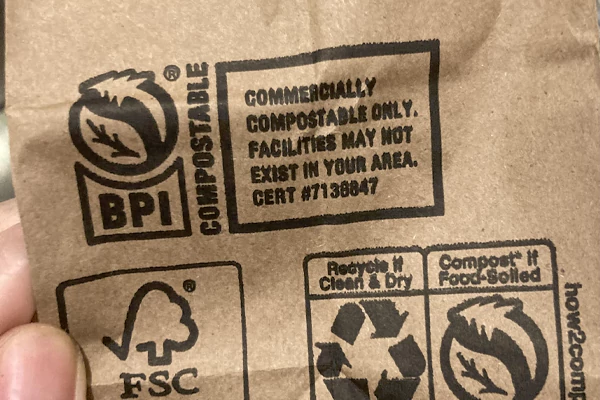
When you see the term commercially compostable on your food packaging, it means the material will break down into natural elements, but only in specialized industrial composting facilities. This matters because not all compostable food packaging will decompose in a backyard compost bin. If you want to know what does commercially compostable mean for you, it comes down to how you dispose of your packaging.
Choosing the right disposal method protects the environment and supports sustainable practices.
What Does Commercially Compostable Mean
When you ask what does commercially compostable mean, you look at how packaging breaks down in special environments. Commercially compostable packaging must meet strict international standards. These standards make sure the packaging turns into natural elements without harming the compost or the environment.
You see that what does commercially compostable mean goes beyond just breaking down. It means the packaging must pass tests for safety, speed, and environmental impact. These requirements help you understand why not all compostable packaging can go into your backyard compost bin.
Industrial Composting Facilities
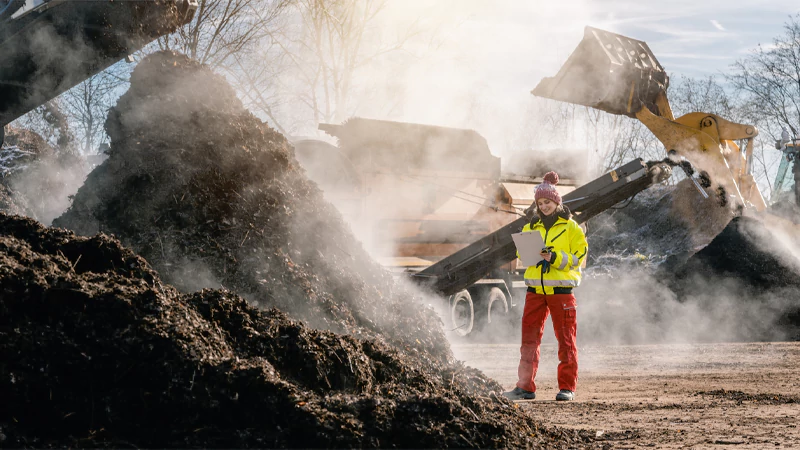
Industrial composting facilities play a key role in handling commercially compostable materials. When you wonder what does commercially compostable mean, you need to know how these facilities work. They use high temperatures and controlled conditions to break down packaging quickly and safely.
Aspect | Industrial Composting | Home Composting |
|---|---|---|
Temperature Control | High temperatures maintained for efficient composting | Lower temperatures, less control |
Types of Materials | Can process a wider variety, including bioplastics and food waste | Limited to simpler, easily decomposable materials |
Speed of Composting | Faster decomposition within 90 days for tested materials | Slower decomposition process |
Industrial composting facilities keep the temperature at about 58 ± 2°C. They make sure packaging disintegrates within 12 weeks and biodegrades within 6 months. You find that these facilities can handle bioplastics like PLA and PHA, along with food waste such as meat and dairy. This process is much faster and more reliable than home composting.
Home vs. Commercial Composting
You may wonder about the difference between home composting and commercial composting. When you ask what does commercially compostable mean, you see that the answer depends on where the packaging goes.
Feature | Home Compostable | Commercially Compostable |
|---|---|---|
Decomposition Location | Garden compost bins | Commercial composting facilities |
Temperature Requirements | Ambient conditions | High heat and controlled environment |
Time for Decomposition | Longer due to less controlled conditions | Faster due to optimized environments |
Flexibility | More flexible, suitable for home use | Requires specific infrastructure |
Environmental Impact | Easier for individuals to manage waste | Needs special collection programs |
Home composting works at lower temperatures and takes longer. You can use it for simple materials like fruit peels and leaves. Commercially compostable packaging needs high heat and special equipment. You cannot break down these materials in your backyard. Many items labeled as commercially compostable require collection and processing at industrial facilities.
When you look at what does commercially compostable mean, you see that it involves strict rules and special environments. You must use the right disposal method to make sure the packaging breaks down safely and quickly. Compostable packaging designed for commercial facilities will not decompose properly at home. You help the environment by following the correct guidelines for disposal.
Identifying Compostable Food Packaging
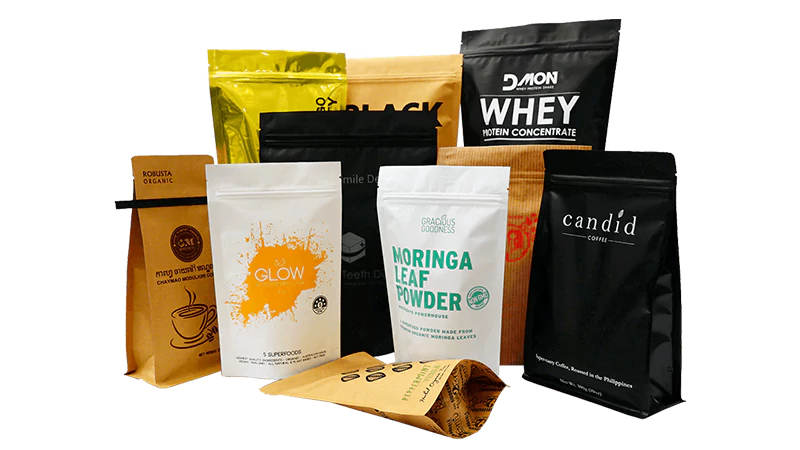
When you want to make sure your packaging is truly compostable, you need to know what to look for. Many compostable products look similar to regular plastic, so it is important to check for clear signs before disposal.
Certifications and Labels
You should always start by checking for certifications and labels. These marks show that the packaging meets strict standards for compostability. Look for the following steps:
Check the packaging for a certified compostable logo or statement.
Read the label to see if it says “commercially compostable” or “industrially compostable.”
Look for well-known certifications, such as:
BPI Commercial Compostability Certification (ASTM D6400, ASTM D6868)
TÜV AUSTRIA OK compost INDUSTRIAL (EN 13432:2000)
ABA Seedling Composting logo (Australian Standard 4736-2006)
DIN CERTCO DIN-Geprüft industrially compostable (EN 13432, ISO 17088)
TÜV AUSTRIA OK compost HOME (AS 5810, NF T 51800)
ABA Home Compostable Verification (Australian Standard 5810-2010)
DIN CERTCO DIN Tested – Garden Compostable (NF T51-800)
Tip: Certified compostable products will always have a clear certification mark. If you do not see one, the packaging may not be suitable for composting.
BN PACK demonstrates its commitment to eco-friendly packaging by meeting international standards. The company holds ISO certifications, food-grade compliance, and recyclability certifications. These certifications ensure that BN PACK’s compostable products are safe, high-quality, and environmentally responsible.
Material Types
Understanding the material helps you identify certified compostable packaging. Common materials used in certified compostable products include:
PHA (Polyhydroxyalkanoates)
PLA (Polylactic Acid)
tPLA (Talc-injected PLA)
cPLA (Crystallized PLA)
Cellulose
Bamboo
Sugarcane Fiber
Wheat Straw Fiber
Palm Leaf
Each material has unique properties. For example, PLA works well for cold foods, while cPLA and tPLA offer better heat resistance. Bamboo and sugarcane fiber provide strong, natural options. When you see these materials listed with a certified compostable label, you can trust the packaging will break down in the right facility.
Commercially Compostable Certifications
When you choose compostable packaging, you need to look for trusted certifications. These certifications prove that the packaging will break down safely in a commercial composting facility. You can trust these marks to guide your choices and help you avoid greenwashing.
BPI Certification
BPI certified compostable is one of the most recognized certifications in North America. You see this mark on many compostable products. It shows that the packaging meets strict compostability standards and will break down in an industrial composting facility. BPI certified compostable packaging must follow important rules:
Requirement/Exemption | Description |
|---|---|
BPI Certification Mark | You must see this mark on all BPI certified compostable products unless exempt. |
Compliance with ASTM Standards | The product must meet ASTM D6400 or D6868 compostability standards. |
Exemptions | Some items, like resins or low-risk materials, may not need the label. |
You benefit from BPI certified compostable packaging because it helps you avoid fines and retail rejection. This certification also builds trust and opens access to more markets. When you see the BPI certified compostable mark, you know the packaging will break down as promised.
ASTM Standards
ASTM standards set the rules for how compostable packaging must perform. BPI certified compostable products must meet these standards. ASTM D6400 and D6868 are the main standards for compostable packaging. They test for four main things:
Criteria | Description |
|---|---|
Biodegradation | The packaging must biodegrade to at least 90% of its original material within 180 days. |
Disintegration | The packaging must break down and pass through a 2mm screen in less than 12 weeks. |
Eco-toxicity | The compost must not harm plant growth or contain dangerous levels of heavy metals. |
Material Composition | The product must use safe, renewable, and biodegradable materials. |
You can trust that BPI certified compostable packaging meets these strict rules. This means the packaging will not harm the environment or the composting process.
Other Certifications
You may also see other marks on compostable packaging. These include TÜV AUSTRIA OK compost INDUSTRIAL, DIN CERTCO, and ABA Seedling logos. Each one shows that the packaging meets international compostability standards. These certifications help you identify safe and reliable compostable products.
BN PACK always follows international standards for compostable packaging. The company’s products meet BPI certified compostable requirements and other global certifications. You can feel confident choosing BN PACK for your compostable packaging needs.
Disposal of Commercially Compostable Packaging
Proper disposal of commercially compostable packaging ensures that your efforts to support sustainability do not go to waste. You need to follow specific steps to make sure your packaging breaks down as intended in a commercial composting environment.
Finding Facilities
You cannot place commercially compostable items in your home compost bin. Instead, you must send them to a commercial composting facility. These facilities use high temperatures and controlled conditions to process a wide range of materials, including food scraps, coffee grounds, eggshells, and compostable packaging. They balance nitrogen-rich and carbon-rich materials, maintaining a ratio of about 1:30 for efficient decomposition. After processing, the finished compost is tested and used in agriculture or landscaping.
To find a commercial composting facility near you, try these resources:
Composting maps show locations of commercial composting facilities across the U.S. and indicate which ones accept compostable packaging.
Partner facility locators help you search for commercial composting options outside major networks.
“Find A Composter Near Me” is a helpful tool for checking local commercial composting availability.
Tip: Always check with your local facility to confirm they accept commercially compostable packaging before dropping off your items.
What to Avoid
You should never place commercially compostable packaging in your home compost or recycling bin. These materials require the high heat and specialized processes found only in commercial composting. Placing them in the wrong bin can cause contamination and reduce the quality of compost or recycled materials.
Evidence Type | Description |
|---|---|
Contamination Threats | Compostable packaging in the wrong stream can lower compost quality and hinder methane reduction. |
Consumer Confusion | Unclear disposal leads to problems in composting and recycling systems. |
Quality Control Measures | Facilities may reject loads with high contamination to protect compost quality. |
BN PACK recommends that you always follow local guidelines for disposing of compostable packaging. Some BN PACK products, like sandwich bags, are suitable for home composting and leave no harmful residues. By choosing the right disposal method, you help protect the environment and support a cleaner, greener future.
Misconceptions and Greenwashing
Misleading Claims
You may see many products labeled as “compostable,” but not all claims are accurate. The food packaging industry faces a high level of greenwashing, especially with compostability. Some companies exaggerate or mislead you about how eco-friendly their packaging is. This can make you believe you are making a sustainable choice when you are not.
Many people misunderstand what “commercially compostable” means. Here are some common misconceptions:
Compostable packaging will break down anywhere, even in the ocean or landfill.
Moisture alone can decompose compostable packaging.
Only paper or cardboard can be composted.
All compostable packaging is made from bio-based polymers.
You can dispose of compostable packaging in any bin.
Some brands have advertised their products as suitable for home composting when they are only industrially compostable. For example, coffee pods and bags have been promoted as home compostable, but they actually require special facilities. Other companies have claimed certifications from respected organizations, but these claims could not be verified. Sometimes, local composting programs do not accept certain compostable bags because they cause contamination.
Note: Misleading claims can harm composting programs and reduce trust in sustainable packaging.
Verifying Authenticity
You can protect yourself from greenwashing by checking the authenticity of compostable packaging claims. Here are steps you can take:
Request certificates from recognized organizations and cross-check them.
Ask for recent laboratory test reports on biodegradability and disintegration.
Review supplier facilities and processes to audit the supply chain.
Try small-scale composting trials to see if the product breaks down.
Stay updated on industry certifications and new materials.
BN PACK makes transparency a priority. You can scan QR codes on BN PACK packaging to access detailed product information and verify sustainability certifications. The company uses blockchain technology to record every step in the supply chain. This helps you confirm that BN PACK’s compostable packaging meets strict standards and delivers on its promises.
You can make a real difference by choosing and disposing of compostable food packaging the right way.
Look for clear labels and trusted certification logos to identify compostable items.
Always check if the packaging is suitable for home or commercial composting.
Choose products with recognized certifications to support environmental health.
Responsible choices help commercial composting systems work better and keep waste streams clean.
When you pick trusted brands like BN PACK, you support eco-friendly solutions that protect the planet and meet strict safety standards.