
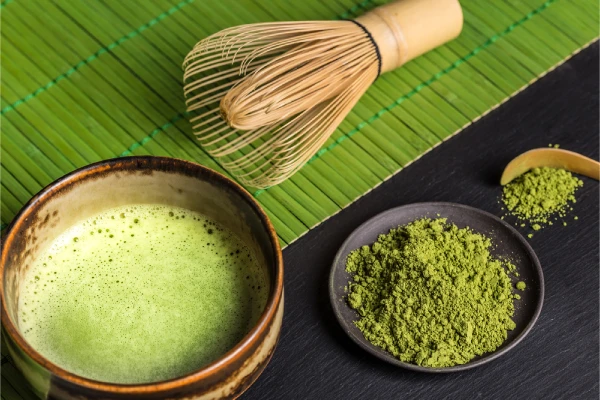
Matcha has gone from a centuries-old Japanese ritual to a global phenomenon found in everything from café lattes to skincare products. But despite its widespread popularity, many people still wonder: what exactly is matcha, and what makes it so different from regular green tea?
This guide answers that question in full — covering matcha’s origins, how it’s made, the different grades available, its health benefits, and how to use it. Whether you’re new to matcha or a brand looking to better understand your product, read on.
What Is Matcha?
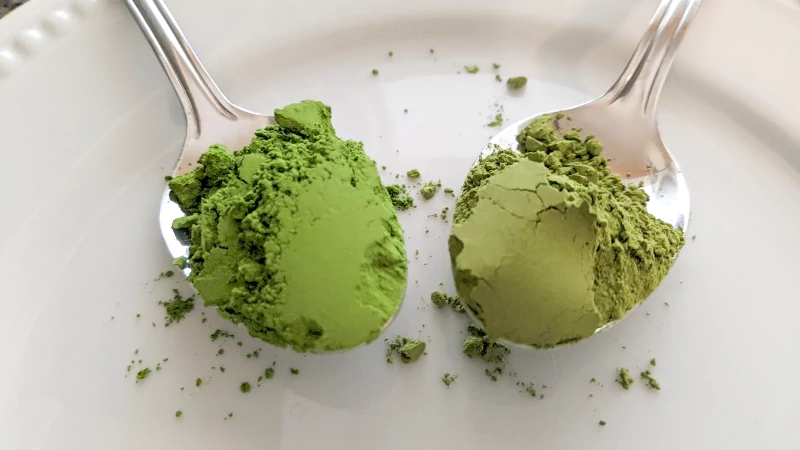
Matcha is a finely ground powder made from whole, specially cultivated green tea leaves. Unlike regular green tea, where dried leaves are steeped in water and then discarded, matcha is whisked directly into water — meaning you consume the entire leaf. This distinction is fundamental: it’s what gives matcha its signature deep green color, its layered umami flavor, and its unusually high concentration of nutrients and antioxidants.
The name comes from Japanese: ma (摩) meaning “rubbed” or “ground,” and cha (茶) meaning “tea.” Matcha is a type of powdered green tea, but not all powdered green tea is true matcha. Authentic matcha follows a precise, centuries-old production process that begins long before harvest.
A Brief History of Matcha
Matcha’s story begins not in Japan, but in China. During China’s Tang Dynasty, between the 7th and 10th centuries, green tea leaves were steamed, formed into bricks for storage and trade, and later ground into a fine powder to be whisked with hot water. This was the earliest precursor to the matcha we know today.
The practice later made its way to Japan. Matcha was introduced to Japan by the Buddhist monk Eisai, where it became intertwined with Zen Buddhism and the cultural practices of the samurai, leading to its significance in Japanese tea ceremonies.
For centuries, matcha was a highly prized, ceremonial beverage reserved for monks, nobility, and the ruling class. The formalized Japanese tea ceremony — known as chado or “the way of tea” — elevated matcha preparation into an art form, emphasizing mindfulness, precision, and reverence.
It wasn’t until the 21st century that matcha gained widespread popularity worldwide. Social media, recognition of its incredible health benefits, global travel, and the rise of specialty cafés played a significant role in matcha’s explosion on the international stage. Today, matcha appears in everything from lattes and smoothie bowls to ice cream, baked goods, and even cosmetics.
How Is Matcha Made?
The production of authentic matcha is a slow, meticulous process that takes months from field to finished powder. Here’s how it works:
Step 1: Shade Growing
The process begins three to four weeks before harvest. Farmers cover the tea bushes with traditional bamboo screens or modern shade cloths, reducing sunlight by up to 90%. This deliberate deprivation of light triggers a powerful response in the leaves: chlorophyll production surges (deepening the vibrant green color), and the concentration of L-theanine — an amino acid responsible for matcha’s calm, focused energy — increases significantly. Shading also reduces bitterness, producing a sweeter, more umami-forward flavor.
Step 2: First Harvest
Only the youngest, most tender leaves are hand-picked during the spring harvest, ensuring premium quality. This first flush — typically occurring in late April or early May — yields the finest leaves, dense with nutrients and flavor compounds developed over the winter.
Step 3: Steaming and Drying
Like most Japanese teas, the leaves destined for matcha are first steamed. The leaves are treated briefly with steam heat within hours of plucking to both halt the oxidation process and bring out the rich green color of the shade-grown tea leaves. The steaming creates the characteristic sweet, vegetal flavor profile that defines high-quality matcha. The leaves are then dried flat — not rolled — and at this stage become known as tencha, the raw material from which matcha is ground.
Step 4: De-stemming and De-veining
Only the soft leaf tissue remains, giving matcha its creamy, fine consistency once ground. Removing stems not only improves texture but also balances the flavor, reducing bitterness and enhancing the signature umami sweetness.
Step 5: Stone Grinding
This is where matcha’s magic truly happens. The tencha leaves are slowly ground between granite stones to create an ultra-fine powder. Traditional mills rotate at a speed that produces just 30–40 grams per hour. Grinding too fast would generate heat and degrade the tea’s delicate compounds, so patience is key. The result is a powder so fine it resembles talc — silky, vibrant, and rich in flavor and nutrients.
Matcha Grades Explained
Not all matcha is the same. Understanding the grades helps you choose the right product for the right purpose — and helps brands communicate quality clearly to customers.
Ceremonial Grade
Ceremonial matcha is the crème de la crème of the matcha world. The growth, harvest, and preparation of this matcha is the most labor-intensive, but it also produces the smoothest, most high-quality variant. Made from the youngest first-flush leaves with all stems and veins carefully removed, it produces a naturally sweet, smooth cup with minimal bitterness. In Japan, the best matcha as judged by flavor and color is classified as ceremonial grade, meant to be consumed on its own without any sweeteners or other ingredients.
Premium / Latte Grade
A middle tier that offers excellent quality at a more accessible price point. For both traditional bowls and lattes, a premium or café grade is usually the most versatile. The flavor is bolder than ceremonial grade but still smooth enough to enjoy on its own or blended with milk.
Culinary Grade
Culinary grade isn’t “low quality” — it’s simply designed to stand out when mixed with other ingredients. Made from later-harvest leaves with a coarser grind, it has a more assertive, robust flavor that holds its own in baked goods, smoothies, ice cream, and savory sauces. Using expensive ceremonial-grade matcha in cooking is generally considered unnecessary, as high heat mutes its delicate aromatics.
Matcha’s Health Benefits
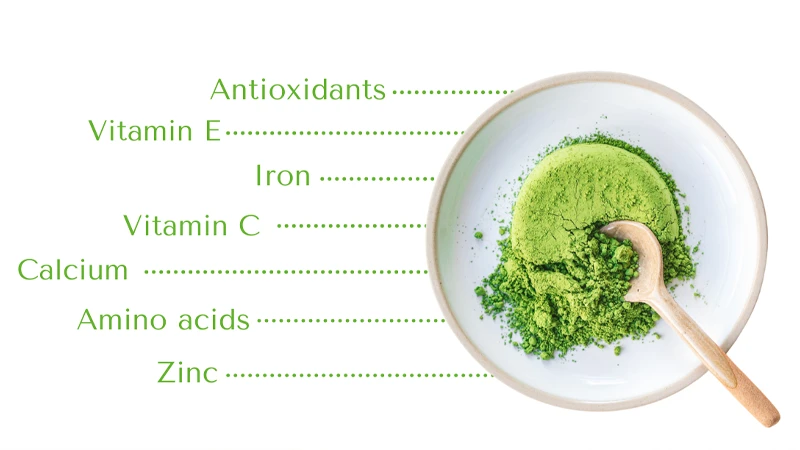
One of the most compelling reasons behind matcha’s global rise is its impressive nutritional profile. Because you’re consuming the entire ground leaf — not just an infusion of it — matcha delivers a significantly higher concentration of beneficial compounds than steeped green tea.
Rich in Antioxidants Matcha is exceptionally high in catechins, particularly a powerful compound called EGCG (epigallocatechin gallate). Rich in antioxidants like EGCG and quercetin, matcha may reduce oxidative stress and inflammation.
Calm, Sustained Energy Unlike coffee, which often delivers a sharp energy spike followed by a crash, matcha provides a gentler lift. This is thanks to the combination of caffeine and L-theanine — an amino acid that promotes relaxed alertness. Matcha delivers a higher concentration of antioxidants, a meaningful dose of caffeine, and L-theanine that together create a calm, focused kind of energy many people find easier to live with than the sharp peaks and crashes of coffee.
Immune and Cardiovascular Support Matcha contains beneficial polyphenols known as catechins that can help boost the immune system. Matcha’s catechins may also help lower LDL cholesterol and blood pressure.
Skin Benefits Consuming matcha has benefits for your skin, thanks to the presence of EGCG. Matcha has been shown to protect the skin against harmful UV rays.
How Is Matcha Used?
Matcha’s versatility is one of its greatest strengths — and a key driver of its mainstream appeal.
- Traditional preparation: Whisked with hot (not boiling) water in a ceramic bowl using a bamboo whisk (chasen), producing a frothy, deeply flavorful drink
- Matcha lattes: Combined with steamed dairy or plant-based milk for a creamy, comforting drink
- Smoothies and shakes: Adds natural color, flavor, and a nutritional boost
- Baking and cooking: Incorporated into cakes, cookies, mochi, pasta, and sauces
- Cold beverages: Iced matcha lattes and matcha lemonades have become café staples worldwide
The grade of matcha you choose should match the application: ceremonial grade for drinking, culinary grade for cooking and baking.
Why Matcha Packaging Matters
Given matcha’s sensitivity to light, oxygen, and moisture, the quality of its packaging is inseparable from the quality of the product itself. Loose matcha powder is extremely sensitive to light, oxygen, and moisture, which can quickly degrade its bright green color and delicate flavor profile. Chlorophyll — the compound responsible for matcha’s striking emerald hue — begins to break down rapidly when exposed to UV light. Oxygen causes oxidation that turns the powder brown and dulls its flavor. Moisture leads to clumping and spoilage.
This is why premium matcha brands invest in high-barrier packaging: multi-layer pouches with aluminum foil or metallized cores that block nearly 100% of light and oxygen, combined with airtight resealable closures that maintain freshness after opening. From retail matcha powder bags to individual serving sachets, the right packaging is what ensures the product your customers receive is as vibrant and potent as the day it was produced.
At BN PACK, we specialize in custom matcha packaging engineered to protect every dimension of your product’s quality — color, aroma, freshness, and brand presentation. Our solutions range from high-barrier matcha powder stand-up pouches to premium flat-bottom bags and individual teabag outer packaging, all customized to reflect your brand’s story.
Ready to protect your matcha the right way? Explore our custom matcha packaging solutions or contact our team for a free quote.