
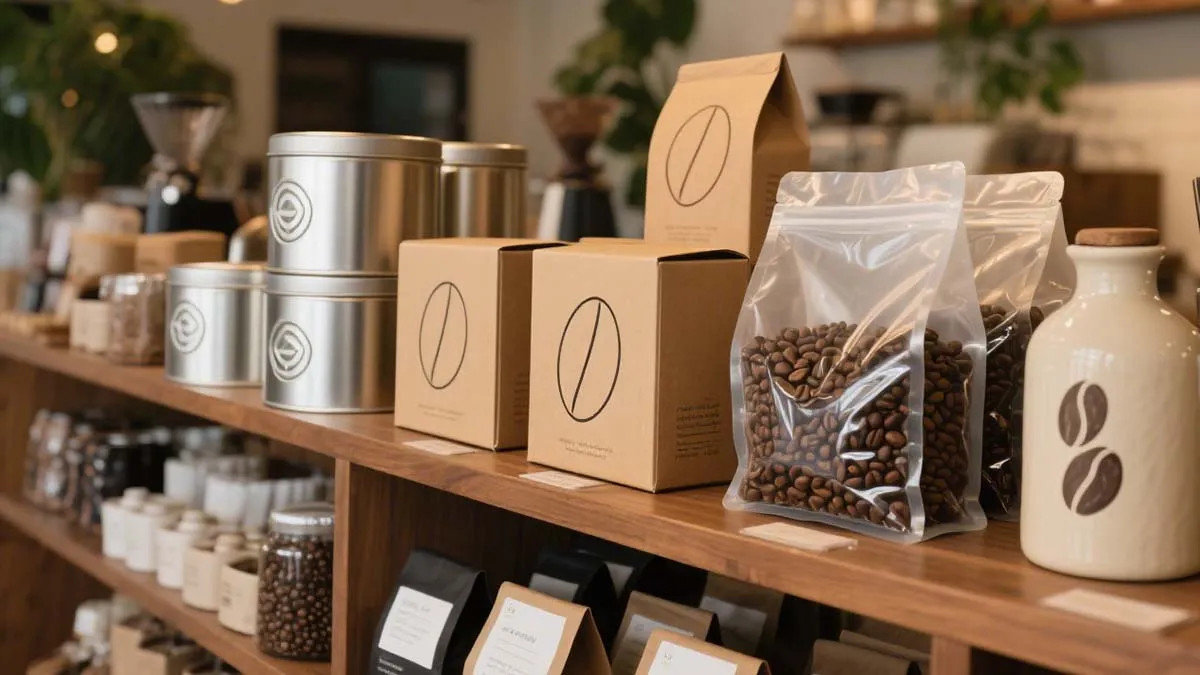
As a product that is extremely sensitive to storage conditions, coffee’s own characteristics determine that packaging must have special functions. What kind of coffee packaging is the best choice? In this article, we will take a deep look at the types of coffee packaging, factors to consider, and why the right packaging is the key to preserving the best flavor of coffee. Whether you are a coffee roaster, distributor, or consumer, understanding the importance of packaging can ensure that your coffee stays fresh for as long as possible.
Coffee packaging types
There are many types of coffee packaging on the market, each with its own unique advantages, disadvantages and applicable scenarios. The material, size and design of the packaging will affect the preservation of coffee.
Bagged packaging
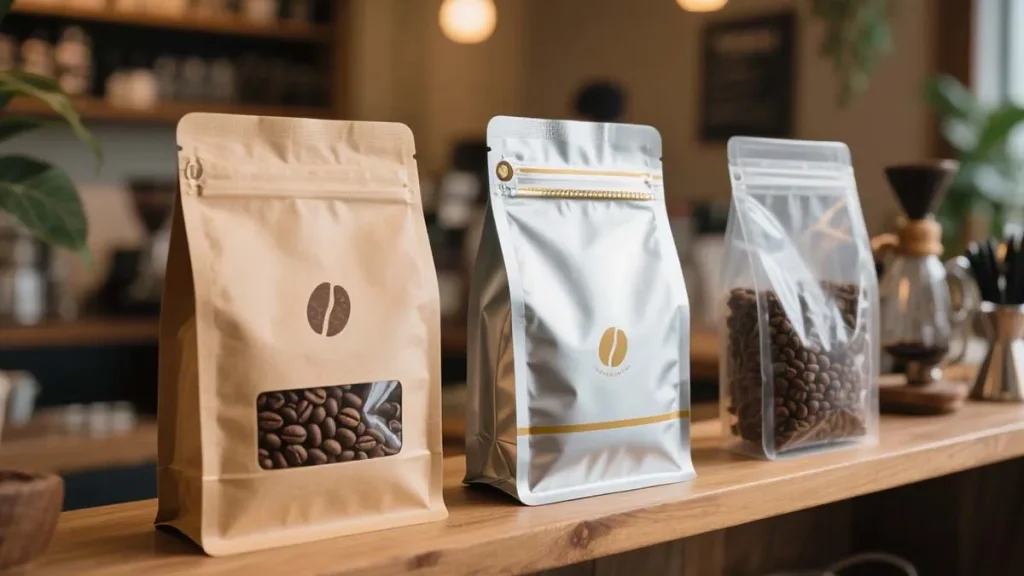
Coffee bags are the most common form of packaging. These bags are usually made of materials such as paper, aluminum foil or plastic, and come in various shapes and sizes. Let’s explore the most popular options:
Paper packaging bags: This type of packaging has become the choice of many brands that focus on sustainable development due to its environmentally friendly and degradable characteristics. For example, some small boutique coffee brands use paper packaging, which not only reflects the brand’s environmental protection concept, but also can show the origin characteristics of coffee beans, roasting stories, etc. on the packaging through exquisite printing technology, and enhance the brand cultural connotation. However, paper packaging has relatively weak moisture and oxidation resistance, so it is more suitable for coffee products with a short shelf life.
Aluminum foil packaging bags: The first choice for freshness preservation, this type of bag can effectively block moisture, light and air, and is very suitable for medium to dark roasted coffee beans. Aluminum foil bags have a stylish appearance and help coffee brands stand out on the shelf.
Plastic packaging bags: With good sealing and lightness, they occupy a large market share in the coffee packaging field. It is moderately cost-effective and easy to carry out diversified printing and shaping designs. Whether it is instant coffee in small bags or large-capacity coffee beans packaging, it can meet the needs well. However, the environmental issues brought by plastic packaging are also increasingly concerned. As consumers’ environmental awareness increases, the use of plastic packaging is gradually restricted.
Canned and Glass Bottle Packaging
Although bagged coffee dominates the market, canned coffee and glass bottle packaging are also used for high-end or specialty coffee products. These options are especially appealing for premium coffee brands that want to convey quality and sophistication.
Canned Coffee (Aluminum and Tin Cans)
Canned coffee provides an excellent barrier against oxygen and light, which helps preserve the freshness of the coffee. Many high-end coffee brands choose metal cans to ensure their product retains its integrity, as well as to convey a premium and professional image to consumers. The metal cans, typically made from aluminum or tin, offer solid protection for the coffee inside, keeping it fresh for longer.
- Advantages:
- Protection from Oxygen and Light: Cans provide excellent isolation from external factors like oxygen and light, which can degrade the flavor and aroma of coffee beans over time.
- Premium Perception: The use of metal packaging helps communicate a high-end brand image, positioning the coffee as a luxury product.
- Recyclable: Aluminum cans are widely recyclable, making them a better choice from an environmental standpoint compared to some other materials.
- Disadvantages:
- CO2 Build-Up: One drawback of canned packaging is the build-up of carbon dioxide (CO2) produced naturally by coffee beans after roasting. This can create pressure inside the can, which might compromise the integrity of the seal if not handled correctly.
- Higher Costs: Metal packaging, particularly aluminum cans, can be more expensive than other options like pouches or bags. Additionally, the weight of metal cans increases transportation costs, making this a less economical choice for some coffee roasters.
Glass Bottle Packaging
Glass bottles are often seen as the epitome of premium and luxury coffee packaging. With their transparent design, glass bottles allow customers to visually assess the color, texture, and quality of the coffee beans or grounds. This can inspire confidence in the product’s quality and appeal to consumers looking for high-end coffee options.
- Advantages:
- Transparency and Aesthetic Appeal: The clarity of glass allows consumers to see the product, which can enhance the buying experience, especially for specialty coffees. The visual appeal of glass also conveys a sense of premium quality.
- Non-Toxic and Reusable: Glass is non-toxic, does not leach chemicals into the product, and can be reused, making it an eco-friendly option for customers who prioritize sustainability.
- Protection from Contaminants: Glass offers excellent protection against external contaminants, including light and air, which are harmful to coffee’s freshness.
- Disadvantages:
- Fragility: Glass packaging is fragile and can break easily during transportation or handling. This makes it a less practical option for large-scale distribution, especially in more rugged or high-volume retail environments.
- Weight and Transportation Costs: Glass is significantly heavier than other materials like plastic or aluminum, which can add considerable cost to shipping and transportation.
- Limited Shelf Life: Just like metal cans, glass bottles may not be suitable for very long-term storage. The natural gases in coffee, primarily carbon dioxide, can cause the product to lose its flavor or create pressure in the bottle if it is not properly sealed.
Factors to Consider When Choosing Coffee Packaging
There are several factors to consider when choosing the best coffee packaging to maintain the quality and freshness of your product. Here are the main considerations:
Freshness and shelf life
One of the most critical aspects of coffee packaging is its ability to maintain freshness. Coffee is a perishable product and exposure to air, moisture or light will degrade its flavor.
Packaging must limit exposure to oxygen, a key oxidation factor that causes coffee to lose its aroma and taste. Barrier materials such as aluminum foil and plastic film can effectively block oxygen and moisture.
Avoid light and oxygen
Coffee is sensitive to both light and oxygen. If exposed to light, the oils in the coffee will break down and produce off-flavors. It is recommended to use opaque sealed packaging.
- Opaque Bags: A simple and effective way to solve the lighting problem is to use opaque coffee bags, which prevent light from damaging the coffee.
- One-Way Valve:The one-way valve plays a crucial role for roasted coffee, as it allows gases like carbon dioxide to escape while preventing oxygen from entering. This is especially important right after the roasting process, as carbon dioxide continues to be released during this time.
Sustainability of packaging
As sustainability becomes a growing priority for consumers, coffee brands are turning to eco-friendly packaging solutions. Environmentally conscious consumers are increasingly seeking coffee packaged in biodegradable materials or recyclable bags.
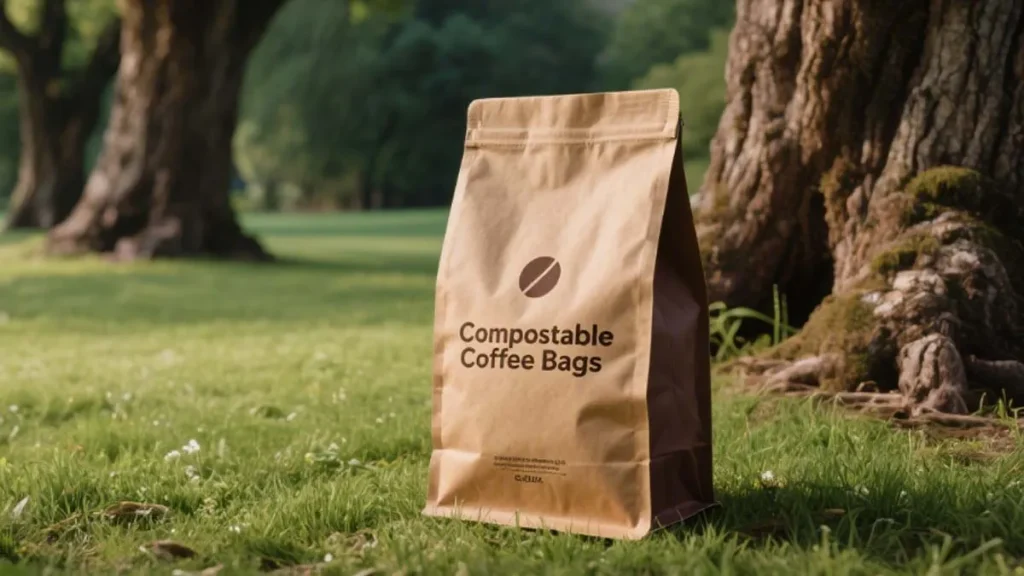
Popular choices for eco-friendly packaging include:
- Compostable Coffee Bags: These bags will naturally break down over time without harming the environment.
- Recyclable materials: Many companies now offer bags made from recycled plastic or paper that can be easily recycled after use.
Choosing the Right Coffee Packaging for Your Brand
When selecting the best coffee packaging for your brand, you need to balance budget, quality, and brand identity. For example:
- Premium Coffee Brands: Glass bottles and aluminum foil bags might be ideal due to their superior protection and aesthetic appeal.
- Budget-Friendly Options: Paper bags or plastic pouches are more cost-effective and still provide good protection for coffee.
- Eco-Conscious Brands: Opt for biodegradable or recyclable materials to cater to the growing demand for sustainability.
Conclusion
“What is the best packaging for coffee?” There is no absolute answer. The best coffee packaging needs to be based on your own needs, taking into account a variety of factors such as coffee characteristics, storage requirements, consumer preferences, etc. Different packaging types have their own advantages and disadvantages, and are suitable for different coffee products and brand positioning. Only by tailoring coffee packaging solutions according to coffee characteristics, brand positioning and consumer needs can you stand out in the market.
Coffee Packaging FAQ
What’s the best packaging for fresh coffee?
Aluminum foil bags with a one-way valve are the best for keeping coffee fresh
Why do coffee bags have plastic valves?
The plastic valve allows gases (like carbon dioxide) to escape without letting oxygen in, preserving freshness.
Are there eco-friendly coffee packaging options?
Yes, there are compostable bags and recyclable materials for sustainable coffee packaging.
Can coffee bags be recycled?
It depends on the material. Paper bags are recyclable, while some plastic and foil bags are not.
How long does coffee stay fresh in a bag?
If stored correctly in an airtight bag with a one-way valve, coffee can stay fresh for up to 6 months.