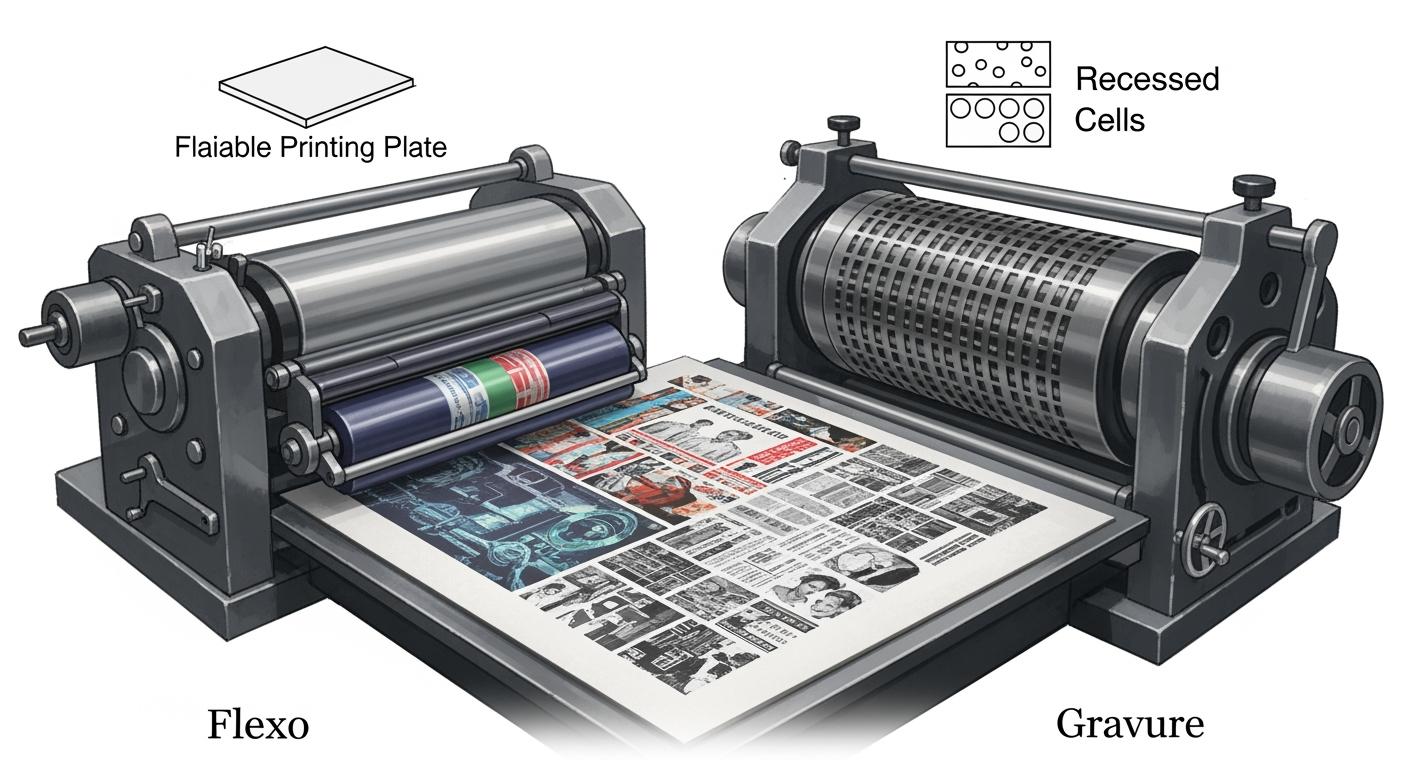
When choosing a printing method for flexible packaging, two names come up again and again: flexographic printing and gravure printing. Both are widely used for pouches, rollstock film, food packaging, and other printed packaging formats. But they work differently, cost differently, and make sense for different production needs. Flexography uses flexible relief plates and an anilox roller to meter ink, while gravure uses engraved cylinders whose recessed cells hold ink and a doctor blade removes the excess before transfer to the substrate.
For packaging buyers, the real question is not which process sounds more advanced. The real question is which one fits your artwork, order quantity, budget, lead time, and packaging material. In many cases, flexo is the more practical choice for growing brands and mixed-SKU packaging programs. Gravure, however, still has clear advantages when extremely high consistency and long-run efficiency are the top priorities. BOBST describes gravure platforms as serving short, medium, and long runs on flexible materials, while also emphasizing high print quality and productivity.
What Is Flexo Printing?
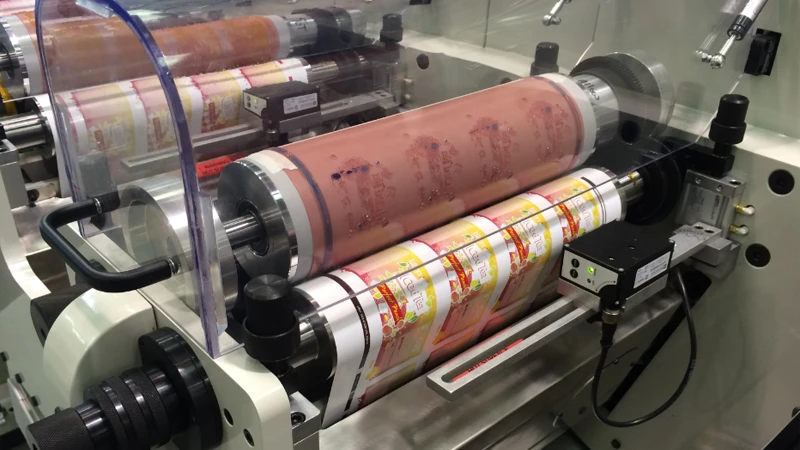
Flexo, or flexographic printing, is a rotary printing process that uses flexible relief plates, usually made from rubber or other elastomeric materials. Ink is metered through an anilox roller and transferred to the printing plate, which then prints onto the substrate. Britannica defines flexography as a rotary process using flexible rubber or elastomeric printing plates, and the FTA glossary describes the anilox roll as the engraved ink-metering roll that provides a controlled film of ink to the printing plates.
In packaging, flexo is popular because it works on a wide range of substrates, including films, paper, foil, laminates, labels, and corrugated materials. It is also valued for faster setup, lower prepress cost than gravure, and good adaptability when artwork changes frequently. That makes it especially attractive for brands that need multiple SKUs, medium run lengths, quicker changeovers, or a more flexible printing workflow.
What Is Gravure Printing?
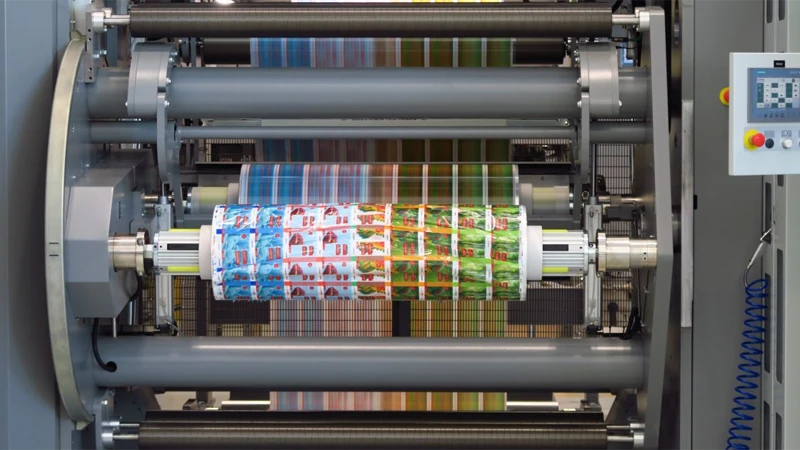
Gravure, often called rotogravure in packaging, is an intaglio printing process. Instead of using a raised flexible plate, gravure uses a metal cylinder engraved with tiny recessed cells. These cells carry ink, while a thin steel doctor blade wipes excess ink from the cylinder surface so only the ink inside the engraved cells remains for transfer. Britannica describes this process directly, noting that the doctor blade removes surface ink while leaving ink in the depressions or cells.
Gravure is known for smooth tonal reproduction, strong consistency, and very refined image quality, especially across long production runs. In flexible packaging, it has long been associated with premium printed film, high-volume packaging programs, and jobs where color stability and visual consistency matter over very large order quantities. BOBST positions gravure as a high-quality process for flexible packaging with strong productivity and automation capabilities.
The Main Difference Between Flexo and Gravure Printing
The most important difference is the image carrier. Flexo uses flexible plates with raised image areas. Gravure uses engraved metal cylinders with recessed cells. This mechanical difference affects nearly everything else: setup cost, changeover speed, image characteristics, long-run economics, and how each process fits different packaging programs.
In simpler terms, flexo is usually the more flexible and cost-accessible packaging print method, while gravure is traditionally the more capital-intensive method associated with high-end consistency and long-volume runs. That does not mean one is always better. It means each process is optimized differently.
Flexo vs Gravure Print Quality
This is often the first thing buyers care about. Gravure has long had a reputation for superior fine detail, smooth vignettes, and highly consistent solid coverage, especially on very long runs. Because the image is carried in engraved cells, gravure is especially strong in tonal transitions and repeatability from start to finish across large production volumes. Britannica notes that tonal gradations in gravure come from varying the depth of the depressions.
Flexo, however, is not what it used to be twenty years ago. Modern flexographic printing has improved dramatically through better plates, screening, ink control, and anilox technology. The FTA materials emphasize how anilox specifications and newer screening approaches help improve graphic resolution and color control in packaging. For many commercial flexible packaging jobs today, modern flexo can achieve print quality that is more than sufficient for mainstream retail packaging and many premium applications.
So the practical answer is this: gravure still tends to lead when the job demands the highest consistency and the smoothest image reproduction over very long runs, but flexo is often fully capable for most branded packaging work and is usually the more practical option commercially.
Which Is More Cost-Effective?
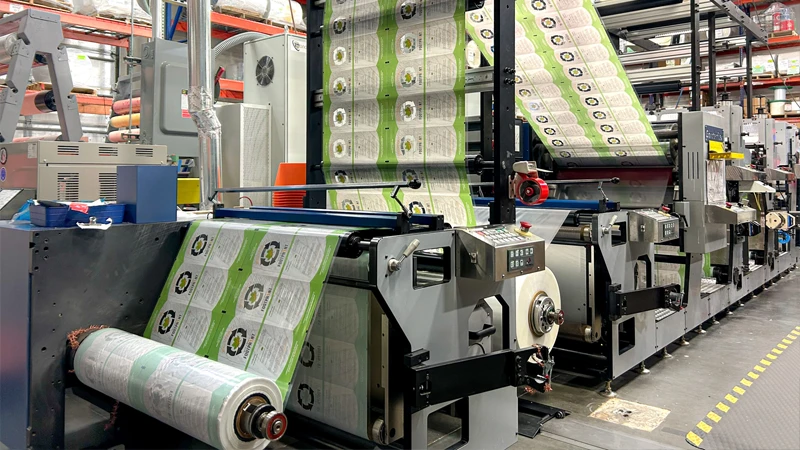
For most buyers, the cost difference starts with prepress. Flexo uses plates, which are generally less expensive and easier to replace than gravure cylinders. Gravure requires engraved metal cylinders, and that makes setup significantly more expensive. Your original page correctly frames this as one of the biggest differences between the two methods.
That is why flexo is usually more cost-effective for shorter runs, medium runs, frequent design changes, test launches, and SKU-heavy packaging programs. If a brand has multiple flavors, frequent artwork updates, or seasonal packaging, flexo often makes much more sense operationally. Gravure becomes more attractive when the order volume is large enough to spread the high cylinder cost across a long production run. At that point, the economics improve and the high consistency of gravure becomes easier to justify.
Which Is Better for Long Runs?
If the question is strictly about very large-volume repeat production, gravure often has the advantage. Because the cylinders are durable and the process is built for highly repeatable output, gravure has traditionally been favored for long-run packaging where the same design prints at scale over time. This is one reason it remains important in parts of the flexible packaging market.
Flexo can also handle substantial packaging volume, but it tends to be especially attractive where converters and brands want a balance of quality, speed, lower setup burden, and easier job changes. For many modern packaging buyers, that balance is more commercially useful than chasing the absolute top end of print refinement.
Which Printing Process Has Faster Changeovers?
In most packaging scenarios, flexo is the easier process for quicker changeovers and more agile production scheduling. Plate changes are generally simpler and cheaper than replacing engraved gravure cylinders, so flexo is better suited to production environments where jobs change frequently. That makes flexo a strong fit for private label, fast-moving consumer packaging, and brands with many variations in size, flavor, or graphics.
Gravure can absolutely be efficient in production, especially on repeat work and standardized programs, but it is usually less forgiving when you need to update artwork often or move quickly across many small-to-medium packaging jobs.
Flexo vs Gravure for Packaging Materials
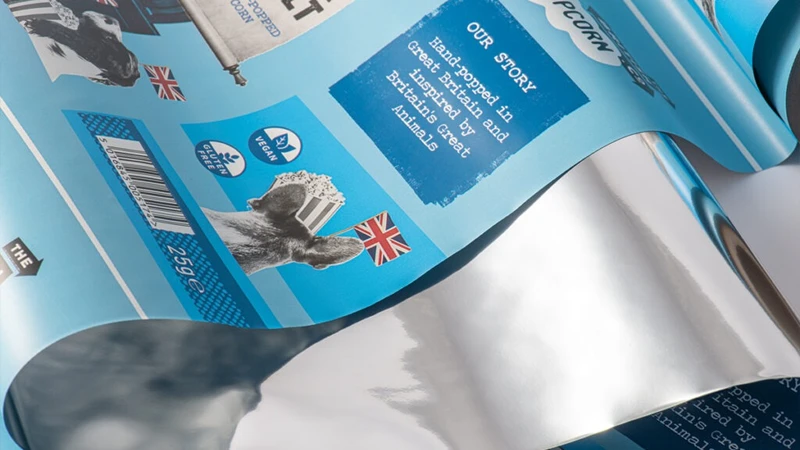
Both processes are widely used in flexible packaging and can print on common packaging substrates such as films, paper, laminates, and foil. Your original article describes both methods as suitable for materials like LDPE, PP, BOPP, PET, aluminum foil, and laminates, though the exact fit depends on the press setup and final packaging structure. BOBST also describes gravure systems working on a broad range of flexible materials, including eco-focused substrates.
For a packaging buyer, the more useful takeaway is that substrate compatibility usually does not decide the choice by itself. In real purchasing decisions, the print method is more often chosen based on run length, graphics requirements, cost target, and converter capability rather than on a simple “this material only works with this process” rule.
Flexo vs Gravure Ink Options
Flexo is often associated with broader ink flexibility, including water-based, solvent-based, and UV-curable options. Britannica notes that flexographic inks dry quickly by evaporation, and the original article highlights water-based, solvent-based, soy, vegetable, and UV options in flexo workflows. This flexibility is one reason flexo is often favored in packaging conversations around sustainability and process adaptability.
Gravure has traditionally been closely associated with solvent-based systems in flexible packaging, though modern equipment suppliers also support water-based applications in some gravure workflows. BOBST explicitly notes water-based or solvent-based ink printing applications on gravure platforms. So it is more accurate to say gravure is often more solvent-linked historically, rather than saying it can only use one narrow ink route.
Which Is Better for Flexible Packaging?
For most B2B buyers of pouches, rollstock film, and printed bags, the best answer is not “flexo is better” or “gravure is better.” The better answer is it depends on your commercial and technical priorities.
Choose flexo when you need lower setup cost, more flexibility across SKUs, faster artwork changes, and strong overall packaging print quality without the heavier cylinder investment. Choose gravure when you need extremely consistent output, refined image reproduction, and long-run efficiency that can justify higher prepress cost. That is the decision framework most packaging buyers actually use.
How Packaging Buyers Should Decide
If you are sourcing printed flexible packaging, ask these questions first:
Do you have a few large-volume SKUs or many changing SKUs?
Do you need ultra-premium image smoothness, or strong commercial quality at better flexibility?
Will the design stay stable for a long time, or will it be updated often?
How sensitive is the project to cylinder or plate cost?
Is faster turnaround more important than maximum long-run efficiency?
These questions usually point you toward the right process faster than technical jargon does. In practice, many growing brands find flexo easier to scale with, while gravure fits better when the packaging program is large, stable, and heavily quality-driven over long repeat runs.
Conclusion
Flexo and gravure are both established, high-value printing methods in the packaging world. Flexo uses flexible relief plates and an anilox system to deliver efficient, adaptable printing across many packaging applications. Gravure uses engraved cylinders and a doctor blade system to deliver highly consistent, refined print performance, especially on long-volume packaging jobs.
For many modern packaging buyers, flexo is the more practical option because it lowers setup cost and gives more room for SKU variation, artwork changes, and commercially efficient ordering. Gravure still matters when very high print consistency and long-run economics are the priority. The right choice depends less on theory and more on your product mix, print volume, and business model.