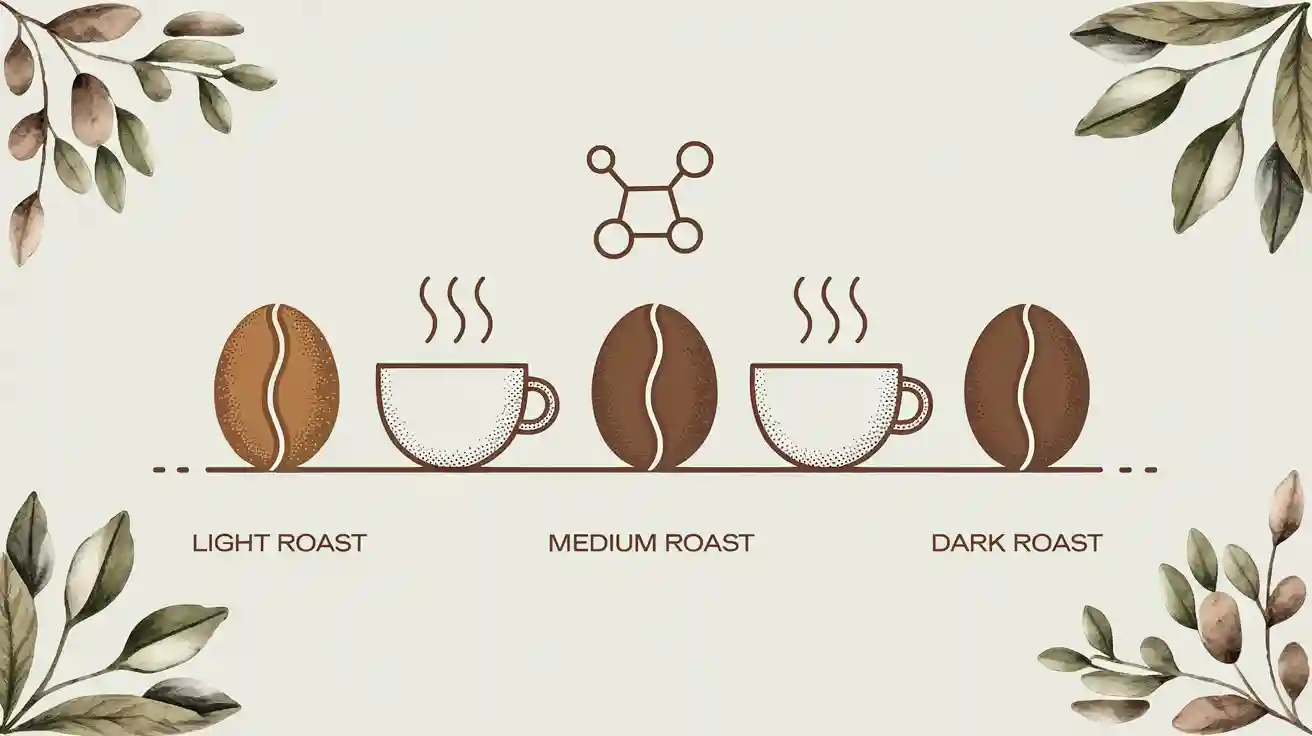
You might wonder what roast of coffee has more caffeine. Many people think dark roast coffee packs the biggest caffeine punch, but that’s not true. Recent research shows light roast coffee usually contains slightly more caffeine than darker roasts. Take a look at this quick comparison:
Roast Level | Caffeine Content (mg) |
|---|---|
Light Roast | 179 |
Medium Roast | 176 |
Dark Roast | 173 |
If you want your morning coffee to deliver more caffeine, go lighter. Freshness matters too. BN PACK coffee bags keep your beans fresh and lock in caffeine, so you can enjoy every cup at its best.
Coffee Roast Caffeine
Light Roast
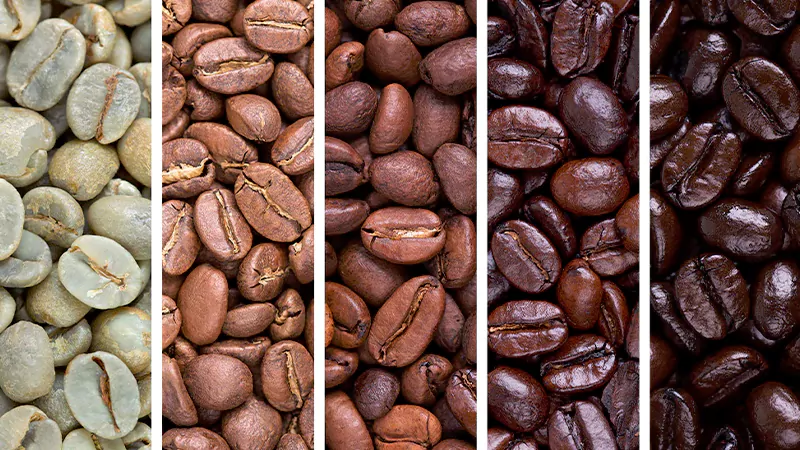
You might think all coffee tastes the same, but light roast coffee stands out. Light roast beans keep more of their natural flavors and higher caffeine levels. When you choose light roast, you get a brighter taste and a bigger caffeine kick. The caffeine in light roast coffee stays strong because the beans spend less time roasting. This means less caffeine burns off. If you want more caffeine in your cup, light roast is your best bet. Caffeine in light roast is usually higher than in other roasts. You’ll notice the energy boost right away. BN PACK coffee bags help keep your light roast beans fresh, so you get the most caffeine content every time you brew.
Medium Roast
Medium roast coffee gives you a balance between flavor and caffeine. The beans roast longer than light roast, but not as long as dark roast. This middle ground keeps the caffeine levels steady. You get a smooth taste and enough caffeine to wake you up. Recent research shows medium roast has about 176 mg of caffeine per serving.
Medium roast coffee is popular because it offers a good mix of taste and caffeine content. If you want a coffee that’s not too strong or too mild, medium roast is a great choice. BN PACK coffee bags lock in the freshness and caffeine in medium roast, so you enjoy every sip.
Dark Roast
Dark roast coffee has a bold flavor and rich aroma. The beans roast longer, which lowers the caffeine content. You still get a strong taste, but the caffeine levels drop a bit. Scientific studies say the caffeine content in dark roast is about 1.08% by weight.
The caffeine content in dark roast coffee is approximately 1.08% by weight.
If you prefer a deep, smoky flavor, dark roast is for you. You might notice less caffeine in your cup compared to light or medium roast. BN PACK coffee bags protect dark roast beans from air and moisture, keeping the caffeine in coffee as high as possible. Whether you pick dark or light roast, the right packaging helps preserve caffeine levels and bean quality.
What Roast of Coffee Has More Caffeine
Which Coffee Has More Caffeine
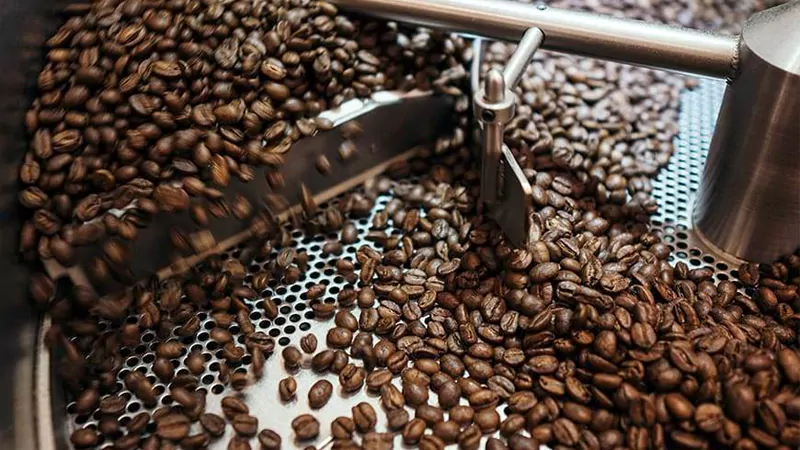
You probably ask yourself what roast of coffee has more caffeine every time you stand in front of the coffee shelf. The answer isn’t as simple as you might think. Many people believe dark roast coffee gives you the strongest caffeine boost, but that’s not always true. Recent scientific studies show that lighter roasts usually contain more caffeine when you brew them using standard methods. Lighter beans keep more of their natural caffeine because they spend less time in the roaster.
But here’s where things get interesting. The brewing method can flip the script. If you use the same extraction process for both light and dark roasts, sometimes the dark roast can deliver more caffeine. So, what roast of coffee has more caffeine? Most of the time, you’ll get more caffeine from light roast coffee, but brewing style can change the outcome. If you want to maximize caffeine, pay attention to both the roast and how you brew your coffee.
How Much Caffeine by Weight vs. Volume
You might think you’re getting the same amount of caffeine every time you scoop your coffee, but the way you measure makes a big difference. Let’s break it down:
Measuring by weight (using grams or ounces) gives you more caffeine from light roast coffee than dark roast.
Measuring by volume (using scoops or tablespoons) gives you more caffeine from dark roast coffee than light roast.
Why does this happen? The roasting process changes the beans. Light roast beans are denser and smaller because they lose less moisture. Dark roast beans puff up and get lighter as they roast longer. Here’s a quick look at how this affects your cup:
Light roast beans are smaller and denser, so you pack more caffeine into each gram.
Dark roast beans are larger and lighter, so you get less caffeine per gram.
If you measure by volume, you scoop up more dark roast beans, which means more caffeine in your cup.
Because light roast beans are smaller due to less time in contact with the heat of the roaster, you’ll be measuring more coffee, and therefore, getting more caffeine in your cup.
Let’s say you use a kitchen scale to measure your coffee. You’ll get more caffeine from light roast. If you use a scoop or spoon, dark roast might sneak ahead. So, what roast of coffee has more caffeine? It depends on how you measure your coffee. If you want to control your caffeine intake, grab a scale and measure by weight. You’ll get a more accurate result every time.
Here’s a quick table to help you see the difference:
Measurement Method | Roast Type | Caffeine Outcome |
|---|---|---|
By Weight | Light Roast | More caffeine |
By Volume | Dark Roast | More caffeine |
If you want to know which coffee has more caffeine, think about both the roast and your measuring method. The next time you brew, try weighing your coffee for a consistent caffeine kick. You’ll notice the difference in your energy and taste.
How Much Caffeine in Dark Roast
Caffeine Loss During Roasting
You might wonder how much caffeine you actually get from dark roast coffee. The roasting process changes the caffeine content in your beans. When coffee beans roast longer, they lose moisture and some caffeine. You start with green beans, which have a certain amount of caffeine. As roasting moves from light to dark, the caffeine levels first go up a bit, then drop off in dark roast. Most scientific studies show that caffeine in dark roast is lower than in lighter roasts. Take a look at this table to see how much caffeine you get in a typical cup:
Roast Level | Average Caffeine per 8 oz (mg) |
|---|---|
Dark Roast | 80-120 mg |
If you want to know how much caffeine is lost, remember that dark roast beans spend more time in the roaster. The extra heat breaks down some caffeine molecules. You end up with less caffeine in dark roast compared to light or medium roast. The difference might not seem huge, but it matters if you want a stronger kick from your coffee.
Blonde and Light Roast Comparison
Let’s compare how much caffeine you get from blonde and light roast coffee versus dark roast. You’ll see that lighter roasts usually have more caffeine. Here’s a quick list:
Blonde Roast: 180mg in a Short (8oz), 360mg in a Grande (16oz), 450mg in a Venti (20oz)
Dark Roast: 260mg per 16oz
If you look at caffeine content by ounce, blonde roast gives you about 60mg per ounce, while dark roast has around 51mg per ounce. Check out this table for a side-by-side view:
Blonde Roast | Dark Roast |
|---|---|
Around 60mg per 1 ounce | Around 51mg per 1 ounce |
You might notice that brewing technique also affects how much caffeine ends up in your cup. For espresso, blonde roast has 85mg per shot, while dark roast has 75mg. For brewed coffee, the numbers are close, but blonde roast still edges ahead. Here’s a chart that shows the difference:
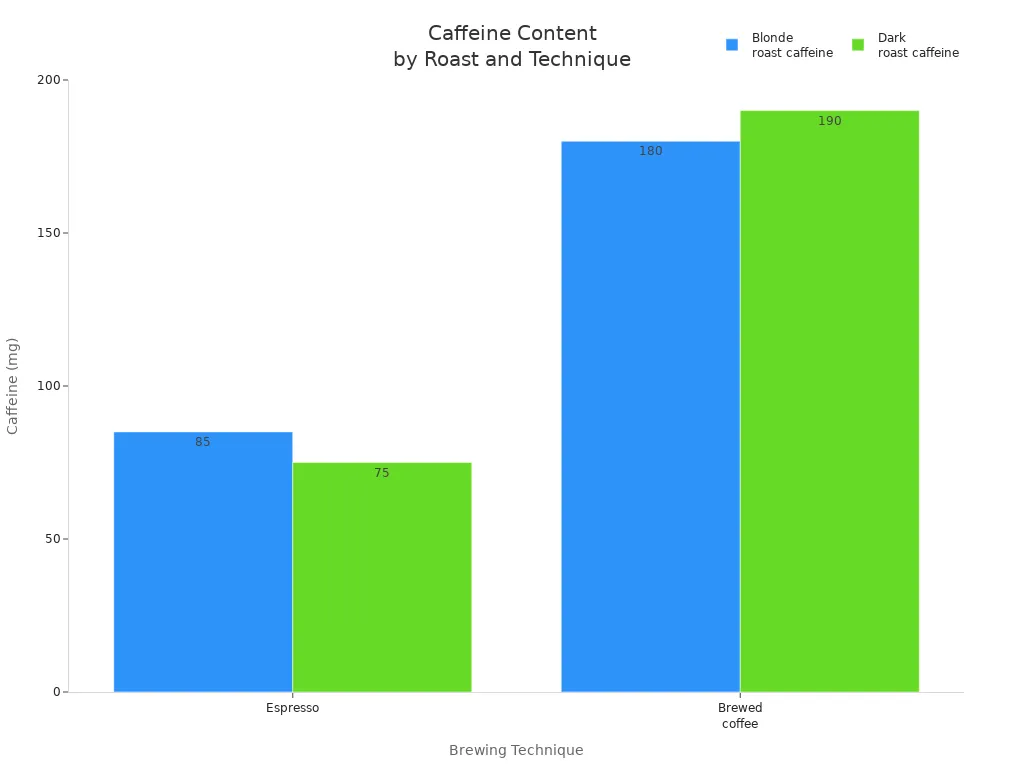
So, if you want to know how much caffeine you’re getting, lighter roasts like blonde or light roast usually give you more. Dark roast coffee has less caffeine, but you still get a bold flavor. Next time you pick a bag, think about how much caffeine you want in your cup.
Brewing Method Impact
Cold Brew vs. Espresso
You might think espresso always gives you the most caffeine, but that’s not the whole story. The brewing method you choose changes how much caffeine ends up in your cup. Let’s break it down:
A single shot of espresso has about 64 to 75 milligrams of caffeine.
A regular-sized cold brew can pack between 200 to 330 milligrams of caffeine.
Espresso is more concentrated, but cold brew usually comes in a much larger cup.
If you drink an 8-ounce cold brew, you’ll get more caffeine than from a single espresso shot.
Cold brew coffee often wins when you look at total caffeine per serving.
So, if you want a big caffeine boost, cold brew coffee is a great pick. Espresso gives you a quick, strong shot, but cold brew delivers more caffeine in a full cup. The size of your drink really matters here.
Brew Time and Temperature
If you want to get the most caffeine, use hot water and let your coffee brew for at least 15 minutes. Cold brew takes patience, but it pulls out a lot of caffeine over time.
Tip: Freshness matters for caffeine extraction. BN PACK coffee bags use degassing valves to keep your beans fresh and full of flavor. Fresh beans help you get the most caffeine, no matter how you brew your coffee.
Choosing the right brewing method and using fresh beans stored in quality packaging like BN PACK coffee bags can help you enjoy the perfect cup with just the right amount of caffeine.
Serving Size Matters
Weight vs. Volume
You might think you always get the same caffeine kick from your morning coffee, but serving size changes everything. The way you measure your coffee—by weight or by volume—can make a big difference in how much caffeine ends up in your cup. If you scoop your coffee with a tablespoon, you might get less caffeine than if you weigh it out on a scale. Light roast beans are denser, so you pack more caffeine into each gram. Dark roast beans are puffier, so you get less caffeine per gram. Measuring by weight gives you a more accurate caffeine count.
Let’s look at how serving size affects caffeine intake:
An 8-ounce cup of brewed coffee usually has between 70 and 140 milligrams of caffeine.
A 20-ounce travel mug can hold more than double the caffeine of a standard 8-ounce cup.
If you want to control your caffeine intake, try weighing your coffee before you brew. You’ll get a more consistent result every time.
Practical Examples
Let’s say you use BN PACK coffee bags for your daily brew. These bags come in different sizes, so you can choose the right amount for your needs. If you grab a single-serve pouch, you’ll get just enough coffee for one cup. If you pick a larger bag, you can brew a whole pot and adjust your caffeine intake.
Here’s a quick table to show how serving size changes your caffeine:
Serving Size | Approximate Caffeine (mg) | Coffee Bag Type |
|---|---|---|
8 oz | 70-140 | Single-serve pouch |
12 oz | 105-210 | Medium pouch |
20 oz | 175-350 | Large travel pouch |
Tip: If you want a stronger caffeine boost, choose a larger serving size or a light roast. BN PACK coffee bags make it easy to measure out just the right amount, so you always know how much caffeine you’re getting.
Next time you brew your coffee, think about both the roast and the serving size. You’ll enjoy a cup that matches your energy needs and your taste.
Coffee Bean Type
Arabica vs. Robusta
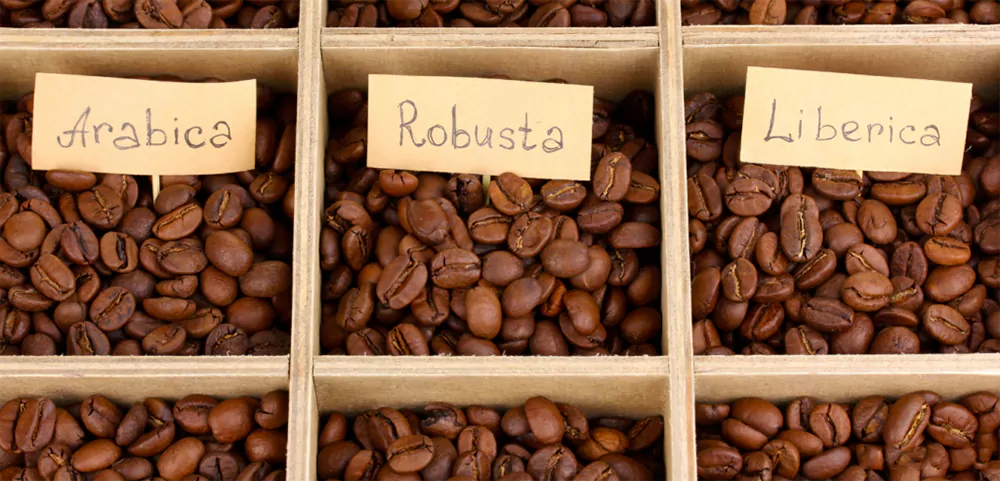
When you pick up a bag of coffee, you might notice the words “Arabica” or “Robusta” on the label. These are the two main types of coffee beans you’ll find in stores. They look similar, but the caffeine content is very different. Robusta beans have almost twice as much caffeine as Arabica beans. If you want a stronger caffeine kick, Robusta is the way to go. Arabica beans give you a smoother taste and less bitterness, but they have less caffeine.
Here’s a quick table to show you the difference:
Coffee Type | Average Caffeine Content (%) | Caffeine in 12 oz Cup (mg) |
|---|---|---|
Arabica | 1.5% | 98 |
Robusta | 2.7% | 190 |
Robusta beans are often used in instant coffee and espresso blends because of their high caffeine content. Arabica beans are more common in specialty coffee shops. No matter which type you choose, you can keep your beans fresh and flavorful with BN PACK coffee bags. These bags work for both Arabica and Robusta, so your coffee always tastes its best.
Specialty Beans
Specialty coffee usually means higher quality and better flavor. Most specialty coffee uses Arabica beans, which have a caffeine content between 0.9% and 1.5%. This means specialty coffee tends to be milder in caffeine compared to commercial blends. Commercial coffee often uses Robusta beans, which can have between 1.2% and 2.4% caffeine. That’s almost double the caffeine of Arabica beans. If you want a smoother cup with less caffeine, specialty coffee is a great choice. If you need more caffeine to jump-start your day, commercial blends with Robusta might suit you better.
Tip: Specialty beans deserve special care. BN PACK coffee bags protect all types of beans—Arabica, Robusta, or any blend—so you get the full flavor and caffeine in every cup.
Choosing the right coffee bean type lets you control your caffeine intake and enjoy the taste you love. With BN PACK coffee bags, you can store any bean variety and keep your coffee fresh for longer.
Myths About Coffee Roasts
Dark Roast Caffeine Myth
You might have heard that dark roast coffee gives you a bigger caffeine kick. This idea pops up everywhere, but it just isn’t true. Many people believe that the bold taste of dark roast means more caffeine. In reality, the roasting process actually lowers the caffeine content a bit. When you roast coffee beans longer, they lose some caffeine along with moisture.
A 2017 study in Nature found that medium roast Arabica beans have higher caffeine concentrations than dark roast when you measure by mass. Another study in the Journal of Food Science showed that light roast coffee has about the same, or even slightly more, caffeine than dark roast. The strong flavor of dark roast comes from the roasting process, not from extra caffeine.
Here are some common myths you might hear:
Dark roast coffee has more caffeine than light roast.
The darker the bean, the higher the caffeine content.
Strong flavor always means more caffeine.
Don’t let the taste fool you. The boldness of dark roast comes from the roast, not the caffeine content.
Color vs. Caffeine
You might look at a bag of coffee and think the darker color means more caffeine. This is a common mistake. The color of the beans tells you how long they roasted, not how much caffeine they have. Scientific research shows that roast level does not make a big difference in caffeine content. In fact, lighter roasts can have a bit more caffeine because they spend less time in the roaster.
Let’s clear up the confusion:
Darker coffee beans do not contain more caffeine than lighter ones.
The caffeine content stays pretty steady across light, medium, and dark roasts.
What changes most is the flavor, not the caffeine.
Next time you pick your coffee, remember that color and taste do not tell you the whole story about caffeine. If you want to control your caffeine intake, focus on the type of bean and how you measure your coffee, not just the roast color.
Choosing Your Coffee Roast
Tips for More or Less Caffeine
Choosing the right coffee roast can feel tricky, but you can make it simple by focusing on what you want from your cup. If you want more caffeine, go for a light roast. Light roast coffee usually has a bit more caffeine than dark roast. The roasting process removes some caffeine, so lighter beans keep more of it. Here’s a quick table to help you compare:
Roast Type | Caffeine Content (mg per 8 oz) |
|---|---|
Light Roast | 95 |
Dark Roast | 89 |
Coke (for reference) | 34 |
You might notice the difference is not huge, but it matters if you want that extra boost. Experts suggest you focus on both the bean type and your brewing method to get the most caffeine. Here are some quick tips:
Pick light roast coffee if you want more caffeine in your cup.
Choose dark roast if you prefer a bold flavor and a bit less caffeine.
Remember, the way you brew your coffee also changes how much caffeine you get.
Make your choice based on flavor first, since the caffeine difference is small.
Tip: Lighter roasts are often higher in caffeine, but always pick the taste you love.
Selecting the Right BN PACK Coffee Bag
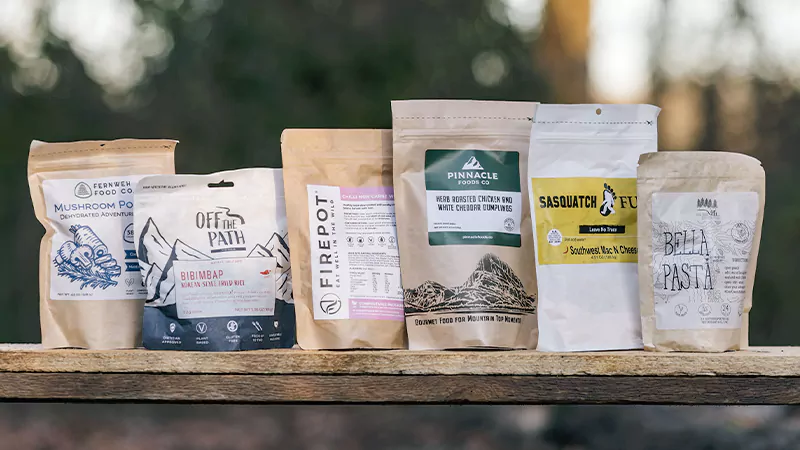
Once you pick your favorite roast, you want to keep your coffee fresh and full of caffeine. That’s where BN PACK coffee bags come in. These bags use high-barrier materials and one-way degassing valves to lock in freshness and aroma. You can choose from different sizes, like single-serve pouches or large bags for sharing. Custom options let you show off your brand and keep your coffee at its best.
Stand-up, flat bottom, and side gusset bags fit any coffee style.
Resealable zippers help you keep your coffee fresh after every use.
Eco-friendly materials support your sustainability goals.
With BN PACK coffee bags, you protect your coffee’s flavor and caffeine. You also make your brand stand out on the shelf. Pick the right bag, and every cup will taste as fresh as the first.
Tip: Stable temperatures between 70-75°F help preserve coffee flavor and caffeine. Sudden changes can cause condensation and lower quality.
BN PACK coffee bags give you the tools to keep your coffee fresh, flavorful, and packed with caffeine. You get the best taste and energy in every cup.
You now know that light roast coffee usually has more caffeine than dark roast. This happens because lighter roasts lose less caffeine during roasting. The type of coffee bean, brewing method, and serving size all change how much caffeine you get in your cup. Robusta beans give you more caffeine than Arabica. Brewing methods like espresso or French press can boost caffeine, while larger servings mean more caffeine, too. For the freshest coffee and the best caffeine kick, store your beans in BN PACK coffee bags. Always check the roast date and pick airtight packaging to keep your coffee full of flavor and caffeine. ☕️
Tip: Choose light roast for more caffeine, and always use fresh coffee stored in quality packaging for the best results.