
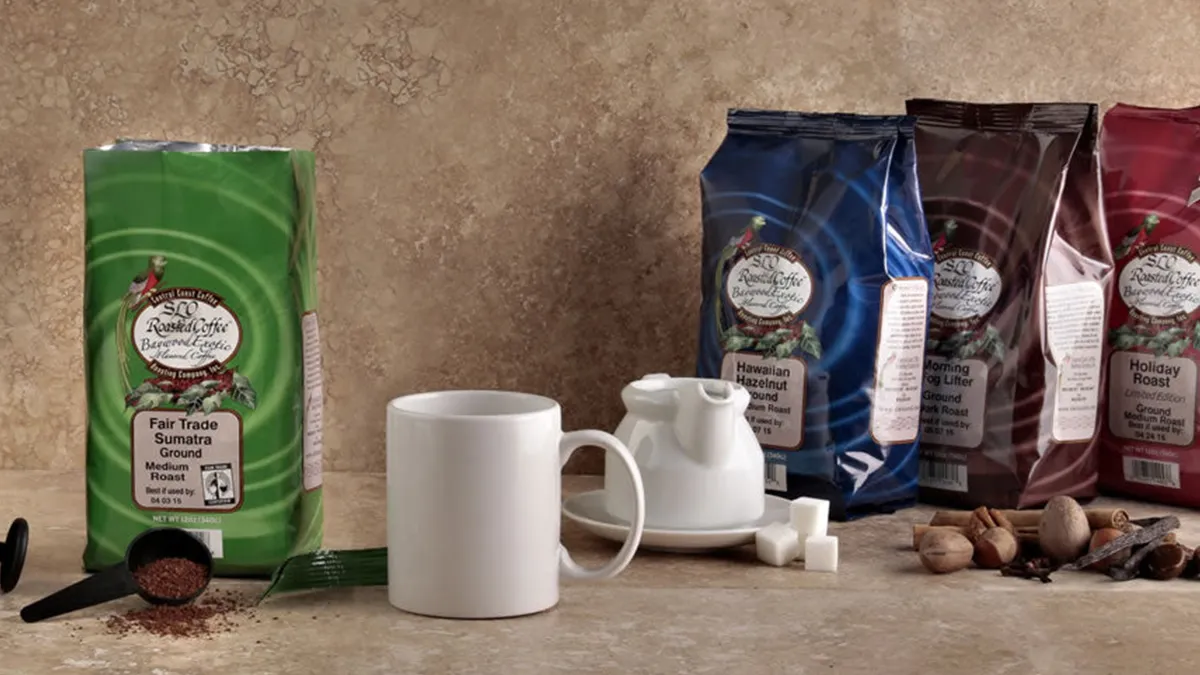
Have you ever noticed that most specialty coffees are packaged in 12 ounces? Not 1 pound, not 500 grams, but 12 oz. Why?
At first glance, it seems nothing special, but there are actually a lot of considerations behind it. As a manufacturer of coffee packaging bags, we can tell you that the popularity of this size is actually the result of a trade-off between market demand, cost control, and consumer habits. Next, from the perspective of the manufacturer, we will take you to understand the logic behind this seemingly “irregular” size.
The Historical Origins of the 12oz Coffee Bag
Evolution of Coffee Packaging Over the Decades
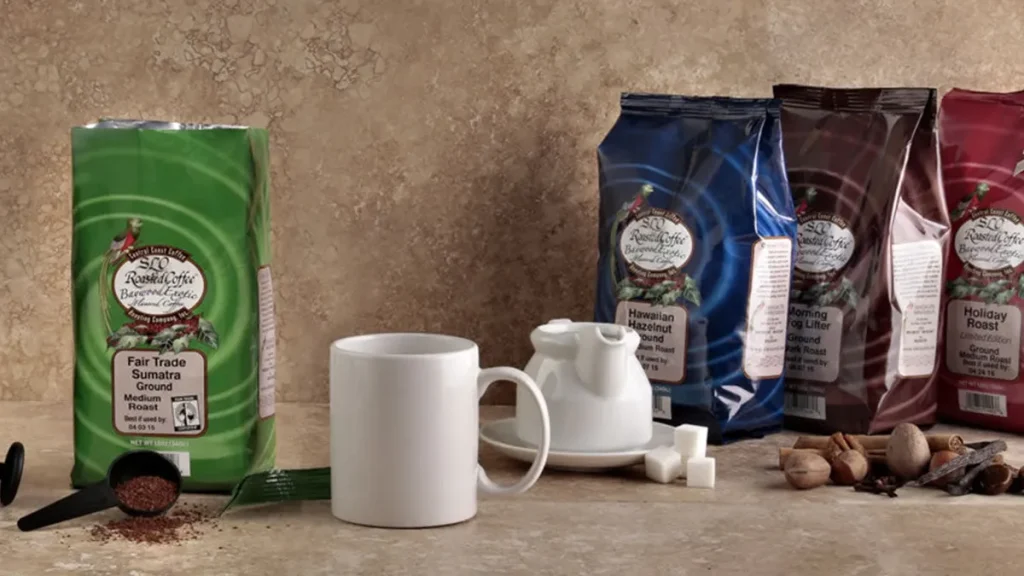
In the early days, coffee was sold in bulk—purchased by weight, scooped from barrels. It wasn’t until the rise of supermarkets in the 20th century that coffee began being sold in smaller, consumer-ready units. The 1lb (16oz) bag was once the norm, especially in commercial brands.
Transition from Bulk to Retail-Friendly Sizes
Specialty coffee roasters began moving away from the 1lb standard. Why? A 12oz bag allowed for slightly less product at a comparable price point—without feeling like a major downgrade. This size gave roasters the flexibility to maintain quality while optimizing profit margins.
Why 12oz Became the Industry Standard
Consumer Buying Behavior
Research shows that 12oz is a sweet spot—it lasts most households about 1–2 weeks, depending on consumption. It also aligns with the idea of “just enough” freshness, encouraging repeat purchases.
Shelf Optimization for Retailers
Retail shelves are often designed with depth and height constraints. The 12oz bag fits neatly, stacks well, and maintains uniformity across brands—making it logistically efficient for stocking and display.
Marketing and Visual Consistency
Visually, the 12oz bag is tall and slim, offering ample space for label design, brand storytelling, and certifications—without looking bulky.
Manufacturing Perspective on 12oz Bags
Machinery Calibration and Standard Die-Cut Sizes
From a manufacturer’s standpoint, 12oz is a standardized output. Machines are optimized to form-fill-seal this size with minimal material waste. Die-cut tools and pouch moldings are readily available in 12oz formats, reducing setup costs.
Cost Efficiency in Mass Production
Less material is used than in a 16oz bag, yet production lines remain equally efficient. That balance of reduced material cost and consistent machine uptime makes 12oz extremely cost-effective for both manufacturers and clients.
The Science Behind Coffee Volume and Weight
How Coffee Bean Density Affects Bag Size
Not all coffee weighs the same. Lighter roasts are denser than darker roasts. So, a 12oz bag (by weight) could appear fuller or emptier depending on the roast. The bag size is tailored to accommodate volume, not just weight.
Ground vs Whole Bean Packaging Logistics
Ground coffee is denser and more compact, allowing for smaller bag formats. But for whole beans, the 12oz size provides the perfect balance between airspace, degassing, and product visibility.
12oz vs 16oz and Other Sizes: A Comparative Breakdown
| Bag Size | Ideal For | Pros | Cons |
|---|---|---|---|
| 8oz | Samplers, gifts | Lower cost, compact | Not economical in bulk production |
| 12oz | Specialty coffee retail | Standard size, cost-effective | Slightly less than a full pound |
| 16oz | Bulk coffee buyers | More coffee per purchase | Higher shipping and storage cost |
| 2lb+ | Cafés and offices | Economical for volume use | Not suited for freshness or gifting |
Retail and E-Commerce Packaging Logistics
Shipping 12oz coffee bags is easier—they’re light, stackable, and compatible with USPS/UPS First Class and Priority Mail limits. Their dimensional weight falls within optimal shipping thresholds, lowering logistics costs.
They also require less shelf depth in-store and offer better inventory rotation for roasters.
Environmental and Sustainability Considerations
Smaller bags = less packaging material used. Many 12oz bags are now made with compostable or recyclable films. Compared to oversized packaging, the 12oz format is better for minimizing carbon footprint, especially with bulk shipments.
Branding and Label Design Optimization on 12oz Bags
The front panel of a 12oz bag typically ranges from 4.5 to 6 inches wide—ideal for brand visuals, product descriptions, roast dates, and certifications. The bag is a canvas for storytelling, and the proportions of 12oz bags make it an aesthetic choice for shelf appeal.
12oz in Different Global Markets
While the U.S. sticks to the imperial system, 12oz (~340g) translates well across markets. In Europe or Asia, it’s common to round to 250g or 500g, but many global specialty roasters still opt for 340g as a middle ground. Packaging manufacturers often provide dual-unit labeling to meet international compliance.
Flexibility in Packaging Types for 12oz Bags
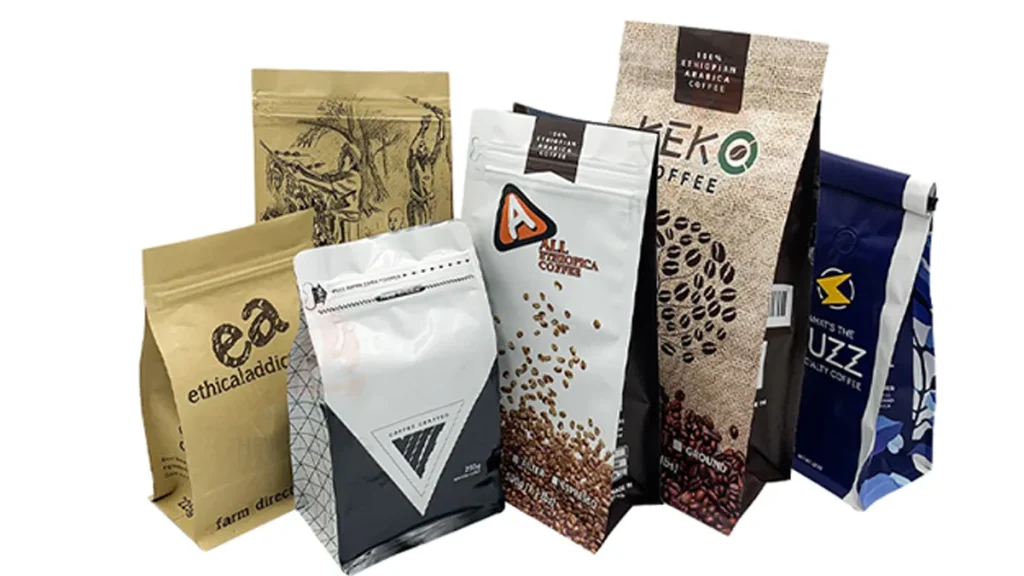
From a manufacturing standpoint, 12oz bags are incredibly versatile:
- Stand-up pouches with bottom gussets
- Flat-bottom bags for premium appeal
- Quad-seal bags for more stability
- With or without one-way degassing valves
- Reclosable options with zippers, tin ties, or Velcro seals
Customization Trends in 12oz Coffee Bags
Today’s roasters seek:
- Digital printing for short runs
- Matte or soft-touch finishes
- Clear windows or kraft paper textures
- Foil-lined, aroma-preserving inner layers
We’re seeing a rise in brand-specific color codes, shaped windows, and even augmented reality-enabled QR codes.
Cost Efficiency for Roasters and Retailers
Roasters align their batch sizes with 12oz fills—minimizing leftovers or waste. Retailers love the faster inventory turnover and easier price-point positioning. It’s a win-win for B2B and B2C sides of the coffee chain.
The Future of Coffee Packaging: Will 12oz Stay King?
While we’re seeing innovations like single-serve sachets or refill pouches, the 12oz format is expected to remain dominant for the foreseeable future. Its balance of size, cost, branding potential, and sustainability makes it hard to beat.
Common Questions About 12oz Coffee Bags
Why not 10oz or 14oz?
They exist, but lack the standardization benefits of 12oz. Roasters also favor consistency in packaging lines.
Can 12oz bags hold more?
Yes—most 12oz bags can actually hold up to 14oz by volume. But labeling laws require accuracy by weight.
Is it legal to call it 12oz if underfilled?
No. The labeled weight must match the actual net contents.
Are 12oz bags suitable for subscription services?
Absolutely. They strike the perfect weekly-use quantity and shipping weight.
How long does coffee stay fresh in 12oz bags?
With a proper degassing valve and sealing, 2–4 weeks of peak freshness is common.
Can I use the same bag for ground and whole bean?
Yes. Just make sure to adjust the volume-to-weight ratio accordingly.
Why Choose Us for Your 12oz Coffee Bags
We specialize in high-quality, customizable 12oz coffee packaging solutions that help roasters stand out on the shelf and stay efficient behind the scenes.
Why our clients love us:
- Fast turnaround times and competitive pricing
- Sustainable materials and food-grade certifications
- Digital, flexo, and rotogravure printing options
- Flexible MOQ (minimum order quantities)
- Free artwork guidance and samples