
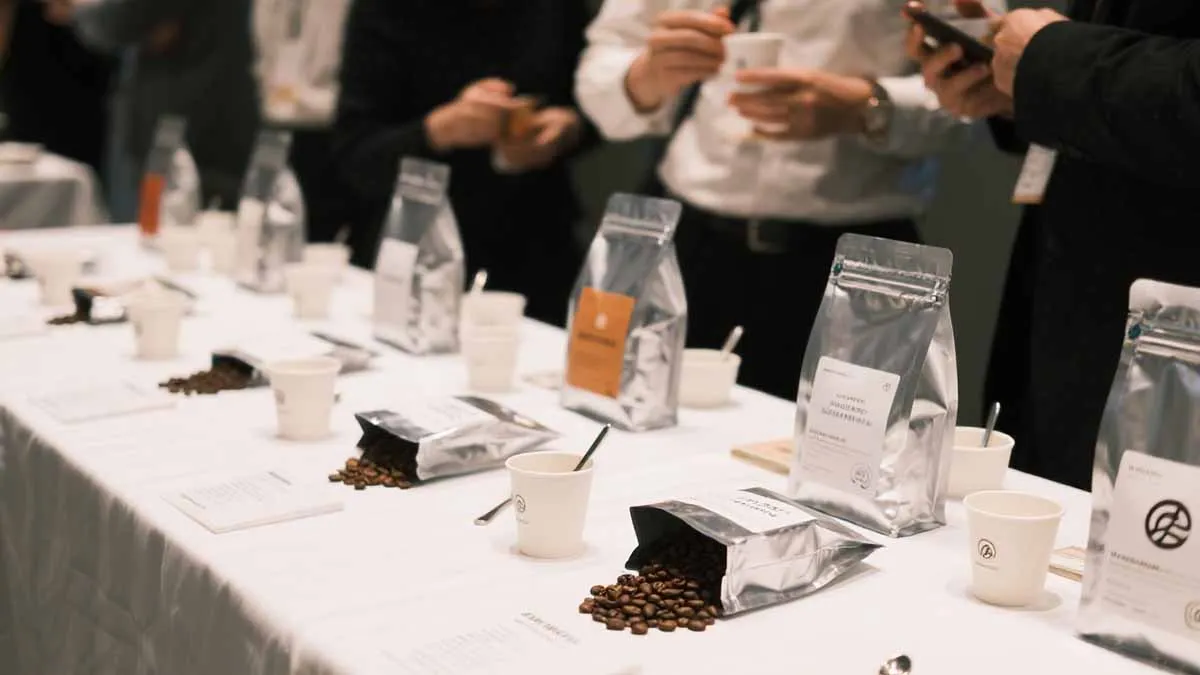
From the planting and roasting of coffee beans to their final arrival in our hands, packaging plays a vital role. Especially during transportation, how to ensure that coffee maintains its original flavor and freshness is a challenge faced by every coffee merchant.
With the continuous expansion of global coffee trade, more and more coffee companies have begun to focus on innovation and environmental protection in packaging technology. Whether it is aluminum foil bags, vacuum packaging or environmentally friendly paper bags, each packaging method directly affects the quality of coffee and the consumer experience. So, how does coffee packaging ensure its freshness? Let’s take a deeper look together.
Coffee Packaging Overview
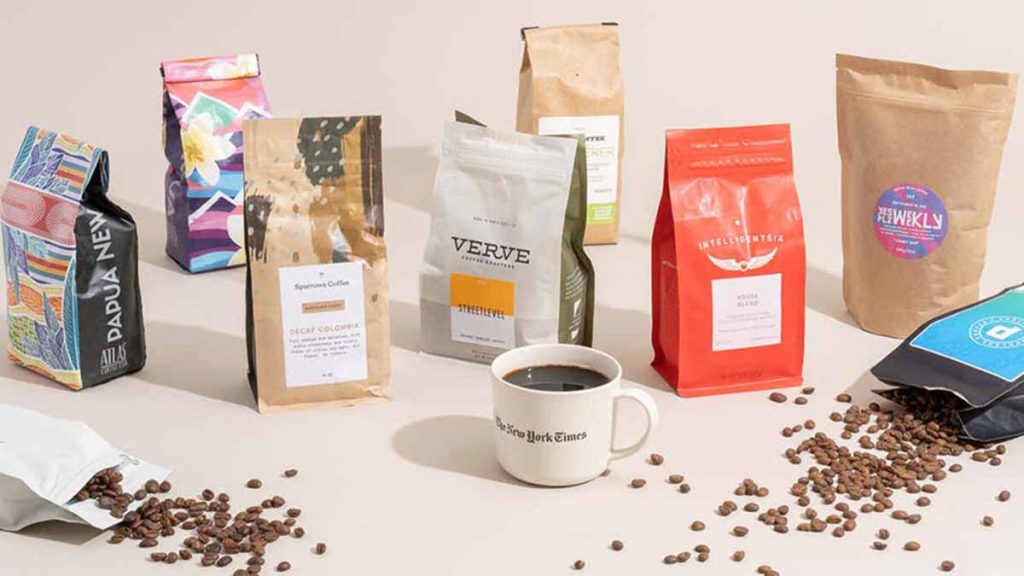
The packaging of coffee is not only to protect it from environmental factors such as air, moisture, and sunlight, but also to ensure that the coffee is still fresh and delicious when it reaches the hands of consumers. Whether from the farm to the roastery or from the roastery to the hands of consumers, the role of packaging cannot be ignored. The quality of coffee packaging design directly affects the shelf life, flavor, and safety of coffee during transportation.
Common Coffee Packaging Materials
Packaging materials play a crucial role in the coffee transportation process. Common coffee packaging materials include aluminum foil bags, Mylar bags, plastic bags, and paper bags, each with its unique advantages and disadvantages. Choosing the right packaging material helps extend the shelf life of coffee and reduces the impact of external environmental factors.
| Packaging Material | Characteristics | Advantages | Disadvantages | Common Uses |
|---|---|---|---|---|
| Aluminum Foil Bags & Mylar Bags | Strong barrier properties, preventing air, moisture, and sunlight penetration, preserving flavor and aroma, equipped with degassing valves. | Preserves freshness and aroma; moisture and light protection; degassing valve prevents bag expansion or bursting. | Relatively high cost, not suitable for low-cost packaging. | High-quality coffee packaging, international shipping. |
| Plastic Packaging | Low-cost, provides some protection, but poor barrier properties. Often combined with inner coatings or vacuum sealing. | Low cost, lightweight, suitable for bulk shipping. | Poor barrier properties, prone to moisture or oxidation, requires additional protection. | Low-cost coffee packaging, short-distance shipping. |
| Paper Bag Packaging | Eco-friendly material, biodegradable. Good breathability, helps keep coffee dry, but poor moisture protection. | Environmentally friendly, breathable, keeps coffee dry. | Poor moisture protection, may affect long-term freshness, needs inner aluminum or plastic layer. | Eco-friendly coffee brands, sustainability-focused markets. |
6 Common Types of Coffee Packaging
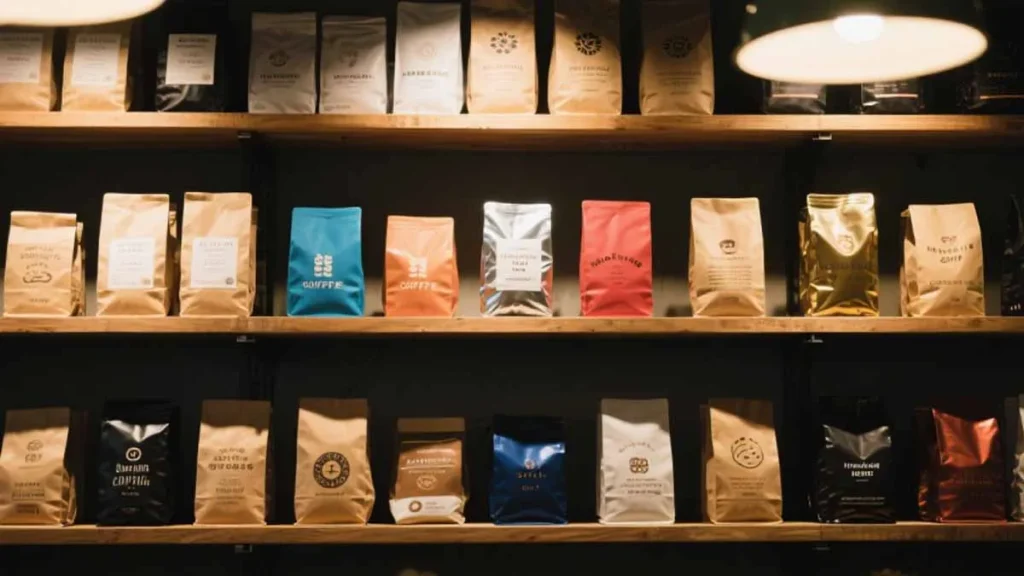
Different types of coffee packaging options vary to ensure the product remains in optimal condition during shipping, storage, and shelf life. Here is an overview of some common coffee packaging options:
1. Valve Sealed Coffee Bags: Ensuring Freshness with Airflow Control
What is valve sealing?
Valve-sealed bags are a type of packaging that allows gases from inside the bag to escape without letting any external air in. This design is particularly important for freshly roasted coffee, as it allows the release of carbon dioxide (CO2) from the beans without letting in oxygen, which can degrade the flavor.
Why valve-sealed bags are ideal for coffee
Valve-sealed bags are highly effective at preserving the flavor and aroma of coffee. These bags maintain an airtight seal, keeping moisture and air out, while the one-way valve allows the naturally released gases to escape, preventing the bag from inflating and ensuring the coffee remains fresh.
Key advantages
- Excellent at maintaining freshness for longer periods
- Prevents bags from bursting or becoming bloated during transit
- Suitable for both ground coffee and whole beans
Common applications
Valve-sealed bags are commonly used for packaging roasted coffee beans and ground coffee, especially for high-end or freshly roasted products.
2. Vacuum Sealed Coffee Bags: The Power of Total Air Removal
Understanding vacuum sealing
Vacuum-sealed bags are designed to remove all air from the packaging. This method reduces the oxygen exposure to the coffee beans or grounds, which slows down the oxidation process and helps to preserve the flavor. By creating a vacuum, these bags significantly reduce the risk of spoilage.
Why it works for whole beans and ground coffee
Vacuum-sealed packaging is ideal for preserving whole beans because it prevents oxygen from deteriorating the coffee’s flavor. However, it’s also used for ground coffee, although the bags do not address the buildup of gases from the roasting process, which can affect the freshness of ground coffee over time.
Limitations
While vacuum-sealed bags work well to extend shelf life, they are not ideal for freshly roasted coffee beans because the lack of degassing may cause the bag to expand or even rupture.
Where it’s used
These bags are mostly u
3. Stand-Up Coffee Pouches: Flexible and Practical Packaging for Retail
How stand-up pouches work
Stand-up pouches are flexible, lightweight bags that can stand upright on store shelves, making them a popular choice for retail coffee packaging. They are easy to fill, seal, and display, offering a practical solution for both small and large coffee brands.
Design and usability
The design of stand-up pouches allows coffee brands to showcase their products effectively on retail shelves. They typically feature resealable zippers for convenience, and their compact design makes them easy to store at home or in a kitchen.
The best features
- Lightweight and space-efficient
- Resealable for convenience
- Easy to store and display
- Often used for ground coffee or coffee blends
Common use cases
Stand-up pouches are ideal for retail environments where shelf space is limited. They are widely used for ground coffee and pre-packaged coffee pods.
4. Tin-Tie Coffee Bags: Eco-Friendly, Simple, and Reusable
What are tin-tie bags?
Tin-tie bags are made from paper or foil and feature a metal tie that can be folded to close the bag after it’s been opened. This type of packaging is a more traditional, eco-friendly option that is often used by small-batch roasters or artisanal coffee brands.
Why they’re eco-friendly
Tin-tie bags are often made from recyclable materials, such as paper or foil, making them a more environmentally conscious choice compared to plastic alternatives. Many brands use them for small-batch coffee or specialty blends, emphasizing sustainability.
Pros of tin-tie bags
- Affordable and simple to use
- Reusable and recyclable
- Great for small-batch or artisanal coffee
Ideal for small batches or artisanal coffee
Tin-tie bags are ideal for smaller coffee brands that focus on quality and sustainability. They allow customers to easily reseal the package after use, preserving freshness.
5. Coffee Pods: Perfect for Quick Brewing
The rise of pod coffee
Coffee pods are single-serving portions of ground coffee, packaged in a small, sealed container. This method of packaging offers consumers the ultimate convenience for quick brewing, especially with single-serve coffee machines like Keurig or Nespresso.
Why pod packaging is essential
Each pod is hermetically sealed to maintain the freshness of the coffee, ensuring a consistent taste every time. These pods are designed to provide optimal freshness, flavor, and convenience for consumers who want a quick cup of coffee without any mess.
Sustainability challenges
While coffee pods offer a lot of conveniences, they have faced criticism for their environmental impact. Many brands are now seeking eco-friendly alternatives, such as compostable pods, to address concerns over single-use plastic waste.
Where it’s used
Pod coffee packaging is typically used for pre-packaged ground coffee meant for single-serve machines. It’s a popular choice in both homes and offices due to its convenience.
6. Flexible Coffee Pouches and Other Lightweight Options
What are flexible pouches?
Flexible pouches are lightweight, resealable packaging options that offer both space and cost-saving benefits. They are typically made from multi-layered materials that provide a strong barrier against moisture, air, and light, ensuring the coffee stays fresh for longer.
How they help with cost and convenience
Flexible pouches are not only more affordable than rigid packaging but also more convenient to ship and store. Their lightweight design reduces shipping costs and environmental impact compared to heavier packaging.
Applications in the coffee industry
Flexible pouches are commonly used for instant coffee, ground coffee, or bulk coffee sales. They are easy to pack and transport, making them an efficient option for coffee producers looking to reduce packaging costs.
Sustainability
While flexible pouches are lighter and less wasteful compared to plastic cans, they still face sustainability challenges. However, many manufacturers are moving towards recyclable or biodegradable versions to improve their environmental footprint.
Conclusion
Coffee packaging is not only about the product’s appearance or brand image but directly affects the coffee’s quality, flavor, and shelf life. From material selection to packaging innovation, every detail of coffee packaging matters. As awareness of environmental sustainability grows, the future of coffee packaging will move towards more eco-friendly practices.
FAQs
Why is a degassing valve needed in coffee packaging?
A degassing valve helps release the gases produced during roasting, preventing the bag from bursting due to high internal pressure while maintaining the coffee’s freshness.
Which packaging is best for long-distance coffee shipping?
Vacuum packaging, aluminum foil bags, and packaging materials with degassing valves are ideal for long-distance shipping as they effectively maintain freshness and flavor.
Which is more eco-friendly, paper bag packaging or plastic bag packaging?
Paper bags are generally considered more eco-friendly but need to be combined with other materials to ensure moisture protection. Plastic bags, while cheap, are harder to recycle.
What should be considered in international coffee shipping packaging?
International coffee packaging must comply with each country’s customs and food safety regulations, while ensuring the coffee remains intact during long periods of transport.
Does vacuum packaging affect the coffee’s flavor?
Vacuum packaging helps minimize oxidation, preserving the flavor and aroma of coffee by reducing exposure to air.