
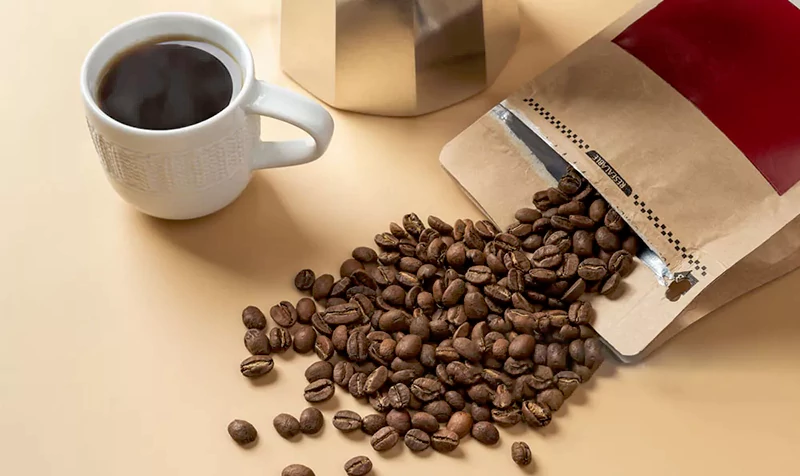
You grab your morning bag of coffee, eager for that first whiff of freshly roasted coffee, but sometimes figuring out how to open a coffee bag feels like a puzzle. Good news: opening the bag the right way matters just as much as how you store it. If you don’t store coffee properly, you’ll notice the flavor quickly fades. In fact, studies show coffee’s odor and flavor intensity drop from 8.13 to 7.10 in just nine months when not stored well. Check out the table below to see how different storage methods affect your coffee’s taste:
Condition/Storage Method | Time Frame / Effect on Flavor |
|---|---|
Whole coffee beans (once opened) | Best used within 2-3 weeks |
Frequent exposure to air | Speeds up oxidation and flavor loss |
Exposure to light | Accelerates aging and flavor loss |
How to open a coffee bag and keep those beans fresh? The right method for your bag type makes all the difference.
Key Takeaways
Open your coffee bag carefully using the right method for its seal type to keep beans fresh longer.
Always reseal your coffee bag tightly after use to reduce air exposure and preserve flavor.
Store coffee beans in cool, dark places using airtight containers to protect them from light, heat, and moisture.
Use your coffee beans within 2 to 3 weeks after opening for the best taste and aroma.
Freezing coffee beans in airtight containers can extend freshness, but avoid storing them in the fridge.
Coffee Bag Seal Types
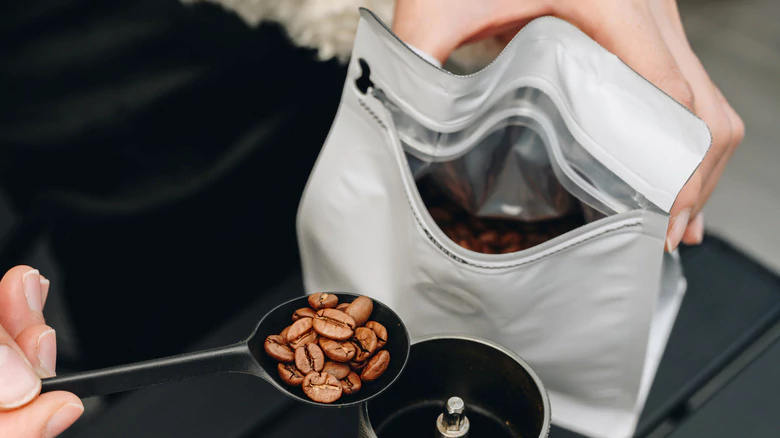
Choosing the right coffee bag sealing methods can make a big difference in how long your coffee stays fresh. Let’s look at the most common seal types you’ll find on coffee bags today.
Zipper Seal
You probably know this one as the ziplock. Zipper seals are super popular because they let you open and close your coffee bag over and over. This style is all about convenience. You just press the two sides together to seal the bag tight. Ziplock seal coffee bags keep air out and lock in flavor, which is why so many people love them. You’ll often see these on stand-up pouches, which are growing fast in the market because they’re easy to use and look great on shelves.
Tin-Tie
Tin-tie bags have a thin metal strip at the top. You fold the top of the bag down and bend the tie over to keep it closed. This method is simple and works well if you want to reseal your coffee after each use. Tin-tie bags are common for both retail and bulk coffee. They don’t seal as tightly as ziplock bags, but they still help keep your beans fresh for a while.
Valve Bag
Valve bags come with a one-way valve. This little feature lets carbon dioxide escape from freshly roasted coffee but stops air from getting in. You get the best of both worlds—your coffee can breathe, but it won’t go stale quickly. Valve bags are a favorite for specialty coffee brands that want to show off their freshness.
Heat-Sealed
Heat-sealed bags use a special machine to melt the top of the bag shut. You need scissors or a tear notch to open them. This seal is super strong and keeps out air, moisture, and light. Many premium coffee brands use heat-sealed bags for maximum protection. Once you open the bag, you’ll want to use a clip or transfer the beans to an airtight container.
Jute Bag
Jute bags are made from natural fibers and are often used for shipping large amounts of coffee. They look rustic and are eco-friendly, but they don’t seal tightly. You’ll usually see these bags at coffee farms or roasteries, not in your local grocery store.
Tip: Modern coffee packaging, like BN Pack’s Custom Flexible Packaging, offers all these seal types with eco-friendly materials. You can even customize your bag with features like resealable zippers, degassing valves, and unique shapes to match your brand’s style and sustainability goals.
Here’s a quick look at how different coffee bag types stack up in the market:
Coffee Bag Seal Type | Popularity/Trend | Key Advantages/Effectiveness |
|---|---|---|
Stand-up Pouches | Fastest-growing segment | Versatile, convenient, excellent barrier properties, retail appeal |
Flat Bottom Bags | Favored for premium/specialty coffee | Stable base, storage efficient, durable, good branding surface |
Side Gusset Bags | Traditional and cost-effective | Flexible, expandable, proven performance |
Quad Seal Bags | Popular for high-end/specialty coffee | Durable with four sealing edges, sleek appearance, strong protection |
Resealable Bags | Increasing demand | Maintain freshness after opening, convenience |
Vacuum Bags | Niche but effective | Preserve freshness by removing air, less convenient for daily use |
Pillow Bags | Simple and cost-effective | Limited protection compared to advanced options |
With so many options, you can pick the coffee bag sealing methods that fit your needs and keep your coffee tasting amazing.
How to Open a Coffee Bag
Opening a fresh bag of coffee can feel like a small ritual. If you do it right, you keep the beans tasting their best. Let’s break down how to open a coffee bag for each common type, so you can enjoy every cup at peak freshness.
Zipper Seal Method
Zipper seal bags, sometimes called ziplock bags, are all about convenience. You’ll see these on many modern coffee packages.
Hold the top of the bag with both hands.
Gently pull apart the zipper seal. You might hear a soft pop as the seal opens.
Pour out the amount of coffee you need.
Press the zipper seal back together, running your fingers along the top to make sure it’s fully closed.
Tip: Always squeeze out as much air as possible before resealing. This keeps your coffee fresher for longer.
If your bag has a sticky strip instead of a zipper, fold the top down and press the strip to seal. If you notice the seal isn’t tight anymore, transfer your beans to an airtight container.
Tin-Tie Method
Tin-tie bags have a metal strip at the top. They’re classic and easy to use, but you need to open them the right way to avoid spills.
Find the tape or sticker on the back of the bag. Peel it off carefully.
Unfold the top flap to reveal the tin tie.
Use kitchen scissors to cut just above the tin tie. This gives you a clean edge and prevents tearing.
After pouring out your coffee, fold the bag top over the tin tie.
Twist the tin tie tightly to reseal.
Note: Don’t rip the bag open by hand. This can cause messy tears and make it harder to reseal.
Store your resealed bag in a cool, dry place away from sunlight. This helps protect your coffee from air and moisture.
Valve Bag Method
Valve bags are popular for specialty coffee. They have a one-way valve that lets gases escape but keeps air out.
Look for a tear notch or ziplock at the top of the bag.
Use the notch to tear open the bag, or gently pull apart the ziplock if there is one.
Avoid using sharp objects near the valve. Damaging the valve can let air in and ruin freshness.
Pour out your coffee, then reseal the bag by pressing the zipper or folding the top and twisting a tin tie if present.
Tip: Don’t squeeze the bag to force out air. This can push out aromatic compounds and reduce flavor.
Valve bags work best when you handle them gently. The valve keeps releasing gas even after you open the bag, so proper resealing is key.
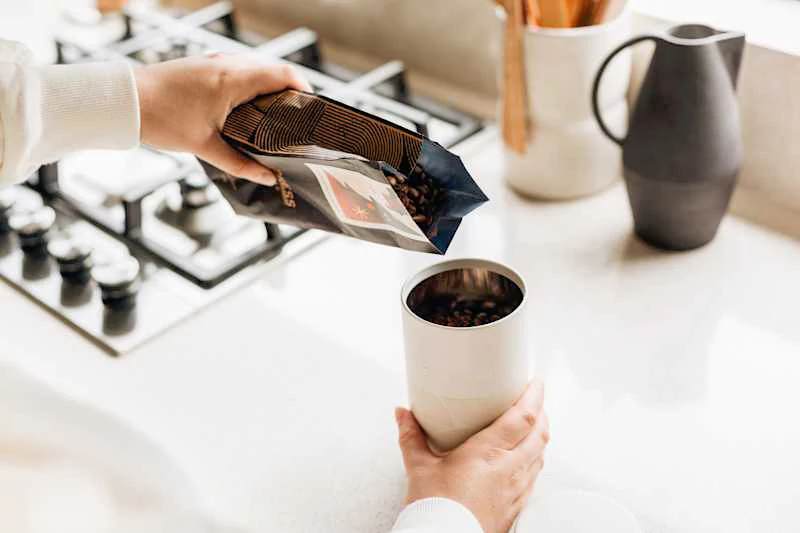
Heat-Sealed Method
Heat-sealed bags are common for premium coffee. They have a strong, airtight seal at the top.
Find the neat, sealed edge at the top of the bag.
Use scissors or a bag cutter to cut straight across, just below the seal. Try to make a clean cut to avoid jagged edges.
Open the bag and pour out your coffee.
If the bag has a ziplock or tin tie inside, use it to reseal. If not, fold the top down and use a clip, or transfer the beans to an airtight container.
Tip: Always cut just enough to open the bag. Cutting too much can make it hard to reseal or use a clip.
Heat-sealed bags are designed to keep out air, moisture, and light. Once opened, resealing is your best defense against staleness.
Jute Bag Method
Jute bags are usually for large amounts of coffee, but you might see them at a roastery or farmers market.
Untie or cut the string at the top of the bag.
Gently unfold the opening to avoid spilling beans.
Scoop out the amount of coffee you need.
Fold the top of the bag down and tie it closed with the original string or a new one.
Note: Jute bags don’t seal tightly. For home use, transfer your beans to a smaller, airtight container after opening.
If you want to know how to open a coffee bag and keep your beans tasting great, always focus on minimizing air exposure and resealing the bag well. Each bag type has its own tricks, but the goal stays the same—protect your coffee’s flavor and aroma.
Storage Tips
Resealing
After you open your coffee bag, resealing it the right way makes a big difference in the preservation of freshness. If your bag has a zipper seal, press out as much air as you can, then run your fingers along the zipper to close it tightly. For tin-tie bags, fold the top down and bend the tie over. Valve bags with ziplocks work best when you push out extra air before sealing. If your bag doesn’t reseal well, use a clip or transfer the beans to an airtight container. BN Pack’s Custom Flexible Packaging often includes one-way degassing valves, which let carbon dioxide escape while blocking oxygen. This helps keep your freshly roasted coffee tasting great.
Tip: Reseal your bag every time you use it. Oxygen is the enemy of fresh coffee.
Airtight Containers
Airtight containers are your best friend for preserving coffee freshness. Choose opaque, airtight containers to protect your beans from air, moisture, and odors. Mason jars with new lids or containers with one-way valves work well. Here’s a quick look at common container sizes:
Container Type | Approximate Capacity (g) |
|---|---|
40ml specimen container | 16-20g |
50ml centrifuge tube | 20-22g |
60ml specimen container | 25-29g |
90ml specimen container | 33-41g |
Reusable containers help you avoid plastic waste and keep your coffee’s aromas locked in.
Avoiding Light and Heat
Store your coffee in a cool, dark place. Light and heat speed up flavor loss and can ruin those delicate aromas. Opaque containers or dark cabinets work best. Coffee absorbs moisture and odors, so keep it away from the stove, window, or fridge. Scientific studies show that light and high temperatures break down flavor compounds, making your coffee taste flat.
Freshness Timeline
How long does fresh coffee last? Here’s a handy table to guide you:
Storage Condition | Retains Freshness Duration |
|---|---|
Roasted coffee beans at room temp | 1–3 weeks |
Roasted coffee beans refrigerated | 2 weeks |
Roasted coffee beans frozen | 3–4 months |
For the best cup, use your beans within two weeks of opening. Freezing can extend shelf life, but always use an airtight container to prevent freezer odors from sneaking in. With the right storage, you’ll enjoy every sip of your coffee at its peak.
You now know how to open every type of coffee bag and keep your beans tasting fresh. When you open coffee bags the right way and store them well, you slow down staling and protect those rich aromas. Studies show that oxygen speeds up coffee aging, but smart storage—like using airtight containers or freezing—helps preserve flavor longer. Try these tips with your next bag of coffee. Want to take it further? Invest in a quality airtight container or choose eco-friendly packaging like BN Pack’s to keep your coffee at its best.
FAQ
How do I know if my coffee bag has a degassing valve?
Look for a small, round plastic piece on the front or back of the bag. This is the degassing valve. It lets gas out but keeps air from getting in. Most specialty coffee bags have this feature.
Can I store coffee beans in the fridge?
You shouldn’t store coffee beans in the fridge. Beans can absorb moisture and odors from other foods. This can change the flavor. Keep your beans in a cool, dark place instead.
What should I do if my coffee bag won’t reseal?
If your bag won’t close tightly, use a bag clip or transfer the beans to an airtight container. This keeps air out and helps your coffee stay fresh longer.
Is it okay to freeze coffee beans?
Yes, you can freeze coffee beans to extend freshness. Use an airtight container. Only take out what you need, then return the rest to the freezer right away.
How long do coffee beans stay fresh after opening?
Whole beans taste best within 2–3 weeks after opening.
Store them in an airtight container away from light and heat.
For the freshest cup, grind just before brewing.