
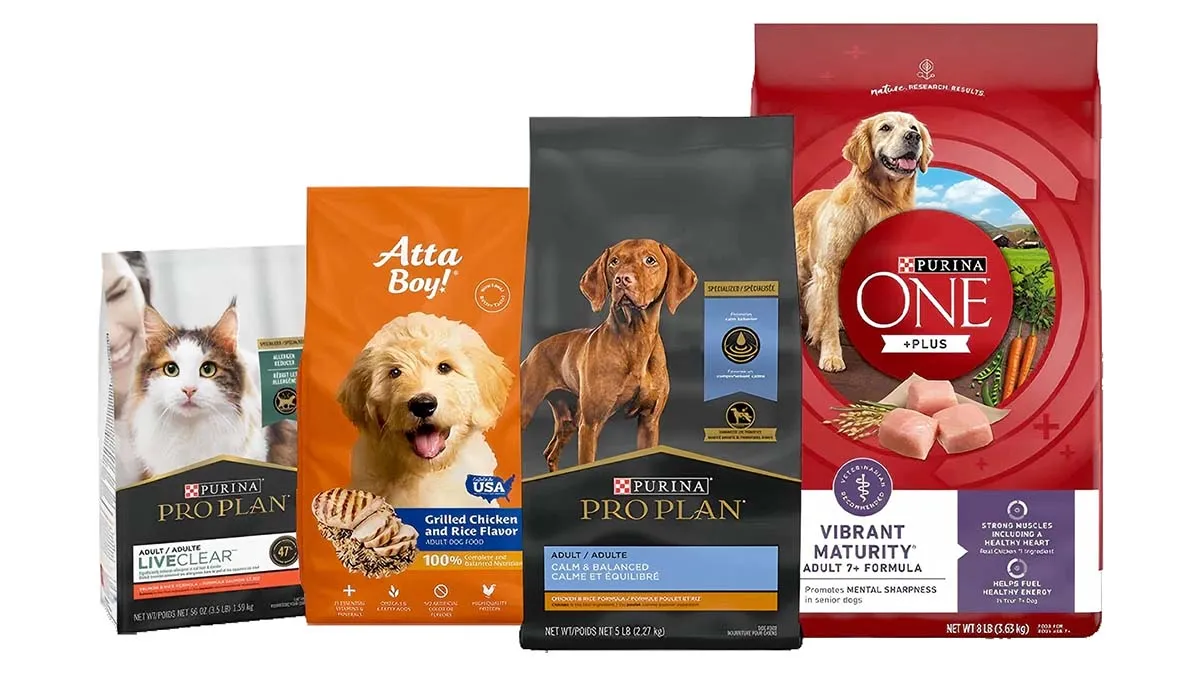
As environmental awareness continues to rise, more consumers are paying attention to the recyclability of the pet food packaging they purchase. However, most dog food bags are actually not recyclable because they are typically made from multi-layer materials. These materials include plastic, paper, and sometimes aluminum foil, making them difficult to separate and recycle through regular processes.
So, are dog food bags recyclable? Let’s dive into this issue and explore the details.
What Are Dog Food Bags Made Of?
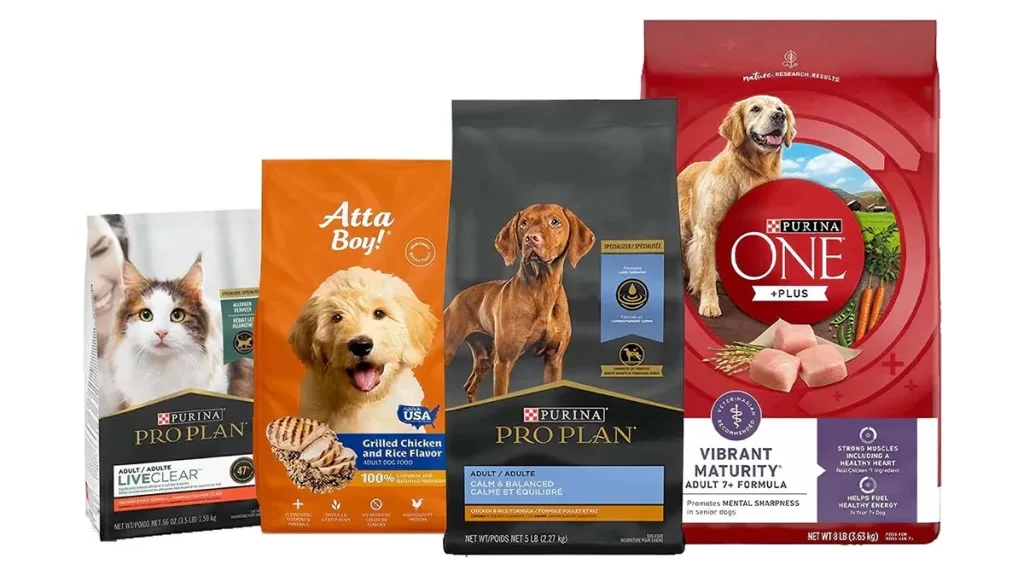
Most dog food bags are composed of multiple materials, which make them difficult to recycle. Common materials used in dog food bags include:
| Material Type | Benefits | Drawbacks |
|---|---|---|
| Plastic Layer | Keeps food fresh and provides water resistance | Hard to recycle, especially when part of multi-layer bags |
| Paper | Environmentally friendly and recyclable, but often has a plastic liner or foil for protection | Usually paired with a plastic layer, which affects recyclability |
| Aluminum Foil Layer | Prevents moisture and oxidation, maintaining freshness | Difficult to separate; often bonded tightly with plastic, making recycling challenging |
These multi-layer composite materials (e.g., plastic, paper, and aluminum foil combinations) are generally difficult to separate, and most recycling facilities are not equipped to handle them. As a result, many dog food bags are rejected during recycling.
The Challenges of Recycling Dog Food Bags
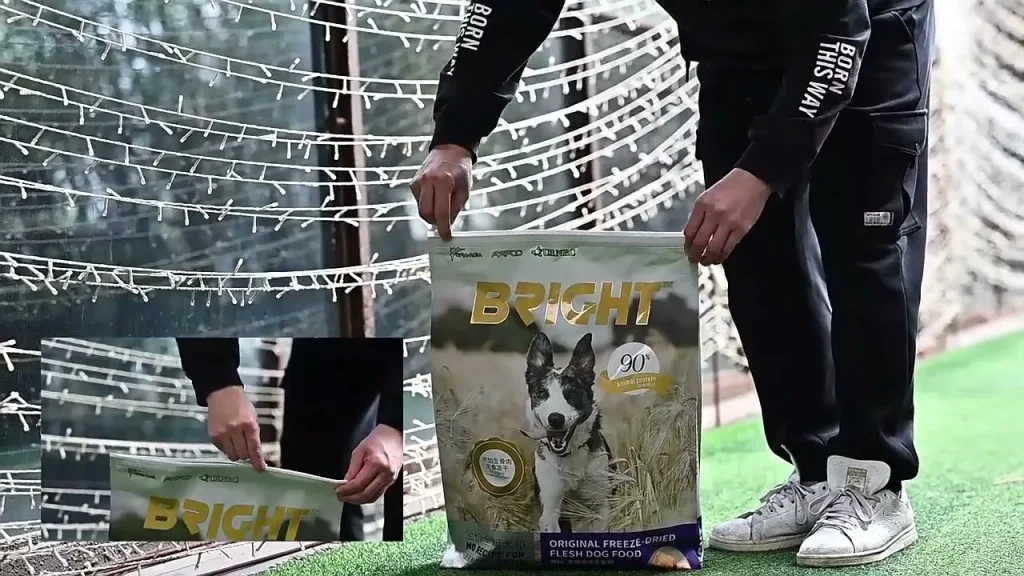
Due to the use of multi-layer composite materials, most dog food bags are not recyclable as a whole. These composite materials require specialized equipment to separate, but most recycling facilities are not equipped with such technology.
- Plastic and Aluminum Foil Layers Are Hard to Separate: Multi-layer bags with plastic and aluminum foil are tightly bonded together, making it nearly impossible to recycle them like single-material bags.
- Contamination Issues: Dog food bags often contain oils or food remnants, which further contaminate the recycling process and prevent the bags from being processed by traditional recycling methods.
So while certain types of dog food bags might theoretically have recycling potential, the structural issues caused by multi-layer materials mean they usually don’t make it through most recycling programs.
Which Dog Food Bags Are Recyclable?
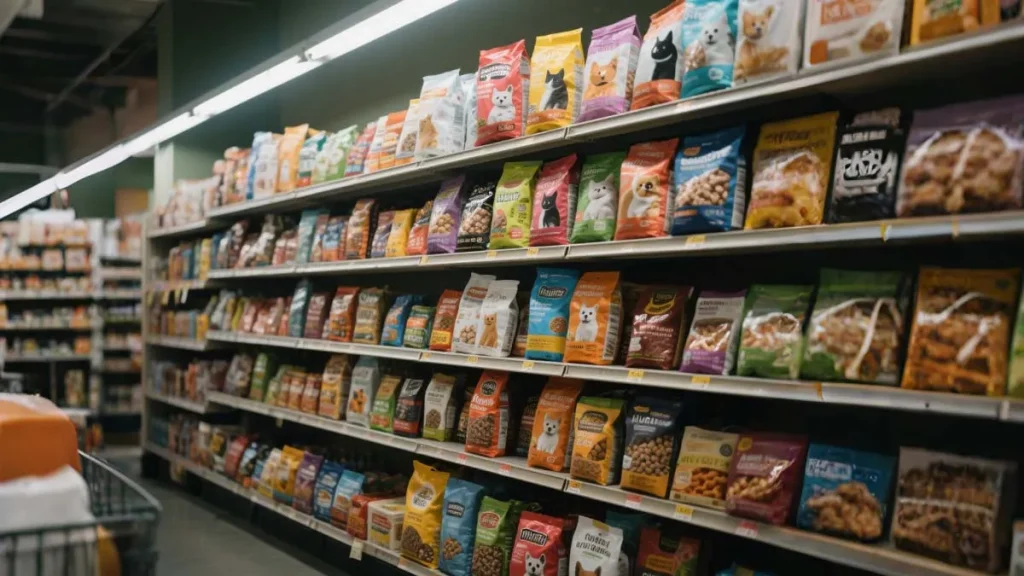
Although most dog food bags are not recyclable, some brands are working on more eco-friendly solutions. Here are some better options:
| Packaging Type | Recyclable | Benefits | Important Notes |
|---|---|---|---|
| Single-Layer Plastic Bags | Can be recycled in some areas | Simple, single-material packaging, easier to recycle | May not be accepted in all recycling programs, check local policies |
| Paper Packaging | Mostly recyclable | Paper is easier to recycle, but often paired with a plastic liner or inner foil | Paper packaging often contains a plastic layer, which affects overall recyclability |
| Plastic-Free Packaging | Generally recyclable | Completely plastic-free, more eco-friendly | Limited availability, choose eco-conscious brands |
How to Properly Dispose of Dog Food Bags
While most dog food bags are not recyclable, that doesn’t mean they should go straight into the trash. Here are some tips to minimize their environmental impact:
- Clean the Bag: If you decide to discard the dog food bag, make sure it is free of leftover food or grease. Clean bags are more likely to be accepted for recycling.
- Avoid Regular Recycling Bins: Because these bags are multi-layer composites, they are unlikely to be accepted by most recycling centers. Look for designated recycling programs or special centers that accept them.
- Find Specialized Recycling Programs: Some brands and retailers have launched dog food bag recycling programs. You can send used bags to these programs for responsible disposal.
Alternatives: Choosing Sustainable Dog Food Packaging
If you want to reduce your environmental impact, consider choosing brands that use more sustainable packaging materials. Here are some more eco-friendly packaging options:
- Compostable Packaging: Some brands have introduced compostable dog food bags, which break down naturally, reducing long-term environmental impact.
- Plastic-Free Paper Packaging: Certain brands have moved away from plastic bags, opting for 100% recyclable paper packaging to increase the sustainability of their products.
- Plastic-Free Packaging: Advanced brands are experimenting with completely plastic-free packaging materials, which significantly reduce environmental harm.
At BN Packaging, we are committed to providing innovative and eco-friendly packaging solutions for the pet food industry. Our team specializes in developing sustainable, recyclable, and compostable packaging options that help pet food brands reduce their environmental footprint while maintaining high-quality performance. By choosing our solutions, you’re not just getting reliable packaging, you’re also contributing to a more sustainable future for the industry.
By choosing these alternatives, you can reduce waste while promoting the development of more sustainable pet food packaging.
Looking Ahead: The Future of Dog Food Packaging Sustainability
As consumer demand for environmentally friendly products grows, more packaging manufacturers, including BN Packaging, are pushing for sustainable reform in the pet food packaging industry. In the next few years, we might see:
- Innovative Materials: New biodegradable materials and bio-based plastics may become trends for dog food bags, reducing plastic pollution even further.
- Wider Recycling Channels: With industry collaboration and technological advancements, more recycling facilities may be able to process multi-layer composite materials, increasing recycling rates.
- The Green Transformation of the Pet Food Industry: More brands are likely to choose eco-friendly packaging, driving the industry toward sustainable development. At BN Packaging, we are at the forefront of this transformation, providing packaging solutions that are not only practical but also environmentally responsible.
Conclusion
Most dog food bags, due to the use of multi-layer materials like plastic, paper, and aluminum foil, are not recyclable. However, some brands are shifting to more eco-friendly packaging, and consumers can support these options. By understanding how to handle and dispose of dog food bags correctly, you can help reduce waste and environmental impact while providing quality food for your pets.
FAQ: Dog Food Bags and Recycling
1. Can I recycle my dog food bag?
Unfortunately, most dog food bags are not recyclable due to the combination of materials used in their construction. These bags often contain layers of plastic, paper, and aluminum foil, which are difficult to separate and recycle. However, some bags made from a single material, like certain paper bags or plastic-free options, may be recyclable in specific areas. Be sure to check with your local recycling center for guidelines.
2. What happens to dog food bags when they cannot be recycled?
When dog food bags cannot be recycled, they usually end up in landfills. This can contribute to environmental pollution, especially because the bags are made from non-biodegradable materials. However, some brands are working on alternatives like compostable bags to minimize this impact.
3. Are there any brands that use recyclable dog food bags?
Yes, some pet food brands are moving toward more eco-friendly packaging. For example, some use paper bags without plastic linings, while others offer bags made from biodegradable materials. Look for brands that emphasize sustainability in their packaging. These bags are more likely to be recyclable or compostable, depending on their composition.
4. How can I dispose of my dog food bag responsibly?
If you cannot recycle your dog food bag, try the following:
- Clean it thoroughly: Make sure the bag is free of food remnants or oil to increase its chances of being accepted by a recycling center.
- Look for specialized recycling programs: Some brands and retailers have dog food bag recycling initiatives. Research if your local area has such programs.
- Use alternative disposal methods: If you cannot recycle, consider repurposing the bag for other uses (e.g., trash bag, storage) before disposal.
5. Can I compost my dog food bag?
If your dog food bag is made of compostable materials, it can be composted. However, most traditional dog food bags are not compostable due to the materials used in their construction, such as plastic and foil linings. Always check the packaging for compostability labels to confirm.
6. Are there alternatives to traditional dog food bags?
Yes, several brands are beginning to use sustainable packaging options, including:
- Biodegradable bags that decompose naturally over time.
- Plastic-free packaging such as paper bags or plant-based materials.
- Reusable containers designed for dog food storage, which help reduce single-use packaging.
Choosing these alternatives can help reduce your pet’s carbon pawprint and contribute to a more sustainable lifestyle.
7. What are the environmental impacts of non-recyclable dog food bags?
The main environmental concern with non-recyclable dog food bags is that they contribute to plastic pollution. Because many dog food bags are made of materials that don’t break down easily, they can take years to decompose in landfills. Additionally, the production of these bags requires resources like petroleum and energy, further contributing to carbon emissions.
8. Why are dog food bags made with so many layers?
Dog food bags are designed with multiple layers of materials (plastic, paper, aluminum) to protect the food from moisture, air, and light, ensuring freshness and preserving nutritional content. However, these layers also create challenges for recycling.