
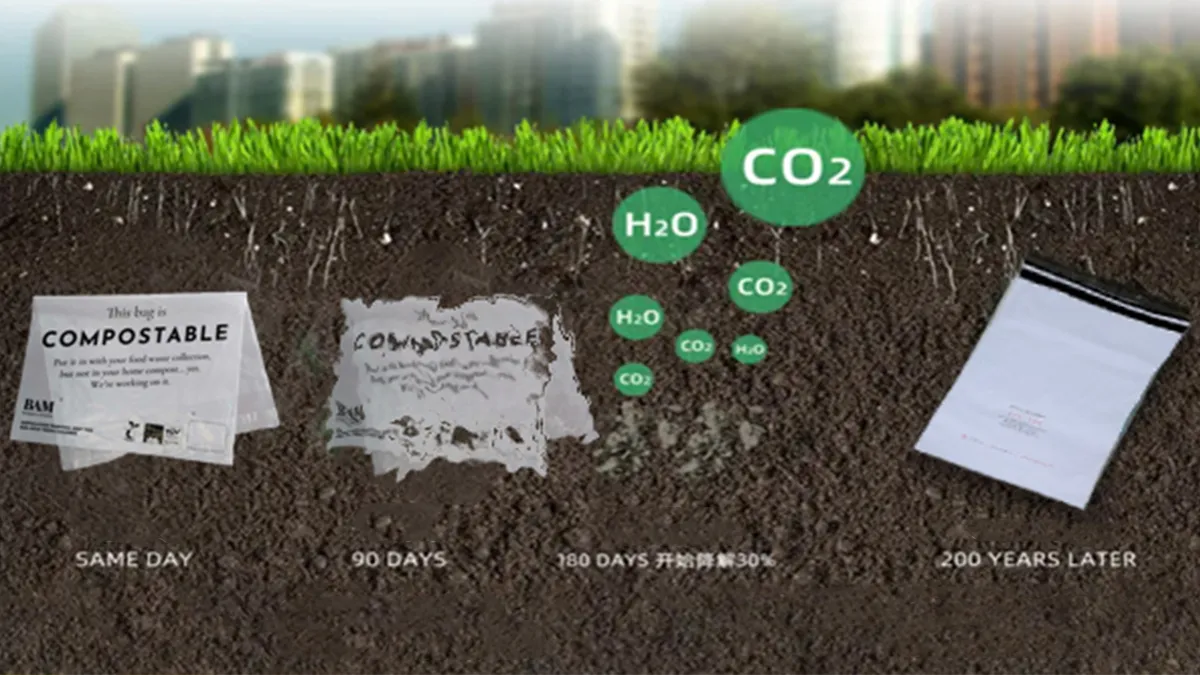
In recent years, biodegradable packaging has become an essential aspect of sustainable development as the world grapples with increasing plastic pollution. Consumers, governments, and industries alike are turning to environmentally friendly alternatives to traditional plastic packaging. This shift is driven by the need to reduce waste, lower environmental impact, and foster a circular economy. In this article, we will explore the most common materials used in biodegradable packaging and their benefits, limitations, and future in the packaging industry.
What is Biodegradable Packaging?
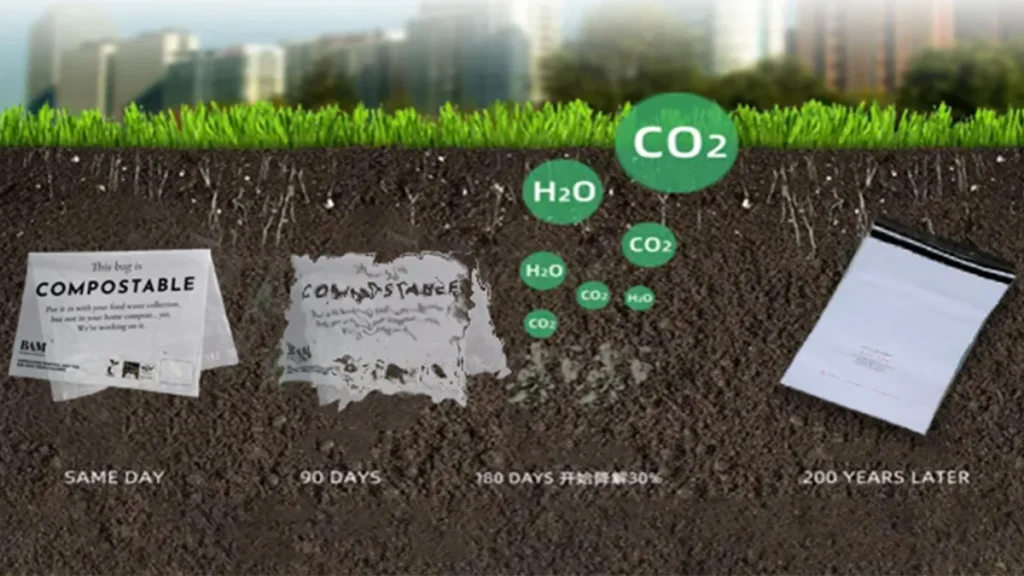
Biodegradable packaging refers to materials that decompose naturally over time through biological processes, breaking down into non-toxic components that do not harm the environment. Unlike conventional plastic, which can take hundreds of years to degrade, biodegradable packaging materials are designed to break down relatively quickly, leaving no harmful residues.
Key Characteristics of Biodegradable Packaging
- Degradation: Biodegradable materials break down into natural elements like water, carbon dioxide, and biomass.
- No Harmful Pollutants: These materials do not release harmful chemicals or toxins into the environment as they decompose.
- Composting: Many biodegradable packaging options are compostable, meaning they can be safely converted into nutrient-rich soil in appropriate conditions.
Common Biodegradable Packaging Materials
Now, let’s take a closer look at the key biodegradable materials commonly used in the packaging industry.
1. PLA (Polylactic Acid)
PLA is a bioplastic made from renewable resources such as corn starch, sugarcane, or cassava. It is commonly used for food packaging, single-use items like cups and plates, and other disposable packaging products.
- Advantages:
- Biodegradable and compostable in industrial composting environments.
- Derived from renewable resources, reducing reliance on fossil fuels.
- Suitable for a wide range of packaging applications, particularly in the food industry.
- Limitations:
- Requires specific conditions for biodegradation (industrial composting).
- Low heat resistance, which may limit its use in certain applications.
2. PVA (Polyvinyl Alcohol)
PVA is a water-soluble polymer, often used in the production of single-use packaging such as detergent pods, agricultural films, and packaging for personal care products.
- Advantages:
- Completely dissolves in water, leaving no toxic residues behind.
- Suitable for applications where water solubility is important, such as laundry pods or agricultural applications.
- Limitations:
- Can only be used in specific applications, particularly where water exposure is involved.
- Limited in terms of durability for packaging that requires sturdiness.
3. Paper and Cardboard
Paper and cardboard are classic biodegradable materials made from wood fibers. These materials are widely used in food packaging, gift bags, and retail packaging due to their availability and recyclability.
- Advantages:
- Easily biodegradable and compostable in natural environments.
- Cost-effective and widely available.
- Can be recycled and reused multiple times.
- Limitations:
- The production process uses significant water and energy.
- Can require plastic coatings to enhance durability, which may impact biodegradability.
4. FSC Certified Paper
FSC-certified paper is sourced from responsibly managed forests and is often combined with plant-based inks for a fully sustainable packaging solution.
- Advantages:
- Supports sustainable forestry practices.
- Biodegradable and recyclable.
- Limitations:
- The production process still requires significant resources, including water and energy.
- Limited to applications where paper’s durability is sufficient for the product’s protection.
5. Cellulose-Based Films
Cellulose-based films are made from wood pulp or plant fibers and can be used as packaging materials for a wide range of products, including food packaging.
- Advantages:
- Fully biodegradable, water-resistant, and can be used for food packaging.
- Can be produced from renewable resources.
- Limitations:
- Can be expensive to produce at scale.
- Requires specific conditions for effective biodegradation.
6. Starch-Based Materials
Starch-based packaging, often derived from corn, potatoes, or other starch-rich plants, is commonly used for items such as packaging peanuts, trays, and bags.
- Advantages:
- Biodegradable and compostable.
- Derived from renewable sources, reducing the environmental impact.
- Limitations:
- Susceptible to moisture, which can limit its use in some applications.
- Less durable than plastic materials.
7. Mushroom Packaging
Mushroom packaging is made from the mycelium (root structure) of mushrooms and is a biodegradable material that has gained attention for its sustainability.
- Advantages:
- 100% biodegradable and decomposes naturally.
- Can be used for protective packaging for fragile products.
- Limitations:
- Still a relatively niche market with limited availability.
- High production costs compared to traditional materials.
What Material is 100% Biodegradable?
Some biodegradable materials can decompose entirely into natural elements within a short time. These materials are referred to as “100% biodegradable,” as they break down into water, carbon dioxide, and organic matter, leaving no harmful residues behind.
Examples of 100% Biodegradable Materials:
- Mushroom Packaging: This innovative material, made from fungal mycelium, is completely biodegradable and decomposes naturally.
- Starch-Based Plastics: Made from corn, potatoes, or other starch-rich plants, starch-based plastics break down entirely into natural substances without leaving any toxic remnants.
- Cellulose Films: Cellulose-based films decompose fully under appropriate conditions and do not release harmful chemicals during the process.
Material Breakdown Time:
- Mushroom Packaging: Breaks down within a few weeks to months, depending on environmental conditions.
- Starch Plastics: Typically breaks down within 1–6 months in appropriate composting conditions.
- Cellulose Films: Can take several months to decompose in industrial composting facilities.
Environmental Impact:
These materials offer significant advantages over traditional plastics by decomposing without leaving behind microplastics or harmful residues, making them a more sustainable option for packaging.
Benefits of Biodegradable Packaging
1. Reducing Plastic Waste
Biodegradable packaging plays a key role in reducing plastic waste. Traditional plastics take centuries to decompose and often result in massive environmental pollution. Biodegradable materials, on the other hand, degrade naturally and do not persist in the environment.
- Statistical Insight: According to the European Commission, over 25 million tonnes of plastic waste are generated annually within the EU alone.
2. Lower Environmental Impact
Many biodegradable materials like PLA and PVA are made from renewable resources such as corn or sugarcane, making them a more sustainable option compared to fossil-fuel-based plastics. These materials leave behind fewer toxins and microplastics, thus reducing their environmental footprint.
3. Supporting the Circular Economy
Some biodegradable materials are compostable and can be converted into nutrient-rich compost, which can enhance soil quality. This supports the circular economy by recycling organic waste back into productive use, benefiting agricultural systems.
4. Compostability
Compostable biodegradable packaging breaks down into organic matter that enriches the soil. This process helps reduce landfill waste, increases composting efficiency, and reduces the need for chemical fertilizers.
Factors Influencing Biodegradable Packaging Material Selection
When selecting biodegradable packaging materials, several factors need to be considered:
- Degradation Time: Different materials have varying degradation times. Some may decompose within weeks, while others may take months.
- Durability: The material’s strength and ability to protect products are critical, especially for food and fragile items.
- Cost: Biodegradable materials can sometimes be more expensive than traditional plastics.
- Environmental Impact: The production process for biodegradable materials should also be considered, as it can involve significant resource use.
The Future of Biodegradable Packaging
The future of biodegradable packaging is promising, with ongoing research into new materials and improved production processes. Companies are increasingly investing in sustainable packaging solutions, driven by consumer demand for eco-friendly products.
- Innovation in Bioplastics: New bioplastics made from algae, seaweed, and other sustainable resources are emerging as potential solutions for reducing the environmental impact of packaging.
Conclusion
Biodegradable packaging is playing a critical role in the movement toward more sustainable packaging solutions. Materials like PLA, PVA, paper, and mushroom packaging are becoming increasingly common in the packaging industry due to their biodegradability and environmental benefits. However, challenges such as cost, durability, and production scalability remain. As consumer demand for eco-friendly products grows, biodegradable packaging materials will likely see further innovation and adoption across industries.
At BN Packaging, we are committed to providing high-quality biodegradable packaging solutions that help companies reduce their impact on the environment while enhancing their brand image. Contact us today to explore how we can help you make the switch to eco-friendly packaging!
FAQs
What is the difference between biodegradable and compostable packaging?
Biodegradable packaging decomposes naturally, while compostable packaging breaks down specifically in composting environments and is designed to degrade faster.
Can biodegradable packaging be recycled?
While some biodegradable packaging materials can be recycled, many of them are designed to be composted rather than recycled. Always check the packaging for specific instructions.
Is biodegradable packaging as durable as plastic?
Biodegradable packaging tends to be less durable than traditional plastic, especially for items that require long shelf lives or heavy-duty protection.
How long does biodegradable packaging take to decompose?
The time varies depending on the material. Some biodegradable packaging can break down in weeks, while others may take several months.