

With the growing global awareness of environmental issues, biodegradable food packaging has become a popular choice for many businesses and consumers. These packaging materials offer excellent environmental benefits while helping preserve product quality and extend shelf life. As consumer demand for eco-friendly products continues to rise, more and more companies are adopting biodegradable packaging solutions. In this article, we will explore what biodegradable food packaging is and its role in sustainable development.
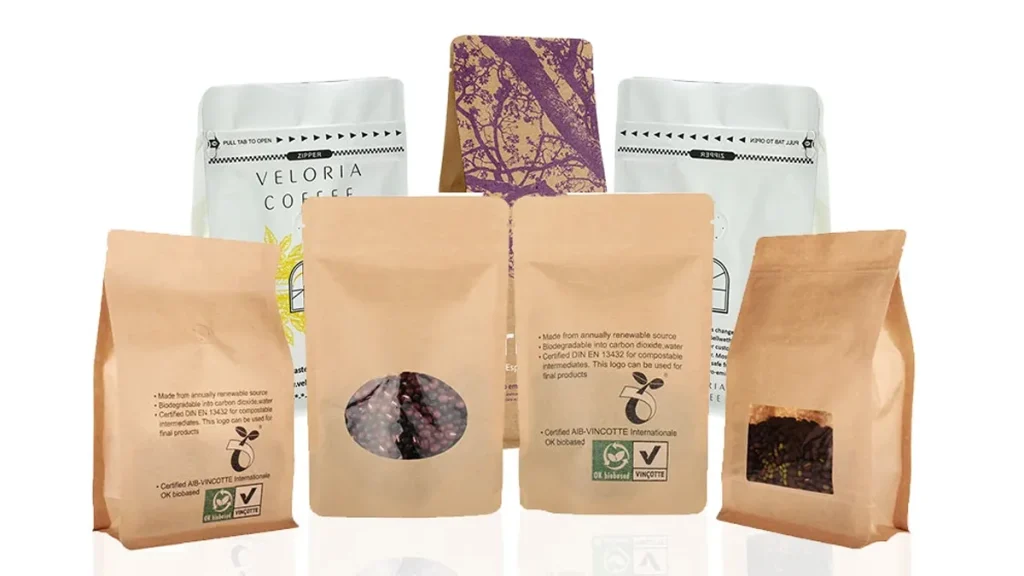
What is Biodegradable Food Packaging?
Biodegradable food packaging refers to packaging materials that can decompose naturally over time, typically through microbial activity. These materials are often made from plant-based materials such as PLA (polylactic acid) or other compostable biological materials. Unlike traditional plastic packaging, biodegradable food packaging breaks down within a relatively short period, minimizing long-term environmental impact.
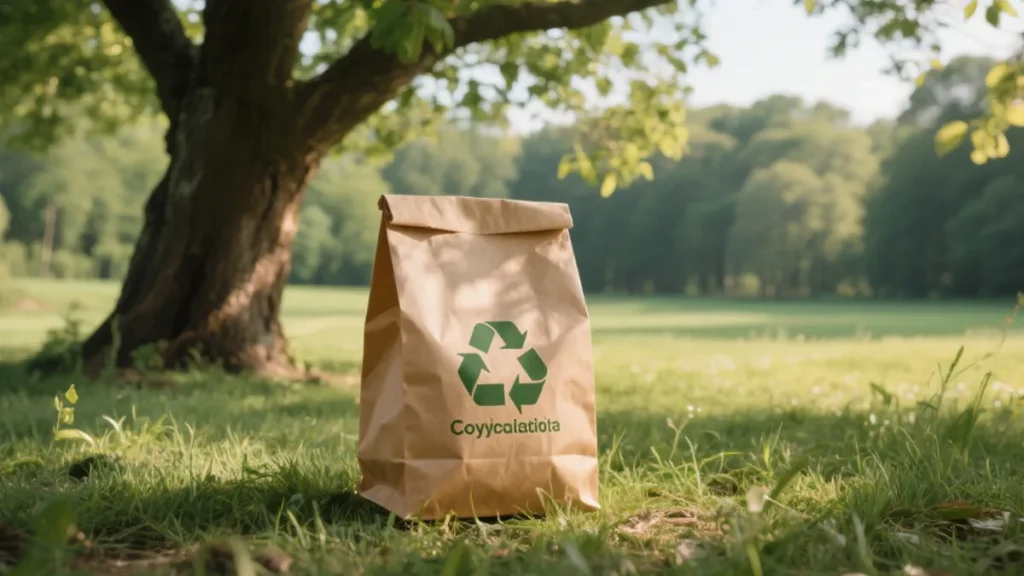
Key Characteristics of Biodegradable Packaging:
- Eco-friendliness: Biodegradable packaging can decompose within 3 to 12 months, leaving behind no harmful microplastics.
- Compostability: Many biodegradable food packaging bags are compostable, meaning they break down in both industrial and home composting facilities.
- Freshness Retention: These packaging materials not only provide an eco-friendly solution but also offer excellent protection for products, making them suitable for various food types.
Biodegradable Food Packaging vs. Traditional Plastic Packaging
As environmental awareness increases, companies are exploring biodegradable alternatives to traditional plastic packaging. Understanding the differences between these two options is crucial for making the right choice. Below is a comparison between biodegradable food packaging and traditional plastic packaging:
| Feature | Biodegradable Food Packaging | Traditional Plastic Packaging |
|---|---|---|
| Material Source | Plant-based materials (e.g., PLA), compostable paper | Petroleum-based materials (e.g., polyethylene, polypropylene) |
| Decomposition Rate | Breaks down within 3-12 months | Takes hundreds of years to decompose |
| Eco-friendliness | Environmentally friendly, reduces pollution | Long-lasting environmental pollution, especially in oceans |
| Compostability | Compostable, suitable for home and industrial compost | Not compostable, cannot decompose naturally |
| Food Protection | Retains food freshness, suitable for most food types | Good protection but not as eco-friendly |
| Production Cost | Higher due to limited production scale | Lower due to widespread use |
Advantages of Biodegradable Food Packaging
1. Environmental Benefits: Reducing Plastic Pollution
Plastic pollution has become one of the most pressing environmental issues, particularly in our oceans. Biodegradable food packaging offers a sustainable alternative that helps address this problem. These materials break down naturally, significantly reducing the long-term accumulation of plastic waste.
2. Enhanced Brand Image
Consumers are increasingly choosing brands that prioritize sustainability. By adopting biodegradable packaging, companies can enhance their brand image and appeal to environmentally conscious consumers. Studies show that eco-friendly packaging can increase consumer purchasing intent and foster brand loyalty.
3. Compliance with Regulations and Market Demand
As governments worldwide impose stricter regulations on plastic use, adopting biodegradable packaging is a proactive way for businesses to stay ahead of the curve. By embracing eco-friendly packaging, companies not only comply with evolving environmental regulations but also gain a competitive edge in the market.
Applications of Biodegradable Food Packaging
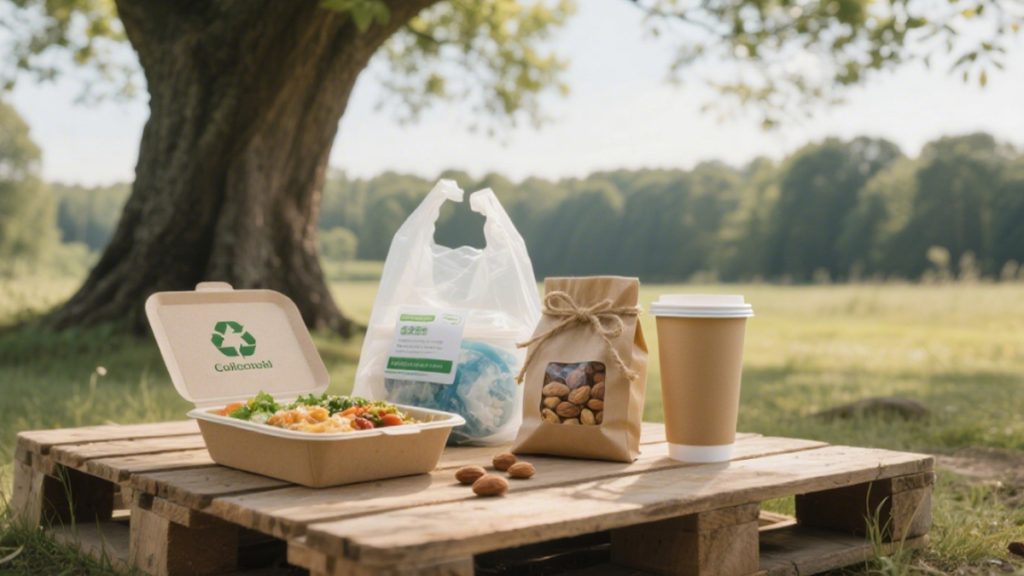
Biodegradable food packaging is suitable for a variety of food types, especially in a market where the demand for food preservation and eco-friendly options is growing. Below are some common applications:
| Application Area | Biodegradable Food Packaging | Traditional Plastic Packaging |
|---|---|---|
| Ready-to-eat Meals | Keeps food fresh, ideal for meals that require preservation | Used for ready-to-eat meals but not eco-friendly |
| Frozen Food | Suitable for low-temperature environments, excellent freshness retention | Commonly used for frozen food but non-biodegradable |
| Dry Food | Ideal for nuts, dried fruits, etc., retains freshness and is eco-friendly | Widely used for dry foods but not biodegradable |
| Beverage Packaging | Ideal for bottled beverages, especially drinks requiring freshness | Traditional plastic bottles widely used but non-degradable |
How to Identify If Packaging is Truly Biodegradable
How can you ensure that the packaging you’re purchasing is genuinely biodegradable? The key is to choose packaging labeled with “Compostable” certification. Certified compostable packaging can safely biodegrade in both commercial and home composting environments. This certification guarantees that the packaging will break down completely within a specific timeframe and under the appropriate conditions.
By opting for certified compostable packaging, you can trust that your packaging bags or boxes will fully break down within 6 months to a year in either home or industrial composting systems, leaving behind nutrient-rich soil for future use.
BN Packaging’s Biodegradable Packaging Solutions
As a leading packaging solutions provider, BN Packaging specializes in offering sustainable and efficient biodegradable packaging bags. We provide customized packaging solutions for food, beverages, and other industries to ensure your products receive the best protection while meeting the growing demand for eco-friendly packaging.
Our Biodegradable Packaging Options Include:
- PLA Packaging Bags: Made from plant-based materials, these bags break down within 3-6 months in industrial composting facilities.
- FSC Certified Paper Packaging: Suitable for dry foods, frozen foods, and more, these materials meet sustainable development standards.
- Compostable Bags: Fully compostable at home, suitable for various types of food packaging.
We are committed to providing eco-friendly packaging solutions that help your brand meet market demand, enhance its reputation, and contribute to environmental protection.
Conclusion
Biodegradable food packaging is an essential part of the future of packaging, offering not only a solution to reduce plastic pollution but also a means to preserve food freshness. As a leading provider of packaging solutions, BN Packaging offers a range of customizable biodegradable packaging options to help your business adapt to environmental regulations and consumer demand. By choosing our biodegradable packaging solutions, you can protect the planet while adding value to your brand.
FAQ
What is biodegradable food packaging?
Biodegradable food packaging is made from plant-based or compostable materials that decompose naturally in the environment, reducing plastic pollution.
How does biodegradable packaging work?
Biodegradable packaging breaks down through microbial activity in composting facilities or natural environments, turning into water, carbon dioxide, and organic matter.
What biodegradable packaging options does BN Packaging offer?
We offer PLA packaging bags, FSC-certified paper packaging, and compostable bags, suitable for various food types.
What are the benefits of using biodegradable packaging for businesses?
Using biodegradable packaging can enhance brand image, meet growing environmental regulations, and appeal to eco-conscious consumers.