
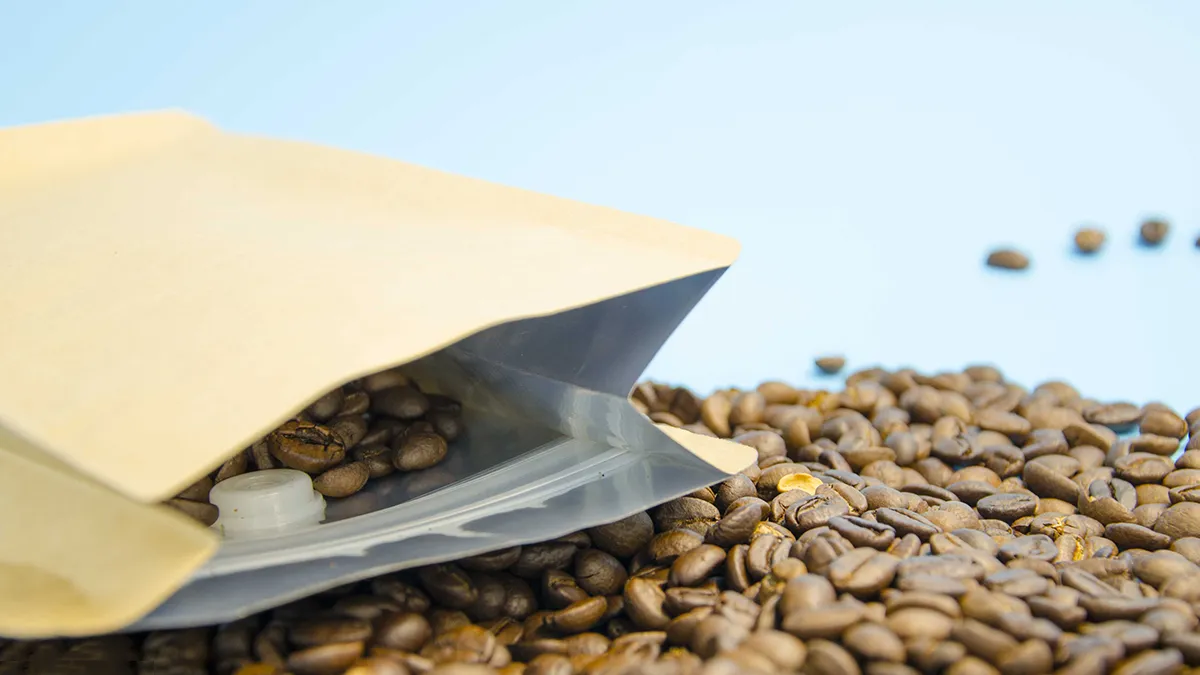
Coffee bags are a vital part of packaging, ensuring the freshness and quality of coffee products from the time they leave the roaster until they are enjoyed by the consumer. A key feature often found in high-quality coffee bags is the valve. But do coffee bags really need a valve? In this article, we’ll explore the reasons behind the use of valves in coffee bags, the different types of valves, and how they contribute to coffee preservation.
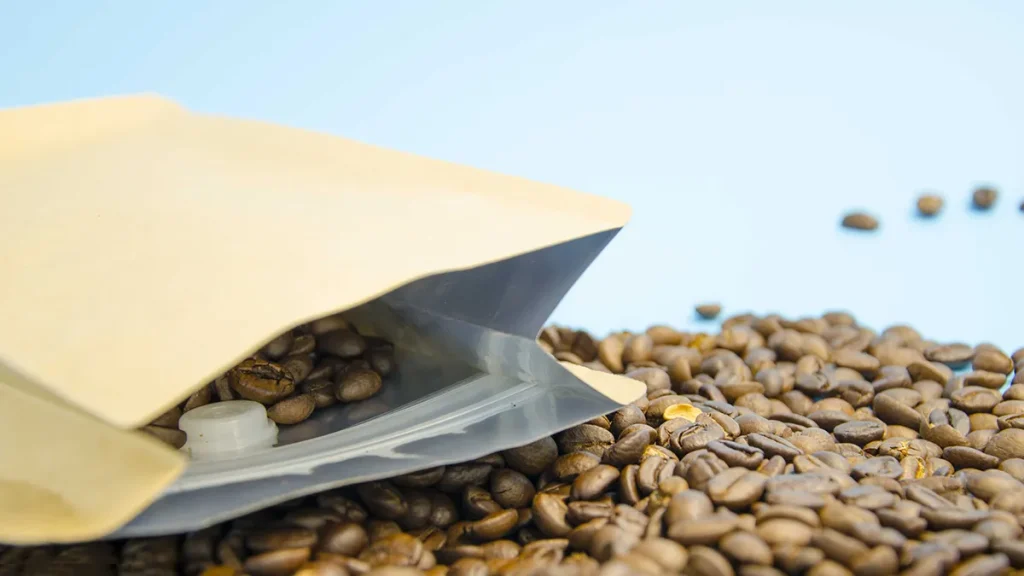
What Are Mylar Coffee Bags with a Valve?
Mylar bags are a type of flexible, durable packaging made from polyester film, known for their excellent barrier properties. These bags are commonly used for coffee packaging due to their ability to preserve coffee freshness by blocking air, moisture, and light. A valve is typically incorporated into Mylar coffee bags to manage the buildup of gases released from coffee after roasting.
How Does a Coffee Bag Valve Work?
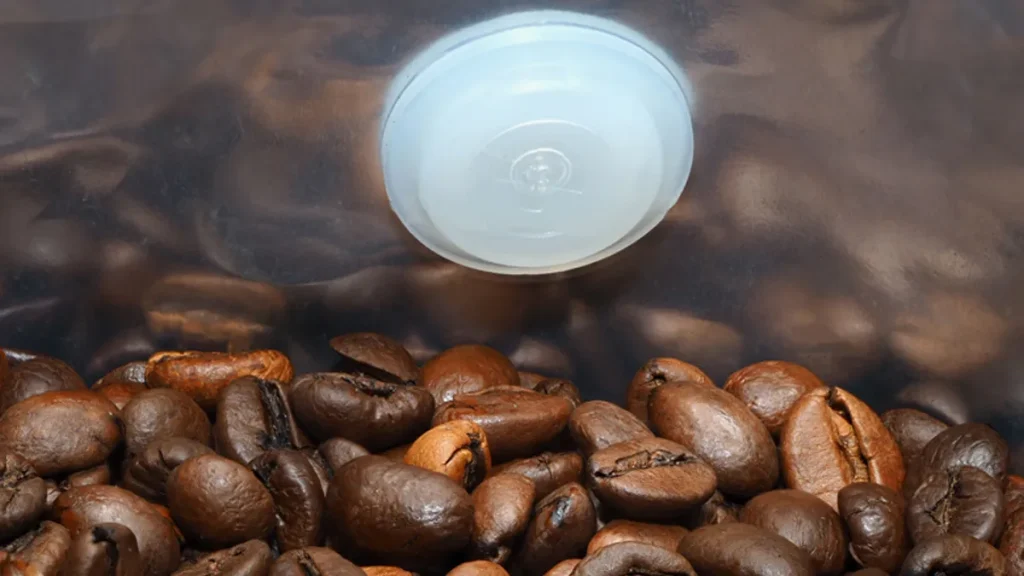
A coffee bag valve is a one-way valve that allows gases like carbon dioxide (CO2), which coffee beans naturally release after roasting, to escape. However, it prevents air (and oxygen) from entering the bag. This functionality is crucial because coffee continues to release CO2 even after it has been packaged. Without a way to release this gas, the pressure inside the bag could cause it to rupture.
Why Do Coffee Bags Need a Valve?
1. Gas Release from Fresh Coffee
After coffee is roasted, it releases CO2, a process known as off-gassing. If the gases are trapped inside the bag without a valve, they can create pressure that may cause the bag to explode or rupture, which could compromise the coffee’s quality and the bag’s integrity.
A valve ensures the safe release of these gases while preventing oxygen from entering the bag. This is particularly important for fresh coffee as it can continue to release gases for days or even weeks after roasting.
2. Preventing Bag Rupture
Without a valve, CO2 buildup inside the coffee bag can lead to bag rupture. A valve helps to mitigate this by allowing the gases to escape without letting anything else in, thus maintaining the structural integrity of the bag and preventing damage.
3. Preserving Coffee Freshness
Oxygen exposure is one of the main factors that cause coffee to lose its flavor and aroma. By preventing oxygen from entering the bag, the valve plays a crucial role in ensuring that the coffee stays fresh for longer. This is especially important for freshly roasted coffee, which is more vulnerable to oxidation.
Types of Valves Used in Coffee Bags
Different types of valves can be used in coffee bags depending on the packaging requirements and the materials of the bag. Let’s explore the most common ones:
| Valve Type | Material | Common Use | Advantages |
|---|---|---|---|
| Tyvek Valve | Tyvek (Paper-like material) | Food & coffee packaging | High durability, moisture-resistant |
| Foil Valve | Aluminum foil | Coffee bags | Lightweight, effective gas release |
| Plastic Valve | Plastic (various) | Snack packaging | Cost-effective, effective sealing |
1. Tyvek Valves
Tyvek valves are made from a paper-like material known for its durability and resistance to moisture. They are widely used in coffee bags because they provide reliable gas release without compromising the bag’s strength.
2. Foil Valves
Foil valves are often used in coffee bags for their lightweight design and efficiency in releasing CO2. They also provide an additional layer of protection against moisture, keeping the coffee sealed and fresh.
3. Plastic Valves
Plastic valves are often used in lower-cost coffee packaging. They offer effective gas release and sealing but may not provide the same level of durability or protection as Tyvek or foil valves.
Benefits of Using a Valve in Coffee Bags
1. Maintaining Freshness
By allowing CO2 to escape and preventing oxygen from entering, the valve helps to maintain the freshness of the coffee. This means the coffee retains its full flavor and aroma for a longer period, which is especially important for specialty coffees.
2. Extended Shelf Life
Coffee bags with valves help to extend the shelf life of coffee by reducing the exposure to oxygen. A sealed, valve-equipped bag ensures that the coffee can last longer without the risk of premature staleness or flavor degradation.
3. Preventing Flavor Degradation
Exposure to oxygen leads to oxidation, which breaks down the natural oils in coffee, diminishing its flavor. The valve reduces this exposure, ensuring that the coffee retains its robust flavors for as long as possible.
Alternatives to Coffee Bags with Valves
While coffee bags with valves are widely considered the best option for preserving coffee freshness, there are alternative packaging methods that can also maintain the quality of coffee.
1. Vacuum-Sealed Coffee Bags
Vacuum-sealing is another method used to preserve coffee freshness. In vacuum-sealed bags, the air is completely removed before sealing, preventing any oxidation. This method is often used for long-term storage or for bulk shipments of coffee. However, it can be more expensive and may not be suitable for all types of coffee packaging.
2. Nitrogen-Flushed Bags
Nitrogen-flushed bags are another alternative to valve-equipped bags. In this method, the oxygen inside the bag is replaced with nitrogen, a gas that doesn’t react with the coffee. This method helps to extend the shelf life of coffee, but it is often more expensive and less common than using a valve.
| Packaging Type | Freshness Preservation Method | Pros | Cons |
|---|---|---|---|
| Valve Bags | One-way valve for gas release | Maintains freshness, cost-effective | Can be slightly more expensive than regular bags |
| Vacuum-Sealed Bags | Air is removed from the bag | Long shelf life, maximum protection | More expensive, requires more equipment |
| Nitrogen-Flushed Bags | Nitrogen displaces oxygen | Great for long-term freshness, high protection | Expensive and less common |
Do All Coffee Bags Need a Valve?
Packaging Preferences for Specialty vs Regular Coffee
Not all coffee bags require a valve, particularly when the coffee has already been pre-packaged in a vacuum-sealed bag or nitrogen-flushed bag. However, for freshly roasted coffee, a valve is highly recommended to manage the CO2 release and preserve freshness.
Consumer and Manufacturer Considerations
If you’re a coffee roaster or retailer, consider the type of coffee you’re selling. Freshly roasted coffee benefits greatly from a valve in the bag, while pre-ground coffee that’s been vacuum-sealed might not need a valve.
How to Choose the Right Coffee Bag with a Valve
Factors to Consider:
- Type of Coffee: Freshly roasted coffee benefits from a valve to release gases.
- Storage Conditions: How long you plan to store the coffee, and under what conditions, should inform your choice.
- Shelf Life: If you want to extend the shelf life of your product, a valve is a wise investment.
How to Seal Coffee Bags with a Valve
Proper Sealing Techniques for Valve Bags
Sealing coffee bags with a valve is relatively simple. Ensure that the top edge of the bag is free from any coffee grounds or debris before sealing to achieve a clean seal.
Role of Heat Sealing vs Manual Methods
Heat sealers are the most efficient way to seal Mylar bags with valves. They ensure a durable and air-tight seal that maintains freshness.
Conclusion
Properly sealed coffee bags with valves are essential for maintaining coffee freshness, preventing oxidation, and extending shelf life. Whether you’re storing freshly roasted coffee or ground coffee, valves help keep the flavors intact. For businesses and consumers alike, investing in high-quality, valve-equipped coffee bags ensures that coffee products remain safe and fresh for longer periods. Get in touch with BN Packaging today to explore our high-quality, customizable coffee packaging solutions designed to preserve your products and elevate your brand.
FAQs
Why do coffee bags need a valve?
Coffee bags need a valve to allow the release of CO2 without letting air (and oxygen) in, preserving freshness and preventing the bag from rupturing.
Can I use a regular bag instead of a valve bag for coffee?
Regular bags don’t offer the same level of protection. Valve bags are ideal for fresh coffee to maintain its quality by controlling gas release.
How long does coffee stay fresh in a bag with a valve?
Coffee can stay fresh in valve bags for several months, depending on factors like the roast date and storage conditions.
What are the alternatives to Mylar bags with valves?
Vacuum-sealed bags and nitrogen-flushed bags are alternatives, offering similar benefits in terms of extending freshness.