
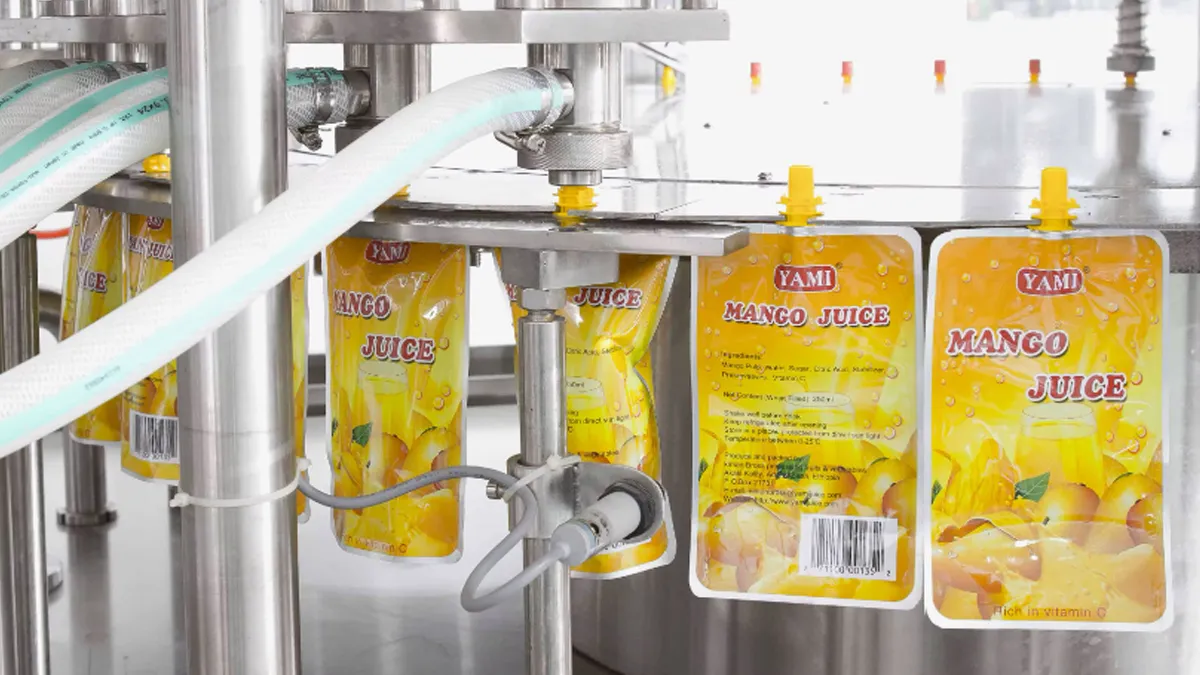
Spout pouches have become an increasingly popular choice in various industries due to their versatility, convenience, and cost-effectiveness. Unlike traditional rigid containers, spout pouches offer a more flexible, lightweight, and space-saving solution for packaging liquids, semi-liquids, and even powders. These pouches feature a spout or nozzle that allows for easy pouring and re-sealing, making them perfect for products that need to be dispensed in controlled amounts, such as beverages, sauces, and personal care items.
Whether you are in the food and beverage industry, cosmetics, or chemicals, filling spout pouches correctly is crucial for ensuring product quality, safety, and packaging integrity. A well-filled pouch not only enhances the consumer experience but also reduces operational costs by minimizing wastage and ensuring product longevity.
This comprehensive guide will walk you through the essential steps, equipment, and best practices for filling spout pouches. From selecting the right filling method to sealing the pouches securely, this guide will ensure you have all the knowledge you need to fill spout pouches like a pro.
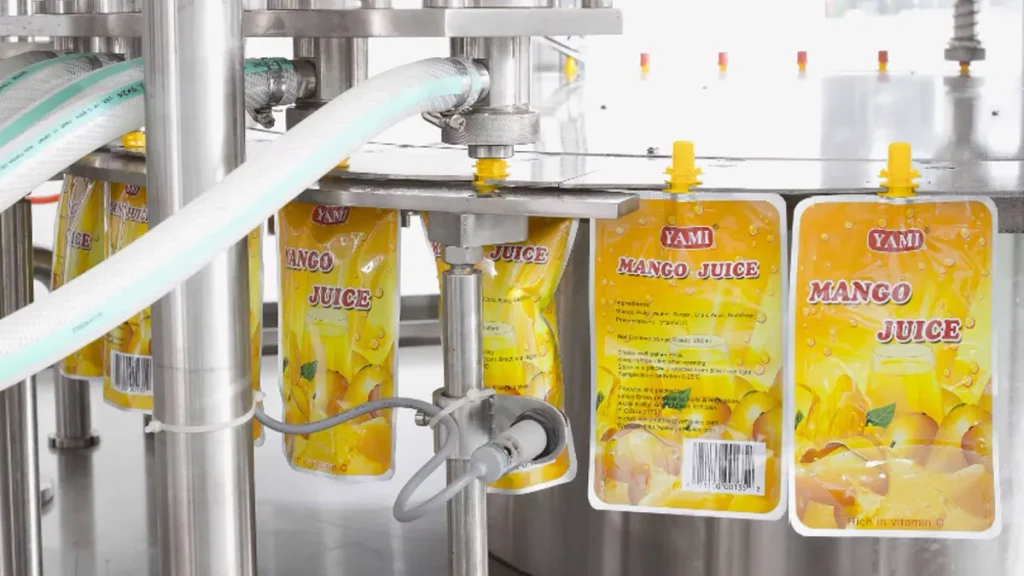
What Are Spout Pouches?
Spout pouches are flexible, stand-up pouches equipped with a small nozzle (spout) for dispensing their contents. These pouches are made from multi-layered materials, often involving a combination of plastic, aluminum foil, and other barrier materials, providing durability and extending the shelf life of the contents.

Spout pouches are ideal for a wide range of products, particularly liquids and semi-viscous substances. Unlike traditional plastic bottles or jars, spout pouches are much lighter, more space-efficient, and can be resealed for later use. The spout allows for controlled pouring and minimizes product wastage.
Common Uses of Spout Pouches:
- Food Industry: Sauces, juices, soups, and baby food
- Beverages: Ready-to-drink juices, smoothies, energy drinks, and water
- Cosmetics: Shampoos, lotions, and conditioners
- Household Products: Detergents, floor cleaners, and disinfectants
The key advantages of spout pouches include:
- Space-saving: The flexible material makes them easy to store and transport.
- Portability: They are lightweight and easy to carry, making them perfect for on-the-go products.
- Easy Dispensing: The spout allows consumers to control the amount dispensed with ease.
- Sustainability: Spout pouches are often made from recyclable materials, offering an environmentally friendly packaging option.
Why Filling Spout Pouches Correctly is Crucial
The process of filling spout pouches may seem straightforward, but there are several important factors to consider to ensure the highest-quality fill. Filling spout pouches correctly is essential for:
- Preventing Leaks: Incorrect filling or sealing can lead to leakage, which can affect the product and its packaging.
- Maintaining Product Freshness: Proper sealing and filling help maintain the freshness and quality of the product, ensuring that it stays free from contamination.
- Increasing Shelf Life: By filling pouches correctly and sealing them tightly, you help extend the shelf life of the product by preventing air or moisture from entering.
- Avoiding Wastage: Accurate filling prevents overfilling or underfilling, which can result in wastage and higher costs.
In industries like food and beverage, where hygiene and product integrity are paramount, getting the filling process right is critical. Contamination risks can be high if filling and sealing are not done properly, which is why precise control over the process is necessary.
Tools & Equipment Needed for Filling Spout Pouches
Filling Methods
There are several different filling methods used in the packaging industry, each suited to a particular type of product. Selecting the correct filling method is key to ensuring the packaging process is efficient and maintains product quality.
| Filling Method | Best For | Description |
|---|---|---|
| Gravity Fill | Thin liquids (e.g., juices) | Uses gravity to fill the pouch by dropping the liquid through a nozzle. |
| Piston Fill | Viscous products (e.g., sauces, creams) | Uses a piston to control the amount of product dispensed, ideal for thick products. |
| Pump Fill | Thick liquids (e.g., oils, shampoos) | A pump system allows precise control over the filling process for thick liquids. |
| Vacuum Fill | Sensitive liquids (e.g., wines, oils) | A vacuum pressure system helps prevent air bubbles and ensures product consistency. |
Essential Equipment
To fill spout pouches effectively, you need the right equipment. Here’s a breakdown of the key tools involved:
- Filling Machines: These machines come in various types depending on the scale of production. Small-scale operations might use manual or semi-automatic machines, while large-scale producers will use fully automated systems to handle high-volume production.
- Nozzles: The type of nozzle used will depend on the consistency of the product. For thicker products, a larger nozzle might be used to ensure a smooth flow of material.
- Heat Sealers: Once the pouch is filled, it must be sealed tightly to prevent leaks. Heat sealers use heat to bond the two edges of the pouch together, creating a secure seal.
- Quality Control Equipment: To ensure the accuracy of the filling process, automatic weight checkers and sealing integrity systems are used to inspect the pouches before they move to the next stage.
Step-by-Step Guide to Filling Spout Pouches
Now that we’ve discussed the tools and methods involved, let’s dive into the step-by-step process for filling spout pouches:
Step 1: Preparing the Pouch
Before filling, ensure that each spout pouch is properly prepared. This includes checking that the pouch is free from contaminants, wrinkles, or other defects. Open the spout to allow the filling machine to fit securely.
Step 2: Choosing the Right Filling Method
Based on the product you’re filling, select the appropriate filling method. If your product is a thin liquid like juice or water, gravity filling will be your best choice. For thicker liquids, consider using a pump or piston system. For sensitive liquids, a vacuum system may be necessary to avoid air bubbles.
Step 3: Loading the Product into the Pouch
Once the pouch is in place and the machine is set up, begin the filling process. Ensure the nozzle is placed securely at the top of the spout and that the machine is dispensing the correct amount of product. During this stage, watch for any signs of overfilling or uneven distribution.
Step 4: Sealing the Pouch
After filling the pouch, it’s crucial to seal the opening properly to prevent leaks and contamination. Depending on your system, you can use a manual heat sealer or an automated sealing system. Make sure the seal is firm, even, and free of any defects.
Step 5: Quality Control & Inspection
The final step is to check each pouch for quality. Inspect the seals to ensure they are tight and secure. Additionally, check the fill level to make sure it meets the required specifications. Automated systems often include weight-check mechanisms to ensure the correct amount of product is dispensed.
Common Mistakes to Avoid When Filling Spout Pouches
Filling spout pouches may seem straightforward, but several common mistakes can compromise the efficiency and quality of the filling process.
| Mistake | Impact | Solution |
|---|---|---|
| Overfilling | Causes improper sealing and product spillage. | Calibrate the machine to ensure correct fill levels. |
| Underfilling | Results in wasted packaging material. | Adjust machine settings and monitor the filling process closely. |
| Improper Sealing | Leads to leakage or contamination. | Ensure the sealing machine is correctly calibrated and performing checks. |
| Poor Handling | Damages the pouch or spout. | Ensure careful handling and proper storage conditions. |
Advanced Tips for Efficient Filling
For higher efficiency and better product quality, consider these advanced tips for your spout pouch filling process:
- Automation: Investing in automated filling systems can significantly reduce labor costs and increase throughput, making them ideal for large-scale operations.
- Temperature Control: When filling liquid products, ensure that they are at the correct temperature. For example, if filling hot liquids, allow them to cool slightly to avoid over-expansion in the pouch.
- Proper Storage: After filling and sealing, ensure the pouches are stored correctly to avoid damage. Store them in a clean, dry environment away from direct sunlight or extreme temperatures.
Conclusion
Filling spout pouches correctly is a critical step in the packaging process that requires precision and the right equipment. Whether you’re working with thin liquids or thicker formulations, selecting the proper filling method and sealing technique helps preserve product integrity and reduce waste.
To enhance your packaging workflow, consider automating your process, upgrading to reliable sealing equipment, and routinely inspecting your filled pouches for consistency and quality. A smooth and efficient filling operation not only boosts productivity but also elevates the customer experience.
Looking to optimize your filling system or source dependable packaging solutions? Contact us today to learn how our expert team and advanced packaging options can support your business goals.
FAQs
How can I prevent leakage when filling spout pouches?
Ensure the spout is positioned correctly, use the right sealing equipment, and inspect each pouch after sealing to verify a secure closure.
Can spout pouches be used for thick products like sauces?
Yes, spout pouches are ideal for thick products. Consider using piston or pump filling methods for such products.
What are the best materials for spout pouches?
The most common materials for spout pouches include multi-layer plastic films, such as polyethylene and polyester, which provide barrier properties to protect the product.
How can I improve the filling process for higher efficiency?
Use automated filling systems, conduct regular maintenance on equipment, and ensure that your fill settings are correctly calibrated.