
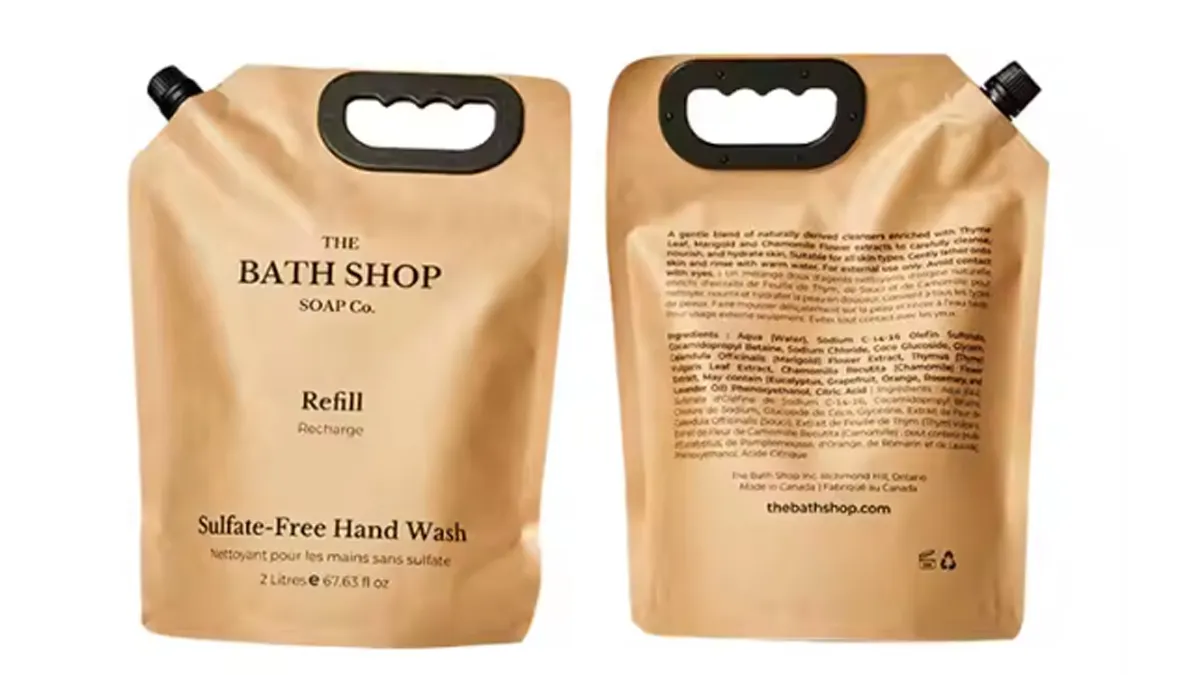
Are you looking for a comprehensive guide on how to make a spout pouch? Spout pouches have become an essential packaging solution in many industries, offering convenience and efficiency for both manufacturers and consumers. From beverages to sauces, snacks, and even cleaning products, spout pouches are incredibly versatile. In this guide, we’ll show you exactly how to make a spout pouch, covering everything from the selection of materials to the final production stages. Whether you’re a business looking to enhance your product packaging or someone interested in the process, this article will provide you with the insights you need to create the perfect spout pouch.
Introduction to Spout Pouches
What is a Spout Pouch?
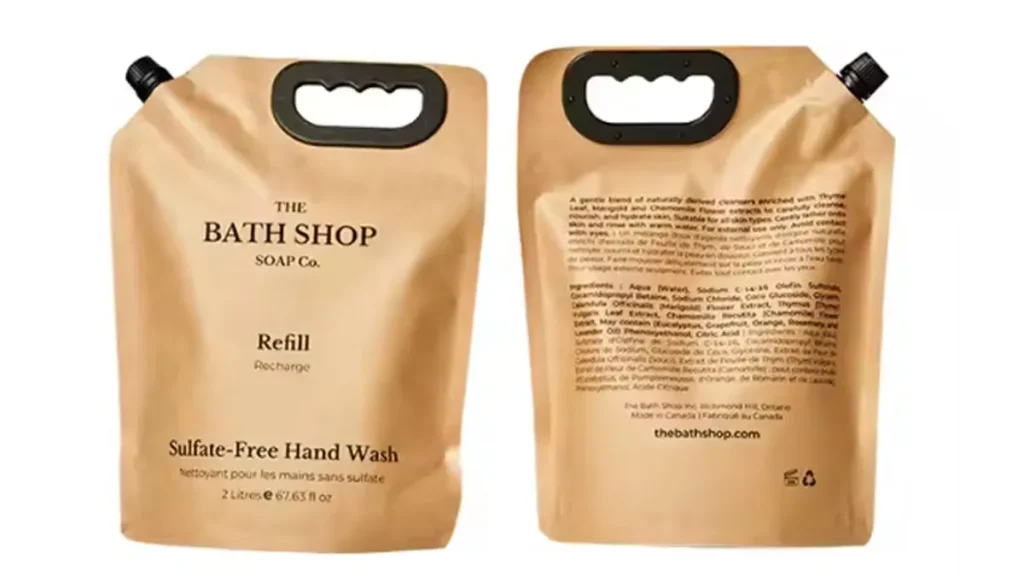
A spout pouch is a flexible bag with a nozzle or spout attached to it, typically used for liquid products, but also for semi-solid or powder products. The spout allows for easy pouring or dispensing without the need for opening or cutting the pouch. These pouches are used for packaging products like juices, soups, sauces, cleaning products, and even pet food.
Common Uses of Spout Pouches in Packaging
Spout pouches are versatile and are found in multiple industries:
- Food and Beverage: Sauces, soups, juices, smoothies, and baby food.
- Cosmetics: Shampoos, lotions, and other liquid beauty products.
- Household: Cleaning supplies like detergents or liquid cleaners.
- Pet Food: Wet pet food or liquid supplements.
Benefits of Spout Pouches Over Other Packaging Types
- Convenience: Easy to store, use, and dispose of.
- Space Efficiency: Unlike bottles or jars, spout pouches can be easily stacked, saving shelf space.
- Cost-Effective: Flexible pouches are cheaper to manufacture than rigid packaging options.
- Eco-Friendly Options: Many spout pouches are recyclable or made from biodegradable materials.
Materials Needed to Make a Spout Pouch
Types of Materials
The material chosen for a spout pouch is crucial as it ensures the integrity of the product inside and the durability of the pouch itself. Common materials used in spout pouch manufacturing include:
| Material Type | Description | Best for |
|---|---|---|
| Plastic (PET, PE) | Lightweight, durable, and cost-effective. Often used for liquid food items. | Juices, sauces, condiments, beverages. |
| Aluminum Foil | Offers excellent barrier properties, protecting contents from light and air. | Coffee, energy drinks, dairy products. |
| Laminated Films | Multi-layered film that provides high barrier protection and strength. | Packaged food, cosmetics, cleaning liquids. |
Choosing the Right Material
When selecting a material for your spout pouch, consider factors like:
- Product type: Some products require higher barrier protection against light, air, and moisture.
- Shelf life: Products that need to be preserved for long periods should use materials with high barrier properties.
- Cost: Some materials are more affordable than others, so balance quality with cost.
The Importance of Barrier Properties and Durability
Spout pouches often need to protect contents from external factors such as moisture, oxygen, and light, all of which can compromise the product’s quality. Laminated films or multi-layered packaging are highly recommended for such purposes.
Equipment Required for Spout Pouch Production
To manufacture spout pouches, various equipment is necessary. Here’s an overview of the key machines involved:
| Equipment | Function | Key Features |
|---|---|---|
| Heat Sealer | Seals the pouch after filling and spout insertion. | Adjustable temperature settings for different materials. |
| Pouch Former | Forms the pouch shape from flat rolls of film. | Allows for high-speed production of uniform pouches. |
| Spout Insertion Machine | Inserts the spout into the sealed pouch. | Ensures precise placement of the spout to avoid leakage. |
| Filling Machine | Fills the pouch with product. | Can be automated for high-volume production. |
Manual vs Automatic Sealing Machines
- Manual machines are suitable for small-scale production but can be slower and less efficient.
- Automatic machines are ideal for large-scale production as they can seal hundreds of pouches per minute, improving speed and consistency.
Design Considerations for Spout Pouches
Choosing the Right Spout Type
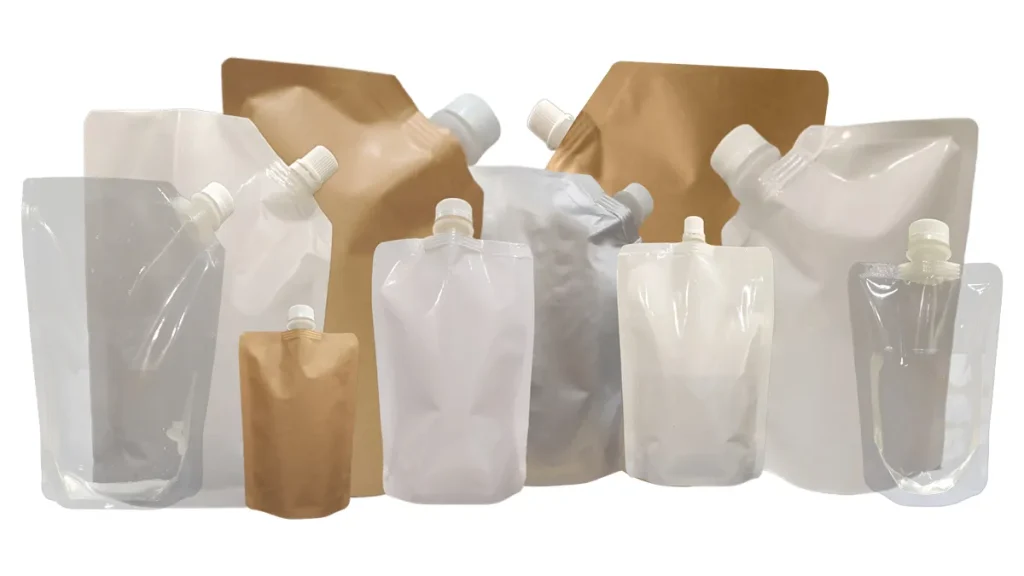
Spout pouches are available with several spout designs. Common spouts include:
- Twist-cap spouts: Ideal for liquid products like sauces and beverages.
- Press-to-close spouts: Typically used for smaller, convenience-oriented products like baby food.
- Screw-on spouts: Offer a more secure closure for larger pouches.
Customizing Pouch Shape, Size, and Design
- Shape: Spout pouches can come in various shapes, such as stand-up, flat, or even custom shapes. Stand-up pouches are particularly popular for beverages.
- Size: The size of the pouch depends on the product quantity and the target market. Consider offering multiple sizes.
- Design: Branding and product information can be printed directly on the pouch, providing an excellent opportunity for visual marketing.
Branding and Label Placement
Ensure that the pouch’s surface allows for effective branding. Labels or printing should be clear and easy to read, considering factors like:
- Color contrast
- Font size
- Placement near the spout for easy access by consumers
Step-by-Step Guide to Making a Spout Pouch
Step 1: Preparing the Material
The first step is to prepare your packaging material. This typically involves cutting the film into the right dimensions and making sure it is free from any defects.
Step 2: Forming the Pouch
Using a pouch former, the material is shaped into a pouch. The machine will fold the film and seal the bottom, leaving space for the product to be filled later.
Step 3: Inserting the Spout
The spout is inserted into the pouch, either manually or using an automated machine. Proper sealing around the spout is critical to prevent leaks.
Step 4: Filling the Pouch
Once the spout is securely attached, the pouch is filled with the product. Filling can be done using an automated filling machine that ensures precise and consistent amounts.
Step 5: Sealing the Pouch
After the pouch is filled, it is sealed using a heat sealer. This ensures that the pouch is airtight and prevents any spillage or contamination.
Step 6: Quality Check
Finally, the pouches undergo a quality check to ensure there are no leaks or defects. This step is crucial for ensuring that the product remains safe and secure.
How to Attach a Spout to the Pouch
Attaching a spout requires precision to ensure it’s securely fixed and won’t leak. There are a few methods:
- Heat Sealing: This is the most common method, where the spout is placed and sealed into the pouch with heat.
- Welding: A welding technique can be used for certain materials, ensuring the spout remains tightly sealed.
Quality Control and Testing
Testing for Durability, Leaks, and Safety
After production, each pouch should be subjected to several tests to ensure its integrity:
- Leak Testing: Check the spout for any leaks by applying pressure or filling with liquid.
- Durability Testing: Ensure the pouch can withstand handling, transportation, and shelf life conditions.
- Food-Safety Testing: For food applications, the material should be tested to ensure it meets health and safety standards.
Advantages of Using Spout Pouches
Spout pouches provide several key benefits:
- Space-Saving: Flexible pouches take up less shelf space compared to rigid containers.
- Easy to Use: The spout allows consumers to dispense the product with ease.
- Environmental Impact: Some spout pouches are made from recyclable or biodegradable materials, helping reduce environmental impact.
Common Mistakes to Avoid
While making spout pouches, avoid the following common mistakes:
- Incorrect Sealing: Poor sealing of the pouch or spout can lead to leakage and spoilage.
- Using Low-Quality Materials: Always opt for food-safe and durable materials to ensure product safety.
- Improper Storage: Pouches must be stored properly to avoid deforming or compromising their integrity.
Innovative Trends in Spout Pouch Manufacturing
Eco-Friendly Spout Pouches
Many packaging manufacturers are focusing on eco-friendly alternatives. This includes biodegradable materials, recyclable films, and reduced plastic use.
Smart Packaging Solutions
New technologies are being integrated into spout pouches, including QR codes, NFC chips, and other smart packaging features to provide added value for both manufacturers and consumers.
Conclusion
As demand for sustainable and convenient packaging increases, spout pouches will continue to be a popular choice in various industries. With advancements in materials and manufacturing techniques, the future of spout pouches looks promising. Manufacturers who focus on quality, innovation, and eco-friendly solutions will lead