
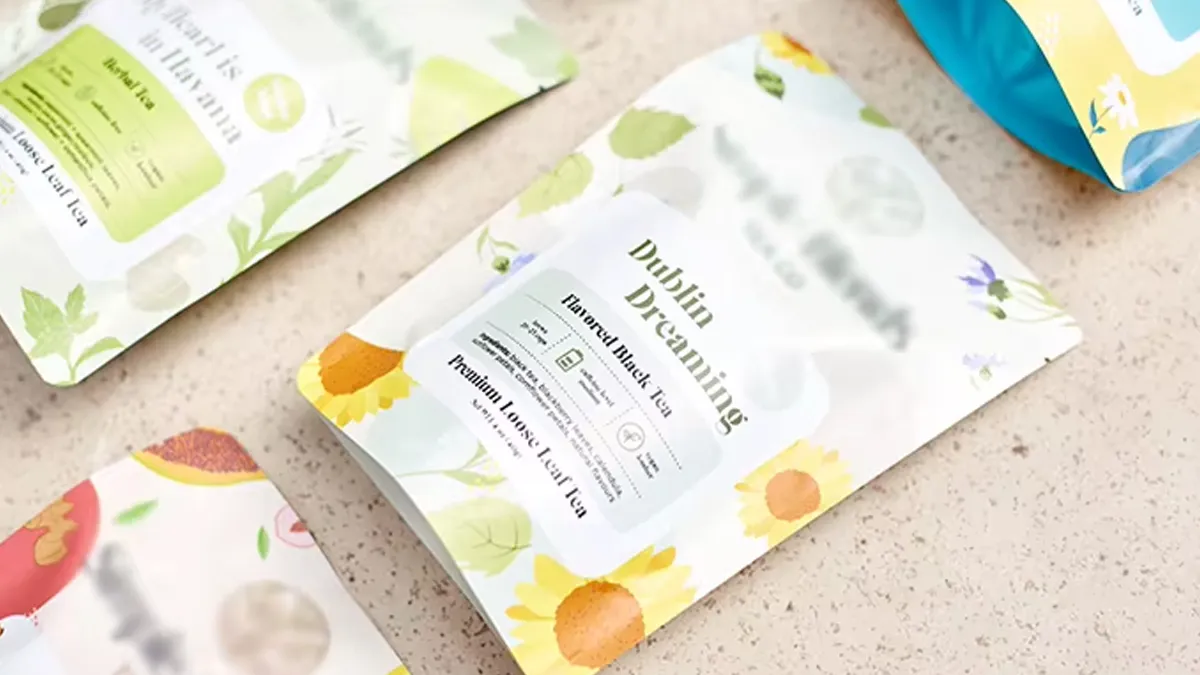
Packaging loose leaf tea is more than just a functional necessity—it’s an opportunity to elevate your brand and ensure the quality and freshness of your product. Whether you’re a small artisanal producer or a larger company, selecting the right tea packaging bags can have a significant impact on both the preservation of your tea and the overall customer experience.
In this comprehensive guide, we will explore everything you need to know about packaging loose leaf tea, from selecting the right materials to creating custom packaging that showcases your brand’s uniqueness.
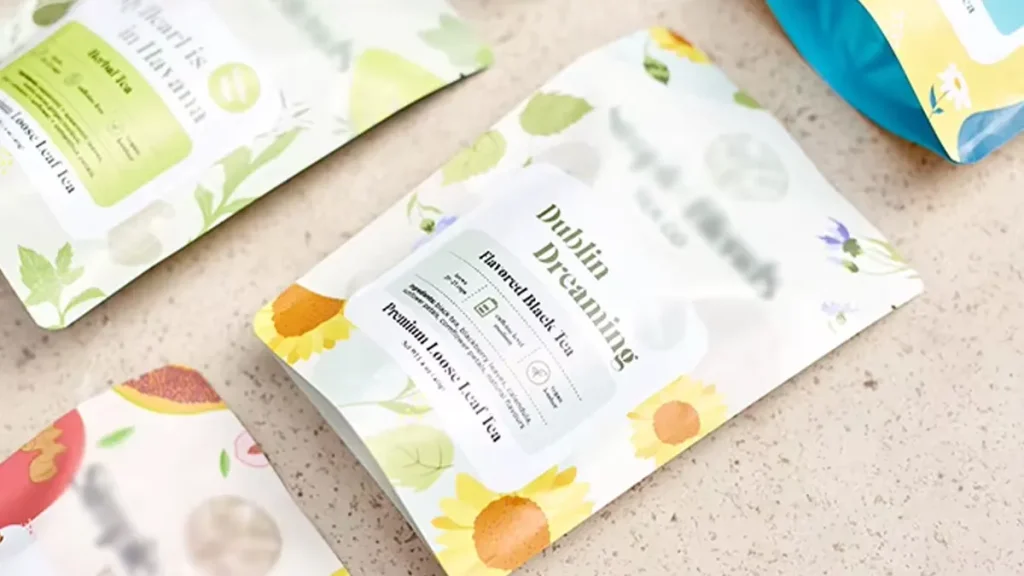
Why Packaging Loose Leaf Tea Is So Important
Tea is a delicate product, and how it is packaged directly impacts its flavor, aroma, and overall quality. The right packaging does more than just protect the tea—it also serves as an essential marketing tool. Here’s why good packaging matters:
1. Preserving Freshness and Quality
Tea is sensitive to light, moisture, oxygen, and heat. Proper packaging ensures that these elements don’t compromise the tea’s freshness. Packaging that maintains an airtight seal and provides adequate protection from external factors helps keep the tea tasting fresh for longer.
2. Branding and Customer Appeal
Packaging is often the first point of contact between your brand and the consumer. Creative, functional, and attractive packaging can grab attention on crowded shelves and inspire trust and loyalty in your customers. It’s essential to choose packaging that reflects your brand’s values and story.
3. Creating a Memorable Experience
The experience of unboxing and opening a tea package plays a significant role in the consumer’s overall satisfaction. High-quality packaging can make the experience feel special, while also offering practical features such as resealability or easy storage.
Key Packaging Solutions for Loose Leaf Tea
When it comes to packaging loose leaf tea, there are several popular options, each with its own set of benefits and considerations. Below are the most commonly used packaging solutions in the industry.
Stand-Up Pouches (Self-Standing Bags)
Stand-up pouches, also known as self-standing bags, are a popular choice for loose leaf tea packaging. Their upright design makes them highly visible on shelves, and they offer several advantages:
- Space-Efficient: These pouches are compact and require less shelf space, making them ideal for retail environments.
- Durable: Often made from multilayered materials such as foil, these bags offer excellent barrier protection against air, moisture, and light.
- Resealable: Many stand-up pouches come with a resealable zipper, which helps maintain freshness after the package is opened.
- Customizable: The large flat surface area allows for vibrant and eye-catching custom designs.
Paper Tea Bags
Paper tea bags are a traditional yet effective way of packaging loose leaf tea. These bags typically feature a heat-sealed construction that provides protection and easy handling. Paper tea bags are available in various sizes and materials, including biodegradable options.
- Eco-Friendly Options: Many paper bags are made from biodegradable materials, making them a sustainable choice for environmentally-conscious consumers.
- Affordable: Paper bags are generally more cost-effective than other types of packaging, making them a good choice for smaller-scale tea producers.
- Branding Potential: Custom printing on paper bags can help enhance brand recognition and make a lasting impression.
Tin Cans or Containers
For a premium or luxury tea experience, tin cans or containers are an excellent option. These containers are durable and provide a high level of protection against environmental factors.
- Aesthetic Appeal: Tin containers have a classic and upscale feel, which can add perceived value to your tea.
- Durability: They offer superior protection from moisture, air, and light, which helps preserve the freshness of the tea.
- Reusable: Many consumers appreciate the fact that tin containers can be reused, which adds value and reduces waste.
Glass Jars
Glass jars are another premium packaging option that offers both beauty and functionality. Like tin containers, glass jars protect the tea from environmental elements and provide a luxurious, visually appealing experience.
- Visibility: Glass allows consumers to see the tea leaves, which can help convey the quality and appearance of the product.
- Freshness: When sealed properly, glass jars can preserve the freshness of the tea for a long time.
- Sustainability: Glass is a recyclable material, appealing to environmentally-conscious consumers.
Compostable and Eco-Friendly Packaging
As sustainability becomes an increasingly important issue for consumers, many tea brands are turning to compostable and eco-friendly packaging options. These materials may include plant-based plastics, biodegradable films, or recycled paper.
- Environmentally Friendly: These materials are biodegradable, reducing the environmental impact associated with traditional packaging.
- Appeals to Green Consumers: Eco-conscious consumers are more likely to purchase from brands that use sustainable packaging.
| Packaging Type | Key Features | Ideal For |
|---|---|---|
| Stand-Up Pouches (Self-Standing Bags) | – Space-efficient, compact design – Durable multilayered material for barrier protection – Resealable for freshness – Customizable surface area | Retail environments, premium product display |
| Paper Tea Bags | – Biodegradable material options – Cost-effective – Custom printing for branding – Heat-sealed for protection | Small-scale tea producers, eco-conscious brands |
| Tin Cans or Containers | – Aesthetic, upscale appeal – Durable and protective against air, moisture, light – Reusable | Premium or luxury tea packaging |
| Glass Jars | – Visually appealing with tea leaf visibility – Excellent at preserving freshness – Recyclable material | High-end, luxurious tea brands |
| Compostable and Eco-Friendly Packaging | – Biodegradable or recyclable materials – Appeals to environmentally-conscious consumers – Reduces environmental impact | Eco-conscious brands, sustainable packaging |
Choosing the Right Packaging Materials for Loose Leaf Tea
The material you choose for your tea packaging is crucial to ensuring the product’s quality and longevity. Here are some common materials used for loose leaf tea packaging:
Aluminum Foil
Aluminum foil is one of the best barrier materials for tea packaging. It blocks light, moisture, and oxygen, ensuring that your tea stays fresh for a long time. This material is typically used in combination with other materials to create multi-layer packaging.
- Advantages: Excellent protection against external elements; helps maintain freshness.
- Disadvantages: Not the most eco-friendly option, though recyclable aluminum can be used.
Kraft Paper
Kraft paper is a popular choice for those looking for a more natural and organic look. When lined with a protective inner layer, such as foil, it can provide sufficient protection for the tea. Kraft paper packaging is also often biodegradable and recyclable.
- Advantages: Sustainable, biodegradable, and gives a rustic, natural appearance.
- Disadvantages: May require additional inner layers for moisture protection.
Mylar Bags
Mylar is a type of polyester film that is often used in tea packaging. It provides a robust barrier against light, moisture, and oxygen, helping to keep the tea fresh for a longer period.
- Advantages: Lightweight, moisture-resistant, and provides excellent protection.
- Disadvantages: Not biodegradable unless combined with compostable materials.
Biodegradable Films
Biodegradable films made from materials like corn starch or other plant-based substances are a sustainable choice for packaging. These films offer the same moisture and air protection as traditional materials but with less environmental impact.
- Advantages: Eco-friendly, compostable, and biodegradable.
- Disadvantages: May not offer as long-lasting protection as foil or Mylar.
Creating a Memorable Design for Your Tea Packaging

Packaging is not just about protection; it’s also a reflection of your brand’s identity. When designing your loose leaf tea packaging, consider the following elements:
Colors and Typography
Your color scheme should align with the emotions you want to evoke in your customers. Earthy tones like green and brown are often associated with organic or natural teas, while more vibrant colors might suit exotic or fruit-infused blends.
- Typography: Choose fonts that complement the personality of your brand. Elegant fonts work well for premium teas, while bold, modern fonts might be appropriate for trendy blends.
Branding and Imagery
Make sure your packaging communicates your brand’s story. Use visuals that reflect the ingredients, origins, or the story behind the tea. For example, botanical illustrations work well for herbal teas, while minimalist designs might be suitable for high-end loose leaf blends.
- Brand Logo: Ensure your brand logo is prominently featured to reinforce recognition.
Functional Features
Include practical features like resealable closures, tear notches for easy opening, or windows in the packaging that allow customers to see the tea leaves.
Sustainability Considerations in Loose Leaf Tea Packaging
As the demand for sustainable packaging increases, more brands are opting for eco-friendly packaging solutions. Here are some key considerations:
- Recyclability: Packaging materials should be recyclable, such as paper, glass, or metal.
- Compostability: Use biodegradable films and compostable tea bags to reduce waste.
- Refillable Containers: Encourage customers to reuse packaging by offering refillable containers.
Conclusion
The packaging of loose leaf tea plays an essential role in ensuring freshness, preserving flavor, and building your brand’s reputation. From stand-up pouches to eco-friendly options, the choice of packaging materials and design can set your product apart in a competitive market. By focusing on quality, functionality, and sustainability, you can create a packaging solution that enhances your product and appeals to a wider audience. Remember, good packaging not only keeps your tea fresh but also creates an unforgettable experience for your customers.
FAQs
What are the best materials for tea packaging?
The best materials include foil, Mylar, kraft paper, and biodegradable films. Each material offers a different level of protection and sustainability.
How can I make my tea packaging eco-friendly?
You can choose biodegradable or recyclable materials, such as compostable bags, glass jars, or aluminum tins.
How long can loose leaf tea stay fresh in its packaging?
Loose leaf tea can stay fresh for up to 12-24 months if stored in an airtight, moisture-proof container.
Can I use paper packaging for loose leaf tea?
Yes, paper packaging can be used, especially when lined with foil or other protective layers to preserve freshness.
What is a stand-up pouch, and why is it popular for tea?
A stand-up pouch is a flexible bag that stands upright on the shelf. It is popular because it provides excellent protection,