
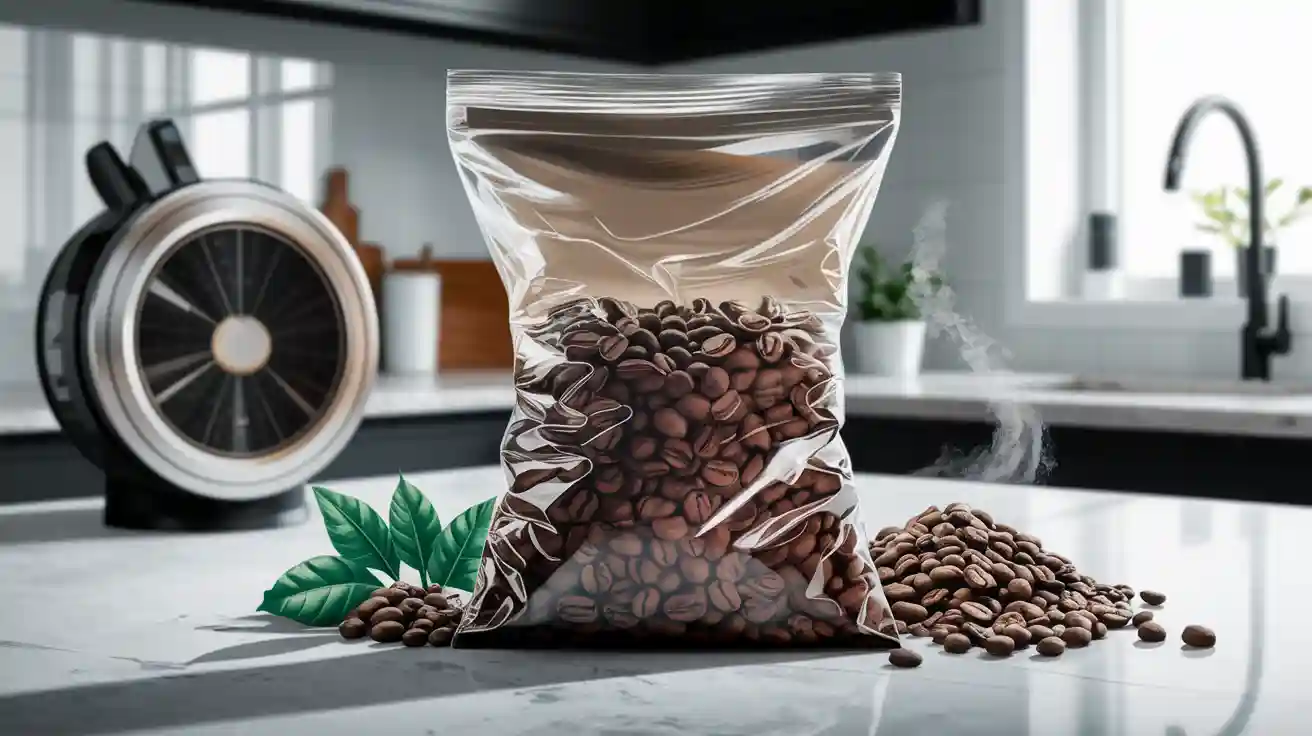
Vacuum pack coffee beans to keep your coffee tasting fresh longer. You care about freshness because it affects how your coffee smells and tastes every morning. When you choose vacuum sealing, you remove oxygen that causes coffee to lose quality. This method lets whole beans stay fresh for up to 9 months, while ground coffee can last 3 to 5 months. Many coffee lovers trust vacuum sealing to protect their favorite coffee and enjoy every cup.
Whole beans: Stay fresh for up to 9 months.
Ground coffee: Lasts 3 to 5 months.
Vacuum Pack Coffee Beans & Freshness
Oxygen’s Impact on Coffee
You want your coffee to taste rich and smell inviting every morning. Oxygen stands as the main enemy of coffee flavor. When you expose coffee beans to air, they begin to lose their aroma and taste. Roasting coffee brings out the best flavors, but oxygen quickly starts to break down those delicate compounds.
Oxygen exposure can cause degradation of sensitive aroma components in coffee.
The loss of aroma happens when it escapes into the surrounding space.
Oxidation of coffee oil leads to unpleasant rancid flavors.
Coffee beans start losing their flavor and aroma right after roasting. Whole beans keep their peak flavor for about 2–4 weeks. Ground coffee only lasts a few days before it starts to taste flat. Proper storage slows down this decline, but you need to limit oxygen contact to preserve quality.
A scientific study compared different storage methods for roasted beans. Researchers found that airtight containers, screw caps, and vacuum-sealed packages helped maintain aroma. Changes in oxygen and carbon dioxide inside the package matched the loss of flavor measured by gas chromatography.
If you want to keep your coffee fresh, you must control oxygen exposure. Vacuum pack coffee beans to create a barrier against air. This simple step helps you enjoy better coffee for a longer time.
How Vacuum Sealing Works
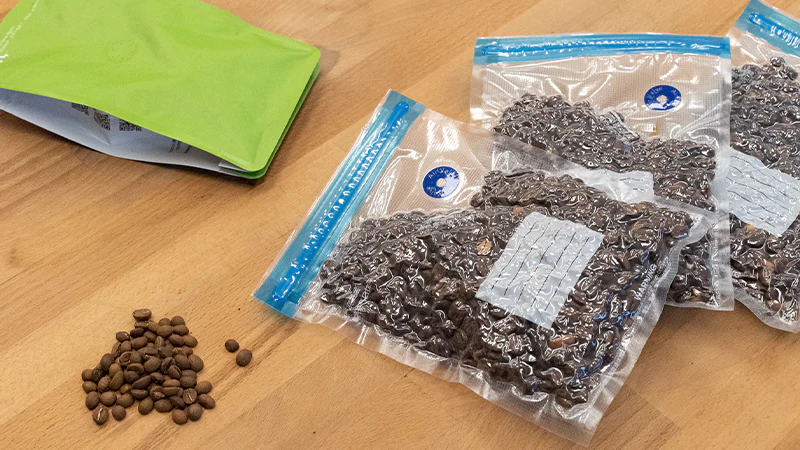
Vacuum sealing gives you a powerful way to protect coffee from air. The process starts by placing coffee in an airtight container. Machines remove air from the package, leaving almost no oxygen inside. You seal the bag tightly so outside air cannot get in.
Vacuum packaging involves sealing coffee in an airtight container.
Air is removed from the packaging through a vacuum process.
This method works for both green and roasted coffee to extend shelf life.
Vacuum pack coffee beans to slow down oxidation. Less oxygen means slower breakdown of flavor and aroma. You notice that vacuum sealed coffee stays fresh and tasty for months.
Vacuum sealed coffee has reduced oxygen exposure.
This reduction in oxygen slows down oxidation, preserving flavor and freshness for a longer period.
Vacuum sealing minimizes the presence of oxygen around the coffee.
This leads to slower oxidation, ensuring the coffee retains its taste for an extended duration.
You can use vacuum pack coffee beans for home storage or commercial packaging. This method keeps your coffee safe from air, moisture, and contaminants. You get to enjoy every cup with the same rich flavor and aroma as the day it was roasted.
Why Coffee Needs Protection
Coffee Storage Challenges
You want your coffee to taste fresh every time you brew a cup. Several environmental factors threaten the freshness of your beans during coffee storage. You need to protect coffee from these elements to keep its flavor and aroma intact.
Oxygen causes coffee oils to oxidize, leading to rancid flavors.
Moisture makes coffee absorb unwanted aromas and can promote mold growth.
Light, especially UV rays, breaks down organic compounds in coffee.
Heat speeds up the staling process and reduces shelf life.
You often see packaging solutions designed to address these challenges. Airtight packaging keeps oxygen out, helping your coffee stay flavorful. Moisture-proof bags prevent mold and bacteria, which can ruin taste and safety. Opaque or tinted containers shield coffee from light, preserving its aroma. You should store coffee in a cool, dry place and avoid refrigeration, which introduces moisture. These steps help you maintain the quality of your beans and enjoy a better cup.
Many consumers complain about packaging that does not protect coffee well. Plastic bags create waste and are not biodegradable. Aluminum foil bags preserve coffee but are energy-intensive and hard to recycle. Paper bags often have plastic liners, making recycling difficult. Glass jars require a lot of energy to produce. Single-serve pods offer convenience but generate significant waste.
Degassing After Roasting
Freshly roasted coffee releases carbon dioxide, which affects how you package it. During roasting, beans produce between 2 to 10 ml of CO2 per gram. This gas can build up inside sealed packages.
Roasted coffee needs to be tempered to remove trapped CO2 before packaging. If you skip this step, packages may swell or burst, causing leaks and waste.
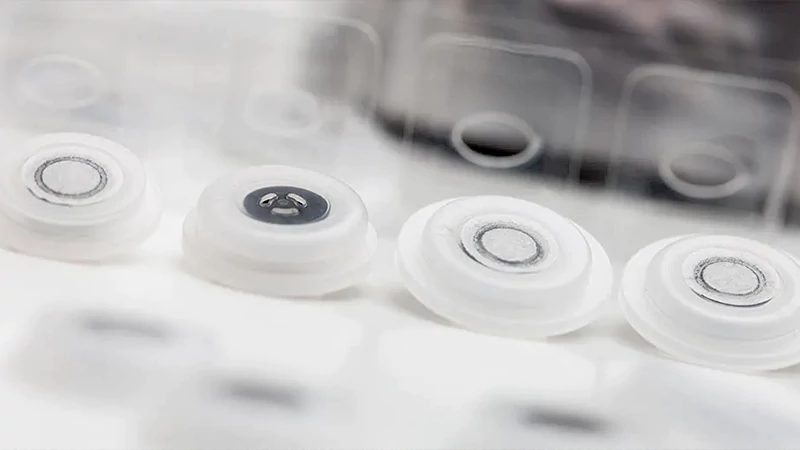
You should let coffee rest after roasting to allow most of the CO2 to escape. Packaging with one-way degassing valves helps manage this process. These valves let CO2 out without letting oxygen in, keeping your coffee fresh and safe. By understanding degassing, you can choose packaging that protects your beans and preserves their quality.
Science of Coffee Bean Packaging

Oxidation and Staling
You want your coffee to taste fresh every time you brew a cup. Right after roasting, coffee beans start to lose their flavor. This happens because of several chemical reactions. The most important ones are oxidation and the loss of volatile compounds. These reactions cause staling, which makes your coffee taste dull and flat.
Coffee beans begin to lose flavor immediately after roasting due to various chemical reactions.
Oxidation and the loss of volatile compounds are key reactions that contribute to staling.
Packaging methods like nitrogen flushing and vacuum sealing reduce exposure to oxygen and moisture, slowing the staling process.
You can slow down these changes with the right packaging. Vacuum sealing and nitrogen flushing remove most of the oxygen from the bag. This helps with preservation by keeping the beans from reacting with air. When you use these methods, you protect the delicate flavors and aromas that make coffee special. Good packaging is your first step in oxidation and moisture control.
Moisture and Contaminant Barriers
Moisture is another big threat to coffee preservation. If water gets into your coffee bag, it can ruin the taste and even cause mold. You also want to keep out dust, odors, and other contaminants. The best way to do this is by choosing packaging with strong barrier properties.
Here is a table showing how different materials protect your coffee:
Packaging Material | Barrier Properties | Notes |
|---|---|---|
Excellent moisture and air barrier | Cost-effective, often with one-way valves | |
Durable, resistant to moisture, light, and oxygen | Reflective surface preserves flavor | |
Moderate protection, often with foil liner | Eco-friendly, rustic appearance | |
Tin Tie Bags | Limited protection | Resealable, user-friendly option |
You should look for packaging that blocks both moisture and air. Foil and plastic bags offer the best preservation for coffee. Kraft paper bags with a foil liner also work well if you want an eco-friendly option. When you choose the right material, you help keep your coffee fresh and safe from outside threats.
BN PACK Coffee Bag Solutions
Custom Coffee Bag Features
You want your coffee to stay fresh and stand out on the shelf. BN PACK coffee bean packaging gives you many options to achieve both goals. You can choose from over 50 standard sizes or request custom dimensions to fit your needs. BN PACK offers sealing styles like zippers and one-way degassing valves, which help you keep coffee at optimal freshness. High-barrier films block oxygen and moisture, so your coffee beans stay flavorful longer.
Here is a table showing how BN PACK features help you maintain coffee freshness:
Feature | Benefit |
|---|---|
Airtight seals | Prevent moisture, air, and light from affecting coffee, maintaining freshness. |
Durable materials | Strong, tear-resistant material protects coffee during handling and transport. |
One-way valve | Allows gases to escape while preventing air from entering, preserving flavor and aroma. |
Zipper reseal | Provides a practical way to reseal bags, keeping coffee fresh longer. |
You can also select printing options that highlight your brand. BN PACK coffee bean packaging supports vibrant designs, so your coffee stands out. You get packaging that protects your product and boosts your brand visibility.
Tip: Choose high-barrier films and resealable zippers for the best protection and customer experience.
Eco-Friendly Packaging Options
You care about the environment and want coffee bean packaging that matches your values. BN PACK offers eco-friendly materials that help you reduce waste and support sustainability. You can select kraft paper, PLA, PBAT, or cellulose for your coffee bags. These materials are biodegradable and compostable, so you help protect the planet.
Here is a table showing eco-friendly options:
Material Type | Description | Compostability |
|---|---|---|
Kraft Paper | Made from wood pulp, unbleached, 100% recyclable, biodegradable, and compostable. | Yes |
PLA | Biodegradable, made from renewable resources like corn, decomposes in controlled composting conditions. | Yes |
PBAT | A biodegradable polymer that enhances the compostability of packaging. | Yes |
Cellulose | Derived from plant materials, fully biodegradable and compostable. | Yes |
Foil-lined coffee bean packaging preserves optimal freshness for longer periods. Recyclable bags offer a balance between sustainability and freshness. Biodegradable bags help you reduce your environmental impact, but you should store coffee away from light to prevent flavor loss.
You get coffee bean packaging that supports optimal freshness, protects your beans, and matches your brand’s commitment to sustainability.
Comparing Coffee Packaging Methods
Vacuum Pack vs. Valve Bags
When you choose coffee packaging, you often see two main options: vacuum-packed bags and valve bags. Both methods help preserve the freshness of your coffee, but they work in different ways. Vacuum-packed coffee removes almost all air from the bag. This process keeps your beans safe from oxygen, which causes them to lose flavor over time. If you buy coffee in bulk, vacuum sealing gives you the best chance to keep your beans fresh for months.
Valve bags use a one-way valve. This valve lets gases from freshly roasted coffee escape, but it blocks outside air from getting in. You often see valve bags used by specialty roasters who want to balance freshness with the need for degassing. While both types of coffee packaging protect your beans, vacuum sealing is more effective for long-term storage.
Here is a quick comparison:
Packaging Type | Freshness Retention | Effectiveness in Long Term |
|---|---|---|
Vacuum-Packed Coffee | Minimizes exposure to air, maintaining freshness over a longer period. | More effective |
Valve Bag Packaging | Allows gas release while preventing oxygen entry, but less effective than vacuum sealing. | Less effective |
Tip: If you plan to store coffee for several months, vacuum-packed coffee packaging offers the best protection against staling.
Nitrogen Flushing & Other Methods
You may also see nitrogen flushing used in coffee packaging. This method replaces oxygen inside the bag with nitrogen gas. Nitrogen does not react with coffee, so it helps keep your beans fresh. Nitrogen flushing works well for both whole beans and ground coffee. Some oxygen may remain, but the risk of staling drops sharply.
Vacuum sealing and nitrogen flushing both aim to limit oxygen. Here is how they compare:
Aspect | Nitrogen Flushing | Vacuum Sealing |
|---|---|---|
Method | Replaces oxygen with nitrogen gas in sealed pouches | Removes air from pouches and seals them airtight |
Freshness | Highly effective, but some oxygen remains | Completely airtight, but a small amount of oxygen remains |
Transportation | More resilient due to nitrogen cushion | Beans in direct contact with packaging |
Cost & Ease of Use | Cost-effective, automated processes available | Simple and cost-effective, with degassing valves available |
Other coffee packaging methods include airtight tins and resealable bags. These options help for short-term storage but do not match the long-term protection of vacuum or nitrogen methods. When you select coffee packaging, think about how long you want to keep your coffee fresh and how you plan to use it.
Shelf Life & Sensory Qualities
Freshness Over Time
You want your coffee to taste fresh every time you brew a cup. The shelf life and sensory impact of coffee depend on how you store it and the packaging you choose. Vacuum-sealed bags help you keep coffee fresh for months. You remove air from the bag, which slows down oxidation and protects the beans. Retailers use different packaging methods to extend shelf life and maintain quality on the shelf.
Here is a table showing how packaging affects shelf life and storage:
Packaging Method | Description | Shelf Life Benefit |
|---|---|---|
Tin Tie Paper Bags | Used for daily shop sales | Short shelf life, best for quick use |
High-Barrier Foil Bags | Blocks oxygen, moisture, and light | Long shelf life, ideal for retail |
One-Way Valve Bags | Releases CO2, blocks oxygen | Medium shelf life, good for fresh roast |
Gas Flushing | Nitrogen replaces oxygen | Extended shelf life, preserves flavors |
Vacuum-Sealed Bags | Removes air, minimizes oxidation | Longest shelf life, best for storage |
You see that vacuum-sealed coffee stays fresh longer than coffee in regular bags. Effective packaging keeps oxygen, moisture, and light away from your beans. This helps you enjoy better flavors and aromas every time you open a bag.
Flavor and Aroma Retention
You notice that coffee loses its aromas and flavors over time if you do not use proper storage. Vacuum-sealed coffee beans retain their aromas and flavors better than beans stored in Ziploc bags. Sensory analysis shows that cuppers score vacuum-sealed samples higher for aroma and flavor, even after months on the shelf. You experience richer aromas and more vibrant flavors when you choose vacuum-sealed packaging.
Coffee retailers measure packaging effectiveness by testing how well each method preserves aromas and flavors. They use shelf tests and sensory evaluations to compare results. Flexis valves in one-way valve bags keep less than 2% residual oxygen for up to 24 months. Gas-flushed coffee stays fresher longer than non-flushed coffee. You benefit from packaging that protects aromas and flavors, giving you a better cup every time.
Tip: Store your coffee in a cool, dry place and use vacuum-sealed bags for the best shelf life and sensory impact. You get the most out of your coffee’s natural aromas and flavors with the right storage.
Practical Coffee Storage Tips
Handling Vacuum-Packed Coffee
You want your coffee to taste fresh every time you brew a cup. Handling vacuum-packed beans the right way helps you get the best flavor and aroma. Start by using a large funnel to fill vacuum bags with beans. Leave enough space at the top so you can seal the bag tightly. Mark the coffee type and roast date at the bottom of each bag. This helps you track freshness and know when to use your beans.
After sealing, let the vacuum-packed bag sit for about twelve minutes. Check for a proper seal before storing. Place your beans in a dark spot to protect them from UV light. Use sturdy containers if you store beans in the freezer. This prevents damage from other items. Oxygen absorber pads can help maintain freshness inside the bag. Always choose airtight packaging to keep oxygen out and preserve the quality of your beans.
Use a funnel to fill vacuum bags with beans.
Mark coffee type and roast date on the bag.
Let sealed bags sit to check for leaks.
Store beans in a dark place.
Use sturdy containers in the freezer.
Add oxygen absorber pads for extra freshness.
Choose airtight packaging to keep oxygen out.
Tip: Handle vacuum-packed coffee with care to enjoy every cup at its peak.
Choosing the Right Packaging
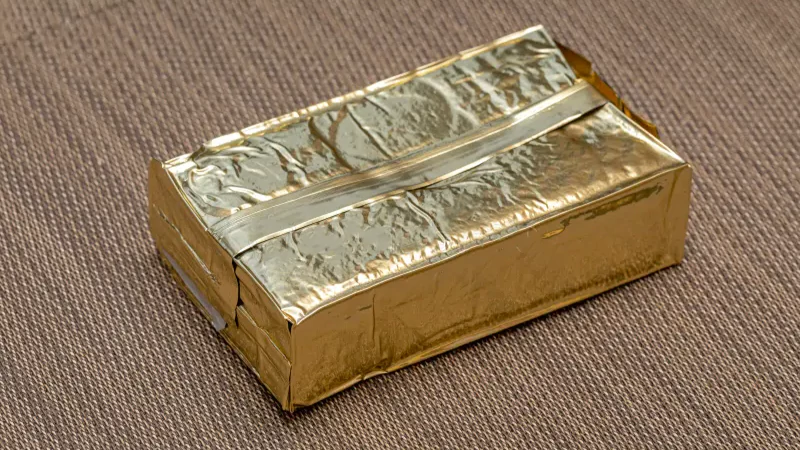
Selecting the best packaging for your coffee beans depends on your needs. You want to keep oxygen out and use airtight packaging to protect flavor. BN PACK offers many options for both home and business use. Stand-up pouches work well for specialty coffee brands. Flat-bottom bags give a modern look and stability for retail shelves. Side gusset bags fit medium to large volumes, making them ideal for commercial roasters. Quad seal bags offer a premium feel for high-end beans. Kraft paper takeout bags suit fresh brews in cafes but do not work for long-term storage. Tins and cans provide airtight packaging and a premium look for gifts or luxury coffee lines.
Packaging Type | Key Features | Ideal Use Case |
|---|---|---|
Lightweight, cost-effective, visually attractive, degassing valve | Specialty coffee brands | |
Modern look, excellent stability, customizable branding | Retail environments | |
Space-efficient, ideal for medium to large volumes | Commercial roasters and boutique brands | |
Quad Seal Bag | Durable, premium appearance, excellent branding opportunities | High-end, large-volume coffees |
Kraft Paper Takeout Bags | Eco-conscious, low cost, not ideal for long-term storage | Cafes for fresh brews |
Tins and Cans | Airtight, light-blocking, reusable, premium feel | Gift packaging or high-end coffee lines |
You should use BN PACK coffee bags when you need to keep beans fresh for longer periods. Choose high-barrier materials and resealable features for the best results. BN PACK’s airtight packaging helps you keep oxygen out and maintain the rich taste of your beans.
Vacuum sealed bags protect coffee from oxidation, preserving aroma and coffee flavor for months. You see specialty roasters use vacuum-sealed coffee packaging to maintain quality retention and extend shelf life. Choosing export-grade packaging like BN PACK coffee bags ensures quality for export and retail. Eco-friendly packaging options support sustainability and appeal to environmentally conscious shoppers. You improve quality retention and brand reputation by selecting packaging that balances freshness and environmental impact. Explore BN PACK’s packaging solutions to elevate your coffee quality and export success.
Packaging Benefit | Description |
|---|---|
Quality retention | Maintains coffee aroma and flavor integrity |
Export-grade packaging | Ensures quality for global export |
Eco-friendly options | Reduces environmental impact |
Tip: You boost coffee quality and export potential by choosing packaging designed for freshness and sustainability.