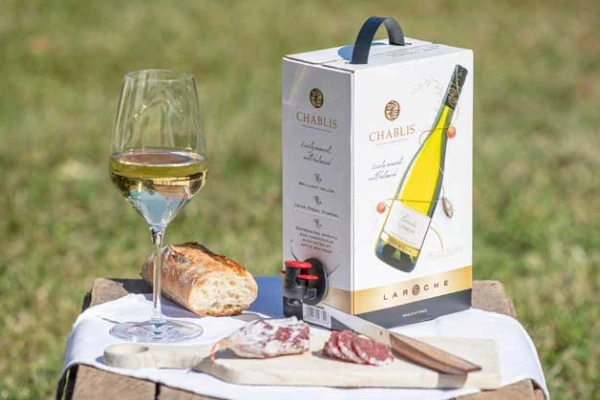
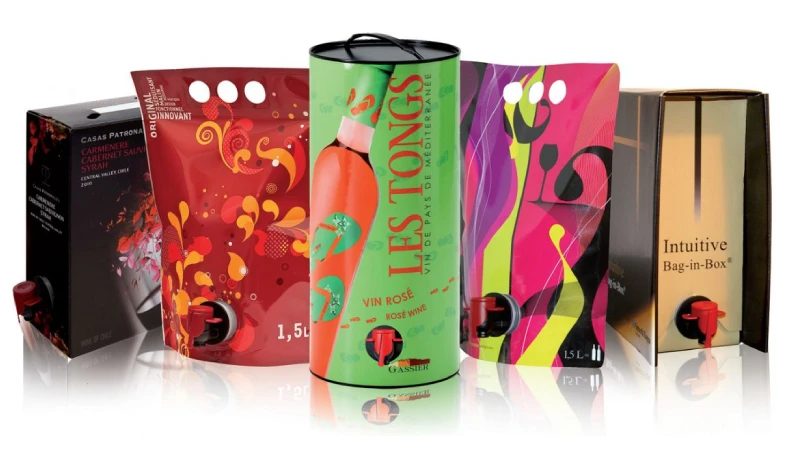
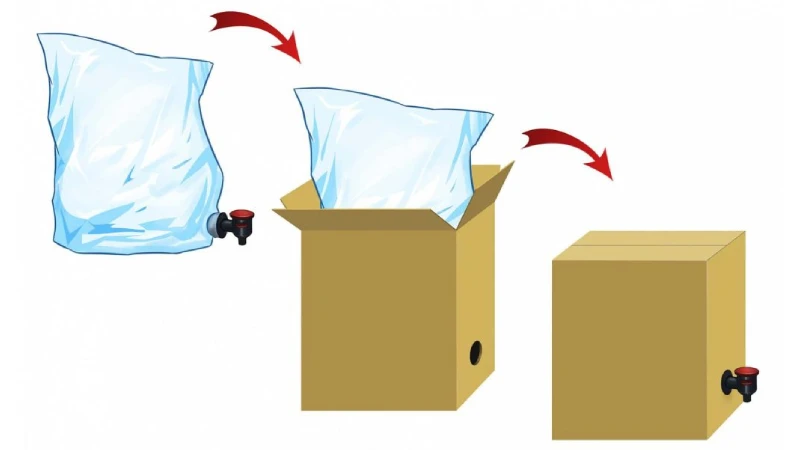
Bag box packaging gives you a smart and eco-friendly choice for your business. You use up to 80% less plastic than traditional packaging. The outer box is usually recyclable cardboard, while the inner bag can be recyclable or biodegradable. This lightweight system cuts shipping costs and saves space in storage. You also protect your products better and reduce waste, making your operations more efficient.
Environmental Impact
Recyclability and Biodegradability
Bag box packaging stands out for its eco-friendly materials. You can see how different materials contribute to recyclability and biodegradability in the table below:
Material | Recyclability | Biodegradability |
|---|---|---|
Paper and cardboard | Easily processed and remade into new paper products | Can be broken down by microorganisms into natural elements |
Glass | Can be melted and reshaped infinitely without losing quality | Not biodegradable but highly recyclable |
Metals | Retain properties through repeated recycling processes | Not biodegradable but highly recyclable |
Certain plastics | Commonly accepted in recycling programs (e.g., PET, HDPE) | Some bioplastics are biodegradable, made from renewable resources |
You help the environment by choosing packaging that is easy to recycle or even compost. The cardboard box can go into your recycling bin, and some inner bags use bioplastics that break down naturally.
Lower Carbon Footprint
Bag box packaging helps you lower your carbon footprint. Lightweight materials mean fewer greenhouse gas emissions during transport and production. You can see the impact in the table below:
Packaging Type | Carbon Footprint Reduction |
|---|---|
Recycled HDPE | Up to 88% |
Recycled PET | 79% |
Recycled Paper | 25% |
Did you know? Greenhouse gas emissions for 1000 lbs of virgin paper are only 0.606 kg CO2 equivalent, while recycled paper is 0.898 kg CO2 equivalent. You make a positive impact by choosing recycled materials.
You support a cleaner planet and show your customers that you care about sustainability.
Economic and Operational Benefits
Cost Savings
You can see real savings when you switch to bag box packaging. This system uses fewer materials and reduces waste, which lowers your costs. Many businesses find that they spend less on packaging supplies and shipping. You also cut down on losses from damaged goods because the packaging protects your products better. Companies often measure their return on investment using several key metrics:
Key Metrics | Description |
|---|---|
Efficiency Savings | Cost reductions achieved through improved processes and reduced waste. |
Inventory Accuracy | Enhanced tracking and management of stock levels, leading to fewer discrepancies. |
Reduced Shrinkage | Decrease in losses due to theft or damage, contributing to overall profitability. |
Payback Period | Typical return on investment seen within 12-18 months, with full ROI realized in three years. |
Sustainability Impact | Reduction in material waste and support for eco-friendly practices through smart packaging. |
Tip: Many businesses see a full return on investment in as little as three years.
Space and Storage Efficiency
You gain a big advantage in storage and warehouse management with bag box packaging. Flat-packed liners take up much less space than rigid containers. This means you can store more inventory without needing a bigger warehouse. For example:
You can fit 72,000 flat-packed liners in the same space that once held only 3,000 rigid containers.
The space-saving ratio can be as high as 24:1, depending on your product.
You lower transportation costs and make better use of your warehouse space.
This efficiency helps you keep your operations lean and flexible.
Streamlined Logistics
You improve your logistics when you use bag box packaging. The lightweight design makes shipping easier and less expensive. You can move more units in each shipment, which reduces your transportation costs. You also face fewer challenges with inventory management and order fulfillment. Some common challenges businesses face during the transition include:
Sourcing sustainable materials from reliable suppliers.
Meeting regulatory standards for packaging.
Educating consumers about the benefits of green packaging.
Managing higher initial costs, which you can offset through supply chain improvements.
By overcoming these challenges, you set your business up for long-term success and sustainability.
Bag Box Packaging and Sustainability
Brand Image and Trust
You build a strong brand image when you choose bag box packaging. Today’s consumers care about the environment and want to support companies that share their values. When you use packaging made from recycled or compostable materials, you show your commitment to sustainability. Clear labeling, such as “100% post-consumer recycled” or “biodegradable,” helps your customers make informed choices.
92% of shoppers say sustainability is important when choosing a brand.
81% of consumers prefer to buy from brands that prioritize sustainability.
74% are willing to pay more for products in eco-friendly packaging.
60% will stop buying from a company they believe is harming the planet.
You can see that using eco-friendly packaging is not just about the environment. It also builds trust and loyalty. When you align your actions with your sustainability message, you create a stronger emotional connection with your customers. Many shoppers now look for products that help reduce their carbon footprint. If you offer customizable branding on your packaging, you can highlight your green efforts and stand out in a crowded market.
Tip: Customizable features and eco-friendly materials make your packaging more attractive to eco-conscious consumers. About 40% of consumers are likely to make repeat purchases from an online merchant with premium packaging.
Regulatory Compliance
You must meet strict regulations when you sell products today. Bag box packaging helps you comply with both local and international standards. Many governments now require companies to reduce waste and use recyclable materials. The following table shows some key regulations and their requirements:
Regulation | Key Requirements |
|---|---|
Extended Producer Responsibility | Report packaging volumes, register with government, collect data, submit reports. |
Packaging Waste Directive | Minimize packaging use, reduce hazardous substances, increase recyclability, file reports. |
Waste Framework Directive | Defines waste management concepts, including recovery and recycling processes. |
You also need to follow international standards. Bag box packaging supports compliance with these rules:
Regulation/Standard | Description |
|---|---|
ISO Certifications | Standardizes packaging quality across various sectors. |
FDA Regulations | Enforces rules for food and medicine packaging in the USA. |
EU Packaging Rules | Promotes recyclable materials and sustainability in packaging. |
The European Union, for example, focuses on recyclable packaging materials and aims to enhance reusability. You can meet these requirements by choosing packaging that uses less material and is easy to recycle. To stay compliant, you should:
Maintain comprehensive data about your products.
Stay updated on requirements for digital product passports.
Ensure compliance with the Ecodesign for Sustainable Products Regulation (ESPR).
By using bag box packaging, you make it easier to meet these standards and avoid penalties.
Circular Economy
You support the circular economy when you use bag box packaging. This approach keeps materials in use for as long as possible and reduces waste. The design of bag box packaging allows you to choose materials that are easy to recycle or compost. You can also reuse some packaging for multiple shipments, which saves money and resources.
Aspect | Description |
|---|---|
Material Selection | Factors determining the choice of materials for packaging. |
Design Strategies | Guidelines and considerations for conceptual design. |
Assessment Tools | Tools to validate and assess packaging circularity. |
Reusable packaging is designed for multiple shipments, reducing waste.
Eco-friendly materials enhance customer trust and support sustainability.
Cost savings come from fewer disposable packaging purchases.
You also help your business by aligning with modern values. Many consumers now expect brands to support sustainability. For example, a food delivery service saw a 35% increase in subscription renewals after switching to recyclable containers. This shows that customers reward companies that make responsible choices. The bag-in-box market continues to grow as more industries seek sustainable and functional packaging solutions.
Note: Modern consumers are more environmentally conscious than ever. They want brands to use packaging that supports a circular economy and reduces their impact on the planet.
Real-World Success
Business Examples
You can see how companies across different industries have found success with bag box packaging. Many businesses choose this solution to improve both sustainability and efficiency. Here are some real-world examples:
Rapak, a TriMas company, uses bag-in-box systems for food and beverages like dairy, wine, and soft drinks. You benefit from ultra-hygienic packaging that is easy to store and transport. This system extends product shelf life and offers single-handed dispensing. You also cut your carbon footprint in half compared to glass wine bottles.
Ritual switched to 100% recycled paper-padded mailers. You lower your environmental impact while keeping your products safe.
Mosh uses custom-branded shipping boxes with high levels of post-consumer recycled content. You maintain your brand identity and support sustainability at the same time.
Raan adopted post-consumer recycled pouches. You save money and attract more eco-conscious customers.
Companies that use eco-friendly packaging often see less waste and a stronger brand reputation.
Sustainability Outcomes
You can measure the impact of switching to bag box packaging with clear results. Many businesses report impressive improvements in waste reduction and customer satisfaction. The table below shows some key outcomes:
Outcome | Measurement |
|---|---|
Reduction in packaging waste | 78% within the first year |
Elimination of single-use bags | 600-1,000 bags annually per unit |
Positive consumer response rate | Exceeding 85% |
You also find that companies like Package Free Shop saw a 40% increase in sales after focusing on sustainability. Simply Gum discovered that 70% of their customers prefer their product because of eco-friendly packaging.
You can achieve similar results by making the switch. When you choose sustainable packaging, you help the planet and build a loyal customer base.
You gain many advantages when you choose bag box packaging. This solution helps you cut costs, reduce waste, and build trust with eco-conscious customers. The table below highlights key benefits:
Benefit | Description |
|---|---|
Appeal to Eco-Conscious Consumers | Sustainable choices boost brand loyalty and trust. |
Cut Operational Costs | Less waste means lower disposal fees and landfill use. |
Optimize Supply Chain | Lightweight design lowers shipping costs and environmental impact. |
Lower Disposal Costs | Recyclable materials reduce long-term waste expenses. |
Reduce Freight Expenses | Efficient packaging saves on shipping and handling. |
Modern consumers want packaging that matches their values.
Governments now require more recyclable and eco-friendly materials.
Eco-friendly packaging can save you money and protect your products.
You can lead your industry by adopting packaging that supports a cleaner future.