
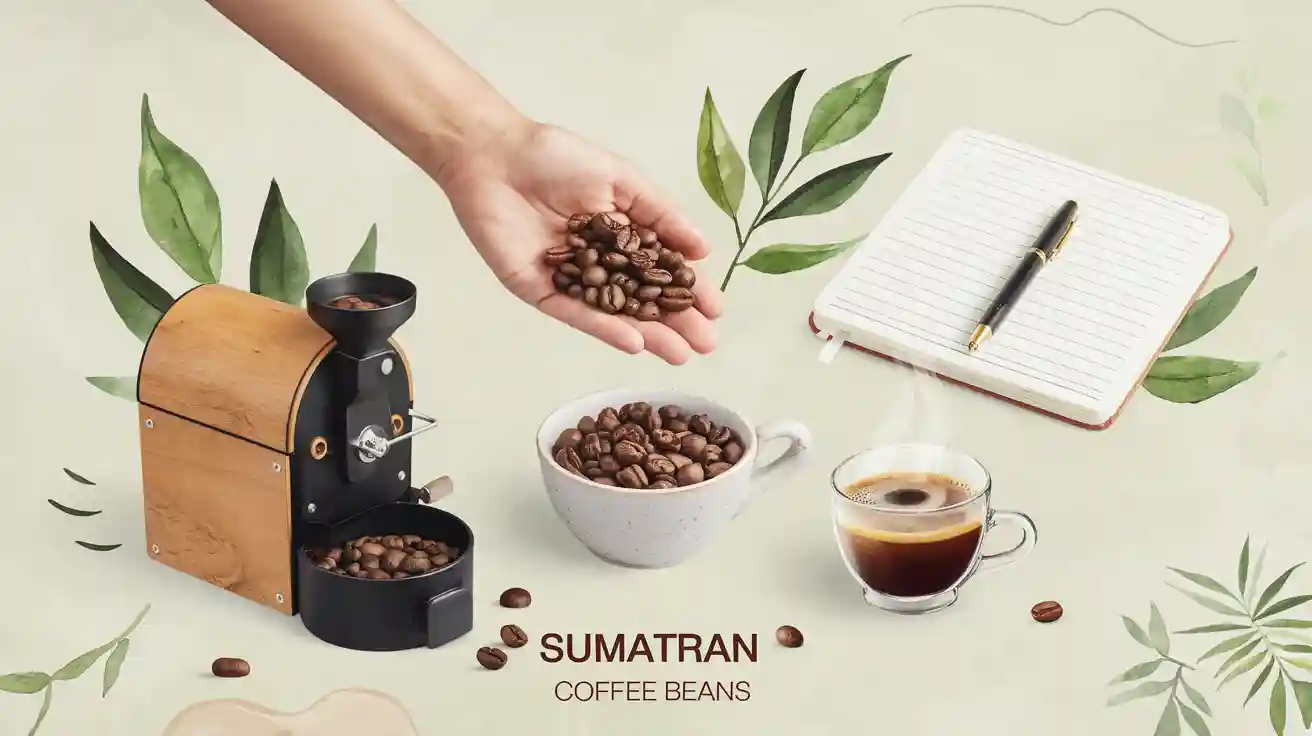
You can roast Sumatran coffee at home with simple equipment and a bit of curiosity. Many beginners choose home roasting to discover flavors not found in store-bought coffee, enjoy fresher beans, and experiment with unique roast levels.
You get to taste rare profiles and control your coffee’s freshness with proper packaging.
Sumatran Coffee Basics
Origin and Processing
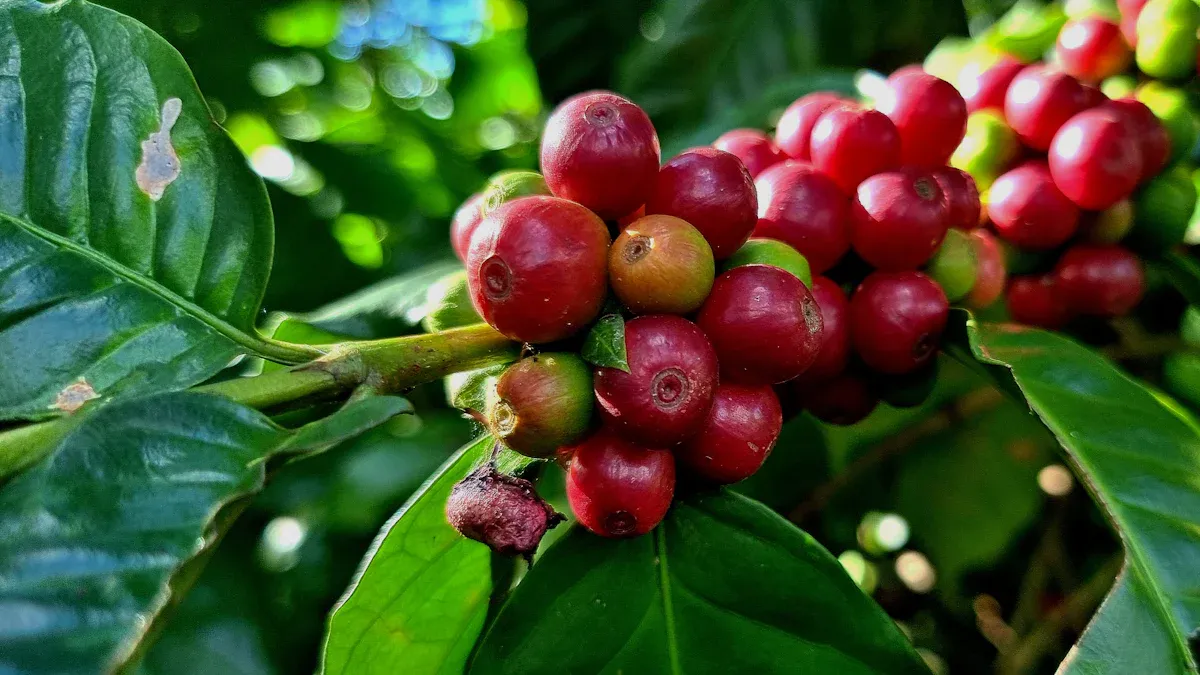
You find the origin of sumatran coffee in the lush, volcanic regions of Sumatra. The main coffee-growing areas include:
Aceh, famous for Gayo coffee from the Central Aceh Highlands.
North Sumatra, home to Lake Toba and unique varieties like Lintong and Sidikalang.
West Sumatra, with regions such as Solok and Agam, known for strong aroma and medium acidity.
South Sumatra, where Mount Dempo produces both Arabica and Robusta beans.
Sumatra’s tropical climate, with high temperatures and rich volcanic soil, shapes the complex flavors you experience in every cup. The traditional wet-hulling process, called ‘Giling Basah,’ sets sumatran coffee apart. Farmers remove the parchment layer early, allowing beans to dry faster in the humid climate. This method gives sumatra coffee its distinct earthy tones and full-body.
Flavor Profile
When you taste sumatran coffee, you notice a bold, wild character. The cup often reveals earthy, spicy, and mushroomy notes. You may also detect hints of cane sugar, cocoa, and deep fruit like black cherry. The full-body and low acidity make sumatra coffee smooth and satisfying. Compared to Colombian or Ethiopian coffees, sumatran beans offer a richer, more robust profile with chocolate, spice, and herbal undertones.
Coffee Origin | Flavor Profile Characteristics |
|---|---|
Sumatran | Rich, bold, earthy flavors with notes of chocolate, spices, and deep fruit flavors. |
Colombian | Naturally sweet with a lighter, brighter flavor profile. |
Ethiopian | Emphasizes sweetness and brightness, often with floral and fruity notes. |
Why Choose Sumatra
You choose sumatra coffee for its unique taste and origin story. Specialty enthusiasts love the earthy, spicy, and complex notes. Varieties like sumatra mandheling deliver a full-body and low acidity, while Gayo coffee brings a syrupy sweetness. Lintong beans add herbal and spicy flavors. The volcanic soil and wet-hulling process create a cup you cannot find elsewhere. To keep these flavors fresh, use BN PACK coffee bags. Their high-barrier materials, resealable zippers, and degassing valves protect your sumatran beans from air, moisture, and light, so every brew tastes as vibrant as the day you roasted it.
Roasting Guide for Sumatran Coffee
Equipment Needed
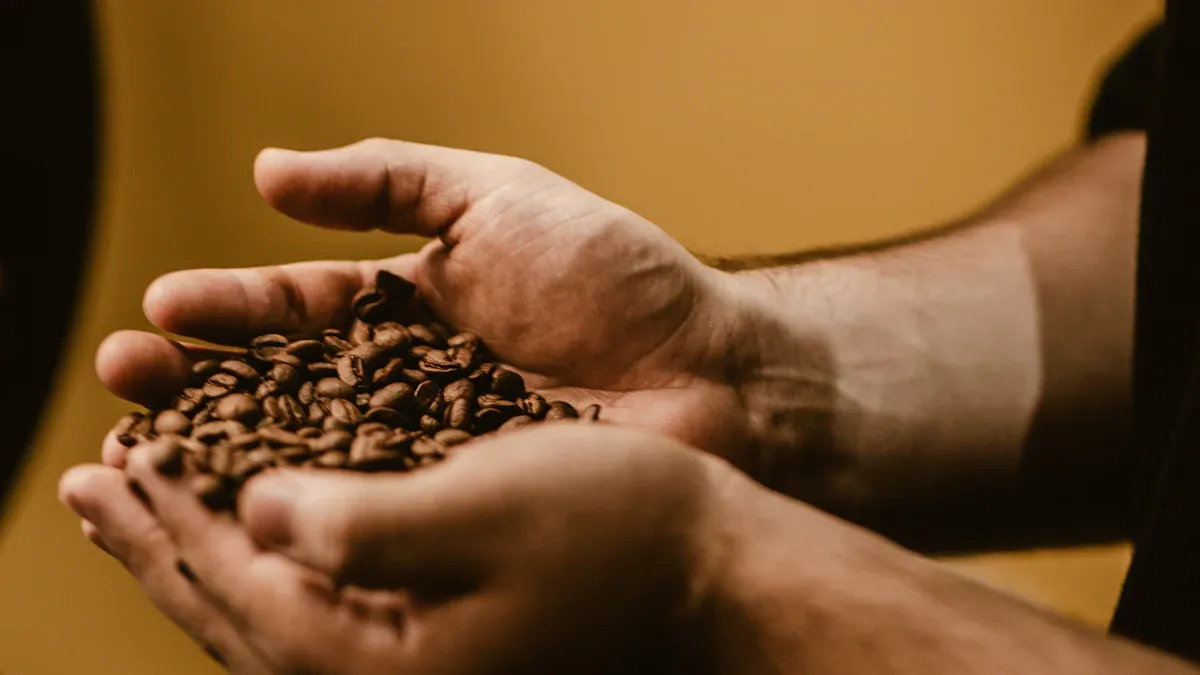
You do not need expensive equipment to start roasting sumatra coffee at home. Many beginners use a simple popcorn popper, a stovetop pan, or a small home coffee roaster. Each tool gives you a different level of control over the roast. A popcorn popper works well for small batches and lets you see the beans change color. A stovetop pan gives you hands-on control, but you must stir constantly for even roasting. A dedicated home coffee roaster offers precise temperature and time settings, which helps you achieve consistent results.
The equipment you choose impacts the final flavor of your sumatra coffee. You guide the beans through several stages:
Drying Stage: You remove moisture from the beans, which prepares them for even roasting.
Browning Stage: You start the Maillard reaction, which creates the rich aroma and flavor sumatran coffee is known for.
First Crack: You hear the beans pop as they expand and release gases. This signals the start of major flavor development.
Development Stage: You control the time and temperature to shape the final taste and aroma.
Second Crack: You hear a second round of cracks, which means the beans are moving into a darker roast with bolder flavors.
A kitchen scale, a timer, and a metal colander for cooling the beans also help you get the best results. Always roast in a well-ventilated area because the process creates smoke.
Roast Levels
Sumatra coffee shines at medium to medium-dark roast levels. These roast profiles bring out the full-body, earthy, and spicy notes that make sumatran beans unique. You can also experiment with lighter or darker roasts to explore different flavors.
Roast Level | Description |
|---|---|
Light to Medium | Highlights the unique qualities of sumatran coffee, such as herbal and fruity notes. |
Northern European | Brings out the natural taste of the bean, perfect for those who want to experience origin flavors. |
Dark Roast | Works well for sumatra mandheling, giving a bold, smoky profile with deep chocolate undertones. |
You can choose from these common roast levels:
Light
Medium-Light
Medium
Medium-Dark
Dark
Each roast level changes the flavor and aroma of sumatra coffee. Lighter roasts give you bright acidity and floral notes. Medium roasts balance origin flavors with caramel sweetness and hints of chocolate or nuts. Dark roasts create a bold, smoky, and sometimes bittersweet taste, which highlights the full-body and richness of sumatran beans.
Roast Level | Characteristics |
|---|---|
Light Roasts | Bright acidity, pronounced fruitiness, and sometimes floral notes. |
Medium Roasts | A balance of origin flavors and caramelized sweetness, with notes from fruity to chocolaty. |
Dark Roasts | Bold, smoky, and sometimes bittersweet taste, emphasizing flavors from roasting. |
Roasting Steps
You can roast sumatra coffee at home by following these simple steps. Focus on medium or medium-dark profiles to enjoy the classic full-body and earthy taste of sumatran beans.
Choose Your Unroasted Coffee Beans
Select high-quality sumatran beans. Look for beans from regions like Mandheling, Gayo, or Lintong if you want specific flavor notes.Decide What Roast Profile You Want
Aim for a medium or medium-dark roast. These levels bring out the signature full-body and complex flavors of sumatra coffee.Map Out Your Roast
Plan your roasting time and temperature. For a medium roast, you usually stop the roast just after the first crack. For a medium-dark roast, let the beans develop a bit longer, but stop before the second crack finishes.Start Roasting
Preheat your roaster or pan. Add the beans and stir or agitate them for even heat. Listen for the first crack, which signals the beans are reaching a medium roast. Watch the color and smell the aroma. For a medium-dark roast, continue roasting until you hear the start of the second crack.Cool the Beans Quickly
Pour the beans into a metal colander and shake them to cool. This stops the roasting process and locks in the flavors.Cup Your Coffee
Wait at least 12 hours before tasting. Brew a small batch and note the flavors. You should notice the full-body, earthy, and spicy notes that sumatra coffee is famous for.Draw Conclusions and Keep Experimenting
Adjust your process based on what you taste. Try different roast times or temperatures to find your favorite profile.
Tip: Store your freshly roasted sumatra coffee in BN PACK coffee bags. These bags have high-barrier materials, resealable zippers, and degassing valves. They keep your beans fresh and protect the full-body and aroma until you are ready to brew.
Roasting sumatran coffee at home lets you control every step. You can highlight the unique taste and full-body that make sumatra coffee special. With practice, you will discover the roast level that best matches your preferences.
Troubleshooting Sumatran Coffee Roasts
Common Mistakes
When you roast sumatran coffee, you may run into a few common problems. Many beginners make these mistakes:
You might forget to ventilate your roasting area, which can cause smoke to build up.
You could overload your roaster with too many sumatran beans, leading to uneven roasting.
Skipping the preheating step often results in beans that roast unevenly.
If you do not pay close attention, you may overroast your sumatra coffee.
Missing the first crack can stop you from reaching the flavor you want.
Cooling the beans too slowly can cause over-roasting and a burnt taste.
Inconsistent heat or airflow during roasting makes your sumatra beans unpredictable.
Storing your sumatra coffee beans the wrong way can lead to flavor loss.
Brewing your sumatra coffee right after roasting, without letting it rest, can give you flat flavors.
Not writing down your roast profiles makes it hard to improve your process.
Following recipes without thinking about your own setup can give you poor results.
Ignoring safety can lead to burns or even fires.
Tip: Always keep your roasting area safe and well-ventilated. Use proper storage like BN PACK coffee bags to protect your sumatran beans’ freshness.
Fixes and Tips
You can solve most sumatran roasting problems with a few simple steps:
Learn the roasting process for sumatra coffee so you avoid underdeveloped flavors.
Watch your temperatures closely to keep from over-roasting your sumatra beans.
Cool your sumatra coffee beans quickly after roasting to stop the process at the right time.
Let your roasted sumatra coffee rest and degas for at least 12 hours before brewing. This helps the taste develop fully.
Write down your roast times, temperatures, and results. This helps you improve each batch of sumatra coffee.
Use high-quality storage to keep your sumatra beans fresh and full of flavor.
If you stay alert and make small changes, you will get better results with every batch of sumatran coffee you roast.
Brewing Sumatra Coffee
Best Methods
You have several ways to brew sumatra coffee, but some methods work better than others for bringing out its unique qualities. The French Press stands out as the top choice for sumatra. This method lets you steep the grounds in hot water, which draws out the full body and earthy notes that make sumatra coffee special. Use a coarse grind, add 54 grams of coffee to 900 ml of water, and steep for four minutes. You get a rich, bold cup every time.
The pour-over method also works well for sumatra coffee. This technique gives you control over the brewing process. Pour hot water in a slow, circular motion over the grounds. You highlight the complex flavors and aroma of sumatra with this approach. Both methods help you experience the deep, robust character of sumatra coffee.
Tip: For darker roasts, use a lower brewing temperature between 198°F and 202°F. This range helps you avoid bitterness and brings out the smooth, full-bodied profile of sumatra coffee.
Highlighting Flavors
You want to keep your sumatra coffee beans fresh before brewing. Store them in BN PACK coffee bags. These bags protect your beans from air, moisture, and light. Fresh beans give you the best taste in every cup.
When you brew sumatra coffee, focus on methods that emphasize its heavy body and earthy flavors. The French Press creates a thick, satisfying mouthfeel. The pour-over method brings out subtle notes like chocolate, spice, and even hints of cherry. Try both to discover which style you prefer. You will notice how each method changes the taste and aroma of your sumatra coffee.
Packaging and Storage
Coffee Bag Features
You need high-quality packaging to keep your coffee fresh and flavorful. Good packaging protects your beans from air, moisture, and light. These factors can quickly ruin the taste of your sumatran coffee. The right coffee bag extends shelf life and keeps the aroma strong.
BN PACK’s custom coffee bags offer features that help you store your coffee like a pro. Here is a quick look at what makes a great coffee bag:
Feature | Description |
|---|---|
Materials | Strong barriers like aluminum foil and PET keep out moisture, oxygen, and light. |
One-Way Degassing Valve | Lets carbon dioxide escape but blocks oxygen, so your coffee stays fresh and the bag stays safe. |
Resealable Zippers | Easy to open and close, these zippers keep air out after you open the bag. |
Light-Blocking Design | Opaque bags stop UV rays from breaking down your coffee’s flavor. |
You also get eco-friendly options. These bags use recyclable or compostable materials. Hermetic packaging keeps out moisture and oxygen, which helps your sumatran coffee last longer without chemicals.
Tip: BN PACK coffee bags combine all these features. You can find more details on their coffee bag product page.
Keeping Beans Fresh
You want your coffee to taste as good as possible. Start by buying small batches of freshly roasted beans. Store your coffee in an airtight, opaque bag. Keep it in a cool, dark place away from heat. Wait to grind your beans until just before brewing.
Resealable zippers and degassing valves in BN PACK bags help you keep your coffee at its best. The valve lets gas out but blocks oxygen. This keeps your coffee from going stale and prevents bag blowouts. High-barrier bags stop gas and water from getting in, so your beans stay fresh for weeks.
If you live in a humid area, you might freeze your coffee. Use an airtight bag and only take out what you need for a week. This prevents moisture from ruining your beans.
Proper packaging and storage help you enjoy the full flavor of sumatran coffee every time you brew.
You can master roasting and brewing Sumatran coffee by planning your roast, choosing the right method, and avoiding common mistakes. Experiment with different profiles and brewing styles to discover new flavors. Use quality packaging like BN PACK coffee bags to keep your coffee fresh. Share your coffee journey or questions below!