
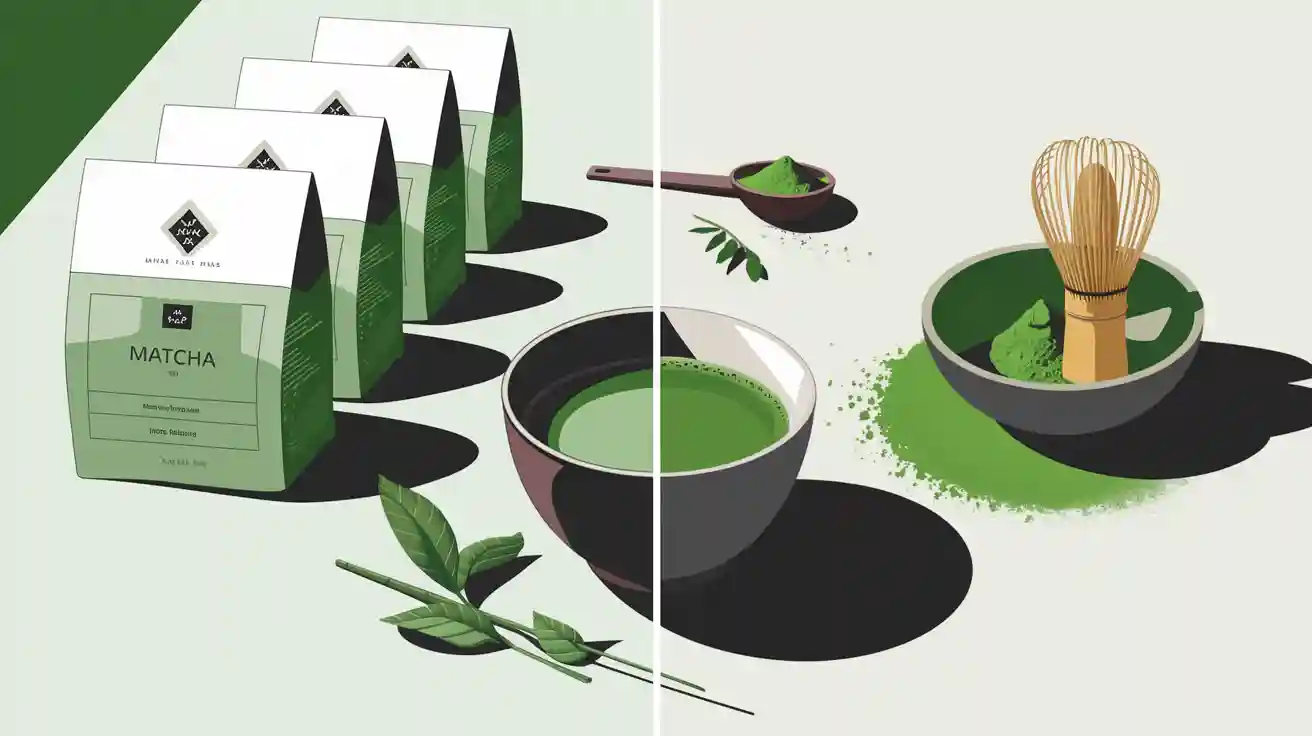
If you want the full matcha experience, powder usually wins. You get more antioxidants, richer flavor, and true quality from using the whole leaf. Some people pick matcha green tea bags vs powder because they want easy preparation and a milder taste. Here’s a quick look at what sets them apart:
Attribute | Matcha Powder | Matcha Tea Bags |
|---|---|---|
Health | Potent, high in antioxidants | Some benefits, less potent |
Quality | Whole leaf, pure | May blend with other teas |
Taste | Earthy, bold | Milder, subtle |
Convenience | Needs prep | Quick, hassle-free |
Value | Higher cost, max benefits | Affordable, less impact |
Matcha gives you a boost in health and flavor, while tea bags offer simplicity and value. Your choice depends on what you care about most.
Matcha Green Tea Bags vs Powder
What Is Matcha?
You might wonder what makes matcha so special. Matcha comes from the same plant as all true teas, Camellia sinensis, but the way farmers grow and process it sets it apart. Tea growers shade the plants for several weeks before harvest. This step boosts the chlorophyll and amino acids in the leaves, giving matcha its vibrant green color and rich umami flavor.
After picking, producers steam and dry the leaves. They skip the rolling step used for regular green tea. Instead, they grind the leaves into a fine powder. You get a product that’s not just a tea, but a superfood packed with antioxidants and nutrients.
Here’s a quick comparison of matcha and regular green tea:
Aspect | Matcha | Green Tea |
|---|---|---|
Form | Powdered | Loose leaves |
Preparation Method | Whisked in water | Steeped in hot water |
Cultivation | Grown in shade for 3-4 weeks | Grown in sunlight |
Flavor Profile | Distinctive, rich umami | Lighter, more delicate flavor |
Nutritional Content | Higher in antioxidants and amino acids | Varies, generally lower |
Matcha Powder
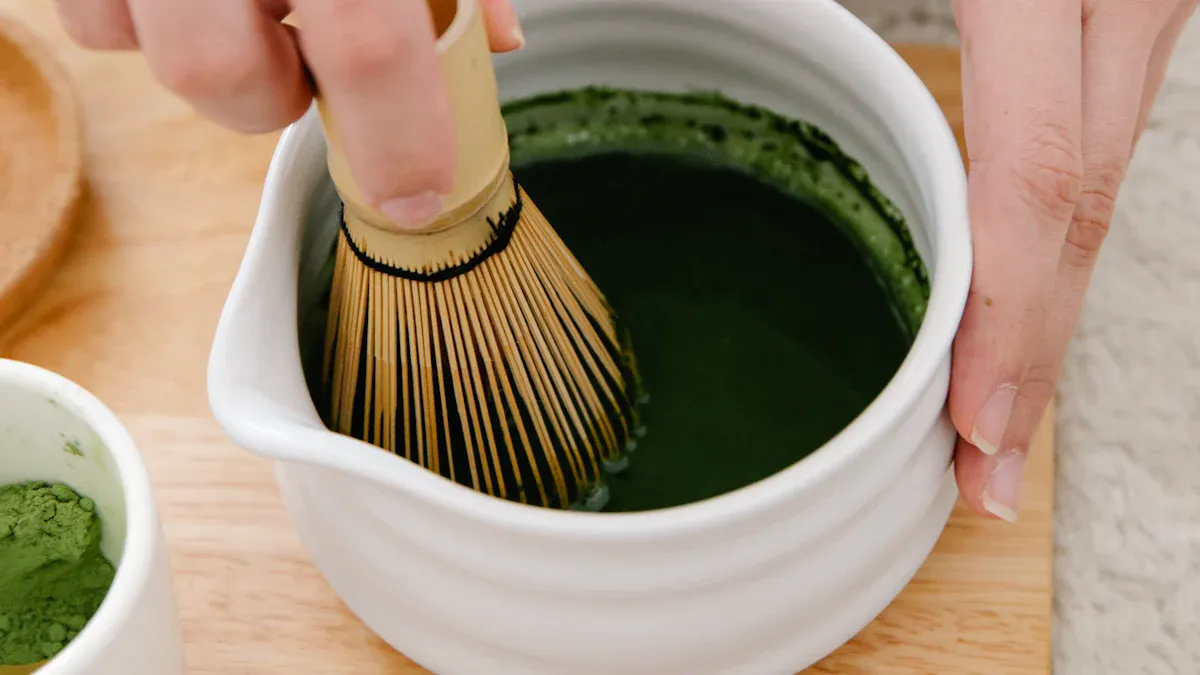
When you choose matcha powder, you get the whole leaf in its purest form. You whisk the powder with hot water using a bamboo whisk called a chasen. This method gives you a creamy, frothy drink with a bold, earthy taste. You don’t just brew tea—you consume the entire leaf, which means you absorb more antioxidants and nutrients.
Matcha powder comes in different grades. Each grade suits a different use:
Grade | Characteristics | Typical Uses |
|---|---|---|
Ceremonial Grade | Highest quality, vibrant green color, sweet and umami flavor, silky texture | Sipping in pure form, matcha lattes, limited baking due to delicate flavor |
Daily Grade | Balanced taste, clean aroma, smooth texture, joyful green color | Enjoyed on its own, pairs with milk and sweeteners, ideal for various recipes |
Culinary Grade | Robust flavor, often from older leaves, more astringent and bold | Used in cooking, baking, and beverages, suitable for sweet and savory recipes |
You’ll notice that matcha powder offers a richer flavor and a thicker texture than other teas. You can use it in drinks, desserts, and even savory dishes. If you want the full health benefits, matcha powder is your best bet. Lab tests show that matcha powder usually has higher antioxidant potential than matcha tea bags, especially when you prepare it with hot water.
Here are some key points about matcha powder:
You use the entire leaf, so you get more nutrients.
Preparation involves whisking, which creates a unique texture.
Antioxidant levels are higher, supporting better health.
You can choose from ceremonial, daily, or culinary grades.
Matcha Tea Bags
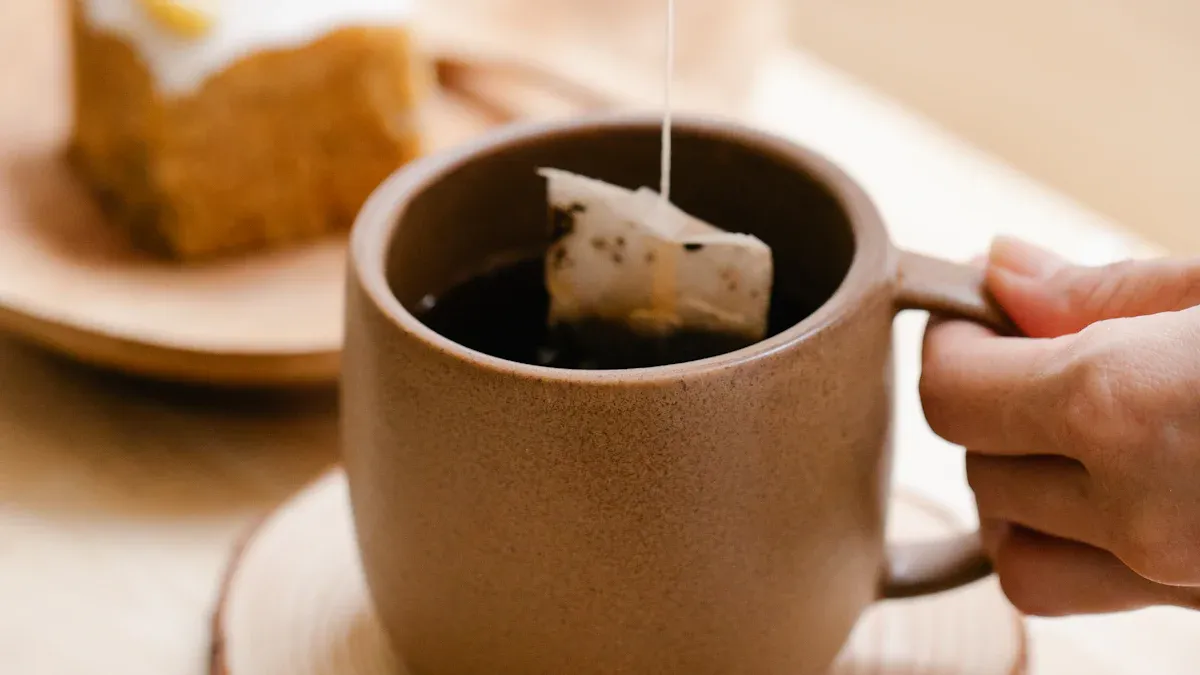
If you prefer convenience, matcha tea bags might fit your lifestyle. You just steep the bag in hot water, like you do with green tea bags. This method saves time and makes cleanup easy. Many people enjoy the milder taste and lighter texture of matcha tea bags.
Matcha tea bags often contain a blend of matcha and other green teas. This blend changes the flavor and lowers the antioxidant content compared to pure matcha powder. You still get some health benefits, but not as much as with the powder. The ingredients in matcha tea bags can vary, so always check the label if you want pure matcha.
Here’s a quick look at how matcha tea bags compare to pure matcha powder:
Aspect | Matcha Tea Bags | Pure Matcha Powder |
|---|---|---|
Ingredients | Blend of green tea and matcha | Entire matcha leaf |
Flavor Profile | Different due to blending | Unique, earthy flavor |
Antioxidant Levels | Lower due to partial leaf use | Significantly higher |
Health Benefits | Good for heart health, less potent | More potent health benefits |
Convenience | More accessible and easy to prepare | Requires more preparation |
Let’s break down the main differences between matcha green tea bags vs powder:
Matcha powder uses the whole leaf, while matcha tea bags may blend other teas.
You whisk matcha powder, but you steep matcha tea bags.
Matcha powder gives you a bold flavor and more antioxidants.
Matcha tea bags offer a quick, easy way to enjoy matcha green tea.
If you want maximum health benefits and a true matcha experience, go for the powder. If you want something quick and easy, matcha tea bags are a great choice. Both options let you enjoy the unique taste and benefits of matcha, so pick the one that fits your routine.
How Matcha Is Made
Powder Production
If you want to know why matcha powder stands out, you need to look at how it’s made. The process is detailed and careful, and every step matters for quality. Here’s how matcha powder comes to life:
Cultivation: Farmers shade the tea plants for several weeks. This boosts chlorophyll and gives matcha its bright green color and rich flavor.
Steaming: Right after harvest, the leaves get steamed. This locks in freshness and stops oxidation, so the color stays vibrant.
Drying: The leaves dry out to remove moisture. This step helps preserve flavor and makes storage easier.
Sorting: Workers sort the leaves, removing veins and stems. Only the best parts go into matcha.
Aracha Production: The leaves go through initial processing to remove stalks and impurities.
Tencha Refinement: The aracha gets refined into tencha, which is the base for matcha powder.
Cold Storage: Tencha sits in cold rooms to keep it fresh until milling.
Milling: The tencha gets ground slowly, often with stone mills. Slow milling prevents heat damage, so matcha keeps its flavor and aroma.
Tip: Slow milling is key. If you rush this step, you lose the delicate taste and smooth texture that make matcha special.
The result is a fine powder that dissolves easily and delivers a bold, earthy flavor. You get all the nutrients because you consume the whole leaf.
Tea Bag Production
Matcha tea bags take a different path. You’ll notice the process is simpler and often blends matcha with other green teas. Here’s what usually happens:
Producers source matcha, but they often mix it with regular green tea leaves.
The blend goes through basic processing, which may not include shading or careful sorting.
The mixture gets ground, but not always as finely as pure matcha powder.
The blend is packed into tea bags, ready for steeping.
This method saves time and makes matcha more accessible. You get a milder taste and a lighter color. The health benefits are still there, but not as strong as with pure matcha powder. The production process for tea bags doesn’t preserve as many nutrients or antioxidants.
Note: If you want the full matcha experience, powder gives you more flavor and health benefits than tea bags.
Nutritional Value
Matcha Powder Benefits
When you choose pure matcha powder, you get a nutritional powerhouse in every scoop. You consume the entire tea leaf, so you take in more nutrients than with regular green tea or matcha tea bags. Here’s what makes matcha tea powder stand out:
You get a much higher dose of antioxidants. Lab tests show that matcha powder contains more antioxidants than matcha tea bags. The grinding process boosts the polyphenol content, making it nutritionally superior.
Each serving of matcha tea powder gives you about 53 to 72 mg of caffeine. This is much more than what you find in tea bags, so you feel more alert and focused.
Matcha is packed with catechins, especially EGCG, which supports heart health and may help prevent certain cancers.
Studies link matcha to improved brain function. You may notice better attention, memory, and response time after drinking it.
The combination of caffeine and theanine in matcha can help with weight loss. Research shows this blend may boost fat burning and help you reach your goals faster.
Matcha supports your gut health and may lower inflammation, which helps prevent chronic diseases.
You get more value for your money when you want the health benefits of EGCG, since pure matcha powder is more cost-effective than tea bags.
Tip: If you want the full health benefits and the best antioxidant properties, go for pure matcha powder.
Tea Bags Benefits
Matcha tea bags still offer some great health benefits, even if they are not as potent as pure matcha powder. You get a gentle boost and a milder taste, which some people prefer. Here’s what you can expect:
Matcha tea bags contain L-theanine, which can help you relax and reduce stress.
You may notice a better mood and sharper thinking, since matcha can boost dopamine and serotonin.
The chlorophyll in matcha tea bags helps your body detox and supports your liver.
Drinking matcha tea can help lower bad cholesterol and blood sugar, which supports heart health.
You still get antioxidants, which protect your cells and may help prevent some cancers.
Regular use of matcha tea bags may help with weight loss, though the effect is milder than with pure matcha powder.
If you want a simple way to enjoy matcha and still get some health benefits, matcha tea bags are a good choice. You get a lighter drink that fits into a busy lifestyle.
Taste and Experience
Flavor Profile
When you sip matcha, you notice the difference right away. Matcha powder gives you a bold, earthy flavor that stands out. You taste a rich umami, almost creamy, with a hint of sweetness. This comes from the way farmers grow and process the leaves. You get the full depth of the tea because you use the whole leaf.
Matcha tea bags offer a lighter taste. The flavor feels gentle and subtle. Many tea bags blend matcha with other green teas, so you miss some of the intensity. If you like a mild drink, tea bags might suit you. If you want the classic matcha experience, powder is the way to go.
Here’s a quick comparison:
Type | Flavor Profile |
|---|---|
Matcha Powder | Bold, earthy, umami |
Tea Bags | Mild, gentle, blended |
Tip: If you crave a strong, authentic matcha taste, choose powder. If you prefer something soft and easy, tea bags work well.
Texture
Texture plays a big role in your matcha experience. When you whisk matcha powder, you create a smooth, creamy drink. The powder dissolves in water, so you get a thicker texture. It feels almost velvety on your tongue. You taste every part of the leaf, which makes the drink feel rich and satisfying.
Matcha tea bags give you a different texture. The liquid feels lighter and more watery. You don’t get the same creamy mouthfeel because the tea bag only steeps part of the leaf. Tea experts say matcha powder gives you a more intense and authentic texture, while tea bags feel less robust.
Powder: Creamy, thick, full-bodied
Tea Bags: Light, clear, less intense
If you want a matcha drink that feels luxurious, powder is your best bet. Tea bags offer convenience, but the texture is not as rich.
Convenience
Preparation
You want your matcha fix fast, right? Let’s talk about how easy it is to get your cup ready. If you go for matcha powder, you’ll need a few tools—a bowl, a whisk, and a scoop. You add the powder to hot water, then whisk until it’s frothy. This process takes a little practice, but it feels rewarding. Most people spend about 2 minutes prepping and 5 minutes whisking ceremonial matcha. You get a creamy, smooth drink that looks and tastes amazing.
Matcha tea bags make things even simpler. You just drop a bag into your mug, pour hot water, and wait. No whisking, no mess. You can finish in less than 2 minutes. This method works great when you’re rushing out the door or need a quick pick-me-up. You don’t need special equipment, so it’s perfect for beginners or busy mornings.
Here’s a quick look at the average prep times:
Ceremonial matcha powder: 2 minutes prep + 5 minutes whisking
Matcha tea bags: Under 2 minutes total
Tip: If you want a fast and easy matcha routine, tea bags are your best friend. If you enjoy a little ritual, powder makes the experience special.
Usage
Matcha fits into your day in lots of ways. You can make hot matcha tea for a classic start. Many people love matcha lattes with plant-based milk. You might blend matcha into smoothies or desserts for a tasty twist. Powder gives you more options because you can mix it into recipes or drinks. You control the strength and flavor.
Tea bags work best for simple drinks. You steep, sip, and go. You can add honey or lemon for extra flavor, but you won’t get the same versatility as powder. If you want to experiment with matcha in baking or smoothies, powder is the way to go.
Making hot matcha tea
Preparing matcha lattes with plant-based milk
Incorporating matcha into smoothies and desserts
You choose what fits your lifestyle. Matcha powder gives you flexibility. Tea bags offer speed and simplicity. Both help you enjoy matcha every day.
Packaging and Freshness
BN PACK Packaging
When you pick matcha, you want it to stay fresh and vibrant. BN PACK understands this need. You get packaging that does more than just hold your tea—it protects it. BN PACK offers custom-engineered pouches for both matcha powder and tea bags. These pouches use advanced multi-layer films, including aluminum foil or metallized polyester. The design blocks out light, air, and moisture. Your matcha keeps its bright green color and delicate flavor.
BN PACK gives you options for every format. You can choose stand-up pouches for retail shelves or flat-bottom bags for a premium look. Resealable zippers make it easy to keep your matcha fresh after opening. You also get tear notches for quick access. The packaging feels sturdy and looks beautiful, so your matcha stands out.
Here’s a quick look at BN PACK’s packaging features:
Feature | Benefit |
|---|---|
Multi-layer barrier | Blocks light, air, moisture |
Aluminum foil core | Preserves color and flavor |
Resealable zipper | Maintains freshness |
Custom printing | Showcases your brand |
Tear notch | Easy to open |
Tip: If you want your matcha to look and taste great from the first cup to the last, BN PACK packaging makes a big difference.
Freshness Protection
You know how important freshness is for matcha. BN PACK’s high-barrier pouches give you peace of mind. The materials block out everything that can harm your tea. Light, oxygen, and moisture never get inside. Your matcha stays potent and flavorful.
Traditional packaging, like paper pouches or basic ziplock bags, can’t offer the same protection. They let in air and light, which makes matcha lose its color and taste faster. BN PACK’s aluminum foil bags combine a lightweight feel with strong barrier properties. You get a package that keeps your matcha fresh and easy to use.
Blocks light, air, and moisture for maximum freshness
Keeps matcha’s bright green color and rich flavor
Resealable design adds convenience for daily use
If you care about quality, BN PACK’s packaging helps you enjoy matcha at its best every time.
Quality and Purity
Ingredient Transparency
When you shop for matcha, you want to know exactly what goes into your cup. Leading matcha powder brands make this easy for you. They list every ingredient and share details about where their tea comes from. You often see information about organic certifications, ethical sourcing, and even the flavor profile of each batch. Brands like Tezumi set the standard by showing you how their matcha is grown and processed.
Quality control is a big deal in the matcha world. Here’s how producers keep things pure:
Check the semi-finished tea before producing.
Check the fineness of the tea.
Check the bags before packing.
Check the tea after being put in bags.
Check the finished tea bags.
Each batch of matcha gets tested for heavy metals and pesticides by Eurofins laboratories, a world leader in food safety.
Producers also rely on third-party labs to check for heavy metals. These independent tests give you peace of mind and help you trust what you’re drinking.
You can feel confident when you see organic certifications and traceability documents. Some brands, like Matcha Ninja, provide transaction certificates for every batch. This means you know exactly where your matcha came from and how it was handled.
Additives
You might notice that some matcha tea bags contain extra ingredients. These can include sweeteners or other additives. While they may make your tea taste sweeter or milder, they can lower the quality of your matcha.
Some brands add sweeteners or flavorings.
Additives can reduce the purity and health benefits of matcha.
Pure matcha powder gives you the best quality and most nutrients.
If you want the true matcha experience, look for products with just one ingredient: matcha. You get a richer flavor and more health benefits. Always check the label before you buy. Choosing pure matcha powder helps you enjoy the full quality and purity that matcha has to offer.
Cost and Value
Price
When you shop for matcha, price often plays a big role in your decision. Matcha powder and tea bags come in different price ranges. You might notice that ceremonial grade matcha powder costs more than everyday tea bags. If you want premium quality, you pay a little extra. Take a look at this table to see how prices compare for popular matcha products:
Product Name | Price Range (per unit) |
|---|---|
Hot Selling USDA Organic Japanese Matcha | $1.00 – $1.26 |
OEM ODM Private Label Organic Ceremonial Grade | $2.99 – $3.49 |
Wholesale Bulk Organic Ceremonial Grade Matcha | $18 – $35 |
Private Label Organic Keto Matcha Powder | $2.20 – $3.80 |
Halal Matcha Bubble Tea Powder | $4.10 – $4.80 |
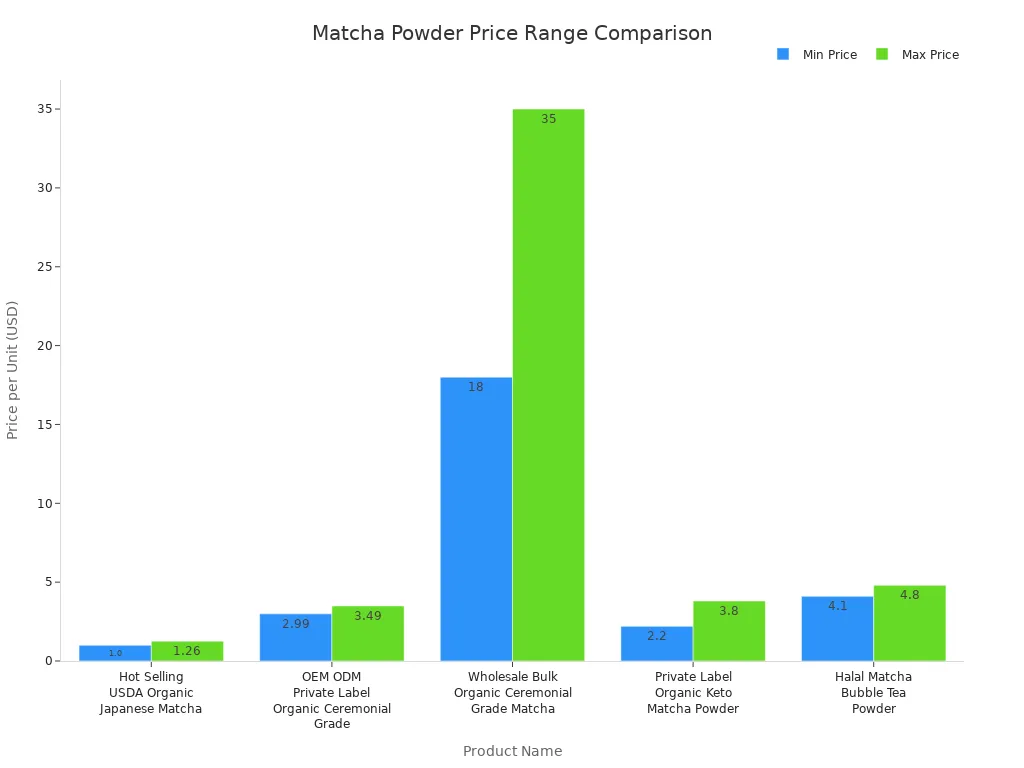
You see that matcha powder, especially ceremonial grade, sits at the higher end. Tea bags usually cost less per unit. If you want to try matcha without spending much, tea bags offer a budget-friendly start. Powder gives you more options, but you pay for the quality and experience.
Long-Term Value
Let’s talk about what you get for your money over time. You might think matcha powder is expensive, but the cost per serving can surprise you. Here’s a quick table to show how matcha tea bags and powder stack up:
Product Type | Cost per Serving | Notes |
|---|---|---|
Matcha Tea Bags | $0.36 | Based on a package of 20 bags costing $7.20 |
Matcha Powder | $0.33 – $0.66 | Based on a 1.06 oz bag costing $9.95, with 15-30 servings available |
Matcha powder usually costs more upfront, but you get more servings from each bag.
You might choose powder for the health benefits and authentic taste.
Some people switch to tea bags when prices rise, but powder fans stick with it for quality.
If you drink matcha every day, powder can give you better value in the long run. You control the strength and flavor, and you enjoy more antioxidants. Tea bags save you time and money, but powder delivers the full matcha experience. Think about what matters most to you—convenience, health, or taste—and pick the option that fits your lifestyle.
Choosing What’s Best
Health
If you care most about health benefits, matcha powder stands out. You get the whole leaf, so you absorb more nutrients and antioxidants. Nutritionists say matcha contains up to ten times more antioxidants than regular green tea. You also get more catechins, which help protect your heart. L-theanine in matcha promotes relaxation and alertness, making your mind feel clear and focused.
Here’s why matcha powder is the healthier choice:
You get a higher concentration of antioxidants, especially catechins.
Matcha may lower your risk of heart disease.
You enjoy more L-theanine, which helps you relax and stay alert.
You consume the entire leaf, so you get all the nutrients.
Matcha tea bags offer some health benefits, but they can’t match the power of pure matcha powder. If you want the most from your matcha drinks, powder is the way to go.
Taste
Taste can make or break your matcha experience. If you love bold flavors, matcha powder delivers a rich, earthy taste with a creamy texture. Ceremonial-grade matcha shines with a bright color and pleasant aroma. You can whisk it into a classic matcha latte or enjoy it straight for a true Japanese tea ceremony feel.
Matcha tea bags give you a milder, gentler flavor. Many people like the subtle taste, especially if they prefer lighter matcha blends. Tea bags often blend matcha with other green teas, so you get a softer profile. If you want to experiment with recipes, matcha powder works better. You can add it to smoothies, desserts, or even bake with it.
Tip: If you crave a strong, authentic matcha taste, choose powder. If you prefer a gentle sip, tea bags might suit you.
Convenience
Life gets busy, and sometimes you just want your matcha tea fast. Matcha tea bags make it easy. You drop a bag in hot water, wait a minute, and you’re done. No whisk, no mess. This option is perfect for mornings when you rush out the door or need a quick pick-me-up at work.
Why do people choose matcha tea bags for convenience?
You only need to steep the bag in hot water.
Preparation takes less than two minutes.
Tea bags are ideal for a hassle-free matcha drink.
They fit perfectly into a busy lifestyle.
Matcha powder needs a little more effort. You measure, whisk, and clean up. The ritual feels rewarding, but it takes time. If you want speed and simplicity, tea bags win. If you enjoy the process and want to control your matcha latte’s strength, powder is worth the extra steps.
Value
Value means more than just price. You want quality, freshness, and versatility. Online reviews show that matcha powder offers superior quality and flavor. Ceremonial-grade matcha stands out for its color and aroma. Culinary-grade matcha adapts well to recipes. Tea bags often fall short in flavor and freshness, so many users feel disappointed.
Let’s compare value:
Option | Quality | Versatility | Freshness | Price per Serving |
|---|---|---|---|---|
Matcha Powder | Premium | High | Excellent | $0.33 – $0.66 |
Matcha Tea Bags | Good | Limited | Good | $0.36 |
Matcha powder costs more upfront, but you get more servings and better taste. You can use it in matcha latte, smoothies, and desserts. Tea bags save you time and money, but powder gives you the full matcha experience.
Note: Think about what matters most to you—health, taste, convenience, or value. If you want the best health benefits and flavor, choose matcha powder. If you need something quick and easy, matcha tea bags are a smart pick.
How to Choose for Your Lifestyle
Ask yourself a few questions:
Do you want maximum health benefits from your matcha tea?
Are you looking for a bold, authentic taste or a gentle sip?
Is convenience your top priority?
Do you want to experiment with matcha drinks and recipes?
If you love rituals and want the best matcha latte, powder is your best friend. If you need matcha on the go, tea bags make life easier. Both options let you enjoy matcha, so pick the one that fits your routine and taste.
You now know the real difference between matcha tea bags and powder. Matcha powder gives you bold flavor and the most health benefits. Tea bags make matcha easy and quick. Tea experts suggest:
Pick high-quality matcha powder for full health benefits and antioxidants.
Choose matcha tea bags if you want convenience and fast preparation.
Matcha should fit your lifestyle, whether you want a quick cup or a traditional ritual.
Think about what matters most to you. Try both matcha options and see which one makes your day brighter!