

As consumers become more connected to the products they purchase, they are increasingly asking a deeper, more important question: “Where did this coffee come from, and were the people who grew it treated fairly?” This inquiry goes straight to the heart of one of the most significant movements in the specialty coffee industry: ethical coffee sourcing.
The term ethically sourced coffee is far more than just a trendy label or a marketing buzzword; it represents a comprehensive philosophy and a profound commitment. It is a promise to ensure that the coffee we enjoy has a positive and sustainable impact on the people and the planet at every step of its long journey from the farm to the cup. It acknowledges that behind every coffee bean is a human being and an ecosystem, both of which deserve to be treated with respect and dignity.
This ethically sourced coffee guide is for the roaster, the café owner, and the coffee professional who understands that quality is measured in more than just cupping scores. We will break down the complex ethics of coffee, explore the key pillars of a truly ethical sourcing model, and discuss the roaster’s crucial and powerful role in building a more sustainable and equitable future for the entire coffee industry.
The Three Pillars of Ethical Coffee Sourcing
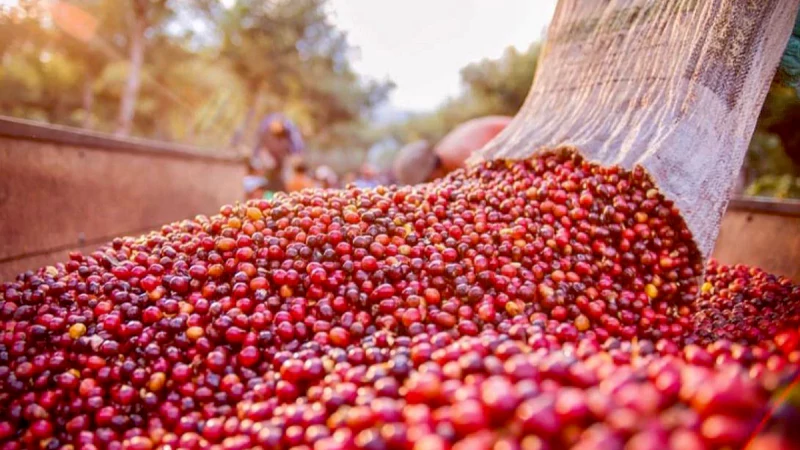
The concept of ethical sourcing is not a single issue but a holistic framework built upon three interconnected pillars. For a coffee to be considered truly ethical, it must satisfy the requirements of economic, social, and environmental sustainability. A failure in one area compromises the integrity of the entire system.
Pillar 1: Economic Sustainability (Fair Pay)
This is the foundation upon which everything else is built. For generations, the coffee industry was dominated by the commodity market (the “C-Market”), where the price of coffee fluctuates wildly based on global supply and speculation, often dropping far below a farmer’s actual cost of production. This system traps many farmers in a cycle of debt and poverty. Economic sustainability aims to break this cycle.
The two primary models for achieving this are:
- Fair Trade Certification: This is a globally recognized certification system that provides a crucial safety net. Fair Trade guarantees farmers a minimum price for their coffee, protecting them from market volatility. Additionally, it provides a “social premium”—an extra sum of money paid directly to the farmer cooperative to be invested in community development projects like building schools, improving infrastructure, or accessing healthcare.
- Direct Trade: This model involves the roaster building a direct relationship with a specific farmer or cooperative, bypassing many of the traditional middlemen. In a direct trade relationship, the roaster typically pays a significantly higher price, well above both the C-Market and Fair Trade minimums, in exchange for a higher quality and fully traceable coffee. This model fosters partnership and provides the farmer with the financial stability to invest in their farm’s future.
Pillar 2: Social Sustainability (Fair Labor & Community)
A fair price is just the beginning. The second pillar addresses the human side of the ethics of coffee, ensuring the well-being and empowerment of the people and communities who produce it. To truly ethically source a coffee means looking beyond the transaction to the human conditions behind it.
This involves a commitment to:
- Safe and Fair Labor Practices: Ensuring that all workers on the farm are provided with a safe working environment and are paid a fair wage.
- Prohibition of Forced and Child Labor: A strict and verifiable commitment to eliminating these exploitative practices from the supply chain.
- Community Empowerment: Supporting initiatives that provide access to education, clean water, and healthcare for the farming communities.
- Equity and Inclusion: Promoting gender equity and ensuring that marginalized groups within the community have a voice and an opportunity to thrive.
Farmer-owned cooperatives are often central to social sustainability, as they give smallholder farmers collective bargaining power and a democratic structure to manage their resources and social premiums.
Pillar 3: Environmental Sustainability (Fair to the Planet)
A truly coffee ethical model recognizes that human and economic health are inextricably linked to the health of the environment. Environmental sustainability is about ensuring that the coffee we drink today does not compromise the ability of future generations to grow coffee on that same land.
What sustainably sourced coffee looks like at the farm level includes practices like:
- Shade-Grown Coffee: Cultivating coffee under a natural canopy of diverse trees. This method protects biodiversity by providing a habitat for migratory birds and other wildlife, improves soil health, and often results in a slower-maturing, more complex-tasting coffee bean.
- Water Conservation: Coffee processing, particularly the “washed” method, can use a significant amount of water. Sustainable farms implement systems to treat and recycle wastewater, protecting local rivers and streams from contamination.
- Organic Farming: This involves eliminating the use of synthetic chemical pesticides and fertilizers, which protects the health of farmworkers, prevents soil and water pollution, and promotes a healthy, self-sustaining ecosystem. Key certifications to look for in this area include USDA Organic and Smithsonian Bird Friendly.
The Roaster’s Role: Championing and Communicating Ethical Sourcing
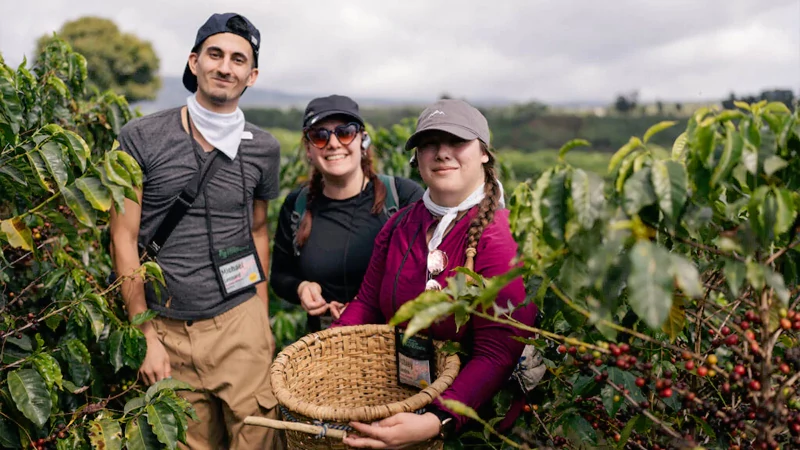
The journey towards a more ethical coffee industry does not end at the farm. As the primary link between the coffee producer and the end consumer, the roaster holds a position of immense influence and responsibility. A roaster’s commitment to ethical sourcing must go far beyond simply purchasing green beans with a Fair Trade or Organic certification sticker. Their role is to act as a champion, a storyteller, and a transparent conduit for the values they claim to uphold.
Beyond Buying: Verification and Due Diligence
In the complex and often opaque global coffee supply chain, a certification is a valuable starting point, but it should not be the end of the inquiry. A truly ethical roaster engages in due diligence. This means building strong relationships with their importing partners and asking tough, specific questions: Who is the farmer? What is the name of the cooperative? What price was paid at the farm gate? What community projects are being supported? For direct trade relationships, this often involves visiting the farms in person to see the conditions firsthand and to build a genuine, lasting partnership based on mutual respect.
The Power of Transparency
Modern consumers are savvy. They are no longer satisfied with vague marketing claims like “ethically sourced” or “sustainably grown.” They crave authenticity and transparency. The most powerful tool a roaster has to build trust and loyalty is to share the story behind their coffee.
This means using their platform—their website, their social media, and most importantly, their packaging—to communicate the specific details of their sourcing. This includes:
- Featuring the Producer: Naming the farmer, the family, or the cooperative that grew the coffee.
- Telling the Story: Sharing details about the farm’s location, its unique environmental practices, and the community it supports.
- Price Transparency: A growing number of roasters are now practicing “transparent trade,” openly sharing how much they paid for the green coffee, demonstrating a clear and verifiable commitment to economic sustainability.
By pulling back the curtain and sharing these details, a roaster transforms a simple bag of ethically sourced coffee beans from a commodity into a product with a verifiable story, a tangible connection, and a clear conscience.
How Packaging Tells Your Ethical Story
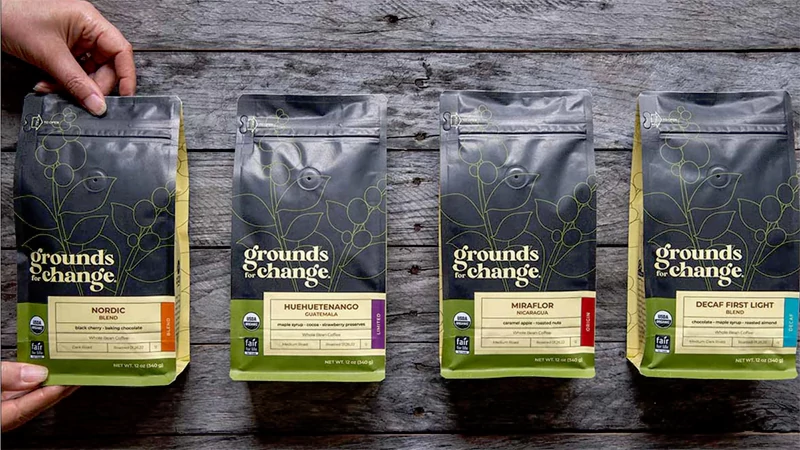
You have done the difficult and rewarding work. You have built relationships, vetted your supply chain, and sourced incredible, ethically sourced coffee beans that you are proud to share with the world. You understand your responsibility to be transparent. But now comes the final, critical challenge: How do you communicate all of that value and the beautiful story behind the bean to your customers at the most crucial point of interaction—the retail shelf?
In the few seconds a customer spends looking at your product, the story of the farm, the producer’s name, the fair price you paid, and the sustainable practices you support can be completely lost if the packaging is generic. Your coffee bag is your most powerful storyteller. It must do more than just hold coffee; it must hold the story. The bag itself must become the final handshake in a long, transparent, and ethical supply chain.
Your commitment to ethical coffee sourcing deserves to be celebrated. Custom-printed coffee bags from BN Pack are the ultimate canvas for your brand’s story. Our high-quality, vibrant printing capabilities allow you to feature photos of the farm, share the producer’s story, and clearly display the Fair Trade, Organic, or Bird Friendly certification logos that your conscious consumers are actively looking for. The bag becomes a tangible piece of communication, connecting your customer directly to the origin and the values your brand stands for. By investing in packaging that clearly and beautifully communicates your ethical commitments, you are not just selling coffee; you are selling transparency, trust, and a commitment to a better world.
Conclusion
Ultimately, ethically sourced coffee is a holistic and deeply interconnected concept. It is a commitment that extends far beyond a single transaction. It is the recognition that a truly great cup of coffee must be great for everyone involved—from the farmer who is paid a fair and stable price for their hard work, to the community that is empowered by social investment, and for the planet that is protected by sustainable agricultural practices.
While roasters and coffee brands have a critical role to play in championing this movement, the power to drive meaningful change is shared across the entire supply chain. As a consumer, every purchase is a vote. By actively choosing to support brands that are transparent about their sourcing practices and are committed to paying a premium for ethically produced coffees, you are sending a powerful message that a better, more equitable coffee industry is not just a preference, but a demand.
Ethical sourcing is not a niche trend; it is the essential, foundational future of the specialty coffee industry. It is a shared responsibility—among producers, importers, roasters, and consumers—to ensure that the coffee we love so dearly can be grown, enjoyed, and sustained for generations to come.