
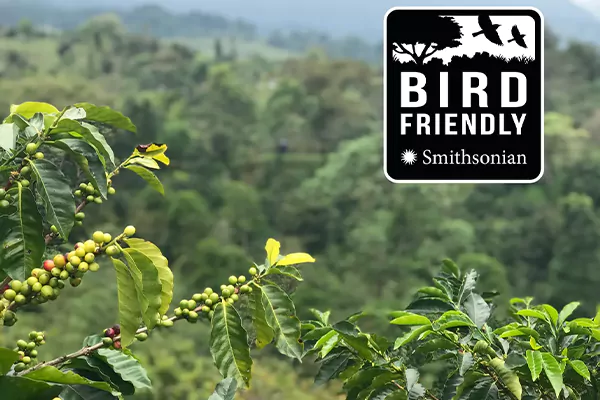
You might wonder what is bird friendly coffee and why it matters for the world around you. Bird-friendly coffee comes from farms that protect natural habitats, helping birds and other wildlife thrive. Less than 1% of global coffee lands carry this certification, which means most coffee production destroys homes for millions of birds. When you choose bird-friendly coffee, you support farming that keeps these habitats safe. Research shows that you are more likely to buy coffee with sustainability labels, especially when you know it helps birds and the environment.
What is Bird Friendly Coffee
Certification and Standards
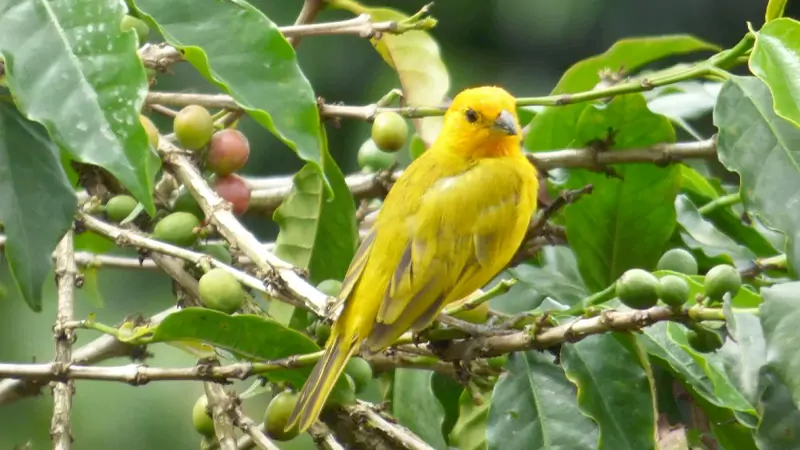
When you ask, “what is bird friendly coffee,” you look at more than just a label. You look for coffee grown under strict rules that protect birds and the environment. Farms must meet several important standards to earn this certification.
Shade cover must provide a safe habitat for migratory birds and support a wide range of plants and animals.
The coffee must be certified organic, which means farmers cannot use synthetic pesticides or fertilizers.
Farmers must use sustainable farming practices, such as composting and conserving water.
An independent third-party certifier checks the farm regularly to make sure it follows all Bird-Friendly standards.
You find over 5,100 certified farms worldwide, covering more than 37,000 acres. Most of these farms are in Mexico, Colombia, Ethiopia, and Thailand. When you choose what is bird friendly coffee, you support these regions and their efforts to protect wildlife.
Tip: Look for the official Bird-Friendly seal on your coffee bag. This seal shows that the coffee meets all the strict requirements for habitat protection and sustainable farming practices.
How It Differs from Regular Coffee
You might wonder how what is bird friendly coffee stands apart from regular coffee. The main differences come from how farmers grow and manage their crops. Here is a table to help you compare:
Feature | Bird-Friendly Coffee Farms | Conventional Coffee Farms |
|---|---|---|
Certification | Bird-Friendly Certification (more rigorous) | Rainforest Alliance Certification (more flexible) |
Organic Practices | 100% Organic, no synthetic pesticides or fertilizers | Varies, may use synthetic inputs |
Farming Method | Shade-grown under diverse tree canopy | Can include sun-grown methods |
Wildlife Protection | Focus on maintaining habitats for wildlife | Less emphasis on wildlife habitats |
Environmental Impact | Supports biodiversity, reduces deforestation | Varies, may not prioritize environmental impact |
Audit Process | Regular third-party audits for compliance | Varies, less stringent auditing |
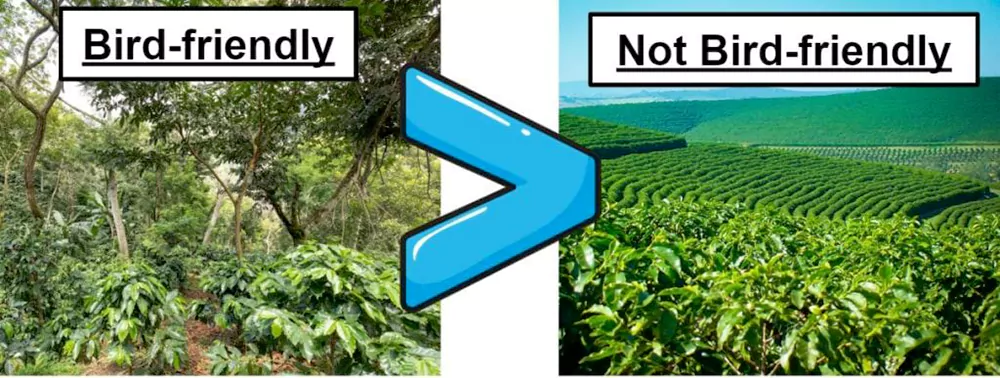
You see that what is bird friendly coffee always uses sustainable farming practices. Farmers grow coffee under a canopy of trees, which creates homes for birds and other animals. This method, called shade-grown coffee, helps keep forests healthy and supports biodiversity. Regular coffee farms may use sun-grown methods, which often remove trees and harm wildlife habitats.
When you buy what is bird friendly coffee, you also support farmers who care for the land. These farmers use sustainable farming practices that protect soil, save water, and avoid harmful chemicals. Shade-grown coffee farms can save up to $2,000 per hectare each year, even though they produce less coffee than full-sun farms. Farmers can also grow extra crops like mangos and guavas, which add value to their land.
You may notice that bird-friendly coffee costs more than regular coffee. This higher price comes from the strict certification process and the extra work needed for sustainable farming practices. Many coffee drinkers say they are willing to pay more for what is bird friendly coffee because it helps protect birds and the environment.
Note: Diverse shade trees on these farms support four times more bird species than monoculture coffee farms. By choosing what is bird friendly coffee, you help keep these habitats alive.
Why Bird-Friendly Coffee Matters
Ecosystem Impact
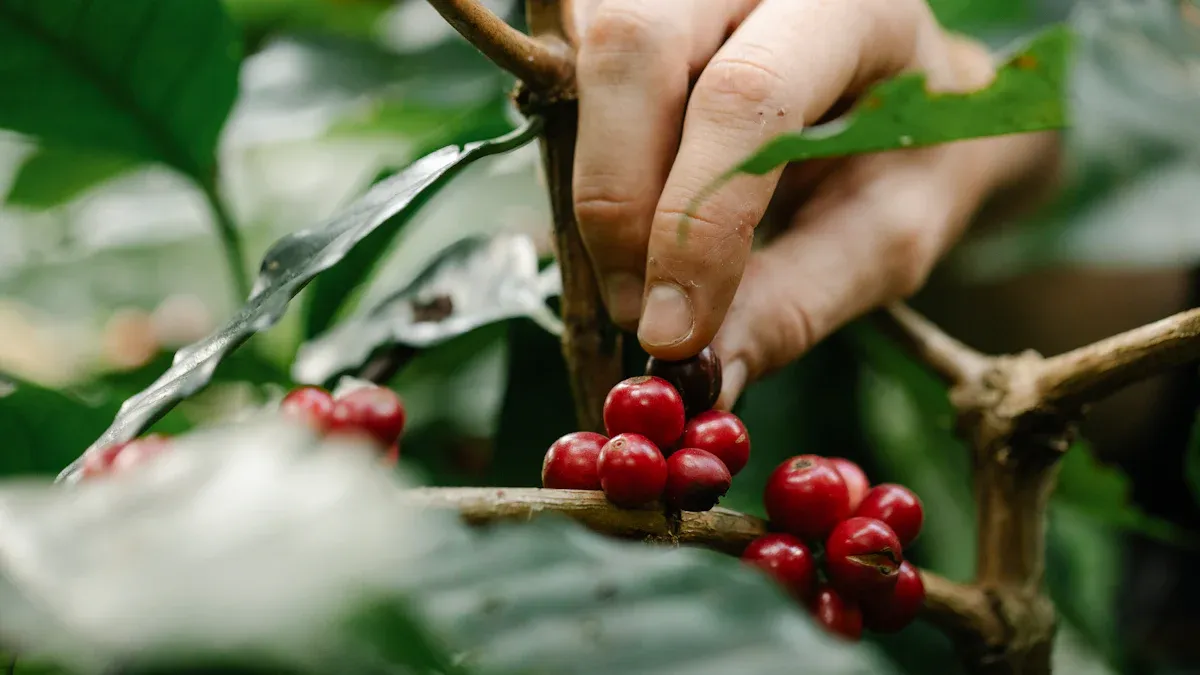
You play a vital role in protecting the ecosystem when you choose bird-friendly coffee. This type of coffee farming uses shade-grown methods, which keep a canopy of trees above the coffee plants. These trees help maintain healthy soil and conserve water. The shaded agroforestry system creates a multi-layered environment. It protects the soil from erosion and keeps water sources clean. Unlike the impact of conventional coffee farming, which often removes trees and relies on chemicals, bird-friendly coffee supports a healthier landscape.
You can see the environmental benefits of bird-friendly coffee in several ways:
Shade-grown coffee with at least 40% canopy cover supports more habitat-generalist and nonbreeding birds.
Farms that keep forest areas intact help conserve forest-specializing and breeding birds.
Combining shade coffee and forest areas is essential for the conservation of bird populations throughout the year.
Birds act as indicators for monitoring biodiversity, so practices that help birds also support other species.
Increasing habitat quality in coffee-growing regions boosts biodiversity. As natural habitats shrink, the quality of the remaining land becomes even more important for the conservation of bird populations. By supporting bird-friendly coffee, you help protect the ecosystem and encourage sustainable farming.
Biodiversity Benefits
Bird-friendly coffee farms offer a safe haven for many species. These farms provide a multi-layered canopy and diverse vegetation, creating ideal habitats for both resident and migratory songbirds. In Nicaragua, for example, coffee farms have hosted over 160 bird species, including threatened ones. This highlights the importance of these farms for the preservation of biodiversity and the conservation of bird populations.
The benefits of bird-friendly coffee extend beyond birds. Studies show that these farms support more mammals, ants, and butterflies than non-bird-friendly farms. You can see the difference in the table below:
Study Title | Findings |
|---|---|
Bird Assemblages in Coffee Agroforestry Systems and Other Human Modified Habitats in Indonesia | Commercial polyculture coffee sustains high bird abundance and diversity, similar to natural forests. These systems also support pollination and natural pest control. |
Do Bird Friendly® Coffee Criteria Benefit Mammals? Assessment of Mammal Diversity in Chiapas, Mexico | More forest species, including mammals, ants, and butterflies, are found in Bird Friendly farms. Species richness increases as management intensity decreases. |
Bird-friendly coffee farming supports the conservation of bird populations, especially those at risk. Out of 1,027 species covered by the Migratory Bird Treaty Act, 92 are threatened or endangered, and 274 could become endangered without conservation efforts. By choosing bird-friendly coffee, you help protect these species and reduce the negative impact of conventional coffee farming.
Tip: Supporting bird-friendly coffee means you help local communities, too. Farmers receive fair compensation, and ethical labor practices improve their livelihoods.
Sustainable Packaging for Bird-Friendly Coffee
BN PACK Coffee Bag Solutions
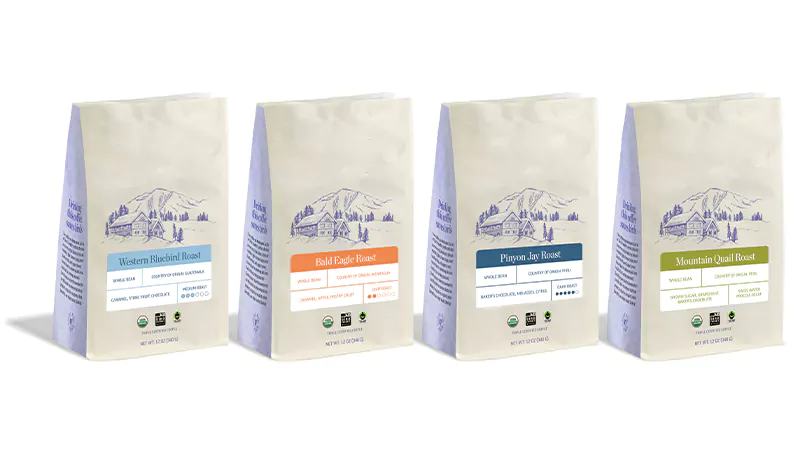
You want your coffee to stay fresh and your packaging to reflect your values. BN PACK offers coffee bag solutions that help you achieve both. These bags use advanced materials and smart design to protect your beans and the environment. When you choose BN PACK, you support brands that care about supporting sustainable and ethical coffee production.
BN PACK coffee bags offer several eco-friendly options:
Compostable labels help create closed-loop systems and meet strict environmental standards.
Biodegradable labels come from renewable resources and break down in 90 to 180 days.
Recyclable labels provide strong protection and can be reused, which reduces waste.
You can customize your coffee bags with features like resealable zippers, degassing valves, and clear windows. These options make your product stand out while supporting sustainable and ethical coffee production.
Eco-Friendly Packaging Features
You may wonder what makes BN PACK coffee bags truly eco-friendly. The answer lies in the materials used. Here is a table that shows the main materials and their benefits:
Material | Properties | Environmental Benefits |
|---|---|---|
Kraft Paper | 100% recyclable, biodegradable, and compostable | Shields beans from moisture, sunlight, and oxygen while being eco-friendly |
Rice Paper | Made from renewable materials like bamboo | Requires minimal maintenance and has a reduced environmental impact |
LDPE | 100% recyclable, flexible, durable, and lightweight | Safe and easily recyclable packaging material (#4) |
PLA | Biodegradable, made from renewable resources | Decomposes in as little as 90 days in controlled composting conditions |
You see more coffee drinkers choosing brands that use eco-friendly packaging. Many people prefer biodegradable and recyclable materials. This trend in green consumerism leads to greater loyalty for brands that highlight their sustainable practices. When you select BN PACK coffee bags, you help reduce waste and show your commitment to the planet.
Tip: Eco-friendly packaging is not just good for the environment. It also attracts customers who care about making responsible choices.
How to Choose Bird-Friendly Coffee
Identifying Certifications
You want to make sure your coffee supports birds and the environment. Start by checking for certifications on the package. The Bird Friendly® certification from the Smithsonian Migratory Bird Center sets the highest standards. Look for the official seal, which means the coffee meets strict requirements for organic farming, shade-grown practices, and wildlife protection. The table below shows what these certifications require:
Requirement | Description |
|---|---|
100% Organic | USDA certified organic; no synthetic pesticides or fertilizers |
Shade-Grown | Grown under a diverse canopy of native trees |
Protecting Wildlife | Maintains tree cover and leaf litter for soil health and wildlife |
Third-Party Audited | Regular audits; farms must meet all standards to keep certification |
You may notice other labels like Rainforest Alliance or Fair Trade. These support sustainability, but Bird Friendly® certification is more rigorous. Only a small percentage of coffee carries this label, so you need to look closely. The Bird Friendly® seal means the farm uses at least 40% shade cover and ten native tree species, which helps birds thrive.
Practical Buying Tips
You can take several steps to find genuine bird-friendly coffee.
Look for the Bird Friendly® logo and USDA organic certification.
Choose shade-grown coffee, especially Arabica beans, which often come from bird-friendly farms.
Support small roasters who work directly with sustainable coffee communities.
Check the country of origin; places like India, Ecuador, and Peru produce more shade-grown coffee.
Select Fair Trade Certified coffee to support ethical practices.
When you shop, pay attention to packaging. BN PACK coffee bags offer eco-friendly features that match your values. These bags use compostable and recyclable materials, helping you reduce waste. The table below highlights what to look for:
Feature | Description |
|---|---|
Compostability | Materials break down naturally in composting environments |
Environmental Impact | Reduces harm compared to traditional packaging |
Freshness | Keeps coffee beans fresh and flavorful |
Audience | Designed for eco-conscious coffee lovers |
You can find BN PACK coffee bags in stand-up, flat bottom, and side gusset styles. These options preserve freshness and show your commitment to sustainability.
Tip: Online retailers make it easier to find bird-friendly coffee and eco-friendly packaging. You can support small producers and make a positive impact with every purchase.
Choosing bird-friendly coffee and sustainable packaging creates real change for the planet. You help preserve natural habitats, support biodiversity, and improve soil quality.
Bird-friendly coffee protects migratory birds and reduces deforestation.
Sustainable farming keeps ecosystems healthy and limits chemical use.
Ethical sourcing empowers small farmers and aligns with global sustainability goals.
When you pick brands that use eco-friendly packaging like BN PACK, you show your commitment to a healthier world for both people and wildlife.