Wondering how to start a coffee company? You need a clear vision, solid research, and smart choices every step of the way. Starting strong means you ask questions, plan your moves, and keep your brand fresh—literally and visually—with quality packaging like BN PACK coffee bags. Many people want to know how to start a coffee company, but only about 50% succeed in the first five years. You can boost your odds by focusing on planning, market research, and packaging that stands out. If you’re curious about how to start a coffee company, remember that challenges like competition and customer retention will test you.
• Roughly 50% of new coffee shops succeed within five years.
• About 60% survive past the first year.
• Eight out of ten coffee shops do not survive after five years.
Vision and Model
Choose Your Coffee Business Type
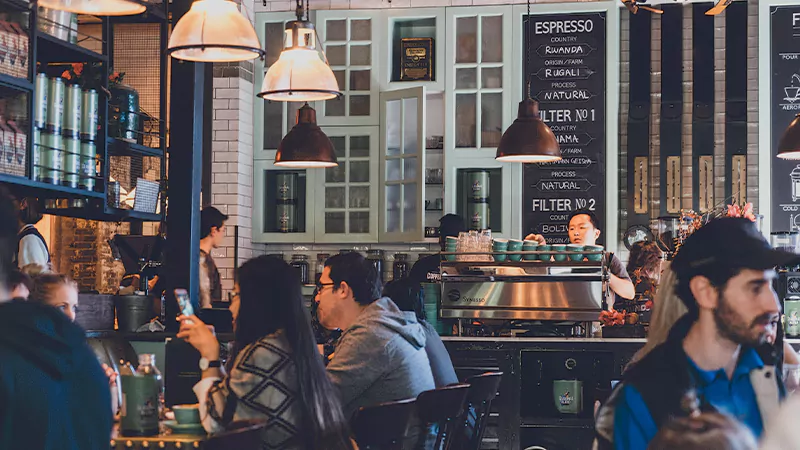
You have many ways to enter the coffee industry. You can open a cozy café, launch a mobile coffee cart, start an online coffee subscription, or even become a specialty roaster. Each model comes with its own set of challenges and rewards. For example, a brick-and-mortar shop lets you connect with your community face-to-face. An online store gives you flexibility and a wider reach.
When you think about growth, remember that scaling up can get tricky. Many coffee businesses do well with one or two locations, but adding more can make things complicated. You might see profits drop as you expand. Some multi-site operators struggle to keep up with single-location competitors. The more you grow, the more you need to watch your costs and keep your quality high.
Tip: Before you choose your business type, ask yourself how much time, money, and energy you want to invest. Think about your long-term goals and what kind of lifestyle you want.
You also need to consider ethics. A recent survey showed that about two-thirds of young coffee drinkers care about ethical sourcing. If you want to attract this group, you should focus on fair trade, sustainability, and transparency.
Unique Selling Proposition
Your Unique Selling Proposition (USP) sets you apart from the crowd. Maybe you roast rare beans, offer eco-friendly packaging, or create a cozy space with local art. Your USP should match your values and speak to your target customers.
Here are some ideas to help you stand out:
Offer ethically sourced beans and tell your story.
Use custom, high-quality packaging like BN PACK coffee bags to boost your brand’s look and keep coffee fresh.
Create a loyalty program that rewards regulars.
Highlight your commitment to sustainability.
When you build your USP around what matters to your customers, you create a brand that people remember and trust.
Market Research
Target Customer
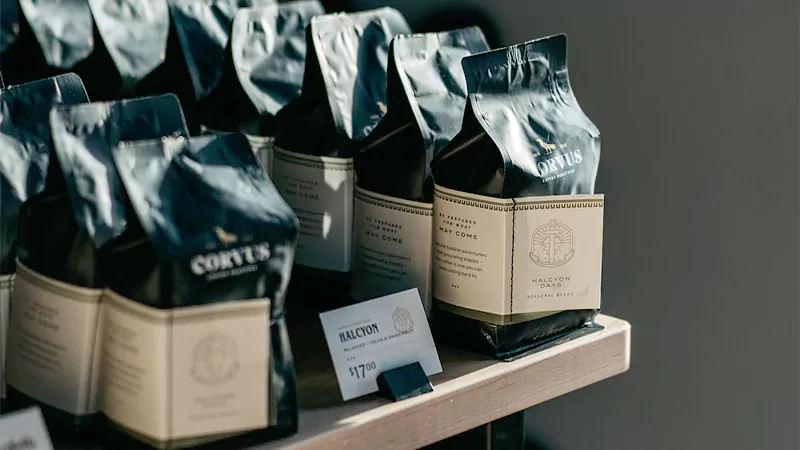
You want your coffee company to connect with the right people. Start by looking at who buys coffee now. Notice their age, where they live, and how much they spend. Some people grab a cup on their way to work. Others like to sit and relax in a café. You can learn a lot by watching these habits.
You can also dig into market research. Check out online reviews and see what customers say about other coffee shops. Join local groups or talk to people in your community. You might spot trends or hear what customers wish they could find.
Try making customer profiles. Write down details about your ideal customer. Think about their hobbies, values, and what makes them choose one coffee shop over another. When you know your target customer, you can shape your menu, your shop’s vibe, and even your packaging to match their style.
Tip: If you want to attract eco-conscious buyers, use sustainable packaging like BN PACK coffee bags. This shows you care about the planet and your customers’ values.
Observe and compile data on current customers
Use market research, online reviews, and community engagement
Create customer profiles with demographics and psychographics
Competitor Analysis
The coffee market in the U.S. is packed with hundreds of companies. You’ll see big names like Starbucks, which leads with $27.5 billion in sales and a 40% market share. Dunkin’ comes next, with $11.2 billion in sales and over 9,100 locations. Dutch Bros Coffee and Tim Hortons also have strong followings. There are 29 national players, plus many smaller shops.
To stand out, you need a strategy. Successful coffee companies use these moves:
Offer unique coffee drinks and signature brews.
Create an exceptional customer experience.
Highlight your sustainability and ethical practices.
Host community events and engage with locals.
Look at what your competitors do well. Find gaps or areas where you can do better. When you know your rivals, you can build a coffee company that stands out and keeps customers coming back.
Coffee Products and Suppliers
Select Coffee Offerings
You want your coffee shop menu to excite customers and keep them coming back. Start by picking a mix of classic favorites and unique blends. Offer espresso, single-origin beans, and maybe a seasonal special. Think about what your target customers love. Some people want bold, dark roasts. Others look for light, fruity notes. You can also add cold brew, decaf, or flavored options to your coffee shop menu. If you plan to sell food, match your coffee with pastries or snacks that fit your brand. A well-rounded coffee shop menu helps you stand out and gives everyone something to enjoy.
Find Suppliers and Roasters
Choosing the right suppliers and roasters is key. You want partners who deliver quality beans and help your business grow. Use this table to guide your search:
Criteria | Description |
|---|---|
Reliability | Good communication and timely delivery keep your stock steady. |
Variety | A wide range of beans lets you offer more choices on your coffee shop menu. |
Price | Fair prices help you control costs without losing quality. |
History | Experienced suppliers often bring stability, but new ones can surprise you. |
Ethical Practices | Traceable, ethically sourced beans build trust with your customers. |
Ask for samples before you commit. Taste the beans and see how they fit your vision. Build strong relationships with your suppliers. Good partners will support you as your business grows.
Coffee Bag Packaging by BN PACK
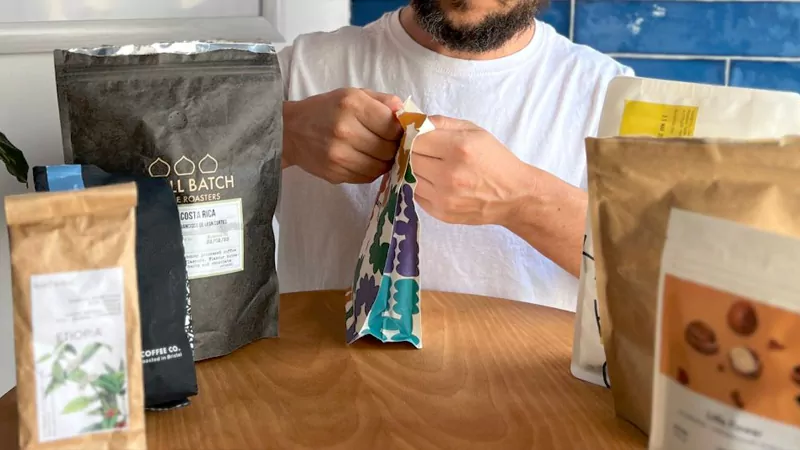
Packaging does more than hold your coffee. It shapes how customers see your brand and keeps your beans fresh. BN PACK coffee bags offer custom, high-quality solutions that make your product pop. Here are some features and benefits:
Feature | Benefit |
|---|---|
Strict quality standards | Preserves freshness and delivers quality coffee |
Resealable zippers | Keeps coffee fresh after every use |
Tear notches | Allows quick opening without scissors |
Custom branding turns each bag into a marketing tool.
Eye-catching designs attract attention on shelves and online.
Memorable packaging helps build a strong brand customers seek out.
Great packaging can boost your sales and customer loyalty. Here’s how it works:
Standout design draws eyes to your product.
Creative packaging sparks curiosity.
Colors set the mood and influence feelings.
Sharing your story builds a personal connection.
Eco-friendly cues win over green-minded buyers.
Showing origin adds authenticity.
Consistent branding builds trust.
Quality packaging signals a premium product.
Functional design makes life easier for customers.
Emotional impact leads to loyal fans.
Texture and finish make your product feel special.
When you use BN PACK coffee bags, you show customers you care about quality, freshness, and style.
Business Plan
Creating a solid business plan sets you up for success. You want your coffee shop business plan to guide every decision, from your first cup to your grand opening. A clear business plan helps you stay focused and organized. Here’s what you need to include:
Title page
Executive summary
Industry or business overview
Market analysis
Sales and marketing strategy
Management and ownership
Operation strategy
Financial projections
Your coffee shop business plan should cover each part in detail. You want to show investors and partners that you understand your market and have a plan for growth. A strong business plan also helps you track progress and adjust when things change.
Financial Projections
You need to know your numbers before you open your doors. Financial projections help you see where your money goes and how much you can make. Most coffee shop business plans include:
Sales forecast
Estimates of operating expenses
Breakdown of fixed and variable costs
Projected balance sheet
Cash flow statement
You should also look ahead three to five years. Project your revenue, expenses, and profits. Chart realistic growth over time. Use proforma income statements to show year-over-year revenue growth. These numbers help you set goals and spot problems early.
Tip: Review your financial projections every few months. Adjust your coffee shop business plan as you learn more about your customers and costs.
Branding
Branding makes your coffee shop stand out. You want your coffee shop brand to tell a story and create a unique experience. A strong branding strategy builds loyalty and keeps customers coming back. Think about how Starbucks creates a consistent experience everywhere. You can do the same by focusing on your coffee shop brand’s identity and values.
Branding sets you apart from other coffee shops. It shapes how people see your business. Your story, your look, and your vibe all matter. When you invest in branding, you build trust and recognition. Customers remember your coffee shop brand and choose you over the competition.
Legal Setup
Licenses and Permits
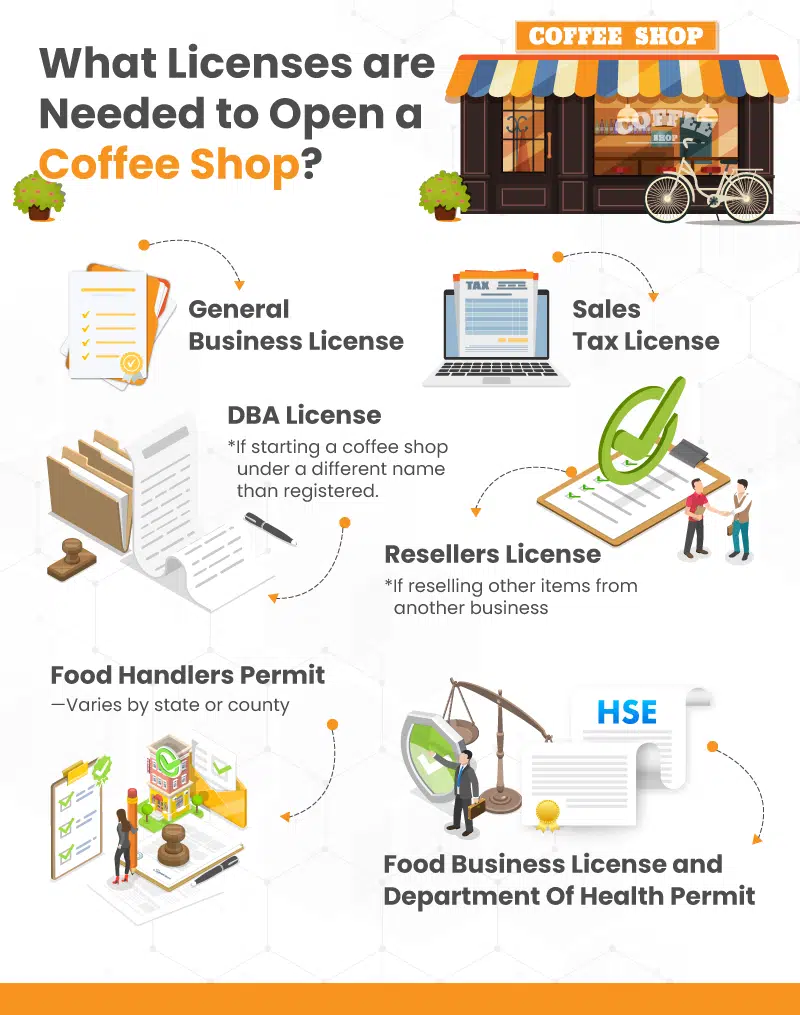
You need to get your paperwork in order before you serve your first cup. Every coffee company must follow local, state, and federal rules. You start by applying for a business license. You also need a food service permit if you plan to sell drinks or snacks. Health inspections are part of the process. You want to pass these checks to keep your doors open.
If you roast or import beans, you face extra steps. You must track each batch of coffee. You record unique identifiers for farmers and farms, including GPS locations. You document the community or village where the coffee comes from. You also keep records of how the coffee moves from farm to shop. Some systems do this automatically, but you can use manual logs too.
In the EU, you need to follow the Deforestation Regulation. This rule makes sure your coffee does not come from land linked to deforestation. You set up codes of conduct for business ethics, social responsibility, and environmental care. These steps help you build trust with customers and avoid legal trouble.
Tip: Check with your local health department and city hall. They can tell you exactly what permits you need for your area.
Apply for a business license
Get a food service permit
Pass health inspections
Track coffee batches with unique identifiers
Record transportation details
Follow EU Deforestation Regulation (if selling in the EU)
Create codes of conduct for ethics and responsibility
Business Structure
Choosing the right business structure shapes your future. You want to protect yourself and make taxes easier. Most coffee company founders pick one of these options:
Business Structure | Description |
|---|---|
Sole Proprietorship | You run the show alone. Your personal assets are at risk if the business faces debts or lawsuits. |
Limited Liability Company | You get liability protection. You also enjoy flexible taxes and management. |
Corporation | You gain strong liability protection. This option works well if you want investors, but it brings more rules. |
Some people choose partnerships or even non-profit coffee shops. You should talk to a legal expert before you decide. The right structure helps you grow and keeps your risks low.
Sole proprietorship
Limited liability company (LLC)
Corporation
Partnership
Non-profit coffee shop
Note: LLCs are popular for coffee startups. They offer protection and flexibility without too much paperwork.
Funding and Costs
Startup Costs
You need to know what it takes to get your coffee business off the ground. Coffee shop startup costs can surprise you if you don’t plan ahead. Most new owners spend between $50,000 and $400,000 to open their doors. The final number depends on your location, the size of your shop, and the type of coffee business you choose.
Here’s what you might pay for when you start:
Rent or lease for your space
Equipment like espresso machines, grinders, and brewers
Furniture and décor to create a welcoming vibe
Licenses, permits, and insurance
Marketing and branding materials
Initial inventory, including coffee, milk, syrups, cups, and cleaning supplies (usually $5,000 to $15,000)
You want to budget for every detail. Don’t forget about hidden startup costs like repairs, staff training, and utilities. Careful planning helps you avoid surprises and keeps your coffee shop startup costs under control.
Tip: Make a checklist of all your startup costs before you spend a dime. This helps you stay organized and focused.
Funding Options
You have several ways to fund your coffee dream. Each option comes with its own pros and cons. Take a look at this table to compare your choices:
Funding Option | Description | Repayment Requirement |
|---|---|---|
Loans | Provide necessary capital to launch and grow your business. | Yes |
Crowdfunding | Allows raising small amounts from many people, often through online platforms. | N/A |
Angel Investors | Individuals who provide capital in exchange for equity in the company. | N/A |
Community-Supported Cafes | Local customers contribute funds for perks, supporting community engagement. | N/A |
Grants | Funds that do not require repayment, making them attractive for startups. | No |
Partnerships | Collaborating with other businesses or individuals to share resources. | N/A |
You might start with a small loan from your bank. Some owners use crowdfunding to get support from friends and fans. Angel investors can help if you want to grow fast. Grants are great because you don’t have to pay them back. Community-supported cafes let your neighbors invest in your success. Partnerships can lower your startup costs by sharing expenses.
Note: Always read the fine print before you accept any funding. You want to understand the terms and protect your business.
Location or Online Coffee Business
Physical Shop or Mobile Unit
You face a big decision when you want to start a coffee shop. Should you open a coffee shop in a busy neighborhood or launch an online coffee business? Each path has its own perks and challenges. If you choose a physical coffee shop location, you need to find a location that attracts steady foot traffic. You also need to think about rent, utilities, and hiring staff. These costs add up fast. A mobile unit, like a coffee cart or truck, gives you more flexibility. You can move to different spots and reach new customers. Still, you must handle permits and keep up with maintenance.
Consider these factors before you decide:
Startup costs for a physical shop are usually higher than an online coffee business.
Your target audience matters. Are they local coffee lovers or people who shop online?
Operational challenges differ. Physical shops deal with rent and staffing. Online coffee businesses focus on shipping and website upkeep.
Marketing strategies change. Local shops rely on community events and word of mouth. Online coffee businesses need strong digital marketing.
Tip: Write down your goals and budget before you choose. This helps you see which option fits your vision.
E-Commerce Platform
If you want to run an online coffee business, you need a solid e-commerce platform. You have many choices. Shopify stands out for its easy setup and great support. WooCommerce lets you customize your store and manage inventory with ease. BigCommerce works well if you plan to grow and need strong SEO tools. Magento offers advanced features for bigger online coffee businesses. Volusion keeps things simple with a user-friendly interface. Squarespace shines if you want beautiful design and a stylish online coffee business.
Shopify: Easy to use, lots of apps.
WooCommerce: Flexible, good for inventory.
BigCommerce: Scalable, strong SEO.
Magento: Advanced, supports multiple stores.
Volusion: Simple pricing, easy to learn.
Squarespace: Great for design-focused brands.
You can compare these platforms and pick the one that matches your needs. Your online coffee business will benefit from a platform that supports your brand and makes shopping easy for customers.
Open a Coffee Shop
Ready to open a coffee shop? You need to plan every step. First, find a location that fits your budget and attracts your target customers. Think about the vibe you want. Do you picture a cozy café or a modern spot with fast service? Your coffee shop location shapes your brand and customer experience. If you choose an online coffee business, focus on building a strong website and using quality packaging like BN PACK coffee bags. You want your coffee to arrive fresh and look great.
To start a coffee shop, follow these steps:
Find a location that matches your vision.
Set up your shop or website.
Create a menu that excites your customers.
Use eye-catching packaging to boost your brand.
Launch with a grand opening or online event.
You can succeed with a physical shop or an online coffee business. The key is to know your audience and deliver a great experience every time.
Equipment and Inventory
Essential Equipment
You need the right coffee shop equipment to serve great drinks and keep your business running smoothly. Picking the best gear helps you work faster and deliver quality every time. Here’s a quick look at what you’ll need:
Coffee makers and espresso machines
Coffee bean grinders
Cafe or bar POS system
Blenders
Toasters and ovens
These items form the backbone of your coffee shop essentials. Espresso machines and grinders let you brew fresh coffee with rich flavor. A reliable POS system helps you track sales and manage orders. Blenders open up options for smoothies and specialty drinks. Toasters and ovens let you add pastries or breakfast items to your menu.
The cost for coffee shop equipment can range from a few thousand dollars to tens of thousands. Prices depend on the brand, size, and features you choose. You might spend more if you want top-of-the-line machines or extra gadgets. Always compare options and think about your budget before you buy.
Tip: Start with the basics. Upgrade your coffee shop equipment as your business grows and your menu expands.
Initial Inventory
Stocking up on inventory is your next step. You want enough supplies to open your doors and keep customers happy. Here’s a simple table to help you plan:
Item | Purpose |
|---|---|
Coffee beans | Main ingredient for drinks |
Milk and dairy | Lattes, cappuccinos, and more |
Syrups and flavors | Custom drinks and variety |
Cups and lids | Serving hot and cold drinks |
Napkins and stirrers | Customer convenience |
Pastries and snacks | Food options for your menu |
Cleaning supplies | Keep your shop spotless |
Order fresh beans and quality ingredients. Choose packaging that keeps your coffee fresh, like BN PACK coffee bags. Track your inventory so you never run out of popular items. Restock often to keep everything fresh and appealing.
Note: Smart inventory management helps you avoid waste and keeps your coffee shop running smoothly.
Staff and Training
Hiring
You want your coffee shop to feel welcoming from the moment customers walk in. The right team makes all the difference. When you hire staff, look for people who love coffee and enjoy helping others. Rate candidates on their communication skills and passion for customer service. Ask open-ended questions during interviews. You can learn a lot by hearing how someone would handle a busy morning or a tough customer.
Create a relaxed interview atmosphere. People show their true selves when they feel comfortable. Involve your current team in the process. They can help you spot candidates who fit your shop’s vibe. Use practical assessments to see how applicants work under pressure. Watch how they interact with others. Active listening helps you pick up on details that matter.
Here are some best practices for hiring:
Rate candidates on communication and customer service.
Use guided questions about real-life scenarios.
Make interviews welcoming and relaxed.
Involve team members to check cultural fit.
Include hands-on assessments.
Ask open-ended questions for deeper insights.
Listen closely during interviews.
Offer competitive pay and employee discounts. Recognize achievements and celebrate wins. Regular staff meetings keep everyone on the same page.
Training
Training sets your team up for success. Start with a clear orientation. Introduce new hires to your shop’s policies and team members. Lay out a training schedule with specific skills and goals. Hands-on sessions help staff build confidence. Let them practice making drinks, greeting customers, and handling equipment.
A well-defined curriculum works best. Tailor it to each role in your coffee shop. Give your team time and space to learn. Trainers should know coffee and know how to teach. Motivate your staff and encourage questions.
You can use this simple table to plan your training:
Training Step | Purpose |
|---|---|
Orientation | Welcome and policy overview |
Skill sessions | Practice real scenarios |
Team introductions | Build team spirit |
Ongoing feedback | Support growth |
Keep communication open. Offer chances for development. Your team will grow with your business. 😊
Marketing and Loyalty
Pre-Launch Marketing
You want your coffee company to make a splash before you even open the doors. A strong marketing plan helps you build excitement and attract your first customers. Start by developing your brand identity. Pick a logo, color scheme, and style that show off your personality. Set up a website and social media accounts. These platforms let you share your story and connect with people who love coffee.
Use social media to create buzz. Post behind-the-scenes photos, teasers, and updates. Ask questions and reply to comments. You build a community when you engage with your audience. Email marketing works well, too. Collect email addresses from interested customers. Send updates, special offers, and sneak peeks to keep them excited.
Try attending local events or working with local influencers. You can hand out samples or host a pop-up booth. People remember your brand when they see you in person. Design a landing page for your website. Use it to capture leads and share your launch date. These steps help you build momentum and set the stage for a successful opening.
Tip: A creative coffee shop marketing strategy gets people talking and brings them through your door on day one.
Loyalty Programs
You want customers to come back again and again. Loyalty programs make this happen. When you reward regulars, you build strong relationships and boost sales. Many coffee shops see customer retention jump from 30% to 45% after launching a loyalty program. That’s a 50% increase! You also notice higher sales. Average transaction values often rise by 20% because you can offer personalized deals and upsell new products.
Most customers love loyalty programs. About 70% sign up, and more than half use their rewards within the first three months. You can offer points for every purchase, free drinks after a certain number of visits, or special discounts for birthdays. Make your program easy to join and simple to use. Track results and adjust your offers to keep things fresh.
Note: A smart loyalty program turns casual visitors into loyal fans who spread the word about your coffee company. 😊
Launch and Performance
Grand Opening
Your grand opening is your chance to make a splash and get people talking about your coffee company. You want to create an event that draws a crowd and leaves a lasting impression. Start by picking a date that gives you enough time to prepare. Set a budget for your launch—many owners use about 20% of their first-year marketing funds for this big day.
Here’s a simple plan to help you kick things off:
Join local bazaars or pop-up markets to build relationships in your community.
Send out photos and press releases to local news outlets for extra publicity.
Hire your baristas early so they’re trained and ready to serve.
Launch your coffee shop website before the event to boost your online presence.
You can add some fun by hosting a thematic costume party or inviting a local band for live music. Try a charity fundraiser to connect with your neighbors. Show off local art or plan a stunt event to get people buzzing. These activities help you stand out and make your coffee shop memorable.
Tip: A creative grand opening sets the tone for your brand and brings in new customers who will spread the word.
Monitor Metrics
After your launch, you need to track how your coffee company performs. Watching key numbers helps you spot what’s working and what needs improvement. You want to keep an eye on sales, costs, and customer habits.
Here’s a table with important metrics to watch:
KPI Name | Description |
|---|---|
Average Check Size | Shows how much each customer spends per visit. |
Table Turnover Rate | Measures how often tables get used during a shift. |
Food Cost Percentage | Tracks ingredient costs compared to total sales. |
Labor Cost Percentage | Looks at staff costs as a share of your revenue. |
Gross Profit Margin | Reveals your overall profitability after key expenses. |
You should also look at revenue trends. Check which days are busiest and which are slow. Use this info to adjust staffing and plan promotions. When you monitor these numbers, you make smarter decisions and keep your coffee company growing strong. 😊
You’ve learned how to start a coffee company, from vision to launch. Stay flexible and keep your customers at the center of every decision. Use quality packaging like BN PACK coffee bags to protect your beans and boost your brand. Try these strategies for ongoing success:
Align with trusted brands to build value.
Educate customers about coffee quality and ethical sourcing.
Integrate automation for smoother operations.
Strategy | Description |
|---|---|
Sustainability | Offer eco-friendly products for conscious consumers. |
Innovation | Launch new products that match changing preferences. |
Keep learning, stay curious, and let your passion turn your coffee dream into a thriving business! ☕