
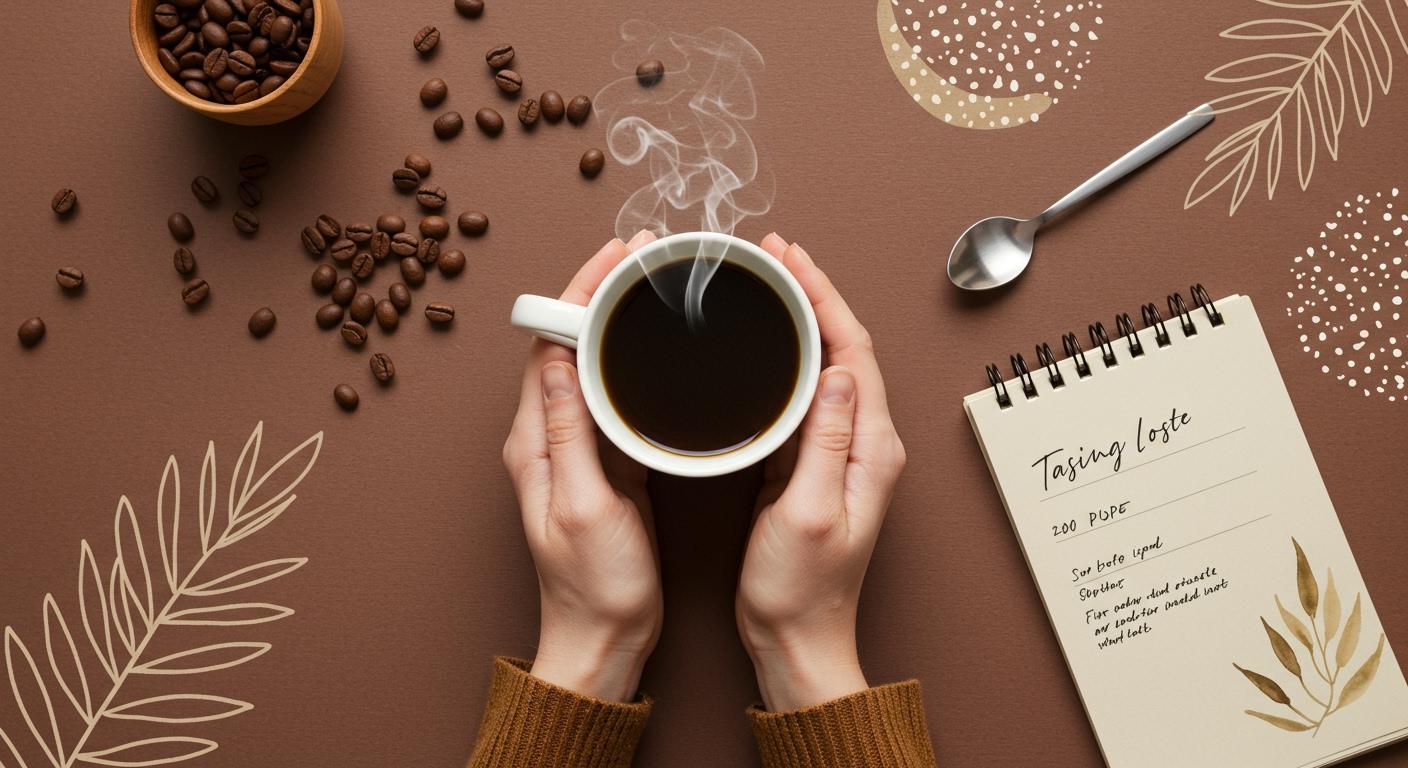
You can savor coffee by turning your morning ritual into a mindful, sensory adventure. Treat each cup like a special moment. Start by preparing your space and tuning in to every aroma. BN PACK coffee bags protect flavor and aroma, keeping your coffee fresh for months so you taste every note.
Preparation
Setting the Mood
You want your coffee moment to feel special. Start by picking a spot where you can relax without distractions. Turn off your phone or put it on silent. Maybe play some soft music or open a window for fresh air. The right environment can change how you experience your coffee.
Tip: The cup you use, the lighting, and even the sounds around you all shape your sensory experience. Eleven studies show that things like ambience, sensory cues, and café design can influence how much you enjoy your coffee.
Here’s a quick look at how your environment matters:
Environmental Factor | Description |
|---|---|
Ambience | The overall vibe, like lighting and music, sets the mood. |
Sensory Cues | Smells, sounds, and visuals affect your perception. |
Café Design | The layout and look of your space can make coffee feel more special. |
Choosing Fresh Beans
Fresh beans make all the difference. Look for coffee roasted within the last 3-10 days. Most coffees reach their best flavor after resting for at least three days, and many peak after a week or more. Check the roast date on the bag before you buy.
Store your beans in high-quality packaging to keep them fresh. BN PACK coffee bags use one-way degassing valves. These valves let carbon dioxide escape while keeping oxygen and moisture out. This helps preserve the aroma and flavor, so every cup tastes just as the roaster intended.
Tip: Always use clean equipment. Old coffee oils and grounds can ruin the taste of even the freshest beans. Regular cleaning keeps every brew tasting its best.
Engage Your Senses
Smell the Beans
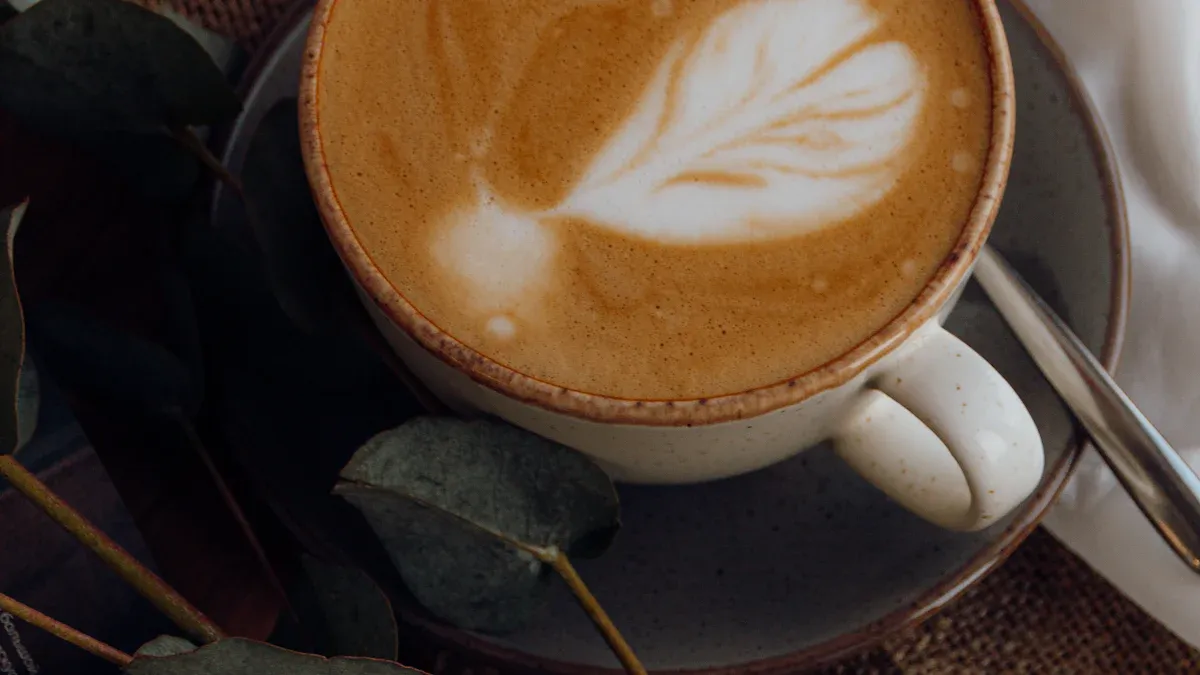
Start your coffee ritual by taking a moment to use your nose. Hold the whole beans close and breathe in slowly. You’ll notice a subtle aroma, almost like a promise of what’s to come. Whole beans release carbon dioxide slowly because of their small surface area, so they keep their aroma locked in longer. That’s why BN PACK coffee bags with degassing valves matter—they help trap those delicate scents until you’re ready to brew.
Did you know? More than 1000 volatile compounds create coffee’s aroma. Some of the most important are pyrazines, furans, aldehydes, and sulfur compounds. These give coffee its earthy, sweet, and caramel notes.
Notice the Grounds
Grind your beans and pay attention to the burst of fragrance. The aroma gets much stronger because grinding increases the surface area, letting gases escape quickly. This is when you can pick up bright, sweet, and earthy notes. Here’s a quick look at some key aromatic compounds:
Compound Class | Examples | Contribution to Aroma |
|---|---|---|
Organic Acids | Citric, Acetic, Malic | Brightness in flavor |
Aldehydes | Various | Sweet, earthy notes |
Furans | Various | Caramel, butterscotch flavors |
Pyrazines | Various | Earthy, sweet flavors |
Inhale the Bloom
Pour hot water over the grounds and watch the bloom. This step releases trapped gases, especially carbon dioxide, and fills the air with a rich aroma. The blooming process not only smells amazing but also sets the stage for even flavor extraction. Engaging your senses—smell, sight, and even touch—makes the coffee taste more pleasurable. The color and shape of your cup can even change how you perceive sweetness or acidity.
Tip: Take a moment to close your eyes and focus on the aroma during the bloom. You’ll notice new layers of scent and flavor.
Savor Coffee Mindfully
Observe Appearance
Start your mindful brewing journey by looking at your coffee. The color tells you a lot. Light brown means a lighter roast, while deep brown or almost black points to a dark roast. You want to see clarity in your cup. Clear coffee shows careful brewing. If your drink looks murky, it might not be fresh. Espresso lovers, check for a thick crema on top. That creamy layer means you used high-quality beans and nailed the extraction. Watch how long the foam or bubbles last. If they disappear quickly, your coffee may lack freshness. Take a moment to notice the vibrant aroma rising from your cup. A lively scent signals a great brew.
Color: Light to dark brown shows roast level.
Clarity: Clear coffee means good brewing.
Foam: Thick crema or lasting bubbles show freshness.
Aroma: Strong scent hints at quality.
Tip: The way your coffee looks can set the stage for how you savor coffee. Let your eyes guide your expectations before you taste.
Smell Before Sipping
Bring your cup close and inhale deeply. This step is key in mindful brewing. Your nose picks up hundreds of volatile compounds. These scents shape how you experience flavor. Smell works slower than taste, but it’s powerful. Aroma is different from flavor. You sense it mostly through your nose, not your tongue. When you exhale after sipping, the aroma changes and grows. Take a moment to close your eyes. Focus on the scent. You’ll notice layers—maybe chocolate, fruit, or nuts. This simple act helps you savor coffee and makes each cup memorable.
Key Findings | Description |
|---|---|
Volatile Compounds | Coffee contains over 900 volatile compounds that stimulate olfactory receptors. |
Olfactory Processing | The binding of odorants initiates olfactory processing, affecting taste perception. |
Modulatory Effects | Central olfactory adaptation occurs in the piriform cortex, influencing flavor processing. |
Smell processes information slowly but shapes your coffee experience.
Aroma is unique and comes alive when you breathe out after sipping.
Note: Smelling your coffee before you drink helps you evaluate each sip more fully. You’ll pick up flavors you might miss otherwise.
Take Small Sips
Now, taste your coffee. Don’t rush. Take small sips and let the coffee coat your palate. Try slurping gently. This brings air into your mouth and spreads the coffee, making it easier to detect subtle flavors. With practice, slurping feels natural. You’ll notice hints of sweetness, acidity, or bitterness. Temperature matters too. Hot coffee (around 70°C) brings out bold flavors. Cooler coffee reveals softer notes. Try tasting at different temperatures to see how the flavor changes. This is part of mindful brewing. You learn to savor coffee by paying attention to every detail.
Slurp to aerate and spread coffee across your palate.
Small sips help you notice subtle flavors.
Taste at different temperatures for a full experience.
Tip: Close your eyes while sipping. You’ll focus more on taste and aroma, making your coffee ritual even richer.
How to Taste Coffee
Identify Notes
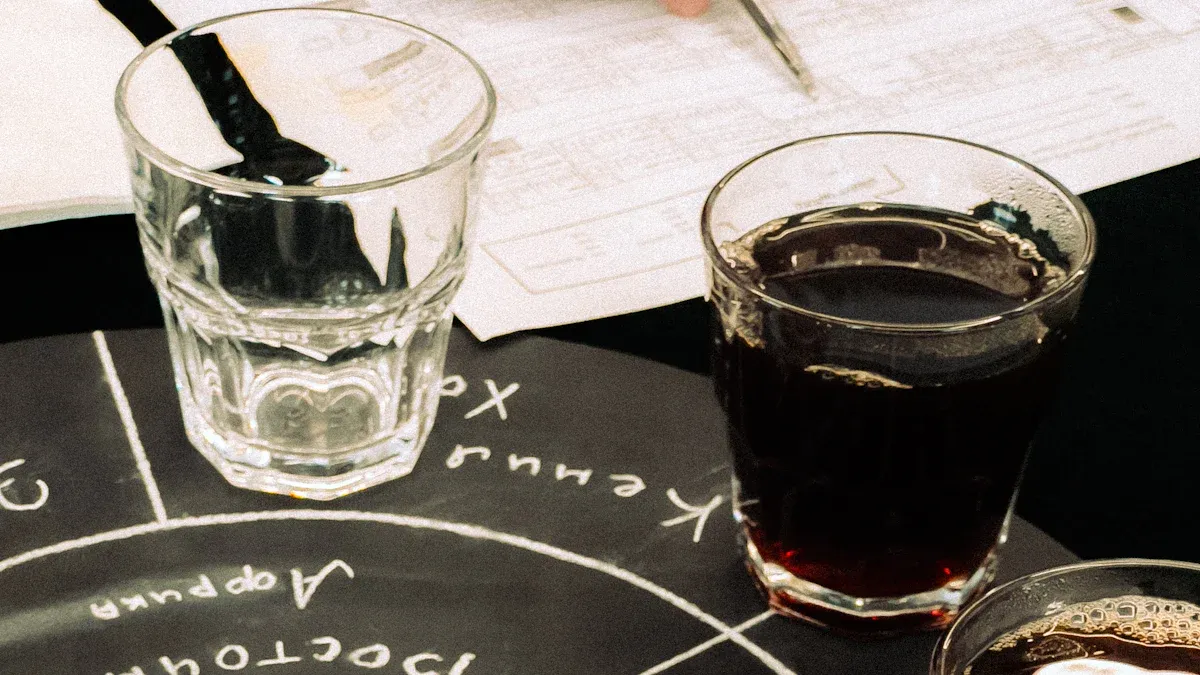
You start your coffee tasting journey by searching for flavor notes. Take a sip and let the coffee rest on your tongue. What do you taste first? Maybe you notice hints of fruit, chocolate, or nuts. Some coffees offer floral or herbal notes. Others taste bold and toasty. You can use a flavor wheel to help describe what you find. This tool shows common words used by professionals during cupping sessions. It helps you put a name to each flavor.
Fruity
Floral
Herbal
Nutty
Chocolatey
Smokey
Toasty
Try writing down what you taste. A tasting journal helps you remember your favorite coffees and track how your palate changes over time. You can compare your notes with friends or use them to choose beans for your next brew.
Roast Type | Flavor Profile |
|---|---|
Light Roast | bright, crisp, acidic, fruity, floral, herbal |
Dark Roast | bold, robust, smokey, chocolatey, toasty, nutty |
Every roast brings out different flavors. Light roasts taste bright and fruity. Dark roasts feel bold and chocolatey. You learn how to taste coffee by noticing these differences.
Assess Body & Acidity
Next, pay attention to the body and acidity. Body means how the coffee feels in your mouth. Is it thick and creamy or light and watery? Acidity gives coffee its lively, sparkling quality. It feels like the tang of lemonade on a hot day. Some coffees taste bright and vibrant. Others feel smooth and mellow.
Body: Thick, creamy, syrupy, light, watery
Acidity: Tangy, sparkling, lively, mellow
Lighter roasts usually taste more acidic. Darker roasts feel heavier and richer. The natural oils from the beans change the texture. You can swirl the coffee in your mouth to notice these traits. Try tasting side by side to compare body and acidity. This step makes coffee tasting more fun and helps you understand your preferences.
Notice the Finish
After you swallow, focus on the finish. The finish is the flavor that stays in your mouth after you drink. Some coffees leave a short, crisp aftertaste. Others linger and evolve, revealing new flavors as time passes. A quality coffee leaves a pleasant, lasting impression. You might notice sweetness, spice, or even a hint of bitterness.
Short finish: Flavors fade quickly
Long finish: Flavors linger and change
Professional tasters look for a finish that feels clean and enjoyable. You can practice by sipping slowly and waiting to see how long the flavors last. Write down your impressions in your tasting journal. Over time, you’ll get better at describing the finish and picking out subtle changes.
Step | Description |
|---|---|
1 | Prepare your sample: Use precise measurements and brew in identical vessels. |
2 | Smell the dry grounds: Notice intensity and complexity. |
3 | Inhale the wet aroma: Focus on first impressions. |
4 | Taste aggressively: Slurp to spread coffee across your palate. |
5 | Map the flavor profile: Evaluate sweetness, acidity, body, balance, and finish. |
6 | Score and record: Write down your thoughts and rate the coffee. |
You learn how to taste coffee by practicing these steps. Each cup teaches you something new. Keep your tasting journal close and enjoy the journey.
Experiment & Compare
Try Brewing Methods
You can unlock new flavors by changing your brew method. Each brew method brings out different qualities in your coffee. For example, espresso and cold brew pull out more flavor compounds and antioxidants than French press or aeropress. Espresso gives you a bold, concentrated taste. Cold brew feels smooth and less acidic. Aeropress and French press offer unique textures and flavors. Try brewing the same beans with different methods. You will notice how the taste changes. BN PACK coffee bags keep your beans fresh, so you can experiment with any brew method and always get the best results.
Compare Origins
Coffee beans from different regions taste unique. You might love the mellow sweetness of Colombian beans or the chocolate notes from Brazil. Ethiopian coffees often surprise you with fruity or floral flavors. Try tasting beans from different origins side by side. This helps you discover what you enjoy most.
Region | Flavor Profile |
|---|---|
Colombia | Mellow acidity, strong caramel sweetness, nutty undertone, sweet and medium-bodied. |
Brazil | Pronounced peanutty quality, heavy body, chocolate and spice notes, less clean aftertaste. |
Ethiopia | Vast biodiversity, fruity and wine-like naturals, floral and tea-like washed coffees, syrupy body. |
BN PACK coffee bags come in sizes for single servings or large batches, so you can store beans from many origins and compare them easily.
Use a Flavor Wheel
A flavor wheel helps you describe what you taste. Start at the center with broad categories like “fruity” or “nutty.” Move outward to find more specific words. This tool trains your palate and builds your coffee vocabulary. You can use it during tastings to spot new flavors.
Structure of the Coffee Flavor Wheel | Description |
|---|---|
Central Categories | Broad taste descriptors are located here, providing a starting point for tasters. |
Outward Tiers | More specific flavor descriptors are found as one moves outward, enhancing specificity in flavor identification. |
Training Aid | The wheel serves as a guide for tasters to develop their vocabulary and understanding of coffee flavors. |
Tip: Keep a journal and write down what you taste. Over time, you will notice your skills improve.
BN PACK coffee bags work for whole beans, ground coffee, or even instant coffee. You can try any brew method or origin and always keep your coffee fresh.
You can turn your morning ritual into a celebration by creating a peaceful space, paying attention to aroma, and savoring each sip. Try different beans and brewing styles for new flavors. BN PACK coffee bags help preserve freshness and aroma, making every coffee moment joyful.
Brewing Method | Flavor Characteristics |
|---|---|
Pour-Over | Fruity, floral notes, clarity |
French Press | Rich, full-bodied experience |
Espresso | Strong, chocolatey undertones |