
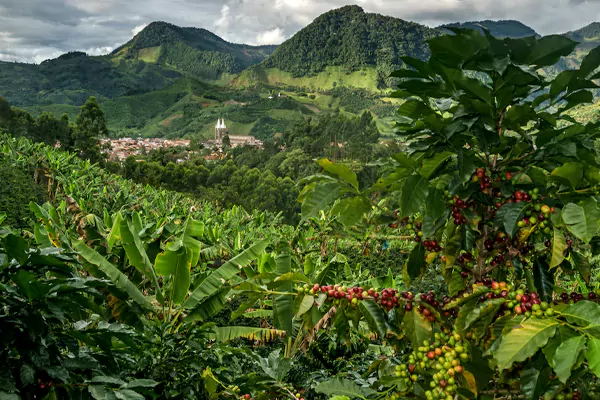
If you wonder what Colombian coffee is, think of a cup with bright, lively flavors and a smooth finish. Colombian coffee stands out for its sweet, chocolatey notes, hints of apple and red berries, and a gentle caramel touch. You may even notice a subtle citrus aroma or floral hints like jasmine. To keep these flavors fresh, the right packaging matters. Vacuum-sealed or hermetic bags lock in aroma and block out moisture, making sure every brew tastes just as the growers intended.
What is Colombian Coffee
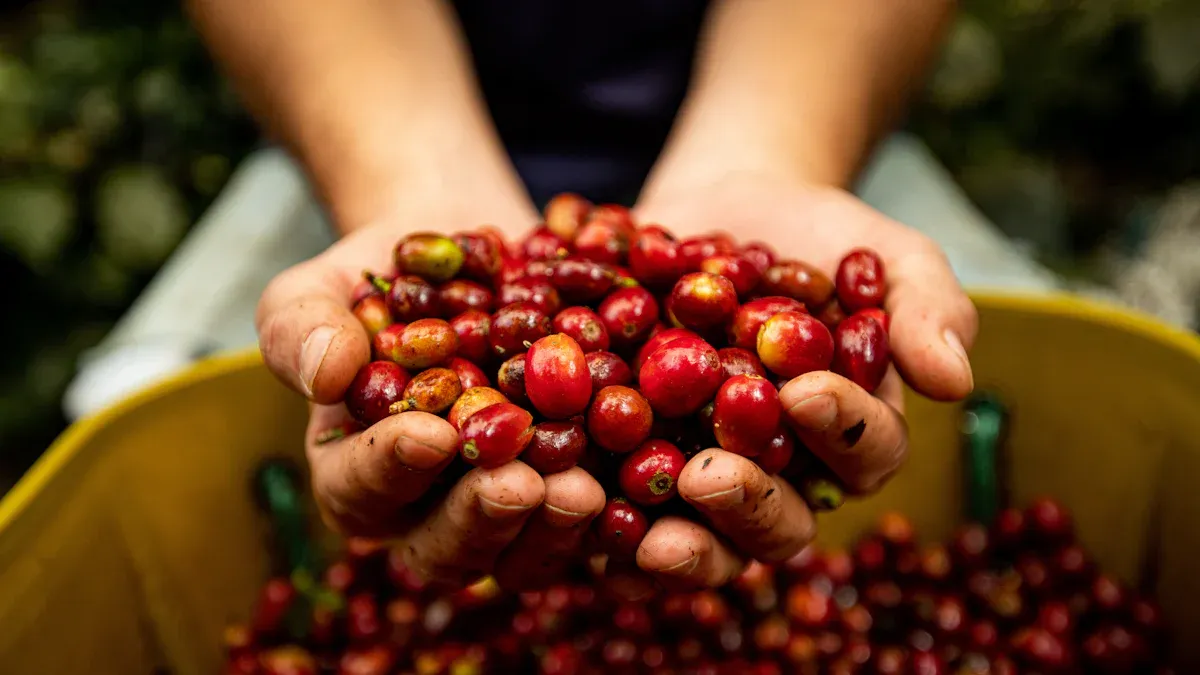
When you ask, “what is Colombian coffee,” you step into a world of tradition, flavor, and global respect. Colombian coffee means more than just a morning pick-me-up. It represents a legacy built on rich soil, careful farming, and a passion for quality. You find this coffee in homes, cafés, and competitions around the world. People recognize it for its smooth taste, lively aroma, and consistent excellence.
Origin
Let’s take a quick journey back in time. The story of Colombian coffee began centuries ago. Here’s how it all started:
Jesuit priests brought the first coffee seeds to Colombia in the early 1700s.
The earliest written mention of coffee in Colombia appeared in José Gumilla’s 1741 book.
By 1835, Colombia shipped its first commercial coffee export, setting the stage for its rise as a coffee powerhouse.
Today, Colombia stands as the third-largest coffee producer in the world, just behind Brazil and Vietnam. You can see the scale of production in this table:
Country | Annual Production Volume (60kg bags) | Global Market Share |
|---|---|---|
Brazil | Highest producer | Largest |
Vietnam | Second largest producer | Significant |
Colombia | 13.82 million | 7% |
Colombian coffee has earned a powerful reputation. Experts and coffee lovers agree that Colombia produces some of the best high-quality coffee beans. The Federation of Cafeteros calls Colombia the largest producer of washed Arabica. Baristas like Daniele Ricci praise the amazing standard of quality. He even used Colombian coffees in competitions, and a coffee from La Palma y El Tucan won the 2019 World Barista Championship. You can taste the dedication of Colombian farmers in every cup.
Still, growing high-quality arabica beans in Colombia is not always easy. Farmers face challenges like unpredictable weather, pests, and economic pressures. Climate change brings extreme events, such as La Niña and El Niño, which can disrupt harvests. Rising temperatures also invite more pests and diseases. Despite these hurdles, Colombian farmers stay committed to quality and sustainability.
Arabica beans
When you sip Colombian coffee, you enjoy some of the finest arabica beans on the planet. These beans thrive in Colombia’s unique environment. The country’s diverse climates, high mountains, and rich soil create perfect conditions for coffee plants. Colombian Supremo, a famous type of arabica, stands out for its large size and balanced flavor. You might notice nutty, fruity, or cocoa notes in your cup. This balance and consistency set Colombian arabica apart from beans grown elsewhere.
Colombian arabica beans offer more than just taste. They reflect the care and expertise of local farmers. Each region in Colombia brings its own twist to the flavor profile, thanks to different altitudes and microclimates. The result? A coffee experience that feels both familiar and exciting, no matter how many times you brew it.
If you want to keep these flavors fresh, packaging matters. BN PACK specializes in coffee bag solutions for Colombian coffee exporters. You can choose from stand-up pouches, flat-bottom bags, and eco-friendly materials like kraft paper or compostable films. Features such as one-way degassing valves help lock in aroma and flavor. With BN PACK, you get packaging that protects your beans and supports sustainability. This helps Colombian coffee brands shine on store shelves and in your kitchen.
So, what is Colombian coffee? It’s a story of history, hard work, and world-class flavor. It’s high-quality coffee beans grown with care and delivered fresh, thanks to smart packaging solutions.
Flavor Profile
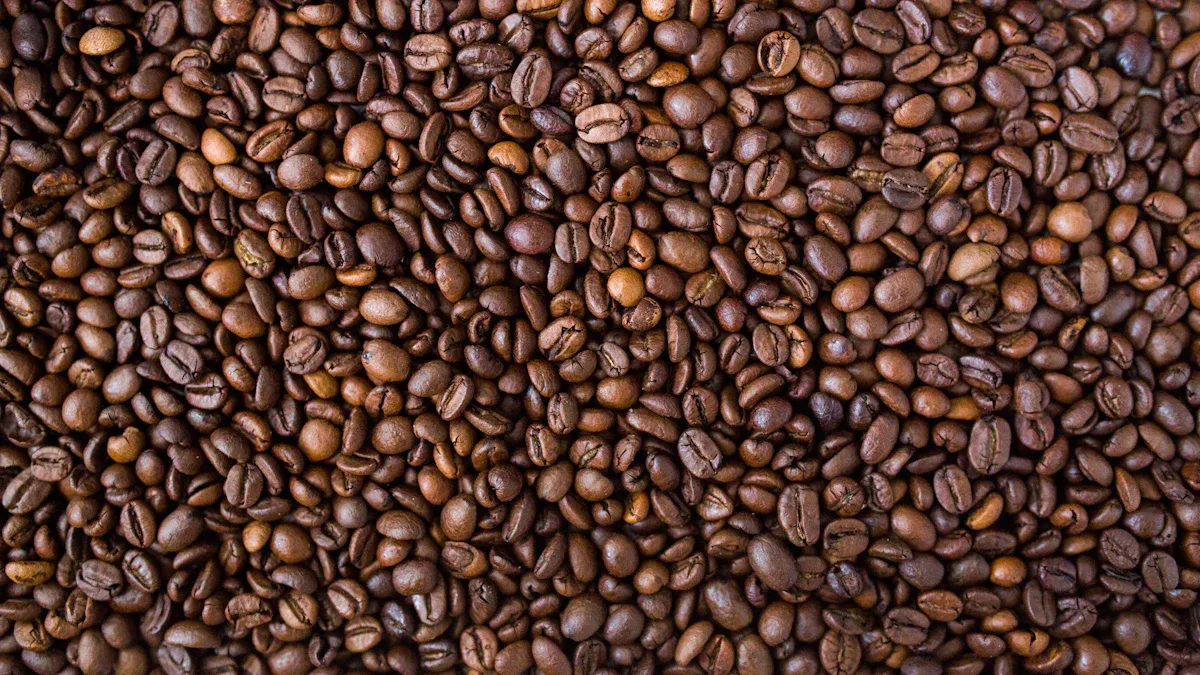
When you take your first sip of Colombian coffee, you notice a flavor profile that feels bright, lively, and complex. This coffee stands out for its balance. You get a mix of sparkling acidity, gentle sweetness, and a range of delicious notes that make every cup memorable.
Acidity and sweetness
Colombian coffee shines because of its bright acidity and well-rounded sweetness. You might wonder what that means for your taste buds. The acidity in these beans feels crisp and clean, almost like biting into a fresh apple or tasting a splash of citrus. This comes from natural acids like citric acid and malic acid, which develop thanks to Colombia’s unique climate. Warm days and cool nights help the beans build up sugars and organic acids. That’s why you get a cup with lively, fruit-forward flavours and a refreshing finish.
The sweetness in Colombian coffee never feels overpowering. Instead, it balances the acidity, creating a smooth, pleasant taste. You might pick up hints of almond or toffee, which add depth without making the coffee bitter. This combination of acidity and sweetness gives Colombian coffee its superior taste and makes it a favorite among specialty coffee lovers.
Tip: If you want to experience the full flavor profile, try brewing your coffee with fresh, whole beans and grind them just before brewing. This helps preserve the natural sweetness and acidity.
Common notes
The flavor profile of Colombian coffee offers a wide range of notes that keep each cup interesting. Professional tasters often describe these coffees as having:
Sweet notes such as chocolate and toffee
Nutty undertones, sometimes like almonds or hazelnuts
Hints of citrus fruits, such as orange or lemon
Mild acidity that feels smooth, not sharp
You might also notice floral or fruity aromas, especially in beans from certain regions. Some varieties bring out rich chocolate undertones, while others highlight red berries or even a touch of jasmine. This variety in flavors and aromas comes from the different microclimates and altitudes across Colombia. Each region produces beans with its own unique twist, so you can explore many varieties and never get bored.
The flavors and aromas in Colombian coffee are delicate. To keep them fresh, you need the right packaging. BN PACK coffee bags use advanced sealing technology and high-barrier materials to protect your beans from air, moisture, and light. Here’s how these features help preserve the flavor profile:
Feature | Benefit |
|---|---|
Advanced sealing technology | Keeps air, moisture, and light away from coffee |
High-barrier materials | Blocks oxygen, moisture, and light |
One-way degassing valve | Lets carbon dioxide escape without air entering |
Resealable closures | Maintains freshness from first to last scoop |
With BN PACK, you lock in the flavors, aromas, and freshness that make Colombian coffee special. You get to enjoy every note, from the first scoop to the last.
So, when you brew a cup of Colombian coffee, you taste more than just beans. You experience a flavor profile shaped by nature, perfected by farmers, and protected by smart packaging. Every sip brings out the best in Colombian varieties, from the sparkling acidity to the rich chocolate undertones and everything in between.
Why Colombian Coffee is Unique
Climate and regions
You might wonder why Colombian coffee tastes so different from others. The answer starts with the land itself. Colombia sits in the heart of the Andes, where water flows from mountain streams and the soil bursts with volcanic minerals. The steep altitudes give you cooler tropical temperatures, letting coffee cherries ripen slowly. This slow process means more complex sugars and brighter acidity in your cup.
Here’s what makes the climate and regions so special:
Water sources from the Andes keep the soil moist and rich.
Volcanic soil and microclimates boost flavor expressions.
Average temperatures between 15-23°C help beans develop smooth, nutty notes.
High humidity and steady rainfall support healthy Arabica plants.
Steep altitudes create cooler air, leading to more aromatic and acidic yields.
Colombia’s coffee regions each bring their own twist. Take a look at some of the most famous ones:
Region | Distinguishing Features |
|---|---|
Antioquia | Well-balanced flavor, medium acidity, chocolate, nuts, and citrus notes. |
Huila | Bright acidity, medium body, tropical fruits, caramel, and cocoa flavors. |
Nariño | High-altitude farms, exceptional acidity, floral aromas, red berries, and citrus notes. |
Tolima | Varied microclimates, flavors from floral and fruity to chocolatey and nutty. |
Quindio | Smooth, well-balanced, medium acidity, caramel, chocolate, and stone fruit flavors. |
Microclimates in the Andes shape the diversity of coffee flavors. Higher elevations slow cherry maturation, building up sugars for nuanced tastes. Sunlight, humidity, and soil all play a role, so you get unique varieties of beans from authentic Colombian origins.
Processing methods
Colombian producers use several processing techniques to bring out the best in their beans. The most common is washed processing. You’ll find that washed coffee has a clean, bright taste with crisp acidity. Producers remove the fruit pulp before fermentation, which helps highlight the natural flavors.
Here are some popular processing methods:
Washed: Delivers a clean, acidic cup with well-defined fruity notes.
Dry: Offers sweeter, fruitier, and more complex flavors, often with chocolate and berry hints.
Honey: Balances sweetness and complexity, depending on how much pulp stays on the bean.
Anaerobic fermentation: Boosts acidity, sweetness, and complexity by fermenting without oxygen.
Extended fermentation: Creates pronounced fruity and floral notes.
Carbonic maceration: Produces intensely fruity and vibrant coffees.
Each method changes the final taste. Washed processing stands out in Colombia, giving you that signature brightness and clarity. Producers also experiment with natural and honey processes for more adventurous flavors.
To keep these flavors fresh, you need the right packaging. BN PACK coffee bags use high-barrier materials and one-way degassing valves. These features lock in aroma and protect beans from air and moisture. You get to enjoy every note, just as the producers intended.
Best Colombian Coffee Tips
Choosing quality beans
If you want to enjoy the best Colombian coffee, start by picking high-quality coffee beans. You can look for beans that come from regions with ideal elevation, rich volcanic soil, and a climate that supports slow cherry ripening. Colombian producers use a strict grading process. They check the size, weight, humidity, defects, and color of each bean. The final step is cupping, where experts taste the coffee for aroma, flavor, and acidity.
Here’s a quick guide to help you choose the best coffee beans:
Look for premium arabica beans or premium semi-washed arabica beans.
Check the grade. Supremo beans are the largest and most prized, while Excelso beans are medium-sized but still excellent.
Make sure the beans have a uniform color and minimal defects.
Ask about the moisture content. The best coffee beans have 11-12% moisture.
Try to buy from trusted Colombian producers who follow strict quality standards.
Criteria | Description |
|---|---|
Geography | Elevation (1,200-2,200 meters), climate, and volcanic soil matter. |
Processing | Washed beans offer a clean finish and bright flavors. |
Grading Standards | Size, weight, humidity, defects, and cupping all play a role. |
Flavor Profile | Look for bright acidity, citrus notes, and a smooth body. |
Consistency | Reliable quality across microregions. |
Tip: If you see “Supremo” or “Excelso” on the label, you’re likely getting high-quality coffee beans.
Packaging matters
You might not think about packaging when you buy coffee, but it makes a huge difference. The right packaging keeps your beans fresh and flavorful. Airtight bags with one-way valves prevent oxygen from getting in while letting carbon dioxide escape. This helps preserve the aroma and taste of your best Colombian coffee.
BN PACK coffee bags use advanced sealing and high-barrier materials. You can choose options like vacuum sealing, moisture-absorbing sachets, and colored bags to protect against UV light. Hermetic bags can keep coffee fresh for up to six months. If you care about the environment, BN PACK offers compostable and recyclable packaging. Colombian coffee brands now use eco-friendly solutions to reduce waste and support sustainability.
Packaging Type | Effect on Freshness | Storage Duration | Environmental Benefit |
|---|---|---|---|
HDPE Bag | Preserves best | Up to 1 year | Recyclable |
Hermetic Bag | Maintains quality | Up to 6 months | Compostable options |
Jute Sack | Less effective | After 1 year | Biodegradable |
Vacuum and heat sealing boost preservation.
Compostable and recyclable bags help the planet.
Resealable closures make it easy to keep your coffee fresh.
Note: Choosing the right packaging means you get the full flavor of Colombian coffee every time you brew.
Colombian Coffee vs. Others
Flavor differences
When you taste Colombian coffee, you notice how it stands apart from other origins. The beans deliver a smooth, well-rounded cup with hints of caramel, chocolate, and nuts. You often get a clean finish because most Colombian coffee is wet processed. If you try Ethiopian coffee, you’ll find a different experience. Ethiopian beans bring vibrant, fruity, and floral notes, sometimes even a wine-like taste. Many Ethiopian coffees use dry processing, which creates sweeter and fruitier profiles.
Here’s a quick comparison:
Colombian coffee: Smooth, balanced, with caramel, chocolate, and nutty notes. Wet processed for a clean taste.
Ethiopian coffee: Bright, complex, with fruity, floral, and wine-like flavors. Often dry processed for extra sweetness.
Brazilian coffee: Full-bodied, low acidity, and nutty or chocolatey. Great for espresso drinks.
Colombian coffee flourishes in the Andes, benefiting from rich biodiversity and ideal altitudes, resulting in vibrant acidity and complex flavors. In contrast, Brazilian coffee, produced on a larger scale, tends to have a heavier, less acidic taste.
You can see the difference in this table:
Coffee Type | Acidity | Body |
|---|---|---|
Colombian | Medium to High | Medium |
Brazilian | Low to Medium | Full |
If you love a bright, lively cup, Colombian coffee is a great choice. If you prefer something heavier and less acidic, Brazilian coffee might suit you better.
Reputation
Colombian coffee has earned a top spot in the world of specialty coffee. People everywhere know it for its exceptional quality and balanced, complex flavor. You’ll find Colombian arabica beans in high demand among roasters, cafes, and coffee lovers. Colombia ranks as the third-largest coffee producer, just after Brazil and Vietnam. Most of the country’s coffee grows in the Andes, where the climate and soil create perfect conditions for premium beans.
Colombian coffee is globally recognized as a leading producer of high-quality arabica coffee.
The demand for Colombian coffee has led to special certifications and quality programs.
Roasters and cafes around the world seek out Colombian beans for their consistency and flavor.
Proper packaging plays a huge role in keeping Colombian coffee at its best. When you use high-quality bags with one-way valves and foil linings, you protect the beans from oxygen, moisture, light, and heat. This keeps the flavor fresh and extends shelf life, whether you’re storing coffee at home or shipping it across the globe. Packaging acts as a barrier, locking in the unique taste and aroma that make Colombian coffee so special.
One-way valves in packaging allow carbon dioxide to escape while preventing oxygen from entering, crucial for maintaining freshness. Foil linings protect against light, moisture, and heat, which are detrimental to coffee quality.
If you want to enjoy the true taste of Colombian coffee, always look for beans packed in quality, airtight bags. This way, you get every note and aroma, just as the farmers intended.
Colombian coffee stands out because of its rich geography, small family farms, and a tradition of quality. You get beans with vibrant flavors, grown in volcanic soil and picked by hand. BN PACK coffee bags keep your coffee fresh, locking in aroma and taste.
Choose certified, single-origin beans.
Check the roast date.
Use brewing methods like French press or pour-over.
Enjoy every cup and discover the unique taste of Colombia—your perfect brew starts with the right beans and smart packaging.