
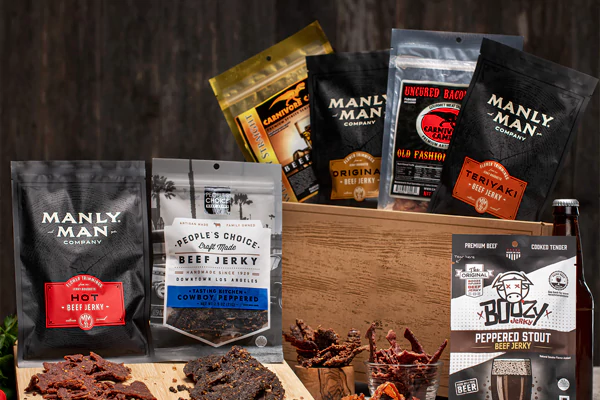
The global beef jerky market is on a trajectory of impressive growth, projected to expand significantly in the coming years. For brands and retailers in this booming but fiercely competitive landscape, the recipe for success extends far beyond flavor profiles and quality ingredients. Imagine your product on a crowded retail shelf; what is the first thing a potential customer interacts with? It’s not the taste or the texture, but the package it comes in.
This first impression is critical. Strategic packaging does more than just contain your product; it is your brand’s silent salesman, its first line of defense against spoilage, and a crucial tool for building consumer trust. It communicates your brand’s story, protects the freshness and flavor you worked so hard to create, and ultimately, convinces a shopper to choose you over the competition. This guide will delve into the essential elements of how to package beef jerky for commercial success, transforming a simple container into your most valuable asset.
How to Package Beef Jerky? Choosing the Right Materials and Structure for Jerky Packaging
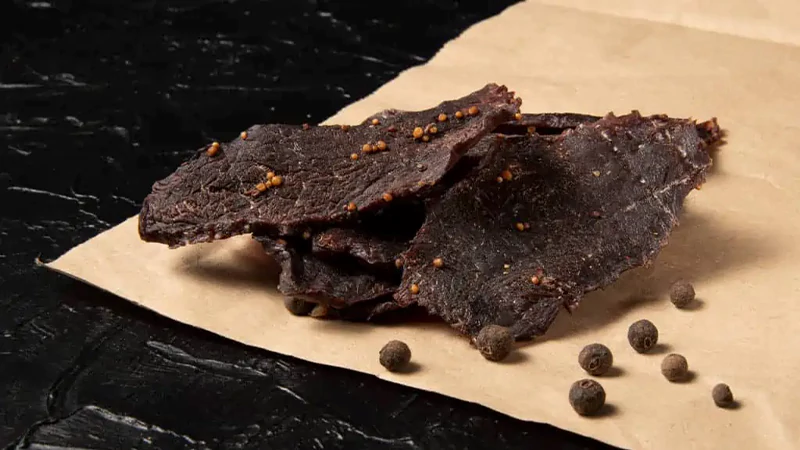
To effectively package beef jerky, one must first understand the elements that threaten its quality. The primary culprits are oxygen, moisture, and UV light. These environmental factors degrade flavor, texture, and safety. Therefore, high-performance packaging isn’t a luxury; it’s a scientific necessity.
Why Multi-Layer Lamination is Non-Negotiable
A single layer of plastic is simply insufficient to protect a sensitive food product like beef jerky. It cannot provide the necessary strength, barrier properties, and sealability required for a long shelf life. The industry standard is a multi-layer laminated structure, where each layer serves a distinct and critical purpose. A typical high-barrier jerky bag is composed of three functional layers:
- The Outer Layer (Print & Protection): This is the canvas for your branding and the first line of physical defense. It’s typically made from PET (Polyester) or MOPP (Matte Oriented Polypropylene). PET provides excellent clarity and gloss for vibrant graphics, while MOPP offers a premium, non-reflective matte finish. Both materials are highly durable and resistant to punctures and tearing.
- The Middle Layer (The Barrier): This is the heart of the packaging’s protective power. Its sole function is to prevent oxygen, moisture, and UV light from permeating the bag. The most common materials are:
- VMPET (Vacuum Metallized PET): A polyester film coated with a micro-thin layer of aluminum. This material is an excellent barrier, blocking over 99% of oxygen and moisture, and is the most popular choice for its balance of performance and cost.
- AL (Aluminum Foil): For the ultimate protection, a layer of aluminum foil provides a near-perfect, 100% hermetic barrier. It is completely impermeable to all gases and light, making it the ideal choice for premium products requiring the longest possible shelf life.
- Kraft Paper: For brands seeking a natural, artisanal aesthetic, a layer of Kraft paper can be integrated. It is laminated with other barrier films to ensure product protection is not compromised.
- The Inner Layer (Food-Contact & Sealing): This layer must be food-safe and engineered for sealing. It is usually made of LLDPE (Linear Low-Density Polyethylene) or CPP (Cast Polypropylene). This layer ensures no harmful substances migrate into the jerky and provides a strong, reliable heat seal to lock in freshness and prevent leaks.
The Role of Oxygen and Moisture: Your Product’s Biggest Enemies
Understanding why these barriers are crucial helps in making informed packaging decisions.
- Oxygen is the primary driver of spoilage. It causes lipid oxidation, a chemical process where fats in the meat turn rancid, resulting in an unpleasant “off-flavor” and odor that destroys the customer experience.
- Moisture is equally detrimental. If external moisture gets in, the jerky’s carefully controlled water activity is disrupted, making it a breeding ground for mold and bacteria. Conversely, if the jerky’s own moisture escapes, it can become overly dry and tough.
To combat these forces, brands must employ a two-pronged strategy:
- High-Barrier Packaging: As detailed above, selecting a material structure with a VMPET or Aluminum Foil layer is the first essential step.
- Atmosphere Control: After selecting the right bag, you must control the environment inside it. This is typically achieved by using oxygen absorbers (also known as oxygen scavengers). These small, food-safe packets are placed inside the jerky bag before the final seal. They work through a chemical reaction, actively absorbing the residual oxygen left inside the package after sealing, reducing levels to below 0.1%. This simple addition is a game-changer, capable of extending a product’s shelf life from a few months to 12-18 months while preserving its peak flavor and texture.
From Bag to Brand: Designing Jerky Packaging That Sells
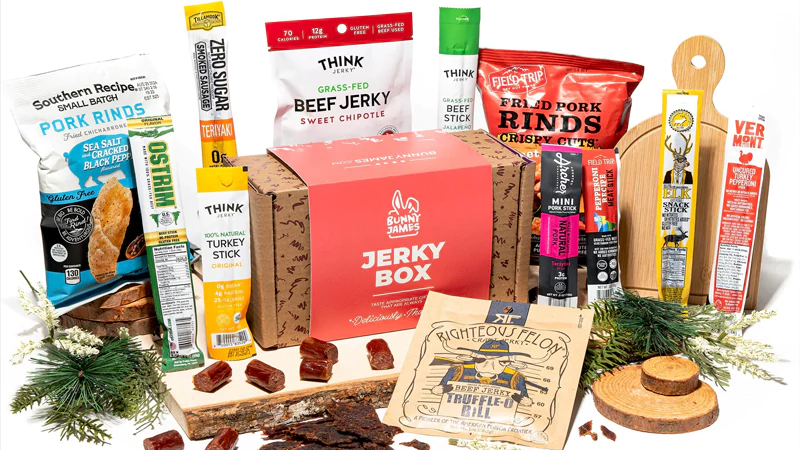
Beyond technical protection, your package design is your most powerful sales tool. Strategic features directly impact consumer satisfaction and retail performance.
For the consumer, a resealable zipper is essential, preserving freshness and enhancing value, while easy-tear notches ensure convenient access. For retailers, hang holes are critical for versatile merchandising, unlocking valuable peg-hook display space. Visually, a clear window builds instant trust by showcasing the premium quality of the jerky inside.
The pouch format itself defines your shelf presence. Classic stand-up pouches are effective, while premium flat-bottom bags offer superior stability and more branding real estate. This visual canvas is brought to life with vibrant, high-fidelity gravure printing.
Finally, the finish sets the brand’s tone: a bold gloss finish grabs attention, while a sophisticated matte finish communicates a premium, craft identity. Together, these elements create a package that doesn’t just hold your product—it actively persuades customers and supports your retail partners.
The Rulebook: FDA Labeling and Shelf Life Claims
Compliance and transparency are cornerstones of a trustworthy brand. Your jerky packaging must adhere to strict legal standards while making honest claims about its longevity.
First, FDA regulations mandate that specific information be clearly displayed. This includes the product’s statement of identity (e.g., “Beef Jerky”), net weight, a complete nutrition facts panel, and an accurate ingredient list that highlights major allergens.
You must also include the name and address of the manufacturer or distributor.
For meat products, a USDA mark of inspection is also required, assuring customers that the product has been processed in a federally inspected facility.
Neglecting any of these elements can lead to costly recalls and damage your brand’s reputation.
How Long Does Packaged Beef Jerky Last
Equally important is the shelf life you can confidently claim. This is a direct function of your packaging quality.
With high-barrier materials (like VMPET or foil) and an oxygen absorber, a shelf life of 12 to 18 months is achievable. For standard professional packaging without an absorber, expect 6 to 12 months. Basic or poorly sealed packaging can compromise the product in as little as 1-3 months.
Backing your “Best By” date with superior packaging technology is key to ensuring customer satisfaction.
What to Look for in a Jerky Bags Supplier
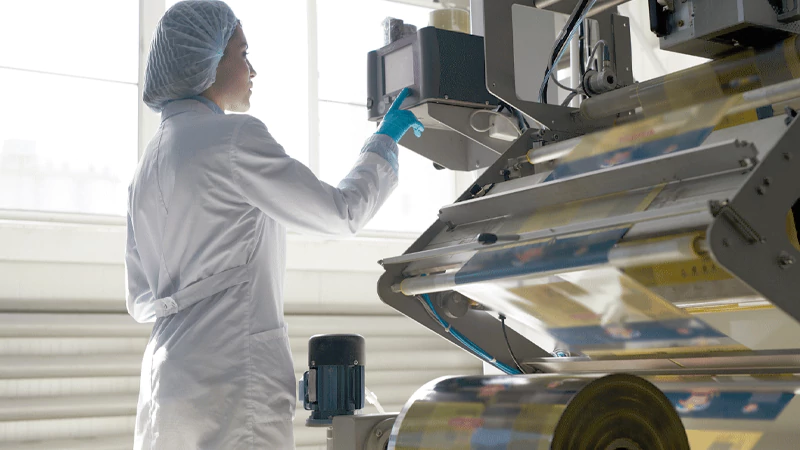
Selecting the right packaging supplier is as critical as perfecting your recipe. This is a partnership that directly impacts your product quality, brand image, and operational efficiency. When evaluating potential suppliers, focus on key criteria that signal reliability and expertise.
First, verify non-negotiable food safety certifications, such as BRC or ISO, which guarantee that the packaging is manufactured in a clean, safe, and regulated environment.
Second, look for deep industry experience. A supplier who specializes in food products, especially meat snacks, will understand the specific challenges of barrier properties and shelf life.
Finally, assess their customization capabilities. Your brand is unique, and your supplier should offer a full range of options, from material selection and pouch styles to advanced printing techniques and functional features.
A supplier that embodies these principles is BN PACK. As a BRC-certified manufacturer, we provide the highest level of food safety assurance. Our expertise is built on years of partnering with food brands worldwide, allowing us to offer expert guidance on the ideal packaging structure for your specific product.
At BN PACK, we provide comprehensive customization using advanced 10-color gravure printing to bring your vision to life. We are more than a supplier; we are a partner dedicated to protecting your product and amplifying your brand.
Conclusion
In the competitive world of beef jerky, packaging is not just a final step—it is the foundation of your brand’s retail strategy. It is a synthesis of food science, consumer psychology, and brand storytelling.
Investing in a high-performance, thoughtfully designed package is a direct investment in your product’s integrity, its appeal on the shelf, and the long-term trust of your customers.
From selecting the right barrier materials to ensure a 12+ month shelf life, to designing a pouch that offers consumer convenience, every choice matters.
Don’t let subpar packaging undermine the quality of the product you’ve worked so hard to perfect. Elevate your brand with a packaging solution built for protection, performance, and profit.
Ready to create packaging that does your jerky justice? Contact our packaging experts at BN PACK today for a free consultation and to request samples.