
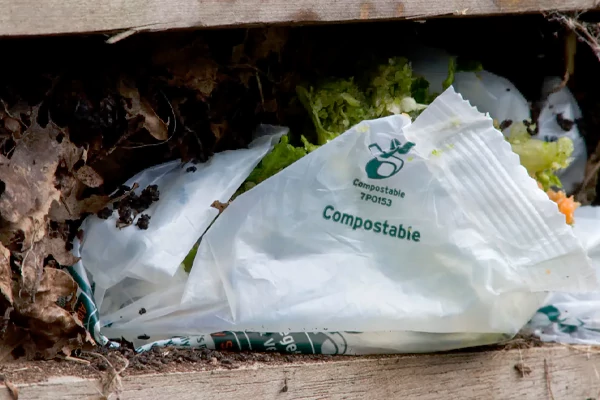
You help the environment when you use compostable bags in your food business. Many food businesses think just using compostable or biodegradable bags is enough, but it is not. Compostable bags need special places to break down. If you do not throw them away the right way, they can add to trash and hurt recycling. Do compostable bags break down in landfills? Most of the time, they do not. Learning about compostable materials helps you make better choices for your food business and the earth.
Compostable Bags Explained
What Are Compostable Plastics
Many food businesses use compostable plastics now. These materials are made from things like cornstarch or sugarcane. Compostable plastics break down into natural parts in special composting places. They do not act like regular plastics at all. Compostable plastics need heat, water, and tiny living things to turn into compost. They will not break down in a landfill or your backyard unless it is like an industrial composting place.
Compostable plastics are a type of bioplastics. Bioplastics come from plants or other living things. How fast compostable plastics break down depends on their polymer type, thickness, crystallinity, and water inside. Compostable packaging uses these materials to cut down on waste and help the planet. You should pick compostable packaging with certifications like BPI. This shows the product will break down in commercial composting systems.
Tip: Always look for compostable certification before you pick compostable plastic products for your business.
Compostable vs. Traditional Plastics
You may wonder how compostable bags are different from traditional plastic bags. These differences are important for your business and the earth. Compostable products break down much faster than regular plastics. Traditional plastics are made from fossil fuels and can last for hundreds of years. Compostable bags are made from renewable resources and can turn into compost in just a few months if the conditions are right.
Here is a table that shows the main differences:
Category | Traditional Plastic Bags | Compostable Bags |
|---|---|---|
Raw Materials | Made from fossil fuels, which can hurt the climate. | Made from renewable things like cornstarch and sugarcane. |
Waste Generation | Ends up in landfills and causes pollution for a long time. | Breaks down into compost and helps the soil. |
Carbon Footprint | Makes a lot of pollution when made and thrown away. | Makes less pollution, almost carbon-neutral. |
Toxic Substances | Has bad chemicals like BPA and phthalates. | Does not have harmful chemicals, safer for people. |
Degradation Time | Takes hundreds or thousands of years to break down. | Breaks down in 3-6 months if conditions are right. |
Compostable plastics have a recycling symbol with the number 7 and the letters “PLA”. Compostable packaging helps your business show you care about the earth. Bioplastics are a safer choice for food packaging. Compostable products do not let out harmful substances. You help the planet when you choose compostable bags and compostable packaging for your food business.
Do Compostable Bags Break Down in Landfills
Landfill Conditions
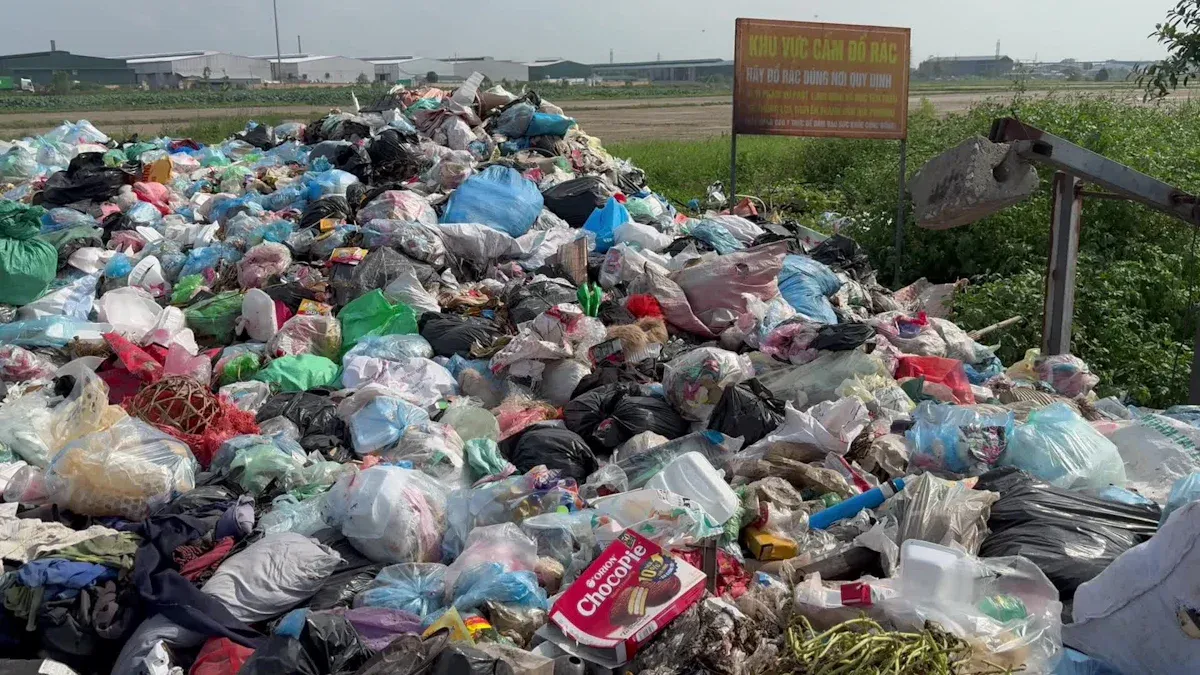
Some people think compostable bags break down fast anywhere. This is not correct. Compostable bags do not break down in landfills. They need special things to biodegrade. These things are high heat, lots of oxygen, and the right mix of stuff. Landfills do not have these things.
Let’s compare composting and landfill conditions:
Condition Type | Composting Requirements | Landfill Conditions |
|---|---|---|
Temperature | Minimum 113℉ for home composting; 131-160℉ for commercial | Lack of air leads to lower temperatures and methane production |
Oxygen | Requires aerobic conditions (oxygen present) | Anaerobic conditions (lack of oxygen) |
Material Composition | Needs a mix of green and brown materials | No specific requirements; just waste piled together |
Time for Decomposition | Complete degradation within 90 days in ideal conditions | Decomposition is slow and inefficient |
Landfills do not have enough air or heat. Trash piles up and air cannot move through. This stops compostable bags from breaking down. They can stay whole for many years. Studies show compostable bags may last for decades in landfills. This happens when there is no air, water, or tiny living things.
The research looked at how compostable, oxo-degradable, and regular plastics break down in landfill-like places. It found that landfills do not have enough air and water. This makes it hard for these materials to break down. Compostable plastics like ECOVIO® broke down faster, but not enough in landfills.
Bioplastics, including compostable bags, need oxygen to break down. Landfills do not have enough oxygen. So compostable bags do not biodegrade as they should. Sometimes they break into small pieces. These pieces are called microplastics. Microplastics can pollute the earth and water.
Environmental Impact
Compostable bags do not break down in landfills. When you throw them in the trash, they go to landfills and stay there. This causes problems for the environment. One big problem is methane gas. When compostable bags and food waste sit in a landfill without air, they make methane. Methane is a greenhouse gas much stronger than carbon dioxide.
Environmental Impact | Description |
|---|---|
Methane Emissions | Biodegradable products release methane when broken down by microorganisms in landfills. |
Greenhouse Gas Impact | Methane is a potent greenhouse gas that can be harmful when not captured for energy use. |
Environmental Impact | Description |
|---|---|
Methane Emissions | Food waste in landfills generates methane, a potent greenhouse gas with a global warming potential 28 times greater than CO2 over 100 years. |
Contribution to Climate Change | Greenhouse gas emissions from food waste are equivalent to those of 42 coal-fired power plants. |
Global Ranking of Food Waste | If food waste were a country, it would be the third-largest emitter of greenhouse gases, following the US and China. |
Compostable bags do not break down in landfills. They can last for decades. This means they do not help the environment much. Compostable bags can leave behind microplastics if they do not fully break down. Microplastics can hurt soil and water. Microplastic pollution is a growing problem.
Bioplastics and compostable bags are made to break down in special composting places. If you do not have these places, the bags will not break down. In many areas, compostable bags end up in landfills. This happens because there are not enough composting options. You should check your local waste system before picking compostable packaging.
Certifications like AS5810 and AS4736 show if a compostable bag will break down in the right place. These certifications mean the bag will biodegrade in a composting facility, not in a landfill. For example:
Certification | Requirements | Disposal Implications |
|---|---|---|
AS 4736 | – 90% biodegradation within 180 days | Ensures proper breakdown in industrial composting, preventing landfill waste. |
AS 5810 | – 90% biodegradation within 12 months | Validates compostability in home systems, promoting eco-friendly disposal. |
You should look for these certifications and follow the disposal rules. If you put compostable bags in the wrong bin, you add to landfill waste and pollution. Bioplastics and compostable packaging only help the earth when you throw them away the right way.
Tip: Always check if your area has composting places before using compostable bags. This helps you keep waste out of landfills and helps the environment.
Business Benefits for Food Brands
Compliance and Reputation
Food businesses must follow rules about compostable foodware. Many cities, like San Francisco, have laws about sorting waste. You need to put recyclables, compostables, and trash in different bins. These rules help stop pollution and keep the earth safe. Some places, like El Cerrito, say you must use compostable or reusable foodware. Compostable plastics can be tricky to sort. You should teach your workers how to do it right. If you break the rules, you might get fined or hurt your business’s name.
Customers want food businesses to use compostable packaging. They like brands that care about the earth. Using compostable foodware and bioplastics shows you are responsible. This helps customers trust you and come back again. Clear labels and instructions make it easy for people to throw away compostable foodware the right way. You can stand out by showing you care about the planet.
BN PACK has eco-friendly packaging, like plant-based biodegradable coffee bags and recyclable pouches. Their hemp fiber packaging is compostable and good for people who care about the earth. BN PACK also uses recycled materials to help cut down on waste.
Cost and Efficiency
Throwing away compostable foodware the right way can save money. It costs less to get rid of organic waste than regular trash. Here is a table that shows the cost for organic waste disposal:
Description | Cost per Ton | Effective Date |
|---|---|---|
Organic Waste Disposal Fee | $85 | October 15, 2024 |
Annual Adjustment based on CPI | – | Annually after July 1st |
Compostable packaging and bioplastics make waste management easier. You spend less time sorting trash and more time serving food. Some food businesses, like Lake Chalet and Vermont Coffee Company, save time and money with compostable foodware and compostable bags. They keep bins cleaner and cut down on bad smells.
BN PACK helps you follow global rules for compostable foodware and packaging. Their products meet FSC certification and FDA rules. You can pick compostable coffee bags, hemp-fiber hybrid pouches, and recyclable options. These choices help you reach your green goals and get more customers.
More food businesses are choosing compostable packaging and bioplastics. The market is growing fast. You can be a leader by picking compostable foodware and throwing it away the right way.
Compostable Solutions with BN PACK
Staff Training and Policies
You can help your food business be greener by teaching your team about compostable bag disposal. When staff learn how to use compostable plastic packaging and food scrap bin liners, they make fewer mistakes. Good training means less waste and a better waste system.
Put bright, easy-to-read signs near bins. These signs show where compostable, recyclable, and trash items go.
Give short lessons to staff. Use posters and pictures to show how to sort compostable and biodegradable materials.
Remind your team to look for compostable certifications on packaging before throwing it away.
Ask staff to use compostable bin liners for food waste and takeout containers.
Tip: When you teach your team, they make fewer mistakes. This helps stop contamination and extra waste.
Working with Composting Facilities
You need to pick the right composting facility so your compostable packaging breaks down the right way. Not every facility can handle all compostable materials. Some places need special conditions for compostable bags and food containers to break down.
Pick a composting facility that takes renewable and compostable packaging, including PHA-based products.
Make sure drivers and staff who collect waste get good training.
Watch the composting process. Check the temperature, moisture, and oxygen to keep things working well.
Use commercial compostable solutions that meet industry standards.
Food businesses sometimes have problems like composting temperatures that change or compostable bags that do not break down all the way. These problems can leave plastic pieces in the compost or cause more cleanup if food scrap bin liners leak. You can fix these problems by working with your composting partner and using certified packaging.
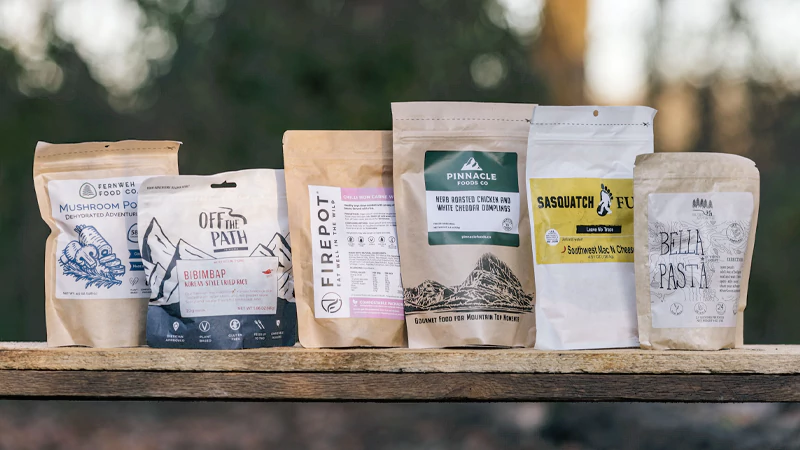
BN PACK helps you reach your green goals with certified compostable packaging. Here are some certifications BN PACK has:
Certification | Type | Key Features |
|---|---|---|
TUV | Home and Industrial | Tests how fast things break down, biodegradation, and toxicity. |
ABA | Home and Industrial | Checks for physical breakdown, environmental safety, and heavy metals. |
BPI | Industrial | Makes sure products break down without toxic leftovers in industrial composting. |
You can count on BN PACK to help you build a waste system that works for your food business. Their compostable solutions make it easier to handle food waste, use compostable bin liners, and give out eco-friendly takeout containers.
When you pick certified compostable and biodegradable bags, you help the earth. Throwing them away the right way keeps waste out of landfills. This also helps lower greenhouse gases in the air. Composting changes waste into good soil for farms. This soil helps farmers grow healthy food. Clear rules help everyone sort waste the right way. Work with trusted suppliers like BN PACK to meet your green goals. Check what you do now and find ways to help the environment more.