
If you’ve ever wondered what makes your snack pouch soft and squeezable, or why your frozen food bag doesn’t crack in the freezer — the answer is almost always LDPE plastic. Low-Density Polyethylene is one of the most widely used materials in flexible packaging today, and for good reason.
In this guide, we break down everything you need to know about LDPE plastic: what it is, how it’s made, its key properties, and why it remains a top choice for custom packaging bags across food, pharmaceutical, and industrial applications.
What Is LDPE Plastic?
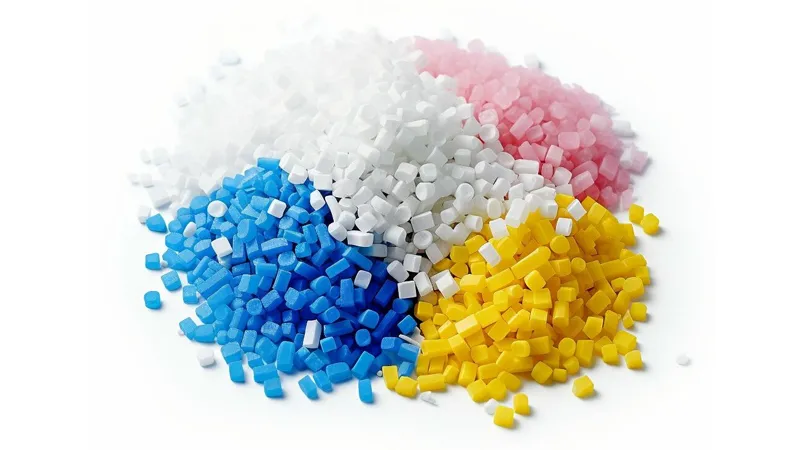
LDPE stands for Low-Density Polyethylene. It is a thermoplastic polymer produced by polymerizing ethylene gas under high pressure. The result is a material with a highly branched molecular structure — meaning the polymer chains don’t pack together tightly. This branching is exactly what gives LDPE its characteristically low density and exceptional flexibility.
LDPE carries the resin identification code #4, which you’ll often find stamped on the bottom of LDPE products. It belongs to the polyethylene family, which also includes HDPE (High-Density Polyethylene) and LLDPE (Linear Low-Density Polyethylene). Compared to its siblings, LDPE is the softest and most pliable of the group.
Key Properties of LDPE Plastic
Understanding LDPE plastic starts with its material properties. Here’s what makes it stand out:
Flexibility and Softness LDPE’s branched molecular structure gives it a low tensile strength, which translates directly into excellent flexibility. It can be stretched considerably before it breaks — making it ideal for packaging applications that require a material to bend, fold, or conform to a product’s shape without cracking or tearing.
High Clarity and Transparency LDPE film offers excellent optical clarity. For packaging bags, this means products can be clearly seen through the material — an important feature for food packaging, retail pouches, and any application where product visibility on the shelf matters.
Moisture Barrier LDPE has very low water vapor permeability. This means it effectively keeps moisture out, protecting contents from humidity and condensation. It’s one of the reasons LDPE is so widely used in food packaging bags, where maintaining freshness is critical.
Chemical Resistance LDPE is resistant to a broad range of chemicals including acids, alcohols, bases, and esters. This chemical inertness makes it safe and stable for packaging a variety of products without risk of reaction between the packaging material and the contents.
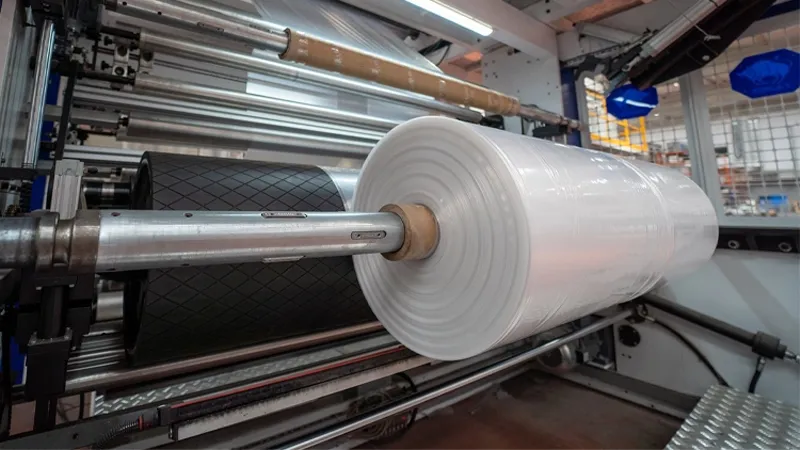
Heat Sealability LDPE has a relatively low melting point, which makes it highly compatible with heat sealing processes. This is a crucial property in bag and pouch manufacturing — it allows clean, strong seals to be formed quickly on high-speed packaging lines, whether for stand-up pouches, three-side seal bags, or roll stock film applications.
Food Safety LDPE is FDA-approved for food contact. It is chemically inert at room temperature, odorless, and non-reactive, making it a trusted material for direct food packaging across bakery, frozen food, snack, and liquid product categories.
Lightweight and Cost-Effective LDPE is inherently lightweight, which reduces overall packaging weight and shipping costs. It is also one of the more affordable plastic materials, making it a practical choice for high-volume packaging production.
LDPE vs. HDPE vs. LLDPE: What’s the Difference?
It’s common to encounter all three polyethylene variants when specifying packaging materials. Here’s a quick comparison:
| Property | LDPE | HDPE | LLDPE |
|---|---|---|---|
| Density | 917–930 kg/m³ | 930–970 kg/m³ | Similar to LDPE |
| Flexibility | High | Low (rigid) | High |
| Tensile Strength | Lower | Higher | Higher than LDPE |
| Transparency | High clarity | Opaque | High clarity |
| Heat Seal Range | Excellent | Moderate | Excellent |
| Best For | Flexible pouches, film layers | Bottles, rigid containers | High-strength flexible films |
For flexible packaging bags, LDPE and LLDPE are the most common choices, with LLDPE offering greater puncture resistance when added strength is needed.
How LDPE Is Used in Packaging Bags
LDPE plastic isn’t just used as a standalone material — it plays a vital role across multiple layers of modern flexible packaging. Here are the most important applications:
As a Sealant Layer in Laminated Packaging Bags
One of LDPE’s most critical roles in packaging is as the inner sealant layer of multi-layer laminated pouches. In laminated structures, LDPE is bonded to an outer layer (typically PET or OPP) to create a composite film that combines the printability and barrier properties of the outer layer with the sealing performance and food-safe flexibility of LDPE.
This structure is used across a wide range of packaging bag types, including stand-up pouches, flat-bottom bags, three-side seal pouches, and roll stock film. The LDPE sealant layer is what allows these bags to be heat-sealed cleanly and reliably — even when light contamination from powders or liquids is present at the seal area.
As a Mono-Material Flexible Film
In applications where high barrier properties are not required, LDPE can be used as a single-layer (mono) film for packaging bags. This is common in produce bags, frozen food pouches, bulk food bags, and industrial packaging where moisture resistance and flexibility are the primary requirements.
In Stand-Up Pouches and Spouted Pouches
Stand-up pouches for liquid, semi-liquid, or powder products often incorporate LDPE as a key functional layer. Its excellent heat-seal performance makes it suitable for forming the bottom gusset seal and side seals that give these bags their structure and integrity. For spouted pouches used in liquid packaging — such as juices, sauces, and baby food — LDPE layers ensure leak-proof performance under fill, transport, and consumer handling conditions.
In Vacuum Seal Bags and Retort Pouches
LDPE is also found in vacuum-seal packaging bags for fresh meat, cheese, and other perishable foods. Its flexibility allows the bag to conform tightly around the product during the vacuum process without tearing. For retort pouches — used for shelf-stable cooked foods — LDPE or related polyethylene grades may be incorporated as part of the laminate structure to deliver the heat-sealability needed for sterile filling.
Industries That Rely on LDPE Packaging Bags
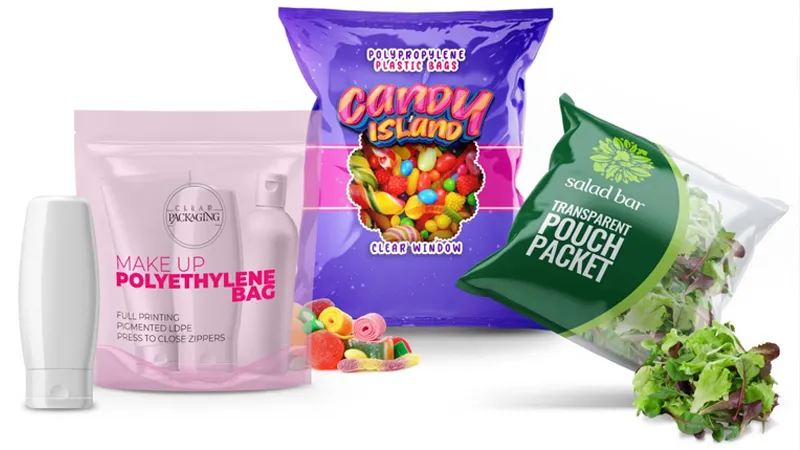
The versatility of LDPE plastic makes it relevant across nearly every product category:
Food and Beverage Bread bags, frozen food pouches, snack packaging, coffee bags, spice pouches, dairy product packaging, and beverage spouted pouches all rely on LDPE for its food-safe flexibility and moisture barrier performance.
Pharmaceutical and Medical LDPE’s chemical inertness and cleanroom-compatible processing make it a preferred material for pharmaceutical powder packaging bags, tablet pouches, and medical product packaging.
Personal Care and Cosmetics Refill pouches for shampoo, conditioner, and liquid soap commonly use LDPE-laminate structures that combine visual appeal with functional performance.
Pet Food Stand-up pouches and flat-bottom bags for dry and wet pet food rely on laminated structures where LDPE provides the heat-seal layer that keeps the product fresh and sealed.
Industrial and Agricultural LDPE films and bags are used for packaging fertilizers, seeds, and chemical products where moisture resistance and chemical compatibility are essential.
Is LDPE Plastic Recyclable?
Yes — LDPE (resin code #4) is recyclable. Recycled LDPE can be reprocessed into new films, shipping mailers, and industrial plastic products. However, LDPE film is not accepted in most curbside recycling programs. Instead, it should be dropped off at designated store collection bins that accept plastic film.
The packaging industry is actively developing better sorting technologies and chemical recycling methods to improve LDPE recovery rates. For brands with sustainability commitments, LDPE can also be incorporated into packaging structures alongside recycled content (PCR), helping reduce dependence on virgin plastic without sacrificing film performance.
Why Choose LDPE for Your Custom Packaging Bags?
If you’re evaluating materials for a new packaging bag, LDPE should be on your shortlist for the following reasons:
- Proven performance across food, pharma, and industrial categories
- FDA-approved and food-safe for direct product contact
- Excellent heat-seal performance for reliable high-speed bag production
- Flexible and durable — it protects products without cracking or brittleness
- Cost-effective compared to higher-barrier films when barrier requirements allow
- Recyclable and compatible with PCR content for sustainability goals
- Versatile — works as a standalone film or as a sealant layer in complex laminates
Custom LDPE Packaging Bags from BN Pack
At BN Pack, we work with LDPE and LDPE-based laminate structures across a wide range of custom packaging bag formats — from stand-up pouches and flat-bottom bags to three-side seal pouches, roll stock film, and spouted pouches.
Whether you need a simple LDPE mono-film bag for produce or industrial goods, or a high-performance laminated pouch with LDPE as the sealant layer, our team can recommend the right structure for your product, application, and sustainability goals.
With over 20 years of flexible packaging experience, ISO9001 and BRC certification, and export to 100+ countries, BN Pack is your trusted manufacturing partner for custom flexible packaging bags built on proven materials like LDPE plastic.
Ready to get started? Request a custom quote or speak with our packaging specialists about the right LDPE packaging solution for your product.
Frequently Asked Questions About LDPE Plastic
What does LDPE stand for?
LDPE stands for Low-Density Polyethylene, a thermoplastic polymer made from ethylene and characterized by a highly branched molecular structure that gives it low density and high flexibility.
Is LDPE safe for food packaging?
Yes. LDPE is FDA-approved for food contact applications. It is chemically inert, odorless, and non-reactive at room temperature, making it widely used in food packaging bags across bread, frozen food, snack, dairy, and beverage categories.
What is the recycling code for LDPE?
LDPE carries resin identification code #4. It is recyclable but typically not accepted in curbside bins — film and bag LDPE should be dropped at store collection points.
What is the difference between LDPE and HDPE?
LDPE is softer, more flexible, and more transparent than HDPE. HDPE is harder, more rigid, and used for applications like bottles and containers where structural strength is needed. LDPE is preferred for flexible packaging bags, films, and pouches.
Can LDPE be used in laminated packaging?
Yes. LDPE is widely used as the inner sealant layer in laminated packaging bags, bonded to outer layers of PET, OPP, or aluminum foil to create multi-layer structures with enhanced barrier, printability, and heat-seal performance.
What types of packaging bags are made with LDPE?
LDPE is used in stand-up pouches, three-side seal bags, flat-bottom pouches, vacuum seal bags, spouted pouches, roll stock film, and various mono-film bags for food, pharmaceutical, and industrial applications.