
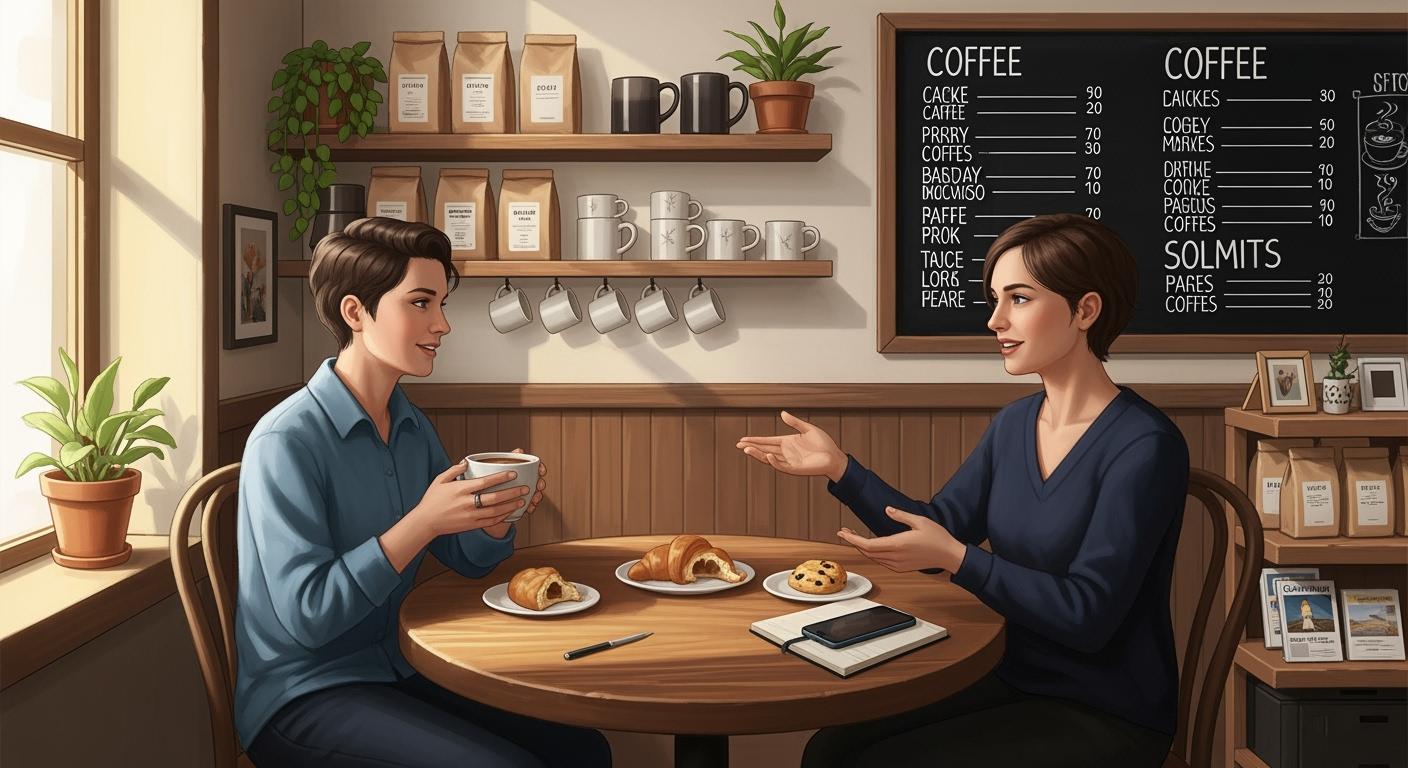
Imagine you go into your favorite coffee shop. The smell of fresh coffee is everywhere. You see friends laughing together. Neighbors are talking to each other. Artists show their work on the walls. This shows the power of 2nd wave coffee & social. Coffee shops now give you more than just a drink. They give you a fun time every time you come in. These places are now busy community spots. You can meet people, relax, and have a good time. Today, coffee culture is about making every visit special and fun. It is a social and enjoyable time you will remember.
2nd Wave Coffee & Social Movement
Defining the Second Wave
You might ask why the second wave coffee movement is special. Before this, people thought coffee was just a plain drink. You may remember old cans of ground coffee in stores. People made it at home or got a quick cup at diners. It was cheap and simple, but not very fun.
The second wave coffee movement changed things a lot. People started to see coffee as more than a drink. It became something you could enjoy. Shops cared about quality and taste. You could smell fresh beans and watch baristas make drinks carefully. The feeling inside was different. Coffee shops became places to relax, meet friends, or study for school.
Experts say the second wave had some main features:
Better coffee experience inspired by European coffee culture
More focus on good coffee
Coffee became a social thing
These changes made coffee shops feel friendly. They became part of your daily routine, not just a place for caffeine.
Some companies helped start this movement. Here’s a quick look:
Company | Contribution |
|---|---|
Peet’s Coffee & Tea | Made the coffeehouse experience bigger and focused on better-tasting coffee. |
Starbucks | Made espresso drinks and coffeehouse culture popular, learned from Peet’s training. |
You probably know Starbucks. It helped make coffee shops common everywhere. Now, you could find a cozy place to enjoy your drink and meet people.
Key Innovations in Coffee Culture
The second wave coffee movement brought many new ideas. Coffee shops started to care about the whole coffee experience. They wanted you to enjoy every sip, not just drink fast.
Here are some big changes that happened:
Cafes cared about the experience, not just the drink.
People wanted to know where coffee beans came from.
Espresso drinks became popular, making coffee taste better and more fun.
Now you could pick lattes, cappuccinos, and mochas. Each drink had its own taste and style. Coffee fans liked trying new drinks and sharing them with friends.
2nd wave coffee & social helped make this change. Shops changed how they looked and felt. You walked into a place with soft chairs, warm lights, and art on the walls. The space felt calm and friendly. You wanted to stay longer, maybe read or talk with a friend.
Let’s see how 2nd wave coffee & social made coffee more than a drink:
Aspect | Description |
|---|---|
Coffee Shop Environment | Shops became more comfortable, making customers feel relaxed. |
Quality of Coffee | The second wave brought better coffee, so prices went up. |
Social Experience | Coffee shops became places to meet, making coffee a cultural thing. |
You also saw new things like coffee-to-go. In the 1970s, people wanted coffee they could take with them. Shops started to offer more flavors and choices. Starbucks became a favorite for people who wanted to try new drinks and meet others who loved coffee.
The second wave coffee movement made coffee part of your daily life and social time. You did not just drink coffee. You enjoyed the people, the culture, and the fun that came with every cup.
Coffee Shops as Community Spaces
The Third Place Concept
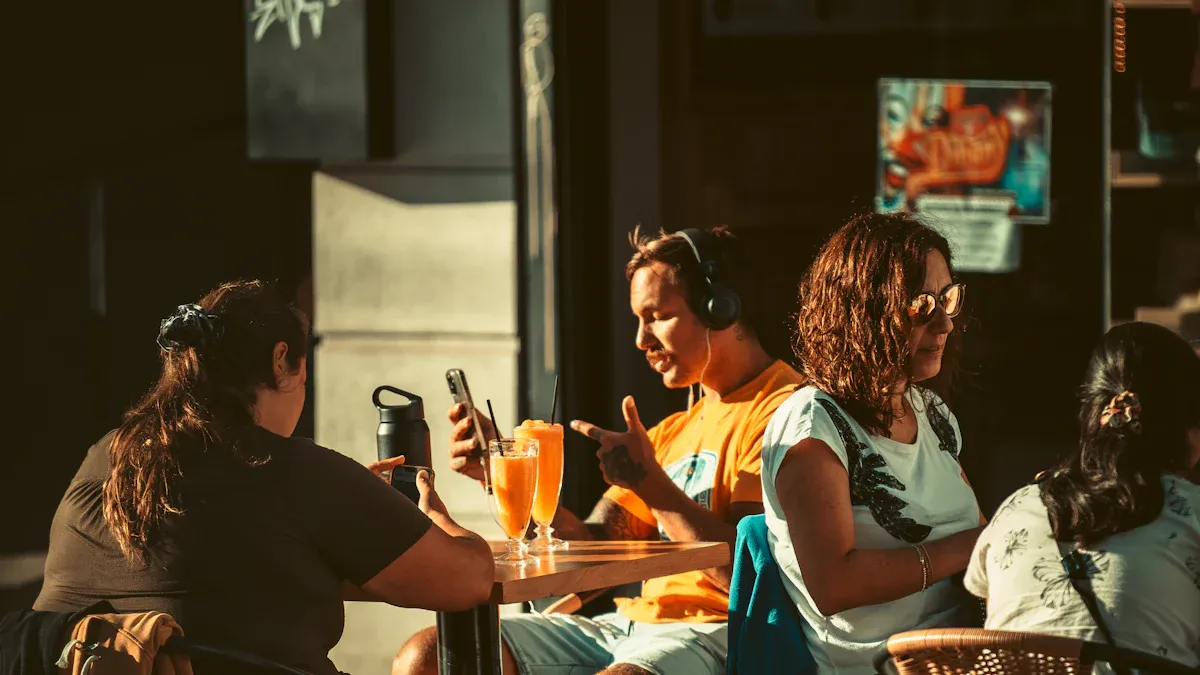
You probably spend a lot of time at home or at work. But sometimes, you need a spot that feels different. That’s where the idea of a third space comes in. A third space is not your house or your job. It’s a place where you can relax, meet people, and feel like you belong. Coffee shops have become the perfect third space for many people.
When you walk into a coffee shop, you notice more than just the smell of coffee. You see people chatting, reading, or working on laptops. The chairs feel comfy. The music is soft. You might even spot a group playing board games or a student studying for a test. These places help you connect with others in a relaxed way.
Coffee shops are now a big part of your neighborhood. They make life better and help you feel good. You can meet new friends or just enjoy being around others. You don’t have to plan a big event. You can just show up and feel welcome.
Here are some ways coffee shops serve as a third space in your community:
They give you a spot to hang out that isn’t home or work.
You can meet people and share ideas.
You build small connections with others, even if you just say “hi” each morning.
The space feels safe and friendly.
Coffee shops have always been places where people gather. You can talk about your day, share stories, or just enjoy a quiet moment. Over time, these spots help everyone feel like part of something bigger. You get to know the faces around you. You feel like you belong.
Social Hubs and Local Events
Coffee shops do more than serve drinks. They bring people together. You might see a poetry night, a local band playing, or an art show on the walls. These events make the coffee shop feel alive. You get to meet neighbors, support local artists, and try new things.
The Pacific Northwest played a huge role in shaping this social side of coffee. Cities like Seattle and Portland made coffee shops popular places to gather. People there loved the idea of community. They wanted coffee shops to be more than just a place to grab a cup. They wanted a spot where everyone could come together.
Today, you see this everywhere. Coffee shops host book clubs, open mic nights, and charity fundraisers. You might even find a knitting group or a chess club meeting in the corner. These events help you feel connected to your town. You get to share your interests and learn from others.
Coffee shops create a friendly vibe that makes it easy to talk to someone new.
They hold events that bring people together and make your town feel special.
Many people use coffee shops as a place to work, study, or meet with friends.
You don’t have to be a regular to feel welcome. The staff often remembers your favorite drink. You might see the same faces each week. Over time, these small moments turn into real friendships.
The global specialty coffee movement also helped this idea grow. People wanted more than just a quick cup. They wanted a real experience. They wanted to know where their coffee came from and who made it. This focus on quality and community made coffee shops even more important as third spaces.
In the end, coffee shops give you a place to belong. You can relax, meet people, and enjoy good coffee. You become part of a bigger story, one cup at a time.
European Influence on Coffee Culture
Inspiration from European Cafés
When you step into a coffee shop, you might not realize how much it owes to European cafés. In Europe, people treat coffee as more than just a quick drink. They sit down, relax, and enjoy the moment. You see friends talking for hours over a single cup. The whole experience feels special.
Many things you love about your local coffee shop come from these European traditions:
American coffee shop culture started with European espresso cafés.
Coffee shops in the U.S. became social hubs, just like in Europe.
The ritual of drinking coffee helps you feel like you belong.
In Europe, people focus on the experience, not just the drink.
Social interaction is a big part of coffee time.
You can see how this style makes coffee shops feel warm and welcoming. You do not just grab a cup and go. You get to slow down and connect with others.
Local Adaptations in the U.S.
American coffee houses took these ideas and made them their own. You might notice some differences when you visit a shop in the U.S. Many people still want their coffee fast, but more shops now encourage you to stay and enjoy.
Here are some ways American coffee shops adapted European café culture:
Cafés became places for community and socializing, not just for grabbing a drink.
Shops turned into spots for relaxation and connection, not just business.
Even fast-food places like McDonald’s started to feel more like community centers.
You can see people reading, working, or chatting with friends. The focus on community makes each visit feel special. Coffee houses in America now blend speed with a sense of belonging. You get the best of both worlds—a quick cup when you need it, or a cozy spot to unwind.
Coffee brings people together. The influence of European cafés helped shape the way you enjoy coffee today. You get to be part of a culture that values both great drinks and great company.
Backporch Coffee Roasters’ Impact
Roasting Excellence and Quality
When you walk into a shop that serves Backporch Coffee Roasters, you notice something special right away. The smell of fresh coffee fills the air. You see the care that goes into every cup. Backporch focuses on high-quality coffee by choosing 100% Arabica beans from Indigenous farms around the world. They do not just buy beans from anyone. They build direct relationships with farmers. This means you get coffee that tastes better and supports people who grow it.
Backporch uses roasting methods that bring out the best flavors in each bean. They pay attention to every step. You can taste the difference in every sip. Many people now expect high-quality coffee because of roasters like Backporch. They want to know where their coffee comes from and how it is made. You see more shops using eco-friendly roasting methods. People care about the environment and want their coffee to match their values.
Here are some things you might notice about Backporch Coffee Roasters:
They use innovative roasting techniques to create unique flavors.
They care about quality and freshness in every batch.
They choose beans that are grown in a way that helps the planet.
Customer Relationships
You feel welcome when you visit a place that serves Backporch coffee. The staff knows your name and remembers your favorite drink. Backporch believes in building strong connections with customers. They listen to what you like and want you to enjoy your coffee experience.
Backporch also cares about the people who grow the beans. They make sure farmers get fair pay. This helps families and communities around the world. When you buy coffee from Backporch, you support a chain of good relationships—from the farm to your cup.
You might notice these things when you visit:
The staff is friendly and helpful.
You learn about where your coffee comes from.
You feel like part of a bigger story that connects people everywhere.
Backporch Coffee Roasters shows you that coffee is more than a drink. It is about quality, care, and community. Every cup tells a story.
Evolving Coffee Habits
Flavored Drinks and Customization
You probably notice new flavors popping up every time you visit your local coffee shop. People love trying something different. Banana coffee is one of the latest trends. Cafés in the U.S. and South Korea now offer banana coffee on their menus. You see more posts about it on social media, and searches for banana-flavored coffee drinks keep rising. This shows how much people enjoy experimenting with their coffee.
Coffee shops want you to have choices. You can pick your milk, add syrups, or try new toppings. Customization lets you create a drink that matches your mood. You might want a sweet treat one day or a bold, strong coffee the next. Social media helps spread these ideas fast. When someone shares a cool new drink, you might want to try it too.
Here are some trends you see in coffee shops:
Innovative flavors like banana coffee are gaining fans.
Cafés add new drinks to keep things exciting.
Social media inspires people to try new coffee experiences.
Customization lets you make your coffee just the way you like.
The Barista’s Role
Baristas do more than just make coffee. You see them as creators and guides. They help you discover new flavors and styles. Today’s baristas act as educators. They share stories about where the coffee comes from and how it’s made. You get to learn while you sip your drink.
Baristas also focus on making each cup special. They use patience and skill to brew coffee with care. You notice the difference in taste and presentation. Some baristas create beautiful latte art or mix unique flavors. They balance creativity with quality, making sure you enjoy every visit.
You might see baristas:
Teach you about coffee origins and brewing methods.
Create personalized drinks that match your taste.
Use precise techniques for better flavor.
Welcome you into the coffee shop’s story and culture.
Baristas help make your coffee experience memorable. You leave the shop feeling like you learned something new and enjoyed a great drink.
Coffee Packaging and Brand Experience with BN PACK
Importance of Coffee Bag Design
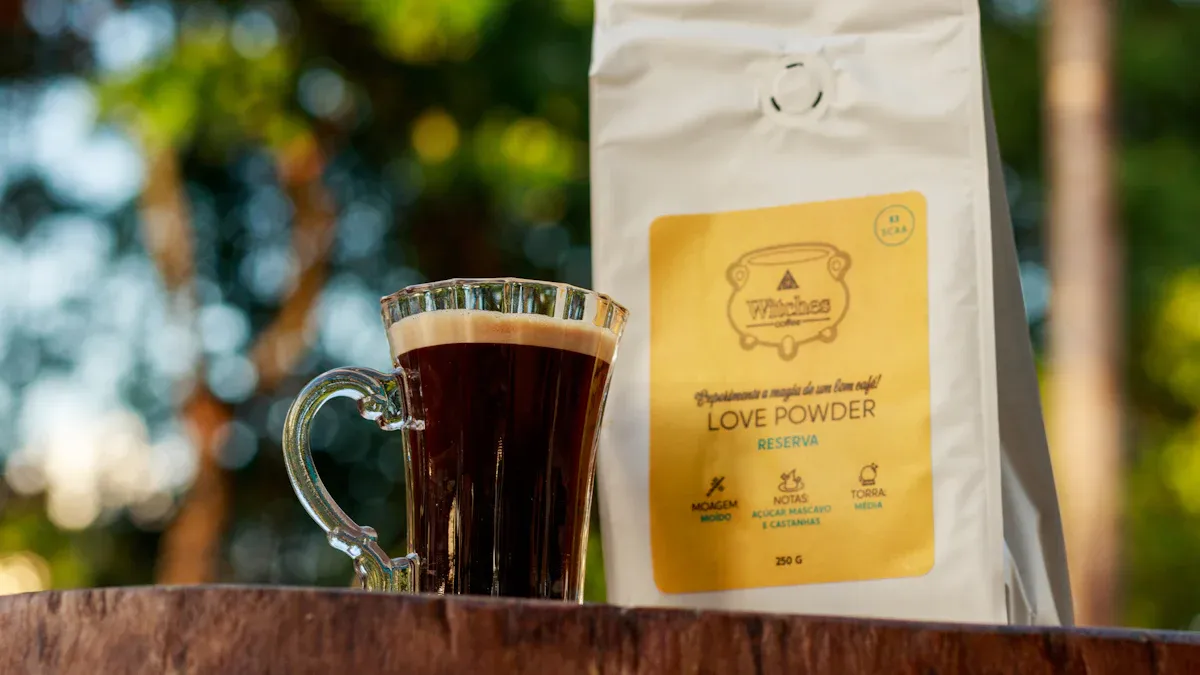
When you grab a coffee bag, you see more than beans. The bag’s design is important. It keeps your coffee fresh and helps the brand stand out. You want your coffee to taste good every time. Resealable bags are popular because you can close them after each use. This helps keep your coffee fresh longer.
Coffee bags have special valves. These valves let gases out but block air from getting in. This stops your coffee from going stale. Some bags have closures that are easy to use. You can open and close the bag without spilling. The bag’s look matters too. Fonts, colors, and pictures catch your eye and help you remember the brand. Some bags have a matte finish, which makes them feel fancy.
A good coffee bag design gives you fresh coffee and a brand you trust.
Resealable closures help keep coffee fresh.
Valves protect the flavor and smell.
Cool designs help brands connect with you.
Eco-friendly materials show the brand cares about the earth.
BN PACK’s Custom Coffee Bag Solutions
BN PACK knows what you want in coffee packaging. If you roast small batches or ship lots of coffee, BN PACK has choices for you. You can pick from many styles, sizes, and finishes. BN PACK offers resealable closures, one-way valves, and vacuum-sealed bags to keep coffee fresh.
Here’s how BN PACK helps different coffee businesses:
Feature | Small Roasters | Large Distributors |
|---|---|---|
Customization Options | Many choices for branding | Full customization for big orders |
Freshness Features | Resealable closures, one-way valves | Vacuum-sealed bags, degassing valves |
Eco-friendly Materials | Biodegradable options available | Sustainable packaging solutions |
Order Flexibility | Low minimum order amounts | Flexible bulk order options |
You can choose eco-friendly materials like compostable or biodegradable pouches. BN PACK even uses plant-based and hemp fiber packaging. These choices help the earth and attract customers who care about the planet. You get packaging that works for your coffee and matches your brand’s values.
BN PACK lets you make coffee packaging that keeps beans fresh, looks cool, and helps the planet.
Positive Impacts and Critiques
Building Community Bonds
You see how coffee shops do more than serve drinks. They help you connect with others and feel part of something bigger. When you walk into your favorite spot, you notice people talking, laughing, and sharing stories. These places bring together people from all walks of life. You might meet someone new or catch up with an old friend.
Coffee shops act as gathering spots where you can build relationships with people in your neighborhood.
Many shops support local businesses and artists. You often see art on the walls or local products for sale.
Some coffee shops host events like open mic nights or book clubs. These events help you meet others and feel proud of your community.
You become part of the coffee community just by showing up. Every visit gives you a chance to make new friends and support your town.
Addressing Challenges
You may also notice that not everything is perfect in the world of coffee shops. Some small shops struggle to stay open, especially in big cities. High rent and rising costs make it hard for independent owners. Sometimes, large chains move in and push out local favorites.
Gentrification can force out small coffee shops, especially when rent goes up in popular areas.
Economic rules often help big investors and landlords, making it tough for small businesses to survive.
Changes in real estate prices can hurt shop owners who want to stay in the same spot.
You might see your favorite coffee shop close because of these challenges. It can feel like a loss for the whole community. Still, many people work hard to keep their local coffee spots alive. They know how much these places mean to everyone.
Coffee shops shape your daily life. They give you a place to belong, but they also face real struggles. When you support your local shop, you help keep the coffee community strong.
Future of Coffee Community Spaces
Emerging Trends
You might notice that coffee shops are changing fast. When you walk into a café in Denver in 2025, you step into a place where every detail tells a story. These shops want you to feel part of something bigger. They are not just about serving coffee. They create spaces where you can relax, meet friends, or even enjoy art and music.
Many new coffee shops focus on making you feel welcome. They blend art, music, and even special lighting to make your visit special. Some shops use technology like smart brewing devices or even drone deliveries to make things easier for you. You might see menus on tablets or get personalized drink suggestions. Even with all this tech, the best shops still care about real human connection. Baristas greet you by name and remember your favorite drink.
You see more cafés turning into places where you can escape daily stress. Millennials and Gen Z love these spots because they offer more than just coffee. They want a place to hang out, work, or join fun events. Coffee shops now host art classes, book clubs, and even skill-building workshops. These activities help you meet new people and learn new things.
The future of coffee shops is about community, creativity, and making everyone feel included.
The Next Wave
You might wonder what comes next for coffee culture. Experts say the next wave will focus on three big things: technology, sustainability, and inclusivity. Coffee trends show that younger people want drinks that are easy to get and good for the planet. You will see more shops using eco-friendly cups and bags. Some will offer lower caffeine options for those who want a gentler drink.
Coffee shops will also keep growing in new places, like Asia and Eastern Europe. In these areas, coffee is becoming a lifestyle choice. You might see new flavors and styles pop up as people try to make coffee their own.
Inclusivity will matter more than ever. Some shops already offer programs to help people learn job skills or use new technology. Others run art classes or book clubs shaped by what the community wants. Owners and workers will work together to make sure everyone feels welcome.
Here are some ways future coffee shops might change:
More tech, like smart brewing and digital menus
Focus on eco-friendly and ethical choices
New flavors and lower caffeine drinks
More events and classes for the community
Spaces designed for everyone, no matter their background
Coffee shops will keep finding new ways to bring people together. You will always find a place to connect, learn, and enjoy your favorite drink.
You notice how coffee shops, roasters, and smart packaging all help your local coffee culture grow. Coffee brings people together. Shops become places where you can learn new things, relax, and share stories with friends. Backporch Coffee Roasters gives you fresh coffee and helps people make real connections. BN PACK’s coffee bags keep your coffee fresh and help the planet by using eco-friendly choices. You see new coffee trends, like labels that focus on health and packaging that is better for the earth. Coffee shops now have tours and events that make your visit special. Coffee keeps changing, but it always helps you feel like you belong in a community.
Coffee shops teach you and help you learn about other cultures.
Coffee packaging uses materials that are good for the earth.
Cafes help you see how coffee is made.
The future of coffee culture is exciting. You will always find a place to drink coffee and meet new people.