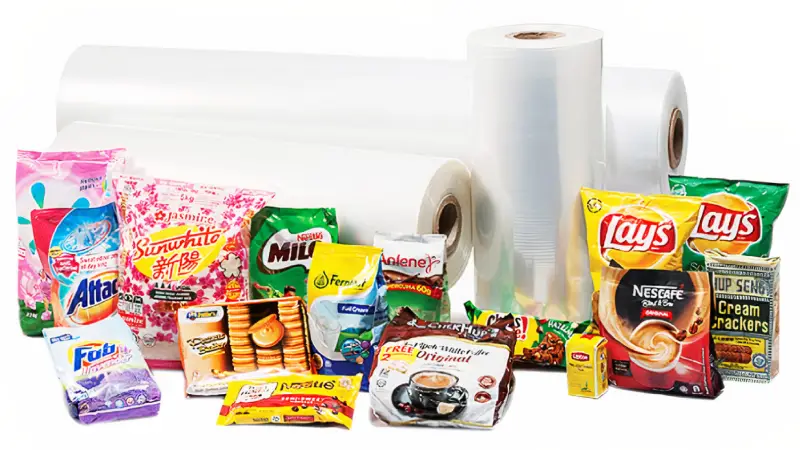
You want to choose the best film for your packaging. BOPP vs. CPP Films often comes up in this decision. BOPP films work well for snack bars, frozen foods, dairy products, and even labels for pharmaceuticals and personal care items. These films make up about 80% of flexible plastic packaging worldwide. CPP films offer different strengths for other packaging needs. Understanding the differences helps you pick the right film for your product.
BOPP vs. CPP Films: Quick Guide for Packaging
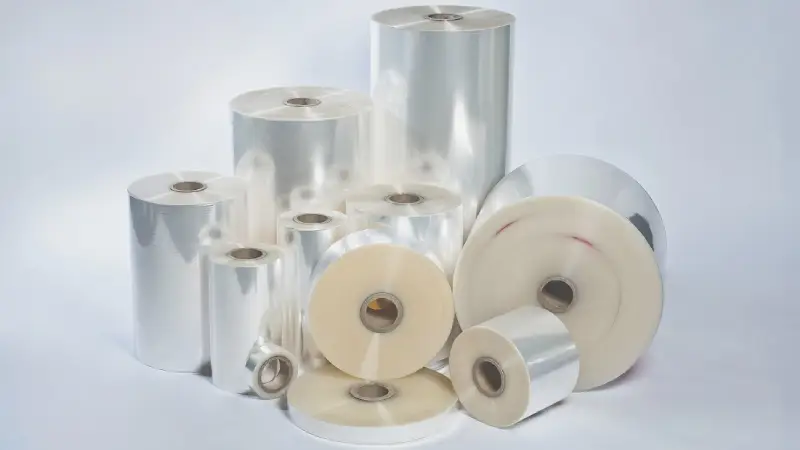
Picking between BOPP and CPP films can be tricky. You want your product to stay safe and look nice. You also want it to reach customers in great shape. This guide will help you choose the right polypropylene plastic film for your packaging.
Tip: Start by thinking about what your product needs. Does it need strong protection? Or do you need a film that is easy to seal and bend?
When to Use BOPP in Packaging
BOPP film is best when you want strong, clear, and moisture-proof packaging. BOPP means biaxially oriented polypropylene. This film is stretched in two ways during making. That makes it tough and gives it a shiny, clear look.
BOPP is great for:
Snack foods and bakery items that must stay fresh.
Labels and overwraps that need to look good and protect products.
Personal care, cosmetics, and pharmaceutical products that need a barrier from moisture and oxygen.
Here is a quick comparison of important factors:
Factor | BOPP Film |
|---|---|
Manufacturing Process | Biaxial orientation, more complex |
Strength and Durability | High tensile strength, puncture resistant |
Barrier Properties | Excellent moisture barrier |
Physical Properties | High transparency, strong ink adhesion |
Heat Sealing Performance | Needs coating for sealing |
You will see BOPP in food packaging, labels, and some industrial uses. It keeps snacks, bakery goods, and candy safe from moisture and oxygen. It also helps personal care and pharmaceutical products stay safe and look good on shelves.
When to Use CPP in Packaging
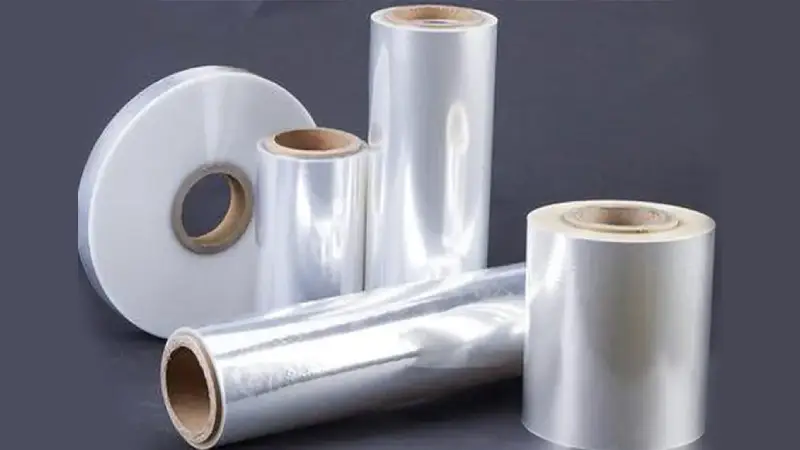
CPP film is good if you want flexible, easy-to-seal, and cheaper packaging. CPP stands for cast polypropylene. This film is made with a simpler process, so it costs less.
CPP is best for:
Food packaging that needs strong heat seals, like ready meals, bakery items, and fresh produce.
Medical supplies, such as disposable gowns, drapes, and hygiene products.
Industrial uses, like adhesive tapes, textile packaging, and flower wrapping.
Here is a quick look at how CPP compares:
Factor | CPP Film |
|---|---|
Manufacturing Process | Cast extrusion, simpler and cheaper |
Strength and Durability | Good tear resistance, lower tensile strength |
Barrier Properties | Average, best for products with low protection needs |
Physical Properties | Better stretching, less transparent |
Heat Sealing Performance | Excellent, does not require coating |
Pick CPP if you want a film that seals easily and works for products that do not need a strong barrier. CPP is popular for fresh foods and medical items because it is flexible and easy to seal.
Note: If you want a film that is strong and easy to seal, you can use both BOPP and CPP together in layers. This gives you the good parts of both films.
Main Decision Points
Pick BOPP for clear, strong, and moisture-proof packaging.
Pick CPP for flexible, easy-to-seal, and cheaper packaging.
Think about what your product needs, your machines, and your budget.
The bopp vs. cpp films choice depends on your product’s needs. Both are types of pp, or polypropylene, and both are important in packaging today. If you know what each film does best, you can pick the right one for your business.
What Are BOPP and CPP Films?
BOPP Film Overview
You see BOPP film in snack, label, and personal care packaging. BOPP means biaxially oriented polypropylene. Makers use homopolymer polypropylene as the main material. They add things like stiffening agents and anti-static agents. Lubricants and filler masterbatch are also added. This mix gives BOPP film special features.
BOPP film is stretched in two directions during making. This makes the film strong and clear. It has a shiny look and a smooth surface. This helps with printing and labeling. The film is clear and stiff. It keeps out moisture and chemicals well. You can recycle BOPP film to help cut down on waste.
Some main features of BOPP film are:
Good transparency
High gloss
Good stiffness
Good moisture resistance
Excellent heat resistance
Easy heat sealing
BOPP film has a density close to 0.90 g/m. It is strong and seals fast. These things make it a top pick for plastic film packaging.
CPP Film Overview
CPP film is another kind of PP plastic film. CPP stands for cast polypropylene. You find CPP film in food, medical, and industrial packaging. It is made by cast extrusion, which is easier than making BOPP film.
CPP film feels softer and bends more than BOPP. You can seal CPP film easily with heat. This is good when you need strong seals. CPP film works for products that do not need a strong barrier. You see CPP film in bakery, fresh produce, and hygiene packaging.
Here is a quick comparison table:
Property | BOPP Film | CPP Film |
|---|---|---|
Transparency | High | Moderate |
Flexibility | Moderate | High |
Heat Sealing | Needs coating | Excellent |
Moisture Barrier | Good | Average |
Printing Surface | Smooth | Smooth |
BOPP and CPP films have different good points. Both types of polypropylene film are important for packaging. You can pick the best film by thinking about your product and what each film does.
Manufacturing Process
BOPP Film Production
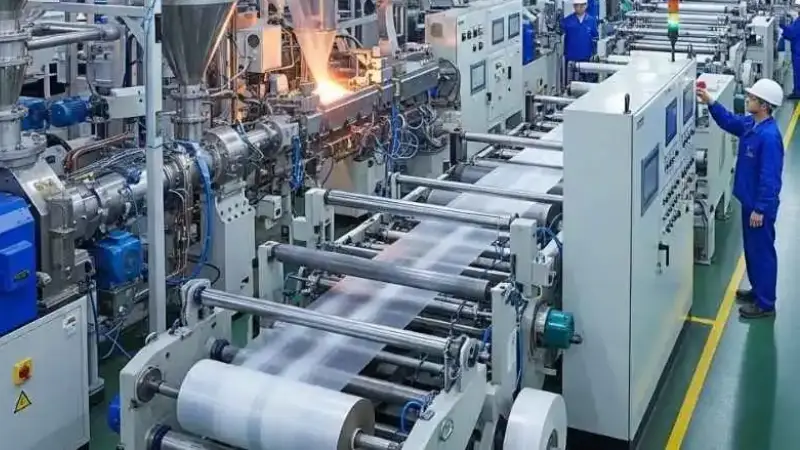
You might wonder how manufacturers create bopp film with such strong and clear qualities. The process for making biaxially oriented polypropylene film involves several important steps. Each step changes the film’s properties and helps it work well for packaging. Here is a simple table to show you the main stages:
Step | Description |
|---|---|
Polymerization | Makers turn propylene gas into polypropylene resin using chemical reactions. |
Extrusion | They melt the resin and push it through a die to form a plastic film, then cool it to make it solid. |
Biaxial Orientation | The film gets stretched in two directions, which makes it stronger and more stable. |
Surface Treatment | The surface is treated to help printing and lamination stick better. |
Slitting and Finishing | The film is cut into rolls and checked for quality before shipping. |
This process gives bopp film its high strength, clarity, and moisture barrier. Stretching the film in both directions is what sets it apart from other types of plastic film. You get a product that works well for many packaging needs.
CPP Film Production
CPP film uses a different method. You start with polypropylene resin, just like with bopp. Instead of stretching, you melt the resin and push it through a flat die. The melted plastic lands on chill rolls, which cool it quickly. This cast extrusion process shapes the film and affects its look and feel.
You can change the film’s properties by adjusting the die and chill-roll temperatures. Higher die temperatures can make the film glossier and clearer. If you raise the chill-roll temperature, you get better transparency and gloss, but the film may become less stiff. Since cpp film is not stretched, you can customize it for color, thickness, or surface finish. This makes cpp film a good choice for many types of plastic film packaging.
Note: The main difference in the bopp vs. cpp films process is stretching. Bopp film is stretched in two directions, while cpp film is not. This gives each type of pp film its own strengths for packaging.
BOPP vs. CPP Films: Key Differences
Clarity and Appearance
You want your packaging to look attractive and professional. Clarity and gloss play a big role in how your product appears on the shelf. BOPP film gives you high transparency and a shiny surface. This makes colors pop and graphics stand out. CPP film looks less clear and has a softer shine. If you need your product to be seen clearly, BOPP film is the better choice.
Here is a quick look at haze and gloss values for both films:
Property | Value | Unit |
|---|---|---|
Haze | ≤2.0 | % |
Gloss | ≥85 | % |
BOPP film usually meets these values, giving you a crisp and glossy finish. CPP film often has higher haze and lower gloss, so it looks more matte and less see-through. If you want your packaging to catch the eye, BOPP film works best.
Heat Sealing Performance
Heat sealing is important for keeping products safe and fresh. You need a film that seals well and holds strong. CPP film stands out for its excellent heat sealability. It softens at about 140°C, which means you can seal it quickly and easily. This makes it a top pick for food packaging that needs a tight seal.
CPP films have a softening point of about 140°C, showing good heat resistance.
You can seal CPP film without special coatings.
BOPP film needs a coating or a special layer to seal well.
If you use machines that seal at lower temperatures, CPP film saves you time and energy. BOPP film works for sealing too, but you may need extra steps or coatings.
Mechanical Strength and Flexibility
You want your packaging to protect your product during shipping and handling. BOPP film gives you high strength and stiffness. It resists tears and punctures, so your product stays safe. CPP film feels softer and bends more easily. It stretches without breaking, which helps with flexible packaging.
BOPP film is strong and stiff. It holds its shape well.
CPP film is soft and flexible. It bends and stretches without tearing.
If you need a film that stands up straight and keeps its shape, choose BOPP. If you want a film that wraps tightly and moves with your product, CPP film is a good pick.
Barrier Properties
Barrier properties keep out oxygen and moisture. This helps your product stay fresh longer. BOPP film gives you strong protection against water vapor and oxygen. This is important for food and drinks. The film’s durability and flexibility help it resist cracks and holes, even when temperatures change.
BOPP film’s barrier properties help extend shelf life. You can trust it to keep snacks, candy, and other foods safe. CPP film offers average barrier protection. It works for products that do not need a long shelf life.
Oxygen Transmission Rate (OTR) shows how much oxygen passes through the film. Less oxygen means less food spoilage.
Moisture Vapor Transmission Rate (MVTR) tells you how much water vapor gets in. Lower MVTR means your product stays dry.
Reducing oxygen and moisture helps keep food safe and fresh.
If you need strong barriers for your packaging, BOPP film is the better choice.
Dead-Fold and Handling
Dead-fold means the film stays folded when you crease it. This is important for some packaging, like candy wraps or labels. BOPP film holds folds well. It stays in place and keeps its shape. CPP film does not hold folds as well. It feels softer and returns to its original shape.
Here is a table to compare dead-fold and handling:
Property | BOPP Film | CPP Film |
|---|---|---|
Dead-Fold Performance | Excellent (stays folded well) | Inferior (does not dead-fold well) |
Stiffness | Stiffer and stronger | Softer and more pliable |
Dimensional Stability | Suitable for applications requiring stability | Less stable due to softness |
Heat Sealability | Good | Superior |
Applications | Labels, tapes, printing, lamination | Heat-sealable inner layer in flexible packaging |
BOPP film works best for labels, tapes, and wraps that need to stay folded. CPP film is better for flexible packaging that needs to seal well but does not need to hold a fold.
Tip: If you want the best of both worlds, you can use BOPP and CPP films together in a multi-layer structure. This gives you strength, clarity, and easy sealing.
When you compare bopp vs. cpp films, you see that each type of polypropylene plastic film has its own strengths. BOPP film gives you clarity, strength, and barrier protection. CPP film offers flexibility, easy sealing, and lower cost. Think about your product, your packaging needs, and your machinery before you choose. Both types of pp plastic film play a big role in modern packaging.
BOPP vs. CPP Films in Packaging Applications
Common Uses for BOPP
BOPP plastic film is used in many places. Snack food makers wrap chips, cookies, and candy bars with it. The film keeps water out and helps snacks stay fresh. You also see BOPP on labels for bottles and jars. It gives products a shiny and clear look. Personal care brands use BOPP to pack wipes and cotton pads. Pharmaceutical companies pick BOPP for pill bottles and blister packs. It protects pills from water and air. BOPP is good for wrapping gift boxes and cartons. It gives strong protection and looks professional.
Industry | Example Products |
|---|---|
Food | Snack bags, bakery wraps |
Consumer Goods | Labels, wipes, cosmetics |
Pharmaceuticals | Pill bottles, blister packs |
Common Uses for CPP
CPP plastic film is flexible and seals easily. You see it used for fresh fruits, bakery items, and ready meals. CPP works for medical supplies like gowns and drapes. Textile companies wrap clothes and fabrics with CPP. Flower shops use CPP to wrap bouquets. The film bends and seals fast. CPP is also used for tapes and liners in factories. You get a soft film that stretches and protects products. It does not cost much.
Industry | Example Products |
|---|---|
Food | Bakery bags, produce wraps |
Medical | Gowns, drapes, hygiene items |
Industrial | Tapes, textile packaging |
Metallized Films and Special Applications
Metallized BOPP and CPP films add shine and extra protection. You see metallized film in snack bags that block light and air. This helps food last longer. Drug companies use metallized films in blister packs. They keep pills safe from water and dirt. Metallized films also protect medical supplies. In electronics, metallized film shields cables and parts from harm. You see metallized films in frozen food bags, vegetable wraps, and gift boxes. Tea and candy makers use metallized films to make products look nice and stay fresh.
Food and drinks: Snack bags, frozen foods, vegetables
Medicine and medical supplies: Blister packs, hygiene products
Factories and electronics: Cable covers, electronic parts
Consumer goods: Tea, candy, gift boxes
Tip: Pick metallized BOPP or CPP films if you want better protection and a fancy look for your packaging.
Choosing Between BOPP and CPP for Packaging
Product and Barrier Needs
You need to pick the right film for your product. Some products need strong protection from water and air. Others only need simple coverage. Look at the table to see how barrier properties matter:
Film Type | Barrier Properties | Suitable Applications |
|---|---|---|
BOPP | Superior moisture-proof and oxidation-resistant | Ideal for preserving perishable items like food |
CPP | Average barrier properties | Suitable for applications with lower protection requirements |
If you pack food or things that spoil fast, use BOPP film. It keeps out water and air very well. For bakery goods or medical wraps, CPP film is enough. These do not need a strong barrier. Always think about how long you want your product to last.
Machinery and Sealing Compatibility
Check if your machines work with the film you pick. Some machines seal at high heat. Others seal at lower heat. BOPP film often needs a special layer to seal well. CPP film seals easily and does not need extra layers. If you want quick and easy sealing, CPP film is a good choice. You can also use both films together in layers to get the best of both.
Tip: Try both films on your machines before you buy a lot. This helps you find problems before you start making many packages.
Cost and Sustainability
You want to save money and help the planet. CPP film costs less to make and is fully recyclable. It is better for the environment than many other plastics. Companies now use recycled content and closed-loop systems to help the earth. BOPP film is also recyclable, but it is harder to recycle if mixed with other materials. Both films help cut down on landfill waste and support recycling.
Film Type | Recyclability | Environmental Impact |
|---|---|---|
BOPP | Recyclable but faces challenges due to contamination and multi-material laminates | Can reduce landfill waste and conserve resources, but has issues with multi-material laminates and consumer awareness |
CPP | 100% recyclable | More sustainable than other polymers, helps fulfill Extended Producer’s Responsibility (EPR) goals, and is biodegradable when laminated with BOPP |
You can recycle used BOPP packaging by sorting, shredding, washing, melting, and reusing it. This turns old film into new things like car parts or clothes. Picking the right polypropylene film helps your business and the environment.
You can look at the table below to compare plastic films. BOPP is best for snacks and labels. CPP is good for bakery, pasta, and medical wraps. Picking the right film for your product is important. It helps your packaging work well. Start by knowing what your product is. Think about what could harm it. Make sure the film fits your packaging process. Think about how long your product should last. Also, check how the package looks. Ask packaging suppliers for help and advice. They can tell you about protection and barrier needs. They can help with printing and testing the film. This makes it easier to pick the right film for your packaging.
Film Type | Advantages | Common Uses |
|---|---|---|
BOPP | High stiffness & clarity, Excellent printability, Good moisture barrier, Runs smoothly on high-speed lines | Snack food packaging, chips, biscuits, confectionery wraps, labels, stationery overwraps |
CPP | Softer & more flexible, Superior seal strength, Withstands higher temperatures, Works well in laminates | Bakery products, pasta & rice packs, textile overwraps, retort pouches, stationery & flower wraps, medical wraps |