You have an important choice to make between PCR vs. virgin plastic for your brand. What matters most to you—cost, strength, or being eco-friendly—will help you decide. Customers now want brands to use more recycled materials, especially in beauty products.
In 2023, brands used 1.8 million metric tons of recycled resin. This number went up from 1.6 million the year before. The use of virgin plastic went down by 4%, marking the biggest drop since 2018.
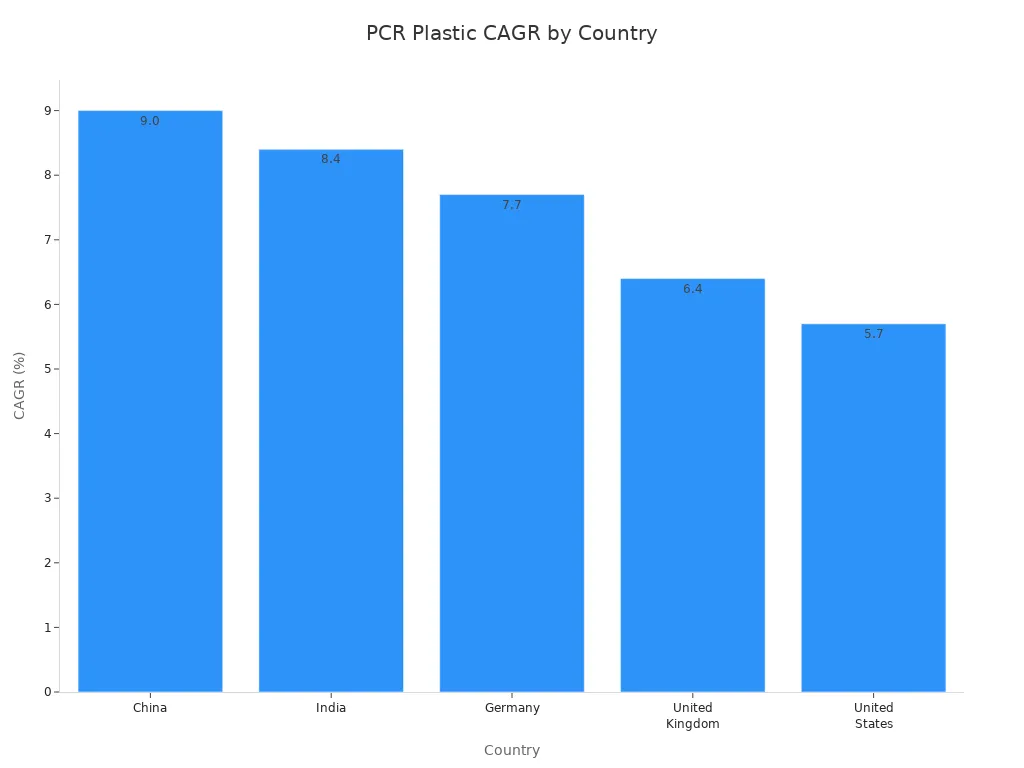
Country | PCR Plastic CAGR | Comparison to Global Rate |
|---|---|---|
China | 9.0% | 1.34× |
India | 8.4% | 1.25× |
Germany | 7.7% | 1.15× |
United Kingdom | 6.4% | Below Global Average |
United States | 5.7% | 0.85× |
Surveys show that using recyclable packaging can enhance your brand’s image. New regulations and your brand’s future value are also crucial factors to consider when choosing between PCR vs. virgin plastic.
PCR vs. Virgin Plastic: Key Differences
What Is PCR?
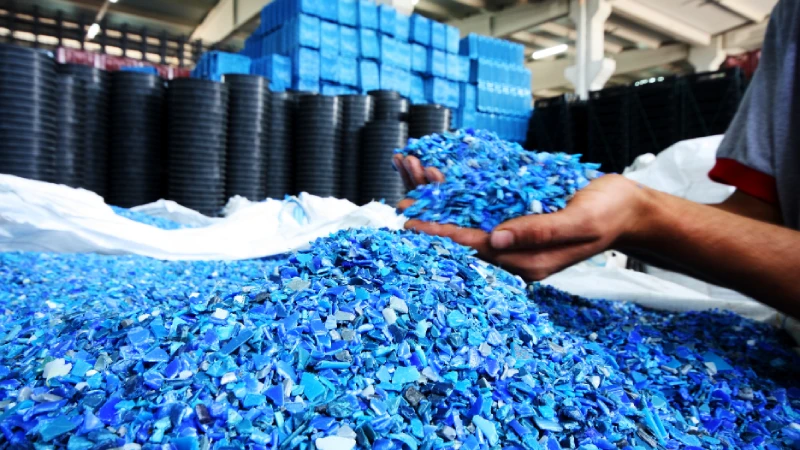
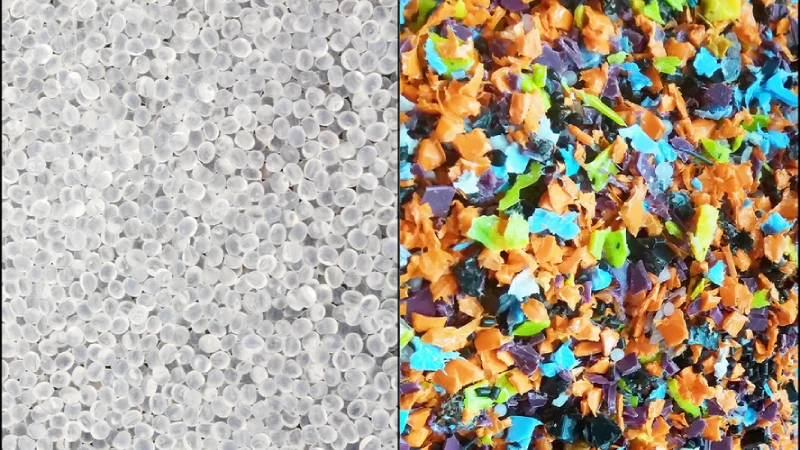
PCR means post-consumer recycled plastic. People collect used plastic items like bottles and containers. Factories clean and melt this plastic. Then, they turn it into new things. Using PCR keeps more plastic out of landfills. The amount of PCR in packaging has doubled since 2019. Now, it is about 10.7%. Many industries use PCR. These include food, transportation, consumer goods, and medicine.
What Is Virgin Plastic?
Virgin plastic comes from raw materials like oil or gas. Making it uses a lot of energy. Virgin plastic looks very clear and clean. It is pure and always the same quality. Many companies use it for packaging. It is easy to shape and does not have recycled parts.
Main Distinctions
PCR and virgin plastic are different in many ways. They come from different sources and are made in different ways. They are also used for different things. The table below shows how they are not the same:
Aspect | PCR Plastic | Virgin Plastic |
|---|---|---|
Material Source | Made from repurposed plastic waste | Derived from non-renewable fossil fuels |
Environmental Impact | Lower impact, reduces reliance on fossil fuels | Higher impact due to fossil fuel extraction |
Energy Consumption | Generally requires less energy to produce | Energy-intensive production process |
Material Consistency | May have variations in properties | High purity and consistency |
Quality & Appearance | Possible color variations and imperfections | Clean and clear appearance |
Waste Reduction | Reduces plastic waste by repurposing materials | Contributes to increasing plastic waste |
Note: PCR plastic packaging is growing fast in the U.S. It could reach $47.48 billion by 2033. More companies use PCR to meet what customers want and help their brand.
When you look at PCR vs. virgin plastic, PCR helps recycling and the planet. Virgin plastic is strong and pure but not as good for the earth. You should pick what fits your brand best.
Cost Comparison
Cost of PCR
PCR plastic usually costs more than virgin plastic. There are extra steps that make PCR more expensive. Workers collect used packaging from homes and stores. Recycling centers sort and clean the plastic. These steps need special machines and take time. Sometimes, food or glue sticks to the plastic. This makes cleaning harder. Material Recovery Facilities, or MRFs, have problems like dirty plastic and mixed recycling. These problems can lower the quality of recycled plastic. They also make it harder to get enough PCR plastic.
Here are some reasons why PCR plastic costs more:
Extra steps like collecting, sorting, and cleaning are needed.
Food or glue can make recycling harder.
Not all places have advanced sorting machines.
Packages come in many shapes and sizes.
Strict rules for packaging make it tough for PCR to compete.
Even with these problems, many brands pick PCR plastic for packaging. Using PCR helps cut down on plastic waste. It also supports recycling.
Cost of Virgin Plastic
Virgin plastic is made from oil or gas. Factories use lots of energy to make it. The price of virgin plastic changes with oil prices and supply chain problems. Virgin plastic is usually cheaper than PCR plastic. It does not need extra cleaning or sorting. It is easy to find and there is plenty of it.
Here is a table showing the average cost per tonne in big markets:
Type of Plastic | Cost per Tonne (USD) |
|---|---|
Virgin Plastic | $700 – $1,200 |
PCR Plastic | Potentially lower due to EPR bonuses |
Sometimes, PCR plastic costs less if there are bonuses. These bonuses come from rules called Extended Producer Responsibility, or EPR. EPR rewards brands for using more recycled materials.
Price Gap and Market Trends
The price gap between PCR and virgin plastic changes over time. In the last five years, recycled plastics sometimes cost more than virgin plastics. Buyers often pay 10% to 20% more for recycled plastics. If the price goes over 20% more, fewer people buy it. New laws in places like California need more PCR in packaging. These rules may make prices go up.
Evidence | Description |
|---|---|
RPET Pricing | RPET prices often follow virgin prices but sometimes cost more. |
Current Market | Recycled plastics now cost much more than virgin ones. |
Price Sensitivity | Buyers pay 10%-20% more for recycled plastics, but buy less if the price goes higher. |
Legislative Impact | New rules in states like California may make PCR prices go up. |
Problems in the supply chain can also change prices. If there is not enough PCR plastic, prices go up. Virgin plastic is easier to get, so its price stays lower.
Type of Plastic | Supply | Demand | Availability Impact | Price Impact |
|---|---|---|---|---|
PCR Plastic | 6% | High | Not enough available | Higher prices |
Virgin Plastic | N/A | N/A | Easy to get | Lower prices possible |
Experts think new rules will make more people want PCR plastic. This could make prices go up next year. The market for PCR plastic packaging is growing fast. Experts think it will grow from $21.28 billion in 2025 to $51.84 billion by 2034. This is because more people care about the environment. New laws also help support sustainable packaging.
Long-Term Value for Brands
You may ask if paying more for PCR plastic is worth it. The answer depends on what your brand wants. The cost difference between PCR and virgin plastic is getting smaller. Brands that use PCR plastic can save money over time. Using recycled materials helps you follow new rules. It also makes your brand look good to people who care about the planet.
Many companies want to use at least 25% PCR in packaging by 2025. Over 10 million tonnes of post-consumer plastics have been recycled lately. More than 5.5 million tonnes have become new PCR plastic. This helps create a circular economy and cuts down on plastic waste.
Tip: Picking PCR plastic for your packaging can make your brand stronger and help you stand out.
When you compare PCR and virgin plastic, PCR costs more at first. But it gives your brand and the planet long-term benefits. As more brands use PCR, the price difference may get even smaller. You can help lead the way in sustainable packaging by choosing PCR plastic.
Strength and Performance
Virgin vs. Recycled Plastic Strength
You might wonder if PCR is as strong as virgin plastic. Some people think recycled plastic is weak or breaks fast. This is not always right, but there are real differences. Lab tests show PCR plastic is not as strong as virgin plastic. It also bends less and flows slower when melted. Virgin plastic is made from new materials, so it is stronger and bends more. PCR plastic comes from old items, so its strength can change.
Property | PCR Plastic | Virgin Plastic |
|---|---|---|
Tensile Strength | Lower | Higher |
Tensile Modulus | Lower | Higher |
Viscosity | Lower | Higher |
These differences do not mean PCR is always a bad pick. Many brands use PCR for things that do not need to be super strong.
Durability in Packaging
How long packaging lasts is important. PCR plastic can work well, but it depends on how clean and good the recycled plastic is. Sometimes, PCR needs to be thicker to be as strong as virgin plastic. For example, a film with 40% PCR might need to be thicker than one made only from virgin plastic. PCR packaging works well for many things, but it can look different. Some brands worry about color changes or small marks, even if it works fine.
How long PCR packaging lasts depends on how clean and good the recycled plastic is.
PCR may need to be thicker to be as strong as virgin plastic.
A film with 40% PCR often needs more thickness than a virgin film.
PCR packaging works well for many things, but some people see color changes or marks.
Tip: If you want your packaging to last and look nice, try different PCR levels to find what works best.
Strength Adjustment for PCR
You can make PCR plastic stronger by changing how you make it. Mixing raw materials before melting helps make the plastic more even. You should control how the plastic melts and mixes to get a good blend. PCR from milk bottles melts at a higher heat and is thicker, so you need to change your process. Using longer machines helps mix better, while shorter ones make the plastic melt for less time.
Here are ways to make PCR work better:
Mix raw materials before melting for a better blend.
Control how the plastic melts and mixes to balance PCR and virgin plastic.
Use longer machines for better mixing or shorter ones for less melting time.
Pick lower density virgin plastic to balance the higher density of PCR.
Try different PCR levels to find the best mix for your product.
Use special tools and machines to keep the plastic clean and flowing well.
You can make PCR as strong as virgin plastic by making these changes. This helps you use more PCR without losing quality.
Quality Consistency
Having the same quality every time is important for your brand. Virgin plastic always looks and works the same. PCR plastic can feel and look different because it is recycled. You might see changes in how clear or colorful it is, especially if you use more PCR. Some suppliers make better PCR than others. New recycling machines help make PCR more like virgin plastic, but you might still see small changes.
You should test PCR from different suppliers to find what works best for you. If you want packaging that is very clear and clean, virgin plastic may be better. If you want to show you care about the planet, PCR is a good choice.
Note: As recycling machines get better, PCR plastic will become more steady and good for brands.
When you compare PCR and virgin plastic, PCR can work for many packaging needs if you change thickness and how you make it. You can get good strength and lasting power with PCR, but you need to check quality and make sure it stays the same.
Sustainability Impact
Environmental Benefits of PCR
When you pick PCR plastic, you help the earth. Making PCR plastic uses less energy than making new plastic from oil or gas. This choice keeps more plastic out of landfills. It also means less trash in the world. Studies show PCR plastic can lower CO2 by up to half compared to virgin plastic. The table below shows how much less CO2 is made:
Study | Reduction in CO2 Emissions |
|---|---|
Saleem et al. (2023) | 22.6% lower than virgin material |
Hidalgo-Crespo et al. (2022) | Nearly 50% less than virgin resin |
You also use fewer resources with PCR. It takes less energy to process recycled plastic than to make new plastic. By using PCR, you help recycling and protect nature.
Carbon Footprint Comparison
PCR plastic has a much smaller carbon footprint than virgin plastic. Using one ton of PCR can cut CO2 by 79-86% compared to virgin plastic. For example, a laptop case with 40% PCR and 60% virgin plastic makes 30% less CO2 than one made only with virgin plastic. Recycling one ton of waste plastic saves six tons of oil. It also cuts three tons of carbon dioxide. This shows PCR plastic is a smart pick for brands that want to be green.
Circular Economy and Brand Image
PCR plastic is important for the circular economy. It uses recycled materials from things people throw away. This means we need less new plastic. The Ellen MacArthur Foundation says a circular economy could cut plastic pollution by 80% by 2040. Using PCR in packaging can lower harm to the earth by half. When you use sustainable materials, you show you care about the planet. Many people want brands that use recycled packaging. This choice makes your brand look better and shows you care about the earth.
Tip: Picking PCR plastic for your packaging helps you reach your green goals and makes your brand a leader in using eco-friendly packaging.
Practical Considerations for Brands
Regulatory Compliance
You must follow new packaging rules. Many places now want a certain amount of recycled content. For example:
The EU’s Packaging and Packaging Waste Regulation (PPWR) says you need some recycled content by 2030. The target gets higher by 2040. Some things, like healthcare packaging, have extra safety rules.
In China, you must meet two waste rules. You need at least 10% recycled content in products. You also need over 10% in main packaging or more than 30% in extra packaging.
The EU has special rules for packaging that touches food or drinks. By 2030, PET packaging must have at least 30% recycled content. This goes up to 50% by 2040. Other plastics must reach 10% by 2030 and 25% by 2040.
You can get certifications to prove you follow these rules. The APR PCR Certification program checks your recycled content. This helps you show you meet the law. It also helps people trust your brand. Certifications help keep the recycled plastic market strong.
Consumer Perception
Customers care about the earth. Using PCR in your packaging shows you support recycling. It also shows you care about nature. Certifications help prove your claims are true. They protect your brand’s good name. You must follow new laws and show your packaging is good quality. Using PCR can make your brand look better. It can help you get more buyers who care about the planet.
Tip: Clear labels and certifications help shoppers trust your products.
Design Flexibility
You might think PCR limits your design choices. The table below shows the main good and bad points:
Advantages | Disadvantages |
|---|---|
Environmental Sustainability | Limited Supply |
Conservation of Resources | Quality and Performance Limits |
Regulatory Compliance | |
Cost Efficiency | |
Positive Brand Image |
You can make special packaging with PCR. But you may have fewer choices for color or how clear it looks. Virgin plastic gives you more ways to change how your package looks and works. Still, using PCR helps you follow rules. It also helps your brand look good.
You need to pick between PCR and virgin plastic. PCR helps the planet by making less pollution. It uses less energy and makes less trash. Virgin plastic is stronger and always looks the same. The table below shows how they are different:
Aspect | Virgin Plastic | PCR Plastic |
|---|---|---|
Carbon Footprint | High | Low |
Energy Use | High | Lower |
Waste Generation | More | Less |
Using eco-friendly materials can make your brand look better. Products with ESG claims sell much faster. To begin, check your packaging and talk to PCR suppliers. Try new designs and ask customers what they think. Their ideas can help you decide what to do next.