
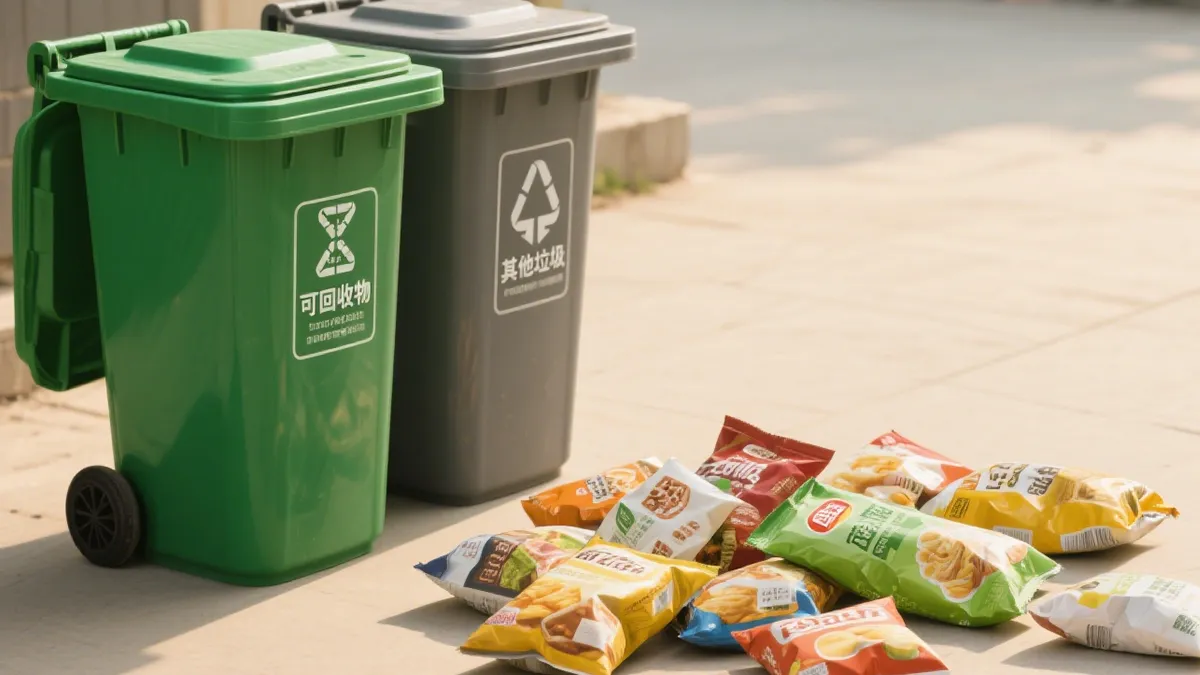
At BN Packaging, we understand the growing demand for eco-friendly solutions in the food industry. As food packaging bag manufacturers, one common question we hear is: Can food packaging bags be recycled?
In this article, we’ll break down the recyclability of food packaging bags, the challenges that come with it, and the sustainable innovations shaping the future of packaging. We’ll also share how we, as a manufacturer, contribute to more responsible and recyclable packaging solutions.
What Are Food Packaging Bags?
Definition and Types of Food Packaging Bags
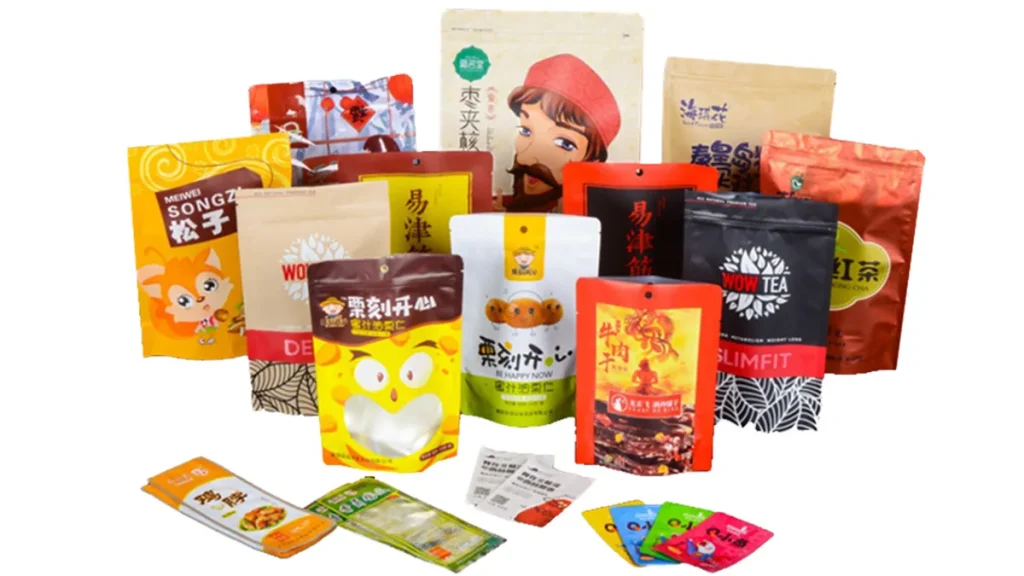
Food packaging bags are designed to store, protect, and preserve food products, ensuring their freshness and longevity. These bags come in various materials and structures depending on the type of food they need to package. Some common types include:
- Plastic Packaging Bags: Lightweight and cost-effective, these bags are commonly used for snacks, bread, and frozen foods.
- Composite Material Bags: Made from layers of different materials, such as plastic and aluminum, composite bags offer enhanced protection for food products, particularly those requiring longer shelf lives.
- Biodegradable Packaging Bags: An eco-friendly alternative, these bags are designed to break down more quickly than traditional plastic bags.
Common Materials Used in Food Packaging Bags
Food packaging bags can be made from a range of materials, including:
| Material | Properties | Common Applications |
|---|---|---|
| Polyethylene (PE) | Durable, flexible, and moisture-resistant | Used for bread, produce, and frozen foods |
| Polypropylene (PP) | Resistant to grease and oil, heat-resistant | Used for snack bags, cookies, and bakery items |
| Aluminum Foil | Provides excellent barrier against air and light | Common in chip bags and microwaveable meals |
| Biodegradable Plastics | Eco-friendly, compostable, and made from renewable resources | Used for organic food packaging |
The Importance of Recycling Food Packaging Bags
Environmental Impact of Non-Recycled Packaging
As manufacturers, we are deeply aware of the environmental impact of food packaging. When packaging bags are not properly recycled, they contribute to landfill waste, pollution, and environmental degradation. Plastic bags, in particular, can take hundreds of years to break down, posing significant threats to wildlife, especially marine creatures.
Benefits of Recycling Packaging Materials
Recycling food packaging bags offers several key benefits, including:
- Reduced Waste: Recycling helps divert waste from landfills, reducing the overall environmental footprint of food packaging.
- Resource Conservation: By reusing materials, we reduce the need for virgin materials, conserving natural resources such as oil, trees, and water.
- Energy Savings: Recycling generally consumes less energy than producing new packaging materials, helping to lower carbon emissions.
Are Food Packaging Bags Recyclable?
Material Types and Their Recyclability
Not all food packaging bags are recyclable. The recyclability of these bags depends on the material used, as well as local recycling infrastructure. Here’s a quick overview of the most common packaging materials and their recyclability:
| Material Type | Recyclable | Challenges |
|---|---|---|
| Plastic Bags | Yes, but difficult | Often contaminated with food residues, low collection rates |
| Composite Bags | No | Multiple materials layered together, difficult to separate |
| Biodegradable Bags | Yes (to an extent) | Require specific conditions to decompose fully |
Challenges in Recycling Food Packaging Bags
Recycling food packaging bags comes with several challenges:
- Contamination: Food residues such as oils, sugars, and other materials can make packaging difficult to clean, leading to contamination in the recycling process.
- Complexity of Materials: Composite bags, which are made from multiple layers of materials like plastic and aluminum, are difficult to separate and recycle.
- Infrastructure Issues: In many regions, there are limited facilities capable of processing food packaging bags, especially those made from mixed materials.
Recycling Process for Food Packaging Bags
The General Recycling Process
Recycling food packaging bags involves several key stages:
- Collection: Consumers and businesses drop off food packaging bags at designated recycling points.
- Sorting: Recycling facilities sort the bags based on their material types (e.g., plastic, biodegradable).
- Cleaning: Any contaminants, such as food remnants or oils, must be removed for the material to be recycled properly.
- Processing: The clean materials are then processed, often by shredding and melting, and turned into new products.
How Food Packaging Bags Are Sorted in Recycling Plants
In recycling plants, food packaging bags are typically sorted by machines that detect the material type. For plastic bags, facilities use specific equipment designed to process thin films. However, composite bags are more challenging to process, as the multiple materials require separation before they can be recycled.
| Recycling Stage | Plastic Bags | Composite Bags | Biodegradable Bags |
|---|---|---|---|
| Sorting | Easy to detect, often separated | Challenging to separate materials | Easier to identify but requires specific conditions |
| Cleaning | Contamination is a major issue | Difficult due to material layers | Biodegradable plastics may not need cleaning |
| Processing | Can be shredded and melted | Often ends up in landfills or waste incineration | May require composting rather than recycling |
How to Recycle Food Packaging Bags Properly
Steps for Properly Recycling Plastic Packaging Bags
As manufacturers, we believe it’s essential for consumers to understand how to properly recycle food packaging bags. Here are some steps to follow:
- Clean the Bags: Ensure that all food residues are removed before recycling.
- Check Local Recycling Guidelines: Some areas have specific collection points for plastic bags and other materials, so it’s important to follow local guidelines.
- Separate Composite Bags: If you’re dealing with composite bags, separate the different materials as best as possible, or contact your local recycling center for advice.
Where to Recycle Food Packaging Bags
Many grocery stores and supermarkets offer plastic bag recycling stations. Consumers can drop off their food packaging bags there, where they’ll be sent to specialized recycling facilities.
Innovations in Food Packaging and Recycling
New Eco-friendly Materials in Packaging
At BN Packaging, we are constantly exploring ways to innovate and provide sustainable packaging solutions. Recent innovations in the food packaging industry include:
- Compostable Packaging: Made from plant-based materials, these bags are designed to break down more easily than conventional plastics.
- Edible Packaging: Packaging made from natural, edible substances that can be consumed along with the food, eliminating the need for disposal altogether.
Technological Innovations for Better Recycling
Technological advancements are also helping to make food packaging bags more recyclable. New methods such as chemical recycling and advanced sorting systems are allowing for the processing of more complex materials like composite bags.
Case Studies: Countries Leading in Food Packaging Recycling
Examples of Recycling Success Stories
Countries such as the European Union and Japan have been at the forefront of promoting food packaging recycling. The EU, for example, has implemented strict regulations to ensure packaging waste is recycled. Japan has an efficient sorting system, which is one of the reasons why they have one of the highest recycling rates in the world.
Policy and Government Support for Recycling Initiatives
Governments across the world are increasingly enacting policies to support the recycling of packaging materials. These include incentives for businesses to use recyclable or biodegradable materials and fines for companies that fail to meet recycling standards.
Alternative Solutions to Traditional Food Packaging Bags
Reusable Packaging Options
As food packaging bag manufacturers, we are also exploring alternatives to traditional single-use packaging. Reusable options, such as cloth bags and glass containers, are gaining popularity among environmentally conscious consumers.
Edible Packaging and Other Eco-friendly Alternatives
One of the most exciting alternatives is edible packaging, which dissolves in your mouth after consumption, eliminating waste altogether. Such innovative solutions are pushing the boundaries of what is possible in sustainable packaging.
Future of Food Packaging Bags and Recycling
Trends in Food Packaging Sustainability
The future of food packaging bags lies in sustainability. We expect more manufacturers to adopt biodegradable materials, recyclable packaging, and innovative solutions that align with consumer preferences for eco-friendly products.
Role of Consumer Awareness and Participation in Recycling
As manufacturers, we rely on consumers to make informed decisions about how they dispose of packaging. Increasing awareness about the importance of recycling and the correct methods can significantly improve the recycling rates and reduce the environmental impact of packaging.
Conclusion
At BN Packaging, we are committed to offering sustainable food packaging solutions while addressing the environmental challenges associated with packaging waste. Although recycling food packaging bags presents challenges, it is possible to make a significant impact through innovation, consumer participation, and improved recycling systems. By working together, we can create a more sustainable future for the food packaging industry and the planet.