
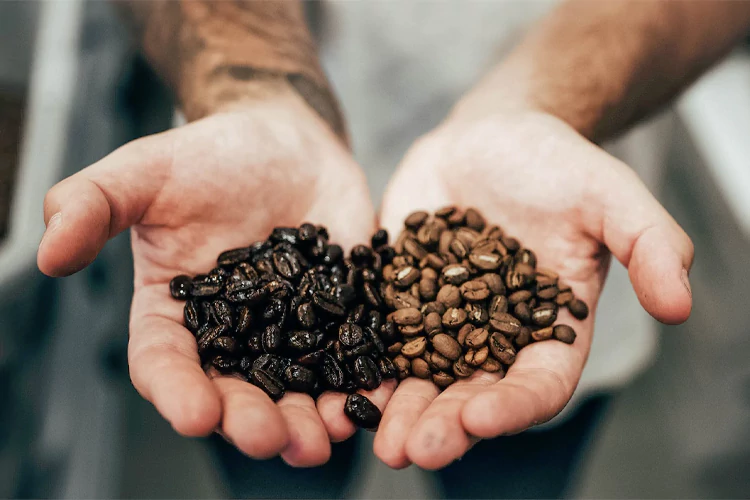
If you’ve ever opened a bag of coffee and noticed shiny, oily beans, you might’ve wondered: why are coffee beans oily? Is it a sign of freshness or a warning that your coffee is bad? The truth is, oily beans are totally normal—especially with darker roasts—and they play a big role in flavor and aroma. But not all oils are created equal: sometimes that gloss means the coffee is at its peak, and other times it could signal trouble. Stick around, and we’ll clear up the mystery behind those glossy beans, explain when oily coffee is good (or not), and share smart tips on how to treat them right.
Why Are Coffee Beans Oily?
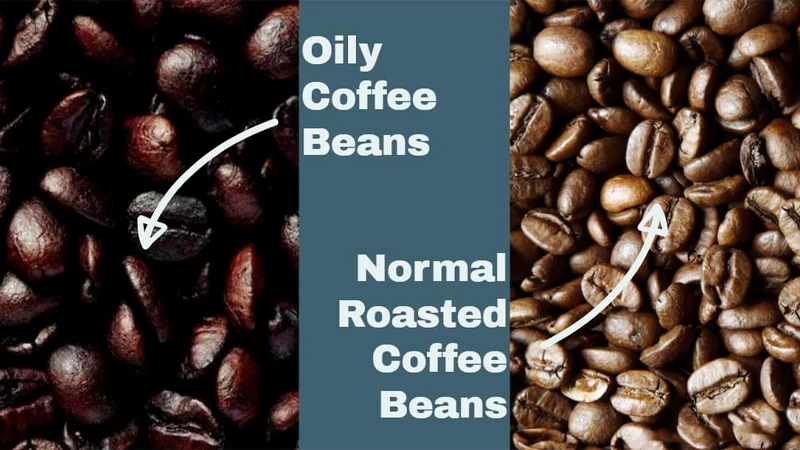
If you’ve ever opened a bag and seen shiny, slick beans and wondered, “Why are coffee beans oily, and is that bad?” you’re really just looking at natural oils in coffee beans doing their thing.
Natural Oils Inside Every Coffee Bean
Every coffee bean is packed with lipids (natural oils) locked inside its cell structure. These oils are where a lot of the flavor and aroma live:
- They carry notes like chocolate, nuts, caramel, and spice.
- They contribute to body and mouthfeel, especially in espresso.
- When you see coffee bean oil on the surface, it’s those same lipids that have migrated out.
In other words, fresh coffee beans oily on the surface are not “greasy junk” – they’re just showing you they’re rich in oils.
Roasting Forces Oils to the Surface
During roasting, beans heat up, expand, and their internal structure cracks. As roast level increases:
- Heat breaks down cell walls and pushes oils outward.
- CO₂ and internal pressure help move those oils toward the surface.
- The higher the roast degree, the more visible the coffee bean gloss.
That shiny look isn’t added oil; it’s the bean’s own coffee oil brought to the surface by roasting.
Light vs Medium vs Dark Roast: How They Look
Here’s a quick visual guide to roast level and oil appearance:
| Roast Level | Surface Look | Oil / Gloss Level |
|---|---|---|
| Light | Dry, matte, tan | Little to no visible oil |
| Medium | Mostly matte, slight sheen | A hint of oil on some beans |
| Dark | Shiny, deep brown | Clearly oily, glossy, sometimes slick |
- Light roast: matte beans, bright acidity, almost no visible oil.
- Medium roast: a soft, subtle sheen; some beans show tiny oil spots.
- Dark roast oily beans: this is where why dark roast beans are shiny becomes obvious—surface oil and gloss are normal.
So if your dark roast beans look glossy, that’s expected. The big question isn’t, “Should coffee beans be oily?” but rather, “Are these oily beans fresh or old?”
Oily Coffee Beans = Dark Roast (Most of the Time)
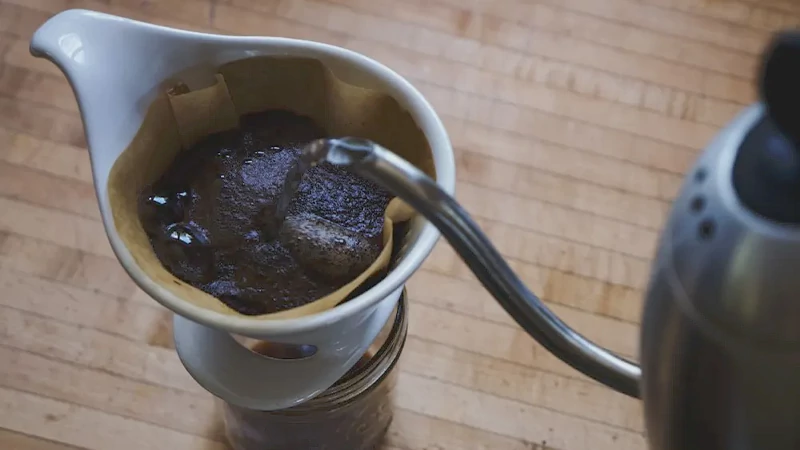
Most oily coffee beans are dark roasts. When I roast beans hotter and for longer, the internal pressure rises, the structure cracks, and the natural oils (lipids) move from the center of the bean to the surface. That’s why dark roast oily beans look shiny and why dark roast beans are often glossy while light roasts stay matte.
Here’s a simple look at roast degree and oil on the surface:
| Roast level | Look & surface oil | What you’ll notice |
|---|---|---|
| Light | Dry, matte | No visible coffee bean oil, lighter body |
| Medium | Slight sheen | Very thin gloss, still mostly matte |
| Dark | Shiny, oily | Obvious coffee bean gloss, stronger bitterness |
| Very dark | Wet, slick | Heavy oil, risk of rancid coffee bean oil if old |
For most global espresso drinkers, the “oily beans espresso” look comes from classic dark styles: French roast, Italian roast, Vienna roast, and many commercial espresso blends. These are roasted to a higher degree on purpose, so yes, those beans should be oily when they’re fresh—and that shine is a normal outcome of the roast, not a defect.
Are Oily Coffee Beans Bad Or Low Quality?
I’ll be direct: oily coffee beans are not bad or low quality by default. In most cases, that shine just means you’re looking at a fresh dark roast where the natural oils in coffee beans have moved to the surface.
When oily coffee beans are GOOD:
- Beans are dark roast (French, Italian, espresso blends).
- Roasted within 2–4 weeks and stored well.
- Aroma is rich, chocolaty, nutty, or slightly smoky, not sharp or chemical.
- Flavor is full, smooth, and bold, with good body and crema for espresso.
When oily coffee beans are BAD:
- Smell is rancid, painty, or like old nuts – a sign of rancid coffee bean oil.
- Beans feel sticky, dull, or dusty, with heavy oil pooling at the bottom of the bag.
- Taste is flat, bitter, ashy, or papery, even if you brew correctly.
So if you’re asking “are oily coffee beans bad?”, the key is freshness, not the shine. Fresh, oily dark roast oily beans are great; oily, old supermarket beans that smell off are what you want to avoid.
How to Tell if Your Oily Coffee Beans Have Gone Bad
When I check if oily coffee beans are good or bad, I always look at three things: smell, taste, and appearance.
Smell test: fresh vs rancid coffee bean oil
Fresh oily beans smell sweet, rich, and “alive”:
- Think chocolate, nuts, caramel, light fruit
- Aroma is clear and inviting, not harsh
Old or rancid coffee bean oil smells:
- Painty, plasticky, cardboard-like, or stale
- Flat, dusty, or like old frying oil
If the bag hits you with a sharp, greasy, off smell, I treat the beans as done.
Taste clues of stale or rancid oily beans
Brew a small cup and check:
- Stale: flat, papery, empty, no sweetness, no clear flavor
- Rancid: bitter in a harsh way, oily aftertaste, lingering rubbery or chemical note
Visual signs: when oily beans are “too oily”
Visually, I watch for:
- Excessive oil pooling at the bottom or sides of the bag
- Beans that feel sticky or greasy, not just glossy
- A dull, dusty, or faded look on very shiny, dark beans
If you see all three — bad smell, harsh taste, and heavy oil buildup — it’s a strong sign those oily dark roast beans are past their best.
Oily Coffee Beans and Espresso – A Match Made in Heaven
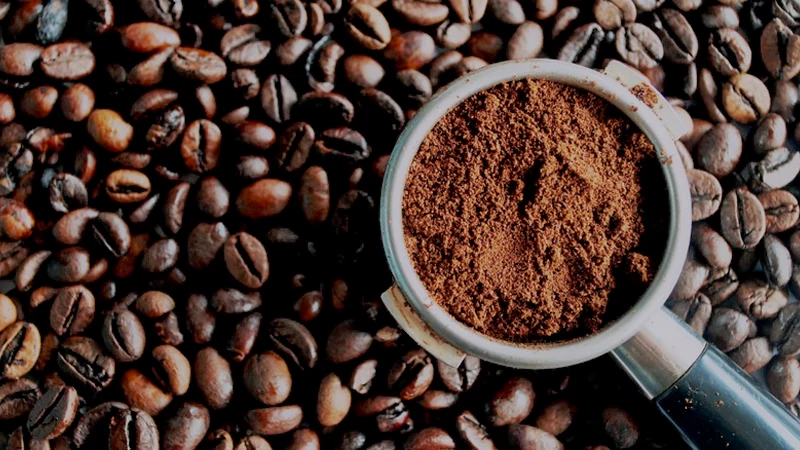
Why baristas love slightly oily beans for espresso
For espresso, slightly oily dark roast beans are often exactly what I want:
- They’re usually dark roast oily beans with deep chocolate, nut, and caramel notes.
- A light sheen of coffee bean oil on the surface often means bold flavor and a heavier body in the cup.
- For global customers brewing at home, that little shine usually signals a classic “espresso bar” profile you know from cafés in Europe and beyond.
In other words, when people ask “should espresso beans be oily?”, my answer is:
- A light gloss = good for espresso-style shots.
- A thick, sticky, inky layer of oil = usually a sign of age or over-roasting.
Oil, crema, and mouthfeel
Those natural oils and trapped CO₂ in the bean help with:
- Crema: Oily beans + fresh roast = better crema stability and color.
- Mouthfeel: More oil in the shot means a richer, rounder, thicker texture on your tongue.
- Flavor intensity: The same compounds that make beans look shiny also carry the big, roasted flavors espresso lovers chase.
So if you’re chasing café-style shots at home, a fresh, slightly oily espresso blend is usually the right call.
Myth: Oily beans always clog grinders
You’ll often hear “oily beans espresso will destroy your grinder.” I don’t buy that. Here’s the real story:
- Fresh, slightly oily beans are fine for most home and café grinders if you clean them regularly.
- Problems usually come from very old, rancid coffee bean oil that turns sticky, coats the burrs, and traps coffee dust.
- Cheap supermarket bags that are super oily, smell bad, and have been sitting for months are the real grinder killers, not a fresh local dark roast.
If you’re using a home grinder:
- Avoid beans that look wet, black, and greasy.
- Use fresh dark roast oily beans from a roaster you trust.
- Do a quick grinder clean every few weeks if you drink espresso daily.
Handled right, oily coffee beans aren’t a problem for espresso – they’re part of what makes a great shot.
Best Storage Tips for Oily Coffee Beans
Keeping oily coffee beans fresh is all about blocking air, light, heat, and moisture. Here’s how I store and recommend storing them on our platform.
How To Store Oily Coffee Beans
Use airtight, opaque containers
Go for a solid canister or a quality one-way valve coffee bag. This lets CO₂ escape but keeps oxygen out, which slows down rancid coffee bean oil and stale flavors.Keep beans in a cool, dark place
Cupboard, pantry, or drawer is ideal.- Avoid sunlight, hot kitchens, and open shelves.
- Never use the fridge or freezer for daily-use beans – moisture and odors ruin the coffee bean oil on surface and flatten flavor.
Ideal Window For Dark Or Oily Roasts
For dark roast oily beans and espresso blends, I stick to this timeline:
- Best flavor: roughly 10–30 days after roast date
- Still acceptable: up to 6–8 weeks if stored well
- After that, oily coffee beans go stale faster – the shiny oils oxidize, aroma drops, and you’ll taste more flat, bitter notes.
Follow this and your oily coffee beans will stay rich, glossy, and ready for espresso or French press.
Matte Beans vs Oily Beans – Which Should You Buy?
Flavor profile: matte vs oily coffee beans
When people ask me “should coffee beans be oily?” I always start with flavor:
- Matte beans (light–medium roast):
- Cleaner, brighter cup
- More acidity, fruit, floral or tea-like notes
- Great if you like clarity and lighter body
- Oily dark roast beans:
- Deeper chocolate, caramel, smoky notes
- Heavier body, richer mouthfeel
- Less acidity, more “classic coffee” taste
If you enjoy bold, comforting coffee, oily coffee beans are not bad at all. If you want complexity and nuance, go matte.
Brewing guide: oily dark beans for espresso & French press
For most customers globally, this is how I position dark roast oily beans from my own line:
- Best for:
- Espresso machines
- Moka pot
- French press
- Why:
- The natural coffee bean oil on surface boosts crema and body
- Dark roast oily beans give you that strong, café-style shot
- Tips:
- Use a slightly coarser grind for French press to avoid sludge
- If you worry about “oily beans espresso” clogging grinders, just avoid very old, sticky, rancid coffee bean oil
Brewing guide: matte medium–light beans for pour-over & drip
When people ask how to avoid oily coffee beans, I point them to my medium and light roast range:
- Best for:
- Pour-over (V60, Kalita, Origami)
- Automatic drip coffee makers
- AeroPress
- Why:
- Matte coffee bean gloss preserves aromatics and cleaner flavors
- You get a balanced cup that works well black or with a splash of milk
In short:
- Choose oily dark roast beans if you love rich, intense coffee and brew espresso or French press.
- Choose matte medium–light beans if you want clarity, sweetness, and easy daily drip or pour-over.
Frequently Asked Questions About Oily Coffee Beans
Are oily coffee beans always dark roast?
No. But in real life, most oily coffee beans are dark roast.
Dark roast = higher heat → more coffee bean oil on the surface → shiny look
Light and many medium roasts stay matte, so they look dry even though they still contain oil inside
So if your bag looks very glossy, it’s almost always a dark roast oily bean.
Can light roast beans ever be oily?
Yes, but it’s rare and usually a red flag.
Fresh light roast should look dry and matte
If a light roast looks oily, it’s often old, over-roasted, or stored too hot
I treat “oily light roast” as a sign to check the roast date and smell carefully
Why are some supermarket coffee beans super oily and smell bad?
That’s usually age + storage.
Many supermarket coffees sit months on the shelf
Oils rise to the surface, then oxidize → rancid coffee bean oil smell (painty, burnt, or plasticky)
Strong “burnt” aroma plus heavy shine often means over-roasted coffee beans that are past their best
Do oily beans go stale faster than matte beans?
Yes, they usually do.
Once oil is on the surface, it hits oxygen, light, and heat faster
Oily dark roast beans can taste flat or bitter more quickly than matte medium-light beans
For dark/oily roasts, I aim to drink them within 2–4 weeks of roast date
Should I wipe oil off coffee beans before grinding?
No, don’t wipe them.
The oil carries flavor and aroma – removing it will dull the cup
Instead, focus on: Using a good burr grinder
Cleaning the grinder regularly if you use very oily beans
Grinder clogging is mainly a problem with very old, sticky, rancid oily beans, not fresh ones
If you’re wondering “are oily coffee beans good or bad?”: they’re great when fresh, dark, and fragrant – and a problem when they’re stale, sticky, and smell off.