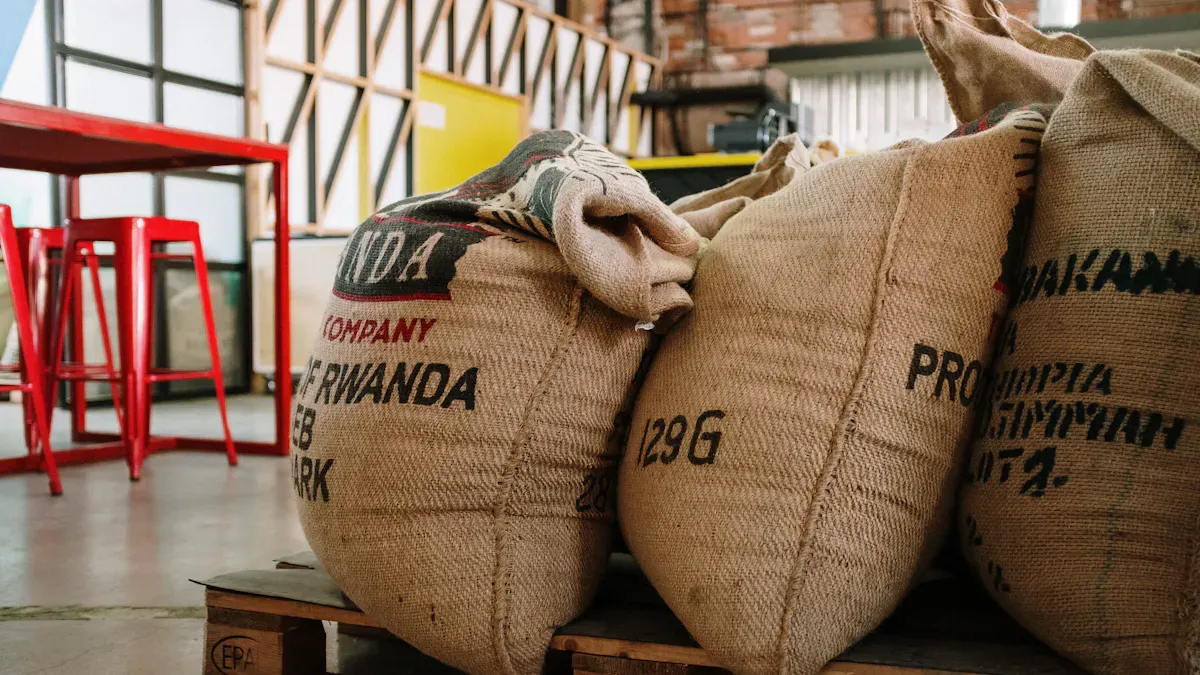
You see clear coffee bean packaging differences in 2026 because brands must meet new consumer expectations and strict packaging rules. People look for packaging that keeps coffee fresh, shows clear information, and uses eco-friendly materials. Attractive designs catch your eye, but you also want proof of sustainability and transparent supply chains. Brands use different designs, sizes, and materials for retail and wholesale to match these demands. Today, sustainability is not just a trend—it is a requirement.
Key Takeaways
Retail coffee packaging focuses on visual appeal and storytelling. Bright colors and designs connect consumers to the product.
Sustainability is essential in 2026. Brands use eco-friendly materials and highlight certifications like USDA Organic to build trust.
Wholesale packaging prioritizes practicality and efficiency. Large sizes and durable materials help businesses manage inventory and keep coffee fresh.
Clear labeling is crucial for both retail and wholesale. Labels provide important information about origin, freshness, and sustainability.
Resealable features in packaging are vital. They help maintain freshness and reduce waste, benefiting both consumers and businesses.
Coffee Bean Packaging Differences: Design and Branding
Retail—Visual Appeal and Storytelling
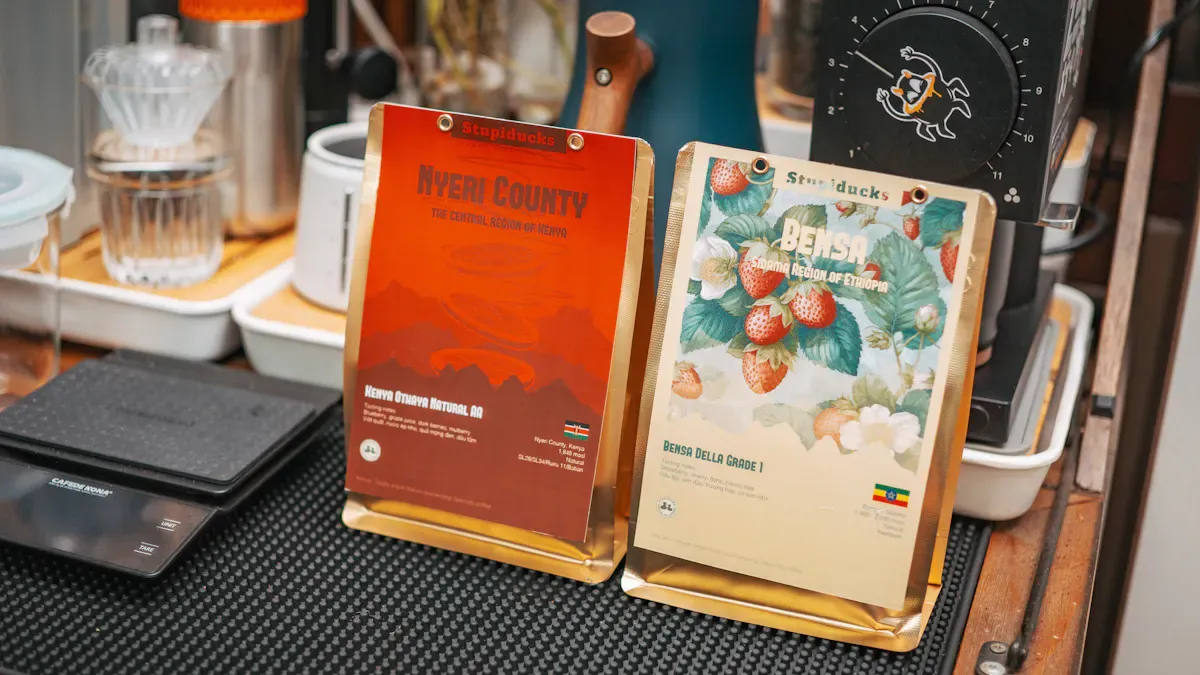
You notice retail coffee packaging stands out on the shelf. Brands use design to catch your eye and tell a story. They want you to feel connected to the coffee before you even open the bag. You see bright colors, bold typography, and sometimes even cultural patterns that remind you of where the beans come from. Many brands add transparent windows so you can see the beans inside. This builds trust and shows off the quality.
Retail packaging also uses storytelling. You read about the farm, the roast level, and the flavor notes. Some bags have QR codes or even augmented reality features. You scan these with your phone to learn more about the coffee’s journey from farm to cup. Limited edition designs and seasonal packaging create excitement and make you want to buy again.
Sustainability is a big part of retail packaging in 2026. You see labels like Rainforest Alliance or USDA Organic. Brands use recyclable, compostable, or even seed-embedded materials. Some packaging can be planted after use. This focus on eco-friendly choices helps brands stand out and builds trust with you.
Here is a table showing the main design strategies for retail coffee packaging in 2026:
Strategy | Description |
|---|---|
Sustainability | Uses eco-friendly materials and highlights recyclability or reusability. |
Brand Differentiation | Shows off brand values, like sustainability or ethical sourcing. |
Innovative Materials | Uses recyclable, compostable, or biodegradable materials for easy disposal. |
Environmental Certifications | Displays badges like Rainforest Alliance or USDA Organic. |
Structural Design | Uses simple, strong materials that protect beans and are easy to recycle. |
You see that retail packaging is about more than just holding coffee. It tells a story, teaches you about the product, and makes you feel good about your choice.
Wholesale—Practicality and Efficiency
Wholesale coffee packaging looks different. You find bigger bags, simple designs, and strong materials. The main goal is to make work easier for baristas and coffee shops. You see features like resealable zippers and thick layers that keep beans fresh. These bags protect coffee from air, moisture, and light.
You do not see as many bright colors or fancy graphics. Instead, you see clear labels and easy-to-read information. This helps workers find what they need quickly. The packaging is strong so it does not break during shipping or storage.
Here are some important features of wholesale coffee packaging in 2026:
Barrier protection keeps beans fresh and safe.
Simple opening systems save time for workers.
Resealable zippers help keep coffee fresh after opening.
Large sizes make it easy to manage inventory.
Durable materials prevent damage during transport.
Packaging meets new recycling rules and uses less plastic.
You also see technology in wholesale packaging. Some bags have smart labels or codes for tracking. Automation in packaging helps companies work faster and reduce waste. This makes wholesale coffee packaging efficient and reliable.
Labeling and Information
You notice that labels on coffee packaging give you important details. For retail, labels tell you about the coffee’s origin, roast level, and flavor notes. You see certifications like organic or fair trade. These labels help you make informed choices and feel confident about what you buy.
Wholesale labels focus on clear and accurate information. You see large print for easy reading. Labels show batch numbers, roast dates, and storage instructions. In 2026, new rules require more details. You find mandatory sustainability claims, allergen warnings, and digital product passports. These passports use QR codes or markers to show recycling information and prove the use of recycled materials.
Here is a list of what you find on wholesale coffee packaging labels in 2026:
Sustainability claims (now required, not just optional)
Allergen disclosures for safety
Digital product passports for transparency
Recycling codes for compliance
Proof of recycled content
You see that coffee bean packaging differences in design and branding come from the needs of the end user. Retail packaging focuses on storytelling and visual appeal. Wholesale packaging values efficiency and clear information. Both types must meet new sustainability and labeling rules in 2026.
Packaging Size and Functionality
Retail Sizes and Convenience
You find that retail coffee packaging comes in many sizes to fit your needs. Most stores offer small tins or bags for single use, medium cans for families, and larger bags for frequent coffee drinkers. These sizes make it easy for you to try new flavors or buy just enough for a week. Here is a table showing the common retail packaging sizes in 2026:
Format Type | Size Range (g) | Dimensions (mm) |
|---|---|---|
Small format tins | 50–125 | 65×65 to 83×95 |
Medium format cans | 250–500 | 99×130 |
Large format tins | 1,000+ | 120×180, 153×240 |
You see that convenience matters. Many brands use resealable zippers so you can open and close the bag without losing freshness. This feature is now standard. You want packaging that fits your busy life. Single-serve pods and portioned packs are popular because they save time. Over half of coffee drinkers choose quick options like instant coffee or pods. You can grab, brew, and go.
Wholesale Bulk and Durability
Wholesale coffee packaging looks different. You see large bags or tins, often over 1 kilogram. These packages are strong and built for transport. Coffee shops and restaurants need bulk sizes to serve many customers each day. The packaging uses thick materials and special valves to keep beans fresh. Some bags use nitrogen flushing to push out oxygen and lock in flavor for months.
Here are some common wholesale packaging types and features:
Packaging Type | Description | Key Features |
|---|---|---|
Bags and Valves | Foil-lined, with one-way degassing valves | Keeps beans fresh, blocks oxygen |
Nitrogen Flushing | Nitrogen gas replaces oxygen before sealing | Extends shelf life, preserves flavor |
Sustainable Materials | Compostable or recyclable bulk pouches | Eco-friendly, meets new rules |
Pillow Packs | Individually wrapped, pre-ground coffee | Easy portioning, often nitrogen flushed |
Filter Packs | Pre-measured ground coffee in filter paper | Simple brewing, less mess |
Durability is key. You want packaging that protects beans from light, air, and moisture. Strong bags prevent spills and damage during shipping. If packaging fails, coffee loses quality and businesses lose money. Durable packaging also helps with storage and restocking.
Resealability and Stock Management
You value resealability in retail coffee packaging. Resealable zippers let you keep beans fresh after each use. Many people say this feature is essential or extremely important. It is now the second most important factor in flexible packaging for coffee.
In wholesale, resealability helps businesses manage stock. When you open a large bag, you need to keep the rest of the beans fresh. Stand-up pouches with valves and zippers do this well. They reduce waste and help you serve high-quality coffee every time. Good resealability means less staleness and better inventory control.
Tip: Choose packaging with strong resealable features to keep your coffee fresh and reduce waste, whether you buy for home or business.
You see that coffee bean packaging differences in size and function help both consumers and businesses. Retail packaging focuses on convenience and freshness for you. Wholesale packaging uses bulk sizes and strong materials to support business needs and logistics.
Materials and Sustainability Trends
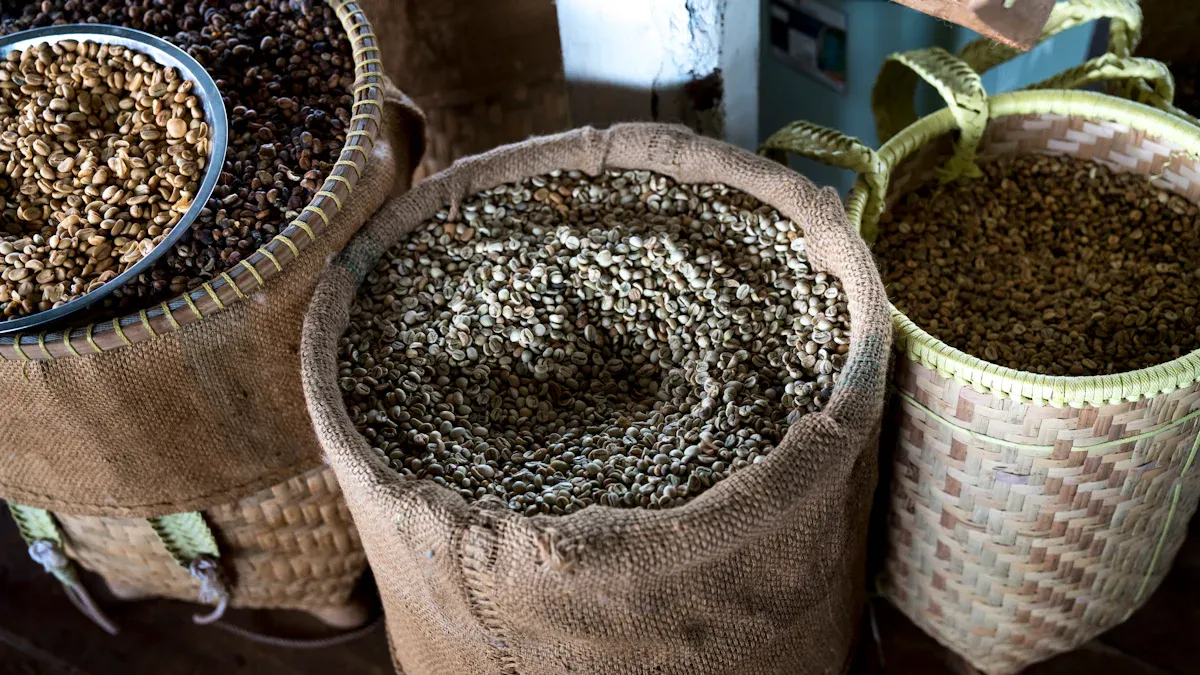
High-Barrier Materials for Quality
You want your coffee to stay fresh and flavorful. High-barrier materials protect coffee beans from oxygen, moisture, and light. These materials include aluminum foil laminates, EVOH-based films, and recyclable mono-material PE or PP structures. Aluminum foil stands out as the best barrier. It keeps out air and moisture, which helps your coffee last longer. Savor Brands uses aluminum barriers instead of metallized polyester because aluminum works better for freshness.
Retail packaging often uses high-barrier materials to keep coffee fresh on the shelf. Wholesale packaging needs even stronger materials. These must survive rough handling and long transport. Both types use strong seals and thick layers, but wholesale packaging focuses more on durability. You see that coffee bean packaging differences come from these needs.
Here is a table comparing the most common materials:
Material | Barrier Properties | Sustainability | Best For |
|---|---|---|---|
Kraft Paper | Low (often needs a liner) | Good (recyclable/compostable options) | A natural, rustic brand aesthetic. |
Aluminum Foil | Excellent (best barrier against light, O₂, moisture) | Low (not easily recycled) | Maximum freshness and shelf life. |
Eco-Friendly Packaging Choices
You care about the environment. In 2026, 70% of consumers choose brands that use sustainable materials. Companies listen to you. They use biodegradable bags, recyclable pouches, and compostable options. You find stand-up pouches, flat bottom gusset bags, and even compostable coffee bags with eco-friendly valves. Kraft bags made from renewable wood pulp are popular for their natural look and compostability.
You also see new materials like biodegradable films made from plant fibers. Recyclable aluminum and glass options are growing. These choices help brands build trust and show they care about the planet.
Note: Compostable cellophane bags are a sustainable alternative to petroleum-based plastics. You can dispose of them with less guilt.
Regulatory Impact in 2026
You see new rules shaping coffee packaging. The EU Packaging and Packaging Waste Regulation (PPWR) sets strict goals. All packaging must be recyclable or reusable by 2030. Companies must use safer materials and provide clear labels for recycling. You notice less plastic and more eco-friendly designs.
Here is a table showing the main impacts of these regulations:
Impact Area | Details |
|---|---|
Recyclability Requirements | Companies must switch to recyclable mono-material alternatives. |
Labeling Requirements | Uniform labeling guides you on how to recycle or dispose of packaging. |
Material Restrictions | Hazardous materials like PFAS are restricted. |
Compliance Accountability | Brands must document and prove their packaging meets recycling rules. |
Environmental Benefits | Eco-friendly packaging reduces waste and improves brand image. |
You see that coffee bean packaging differences in 2026 come from both what you want and what the law requires. Brands must balance freshness, sustainability, and compliance to meet your needs.
Meeting End-User Needs
Retail—Consumer Convenience
You want coffee packaging that makes your life easier. In 2026, brands design retail coffee bags to fit your daily routine. You find slim pouches that slide into your kitchen cabinet or pantry. Stackable options help you keep everything organized. Stand-up pouches let you grab coffee without worrying about spills.
Many packages use resealable zippers. These keep your coffee fresh and stop messes. Easy-open designs mean you do not need scissors or extra tools. You can open the bag and close it again with one hand. Single-serve packets let you make coffee quickly, even when you are in a rush. Lightweight materials make it simple to carry your favorite blend anywhere.
Here is a table showing how packaging features help you:
Feature | Benefit |
|---|---|
Resealable Packaging | Keeps coffee fresh and prevents spills |
Zipper Closures | Easy to open and close, keeps coffee secure |
Easy-Open Design | Quick access, no tools needed |
You see that these features save you time and make your coffee routine smooth.
Tip: Choose packaging with resealable zippers and compact shapes for the best mix of freshness and convenience.
Wholesale—Business Efficiency
If you run a coffee shop or business, you need packaging that works as hard as you do. Wholesale coffee bags focus on efficiency and durability. Large bags help you manage inventory and reduce the number of orders you place. Strong materials protect beans during shipping and storage.
You look for packaging that preserves freshness, so your customers always get the best taste. Eco-friendly options attract more buyers who care about the planet. Clear labels and smart codes make it easy to track batches and follow new recycling rules. Creative designs can also help your brand stand out, even in bulk orders.
Here are some ways wholesale packaging supports your business:
Bulk sizes reduce restocking time.
Durable materials prevent damage and waste.
Eco-friendly solutions meet customer and legal demands.
Clear labeling helps with inventory and compliance.
You notice that coffee bean packaging differences exist because consumers and businesses have unique needs. Retail packaging focuses on your convenience and education. Wholesale packaging supports business efficiency and smooth operations.
You see that coffee bean packaging differences shape how brands and businesses meet your needs in 2026. Retail packaging focuses on convenience and storytelling. Wholesale packaging values durability and efficiency. Understanding these differences helps you make smarter choices. Sustainability and new regulations guide every decision. You play a key role in driving change.
Tip: Look for packaging that matches your values and supports freshness.
Retail: Convenience, visual appeal, smaller sizes
Wholesale: Bulk, durability, clear labeling
FAQ
What is the main difference between retail and wholesale coffee bean packaging?
You see retail packaging designed for shoppers. It uses small sizes, bright designs, and resealable features. Wholesale packaging uses bulk sizes, strong materials, and simple labels. It helps businesses store and serve coffee efficiently.
Why does coffee packaging focus on sustainability in 2026?
You care about the planet. Brands use eco-friendly materials because new laws require it. Sustainable packaging builds trust and meets your values. It also helps reduce waste and pollution.
How do packaging sizes differ between retail and wholesale?
Type | Common Sizes |
|---|---|
Retail | 50g – 1,000g |
Wholesale | 1,000g – 10,000g |
You buy smaller packs for home. Businesses use large bags for efficiency.
What features help keep coffee fresh after opening?
You look for resealable zippers, one-way valves, and high-barrier materials. These features lock in flavor and block air. They help you enjoy fresh coffee every time.
Tip: Always close your coffee bag tightly to keep beans fresh longer.