Quick Answer: Can You Bake Vacuum Seal Bags?
Can you bake vacuum seal bags safely? Only with hard limits: standard PA/PE vacuum seal bags tolerate moist heat around the boiling point of water, but dry oven heat climbs past their softening point fast, so direct baking is not recommended by any major bag maker. Use them for sous vide, poaching, and simmering, and move food into oven-safe glass or covered dishes the moment true baking starts.
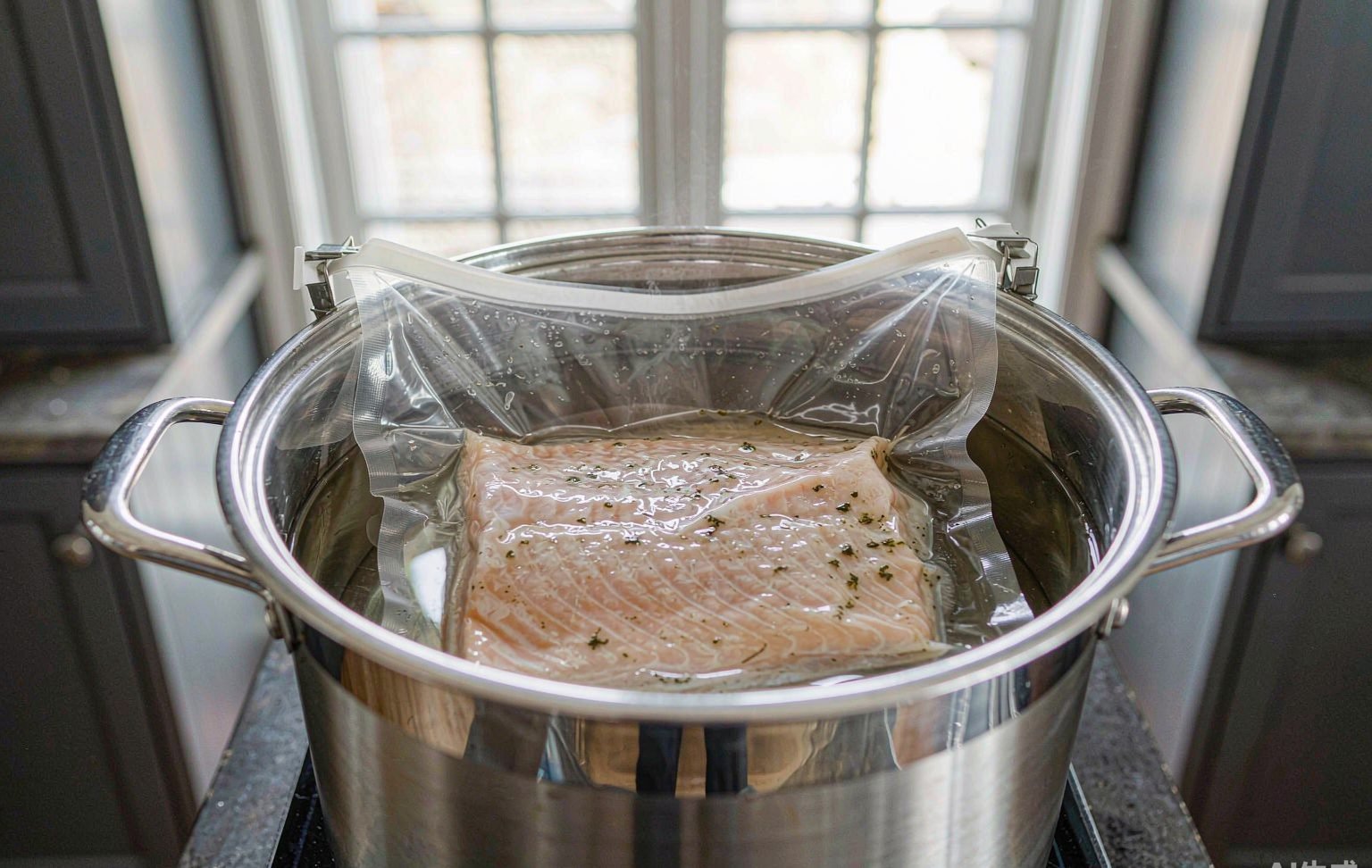
The confusion is understandable, because these bags survive boiling water without issue. The difference is that water caps the temperature at 100°C, while an oven keeps climbing. The table shows where each cooking method lands, and the seven rules explain how far can you bake vacuum seal bags toward oven-style cooking without melting dinner onto the rack.
| Method | Typical temperature | Standard vacuum seal bag? |
|---|---|---|
| Sous vide water bath | 55-85°C | Yes — designed for it |
| Poaching or simmering | About 100°C | Yes — water caps the heat |
| Microwave (vented) | Steam, about 100°C | Yes with venting |
| Steam oven | About 100°C | Yes |
| Low oven, covered in liquid | Under 120°C | Risky — no official rating |
| Conventional baking | 160-220°C | No — bag shrinks and melts |
| Broiling or element contact | Over 250°C | Never |
In this guide:
- Can you bake vacuum seal bags? The film chemistry behind the answer
- 7 best rules for vacuum seal bags near oven heat
- Safer alternatives when you bake
- Common mistakes that ruin food and racks
- FAQ
Can You Bake Vacuum Seal Bags? What the Film Is Made Of
Almost every household vacuum seal bag is a laminate of two plastics: nylon (PA) for strength and puncture resistance, and polyethylene (PE) for the heat-seal layer. Polyethylene is the weak link under heat. It softens well below baking-oven temperature, and once it softens, the bag shrinks, wrinkles, and can fuse to the food or the rack. That is the physical reason the answer to can you bake vacuum seal bags stays no for standard ovens, even though the same bag handles a long sous vide session without complaint.
Boiling works because water cannot exceed 100°C at normal pressure, which is exactly the ceiling these materials were engineered around. Vacuum packing applications were built on that assumption, and food-grade bags carry food-contact compliance but no oven-use rating, a distinction our checklist on FDA versus EU food-contact requirements explains. Dry oven air also heats plastic faster than steam at the same temperature, so the bag surface runs hotter than the food inside.
7 Best Rules for Using Vacuum Seal Bags Near Oven Heat
These seven rules let you keep the convenience of sealed portions without asking more of the plastic than it can deliver.
- Rule 1 — Treat 100°C as the hard ceiling. If the method stays at or below the boiling point of water, the bag is in its comfort zone. The moment a recipe calls for cavity heat, can you bake vacuum seal bags turns into a no, because dry heat races past the softening point of the polyethylene sealant.
- Rule 2 — Use the water bath, not the rack. Sous vide cooking at 55-85°C is the intended hot use, and a long poach in simmering water is equally safe. It is the practical yes hiding inside can you bake vacuum seal bags, minus the dry heat that ruins the film.
- Rule 3 — Never let the bag touch an element or oven wall. Direct contact pushes plastic past its limits in seconds. Even a warm oven used only for holding food will shrink a bag that rests against a wall or heating element.
- Rule 4 — Transfer before baking, keep the prep sealed. The workflow that works: seal, marinate, and refrigerate portions in vacuum bags, then tip the cold food into a glass dish or covered roaster for the oven. You keep the portioning benefit where it helps and lose nothing in the final bake.
- Rule 5 — Vent before any microwave use. A fully sealed bag in a microwave builds steam pressure and can split. Cut a corner open or crack the seal before microwaving, because superheated steam needs an escape path.
- Rule 6 — Check the rating before pushing temperature. Some specialty bags are sold for boiling and reheating with higher ratings, but those numbers describe water methods, not dry air. Absent an explicit oven-use statement, the answer to can you bake vacuum seal bags stays no for that product.
- Rule 7 — Watch for warning signs and stop. Shrinkage, a wavy or cloudy appearance, or any smell of warm plastic means the bag is past its limit, and those signs answer can you bake vacuum seal bags the hard way. Retire any bag that has deformed against food.
Safer Alternatives When You Bake
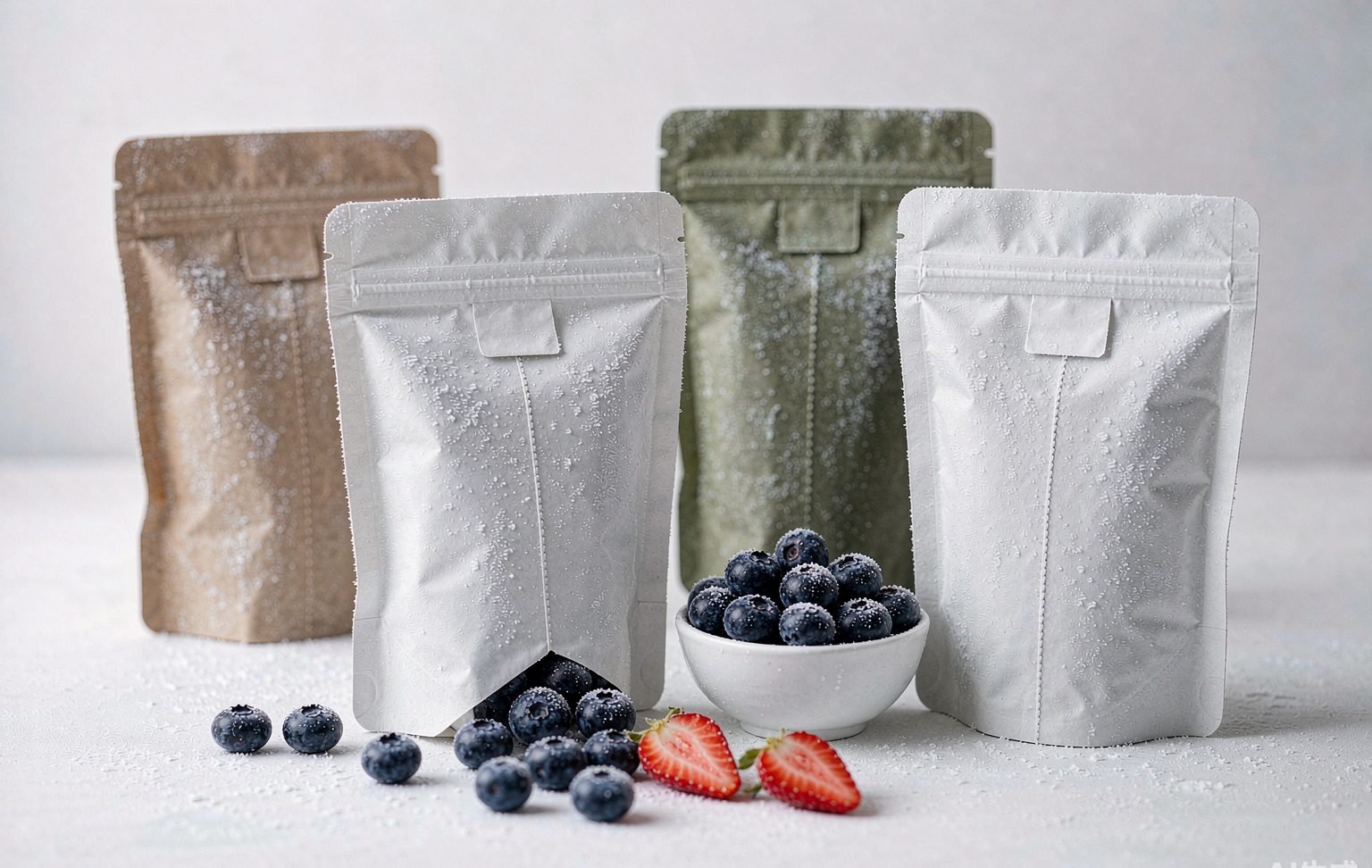
When the recipe genuinely needs oven heat, the question shifts from can you bake vacuum seal bags to what should hold the food instead. These containers handle the full baking range without softening or sealing concerns.
| Container | Oven-safe? | Best use |
|---|---|---|
| Glass dish with lid | Yes | Marinated portions tipped straight from the bag |
| Covered roasting pan | Yes | Larger cuts braised low and slow |
| Ceramic or enamelware, covered | Yes | Even heat for vegetables and small portions |
| Aluminum foil packet | Yes | A sealed-style bake with no plastic near heat |
| Oven cooking bags (oven-rated) | Yes, as rated | Poultry and roasts; a different product class |
The foil packet is the closest legitimate substitute: it recreates the sealed, moisture-trapping environment that makes vacuum cooking appealing, and it shrugs off oven heat entirely. Oven-rated cooking bags are the commercial answer when a whole meal must roast in its own juices.
Common Mistakes That Ruin Food and Racks
Most searches for can you bake vacuum seal bags start after a melted bag has already fused to a rack, so it helps to see the repeat errors before they reach your kitchen.
| Mistake | What happens | Prevention |
|---|---|---|
| Trusting a recipe that says “bake in the bag” | Bag shrinks onto the food | Confirm the bag is explicitly oven-rated |
| Microwaving a sealed bag | Steam pressure splits the seam | Vent a corner first |
| Reusing a bag that touched dry oven heat | Stressed plastic fails on the next boil | Retire any heat-deformed bag |
| Confusing sous vide ratings with oven ratings | False confidence at 180°C | Read what the rating actually covers |
| Leaving bags near oven vents | Hot spots soften the film | Keep bags on the counter until needed |
Every one of these traces back to the same physics: the film is rated for moist heat near 100°C, and dry oven air gives it no ceiling to hide behind.
FAQ: Can You Bake Vacuum Seal Bags?
What happens if you put a vacuum seal bag in the oven?
The polyethylene seal layer softens as dry heat passes its limit, so the bag shrinks, wrinkles, and can stick to the food or the rack. At typical baking temperatures deformation is fast, which is why can you bake vacuum seal bags is answered with a firm no for standard ovens.
Can vacuum seal bags go in the oven at low temperature?
There is no official oven rating to lean on, and even a warm holding oven creates dry heat plus hot spots near walls and elements. If food must rest in a warm oven, move it to a covered dish first.
Can you bake vacuum seal bags in a toaster oven or air fryer?
No, and both are harsher than a full-size oven: toaster-oven walls sit close to the food, and air fryers push dry circulating air hotter and faster than most home ovens, so the bag surface softens even sooner than the same recipe would suggest.
Are vacuum seal bags oven-safe if they are BPA free?
BPA-free describes food-contact safety, not the heat ceiling. A BPA-free bag is still PA/PE laminate with the same softening behavior, so compliance and oven tolerance are two separate questions.
Can you boil vacuum seal bags instead?
Yes, and it is the intended high-heat use, since simmering water holds the temperature near 100°C. Our guides on whether you can boil vacuum seal bags and whether you can microwave them cover those methods, and freezing in vacuum seal bags is equally safe when rules are followed.
What is the safest way to cook food sealed in a vacuum bag?
Use a temperature-controlled water bath between roughly 55 and 85°C, far inside the film’s comfort zone. For oven-flavored finishes, sear or broil the food after removing it from the bag, never while it is still inside one.
The Bottom Line on Baking Vacuum Seal Bags
Can you bake vacuum seal bags? Standard bags are engineered for moist heat up to the boiling point, and they excel there, but no major maker rates them for dry oven air, and the polyethylene seal layer fails quickly once baking temperatures arrive. Keep the sealed-portion workflow for marinating, freezing, and water-bath cooking, transfer to glass or covered dishes for the oven, and vent before any microwave stop. For the reuse side of the same question, our guide on whether you can reuse vacuum seal bags covers washing, inspection, and when to retire a bag for good.