
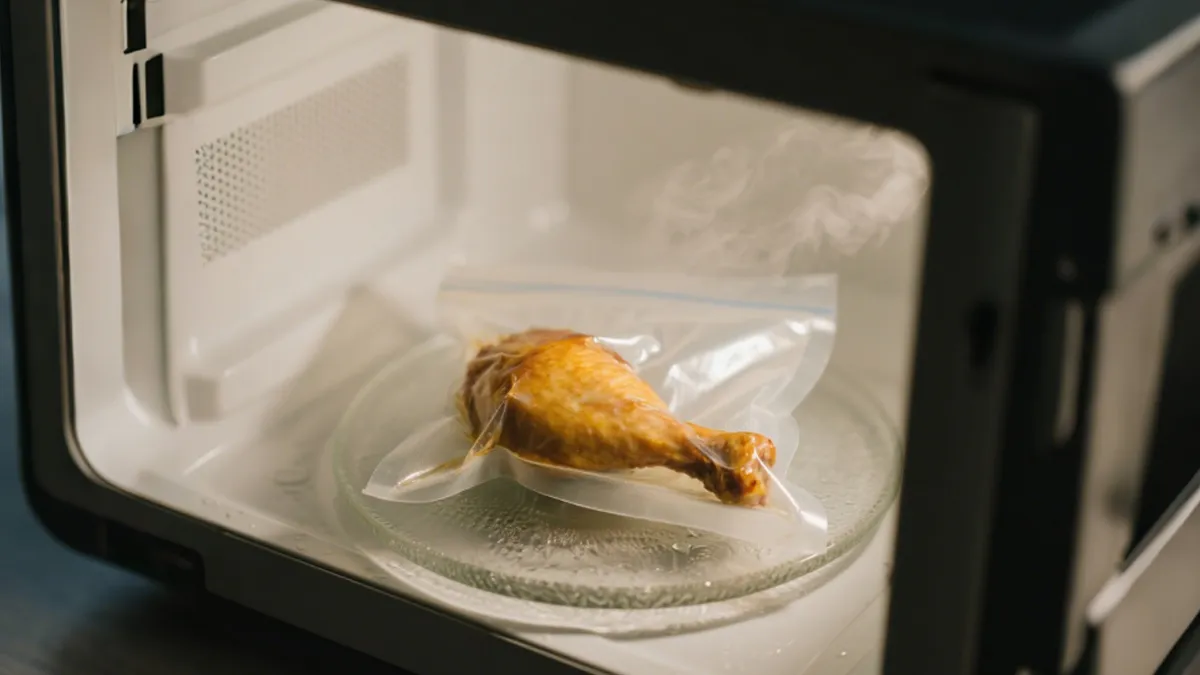
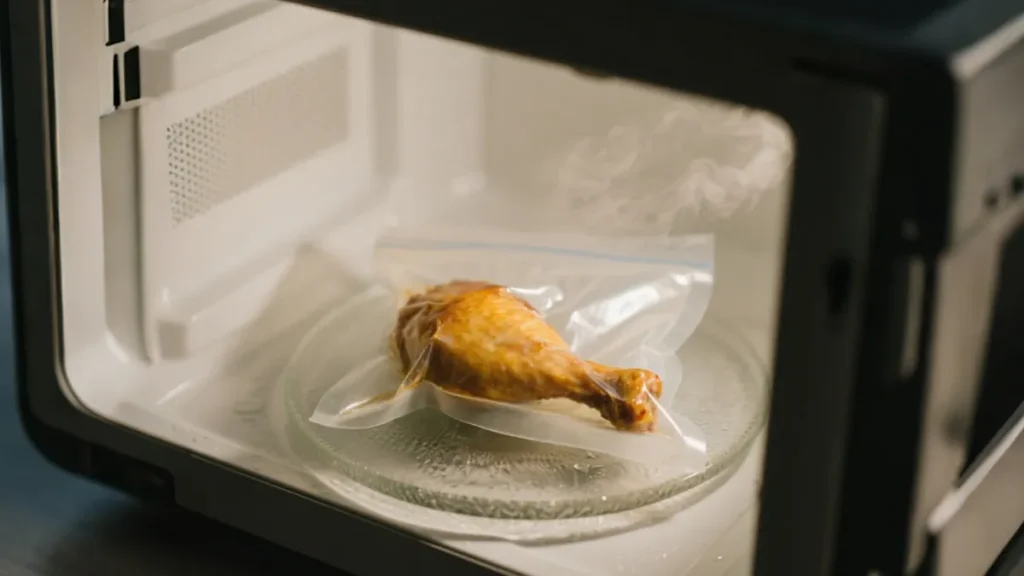
Microwaving food in vacuum seal bags has become a popular method of reheating or cooking food quickly, especially for those who enjoy the convenience of vacuum sealing. But the question many people ask is, can you microwave vacuum seal bags? The short answer is yes, but with important caveats. Not all vacuum seal bags are created equal, and not all are suitable for microwaving.
This comprehensive guide will explore whether vacuum seal bags are microwave-safe, which bags are ideal for microwaving, and tips on how to do it safely.
What Are Vacuum Seal Bags?
Before answering whether vacuum seal bags can be microwaved, let’s take a quick look at what they are.
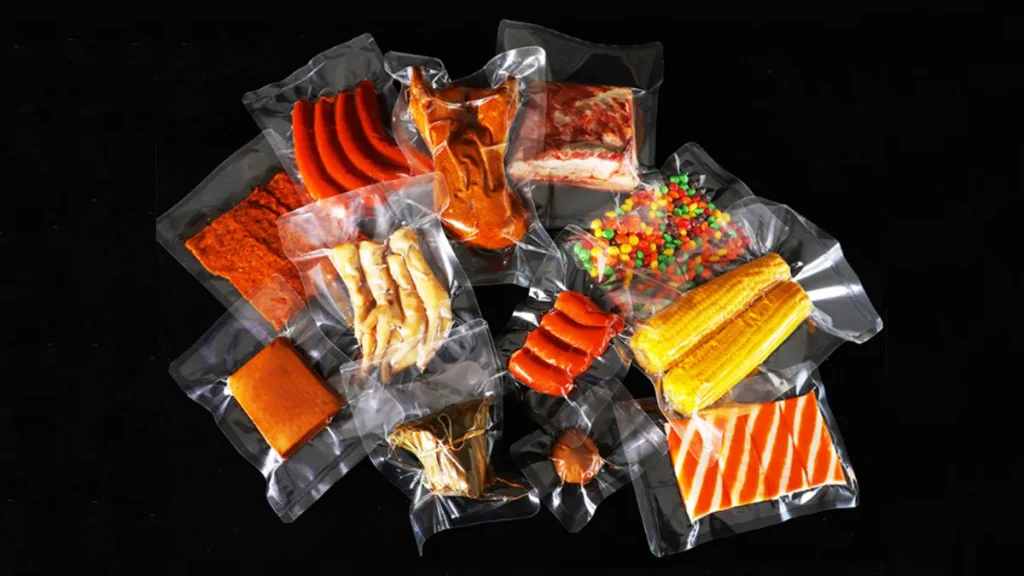
Vacuum seal bags are made from flexible plastic that’s designed to seal food by removing air from the package, creating a vacuum. This helps in preserving the freshness of food, preventing freezer burn, and extending shelf life. The bags are tightly sealed using a vacuum sealer, which sucks the air out and creates a strong seal.
These bags are typically used for long-term food storage, sous-vide cooking, and other purposes. They are commonly made from materials such as polyethylene (PE), nylon, or polyester, each offering different properties in terms of durability and heat resistance.
Can You Microwave Vacuum Seal Bags?
Yes, you can microwave vacuum seal bags, but only if the bags are made of microwave-safe materials. The microwave-safe bags are designed to withstand heat without melting, leaching harmful chemicals, or breaking apart. Not all vacuum seal bags are heat-resistant, so it’s important to be aware of the materials before microwaving.
Types of Vacuum Seal Bags Safe for Microwaving
Some materials used in vacuum seal bags are better suited for microwaving than others. Here’s a breakdown of which materials are safe:
1. Polyethylene (PE)
Polyethylene (PE) is the most common material used for vacuum-sealing food, and it is generally microwave-safe. It has a moderate heat resistance and can handle moderate temperatures without melting. However, it’s important to ensure the bag is free of additional coatings or materials that might not be microwave-friendly.
2. Multi-layer Films
Multi-layer films are made from a combination of materials, such as PE, nylon, or EVA. These bags are often designed for high-heat resistance, making them safe for microwave use. The multiple layers provide durability, which makes them suitable for sous-vide cooking as well as microwaving.
3. Nylon-Based Bags
Nylon-based vacuum seal bags are typically safe for microwaving, as they are designed to handle heat without breaking down. However, the bag should still be labeled as microwave-safe to ensure it’s up to the task.
4. Polyester (PET)
Polyester (PET), while durable, is generally not recommended for microwaving. PET can warp or break down under heat, causing potential damage to both the bag and the microwave.
Materials to Avoid in Microwaving Vacuum Seal Bags
While some vacuum bags are suitable for the microwave, others should not be used in this way. Here are a few materials to avoid:
- Polyester (PET): Not microwave-safe, and may cause bags to melt.
- Non-food-grade bags: Vacuum bags not labeled as food-safe or heat-resistant should not be used in microwaves.
How to Safely Microwave Vacuum Seal Bags
| Step | Action | Explanation |
|---|---|---|
| 1. Check the Label | Ensure the bag is microwave-safe. | Verify the bag is made from microwave-safe materials. |
| 2. Poke Holes | Poke small holes in the bag to allow steam. | This prevents pressure buildup that could cause the bag to burst. |
| 3. Use Medium Power | Set microwave to medium heat. | Using medium heat prevents overheating and bag deformation. |
| 4. Microwave in Intervals | Heat the food in 1-2 minute intervals. | This ensures even cooking and reduces the risk of overheating. |
| 5. Place in Container | Use a microwave-safe container for safety. | This catches any spills and protects the microwave. |
For added safety, place the vacuum-sealed bag in a microwave-safe container. This will catch any drips if the bag bursts and will help prevent the bag from coming into direct contact with hot surfaces.
Benefits of Microwaving Food in Vacuum Seal Bags
Using vacuum-sealed bags in the microwave offers several advantages, especially for busy households or meal-prep enthusiasts. Some of the benefits include:
- Moisture Retention: The vacuum-seal process locks in moisture, meaning the food stays juicy and doesn’t dry out in the microwave.
- Even Heating: The airtight seal helps heat food more evenly, without the risk of hot or cold spots.
- Convenience: It’s easy to microwave pre-cooked meals in vacuum-sealed bags, saving time and effort on meal preparation.
- No Spills: The sealed bag helps to prevent messes inside your microwave, ensuring a clean reheating process.
Risks of Microwaving Vacuum Seal Bags
While there are clear benefits, there are also some risks to consider:
- Bag Melting: If you use a non-microwave-safe bag, it can melt or warp under heat, causing a mess or potentially damaging the microwave.
- Chemical Leaching: Low-quality or non-food-grade vacuum bags may release harmful chemicals into the food when exposed to heat.
- Overheating: Microwaving for too long, even with a safe bag, can cause uneven heating or the bag to burst.
Alternatives to Microwaving Vacuum Seal Bags
If you’re concerned about microwaving vacuum-sealed bags, there are some alternative cooking methods to consider:
- Sous-vide Cooking: Sous-vide is a water bath method that uses lower temperatures over longer periods. This is perfect for high-heat resistant vacuum bags.
- Oven Reheating: Instead of using a microwave, you can place food in a vacuum-sealed bag in a preheated oven.
- Remove and Reheat: If you’re unsure about microwaving, you can remove the food from the vacuum bag and microwave it in a microwave-safe container.
Conclusion
In conclusion, microwaving vacuum seal bags is entirely possible when the bags are made from microwave-safe materials like polyethylene or nylon. However, always check the product labeling and follow the proper reheating steps to ensure safety and food quality. By doing so, you can enjoy the convenience of quick and moist, evenly heated meals without worry.
FAQs
Can I microwave any vacuum seal bag?
No, only vacuum bags made from microwave-safe materials, such as polyethylene or nylon, should be microwaved. Always check the bag’s labeling.
How do I know if a vacuum seal bag is microwave-safe?
Look for the microwave-safe label or check the manufacturer’s instructions. If unsure, avoid microwaving.
Can I reuse vacuum seal bags for microwaving?
Yes, as long as the bag is in good condition and still microwave-safe. However, if it shows any signs of wear, discard it.
What happens if a vacuum seal bag melts in the microwave?
If a bag melts, it may leak harmful chemicals into the food or cause a mess. Always ensure you’re using a microwave-safe bag.
Can I microwave vacuum-sealed bags with meat inside?
Yes, as long as the bag is microwave-safe, you can microwave vacuum-sealed meat. It will reheat more evenly due to the sealed environment.
Are there any better alternatives to microwaving vacuum-sealed food?
Sous-vide or oven-reheating are great alternatives if you’re concerned about microwaving. These methods offer better heat distribution and food texture preservation.