
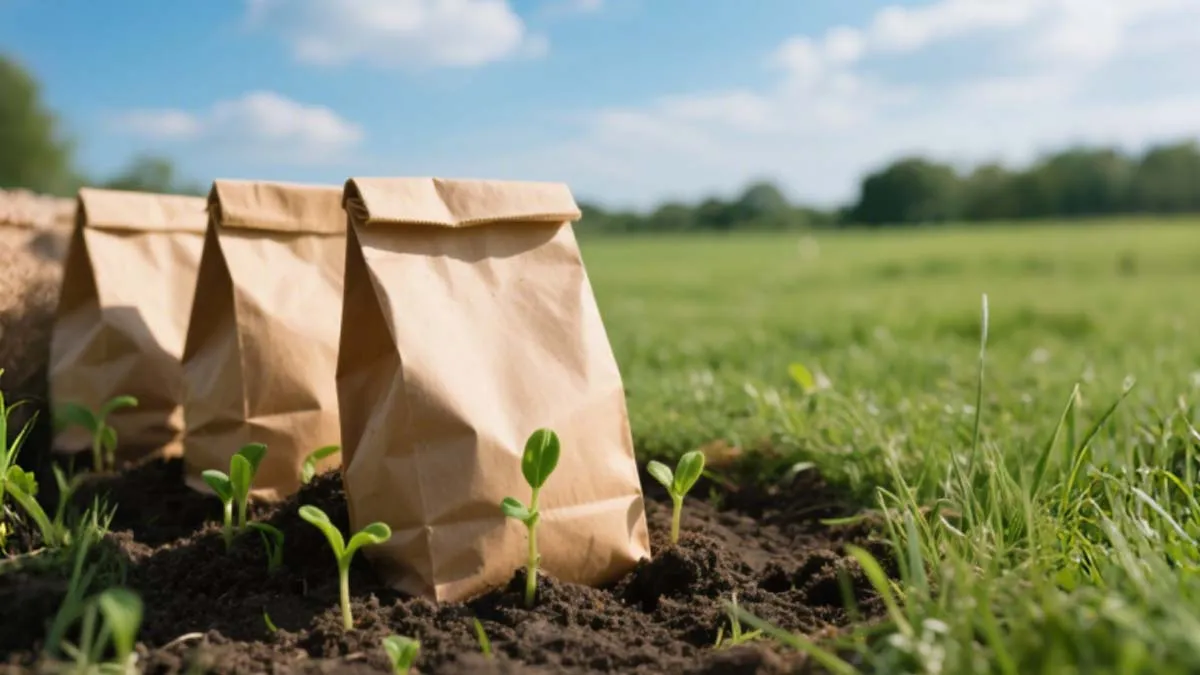
In recent years, consumers have become increasingly concerned about the environmental impact of everyday products, and many common coffee bags on the market are composite materials, often with a plastic liner. This liner is usually made of materials such as polyethylene (PE) to prevent air, moisture and light from damaging the coffee beans or coffee powder, keeping the coffee fresh. These coffee bags with plastic linings cannot be composted in traditional home composting systems. In a home compost pile, the plastic liner will not decompose within a reasonable amount of time (home composting usually takes several months to a year). Even in industrial composting facilities, most plastics commonly used in coffee bag linings do not meet composting standards.
What are coffee bags made of?
To understand whether coffee bags are compostable, we first need to know what materials they are made of. Coffee bags come in a variety of different materials, and each material has a different impact on the environment.
Common types of coffee bags
Kraft Paper Bags – These bags are made from recycled or new paper, giving them a natural look and a pleasant texture. They are popular among eco-friendly brands because they are biodegradable. However, standalone kraft paper bags are rarely compostable unless they do not have a plastic coating or liner.
Plastic-Lined Bags – Many coffee bags are a combination of paper and plastic. The plastic lining helps maintain the freshness of the coffee and prevents moisture, but it makes the bag non-compostable since plastic does not break down in the composting process.
Aluminum Foil Bags – While aluminum foil bags are effective at blocking oxygen and light, they are not compostable. However, some brands are moving toward foil-free bags to reduce their environmental footprint.
Biodegradable Bags – Biodegradable coffee bags are becoming more common in the coffee industry. These bags will break down in composting facilities but must meet specific certifications to be labeled as compostable. These bags are typically made from plant-based materials like corn starch or PLA (polylactic acid).
| Type | Material | Compostable | Biodegradable | Notes |
|---|---|---|---|---|
| Kraft Paper Bags | Recycled or new paper | Rarely (if not coated) | Yes | Eco-friendly, but moisture protection can hinder composting |
| Plastic-Lined Bags | Paper + Plastic lining | No | No | Non-compostable, maintains freshness but adds plastic waste |
| Aluminum Foil Bags | Aluminum foil + paper | No | No | Blocks oxygen and light but is not compostable |
| Biodegradable Bags | Plant-based materials (e.g., PLA) | Yes | Yes | Requires certification, reduces plastic waste |
The Difference Between Compostable and Degradable
In daily life, we often confuse the terms “compostable” and “degradable“, thinking that they are the same concept. In fact, there are important differences between them, and many people mistakenly believe that as long as the packaging material is labeled “degradable” or “compostable”, it will not have a negative impact on the environment. However, this is not the case. Compostable materials are materials that can be decomposed into organic matter and returned to nature without leaving toxic residues. In contrast, degradable materials can be decomposed but may still leave harmful chemicals.
| Feature | Compostable | Biodegradable |
|---|---|---|
| Decomposition Process | Breaks down quickly into organic matter without harmful residues | Takes longer to decompose, may leave harmful residues |
| Environmental Impact | Environmentally friendly, won’t pollute soil or water | May pollute soil or water |
| Composting Suitability | Suitable for composting facilities (requires specific conditions) | Not suitable for composting facilities as it may not fully decompose |
| Common Materials | Corn starch, PLA, plant-based materials | Some plastics, paper, other synthetic materials |
How to properly handle coffee bags?
If you want to compost your coffee bags, here are some suggestions:
- Check the compost label: Look for bags with a compostable certification, such as one from the Biodegradable Products Institute (BPI).
- Separate the materials: If possible, separate the paper portion from the plastic lining portion, which will aid in proper handling.
- Recycling: If your coffee bag is made of plastic or aluminum foil, recycling may be a better option than composting.
How to Choose the Right Coffee Bag Packaging Materials
How to Choose the Best Material Based on Brand Positioning and Market Needs
Brand positioning and target market are the core factors in selecting packaging materials. For premium brands, using eco-friendly and sophisticated packaging materials (such as uncoated kraft paper bags or biodegradable PLA bags) can highlight the brand’s uniqueness and commitment to sustainability. For everyday consumer goods brands, more cost-effective materials, such as bags with plastic liners or recyclable paper bags, can be chosen.
The Impact of Different Market Needs on Material Selection
The high-end market often demands higher standards for both eco-friendliness and the aesthetics of packaging, so more refined and environmentally friendly materials may be chosen. On the other hand, mass-market brands may focus more on cost-effectiveness and opt for more budget-friendly packaging materials, such as paper bags or bags with plastic coatings.
Sustainable Development Goals and Brand Image
Eco-friendly packaging is no longer just a trend; it has become an integral part of a brand’s image. Choosing compostable or biodegradable materials can help a brand establish a positive environmental image among consumers and enhance its market competitiveness. Packaging manufacturers need to provide solutions that align with sustainable development goals, creating product packaging that meets consumer expectations.
Conclusion
As a packaging manufacturer dedicated to innovation and sustainable development, we continuously provide the coffee industry with eco-friendly, efficient, and sustainable packaging solutions. Our goal is to help brands reduce packaging waste, promote a circular economy, and support environmentally certified packaging materials. Through our compostable coffee bags and biodegradable packaging, we not only offer consumers high-quality packaging options but also assist businesses in lowering their carbon footprint and achieving their green environmental goals.
FAQ
Can all coffee bags be composted?
No, not all coffee bags can be composted. Many coffee bags contain plastic liners or wax coatings that cannot break down during the composting process.
How can I tell if my coffee bag is compostable?
Check the packaging for labels or certifications such as “compostable” or “biodegradable.”
What should I consider when composting coffee bags?
First, check your local composting policies to ensure they accept coffee bags. Then, tear open the bag to help it break down more quickly.
Can the plastic liner in coffee bags degrade?
Plastic liners typically do not degrade and prevent the bag from naturally breaking down.
How do I choose an eco-friendly coffee bag?
Look for bags labeled “compostable” or “biodegradable” to ensure they are environmentally friendly.