
Quick Answer: can you vacuum seal cheese? Yes for hard and semi-hard cheeses like cheddar, gouda, parmesan, and swiss: vacuum sealing triples their fridge life from about two weeks to six weeks or more by cutting off the oxygen that mold needs. Soft cheeses such as brie, ricotta, and fresh mozzarella are the exception; their high moisture makes long vacuum storage risky, so seal them only for short-term use. The table below gives the verdict for every common cheese, and the seven rules cover the safe way to do it.
| Cheese Type | Vacuum Seal? | Fridge Life Sealed |
|---|---|---|
| Hard (parmesan, pecorino) | Yes, ideal candidate | 2–3 months |
| Semi-hard (cheddar, gouda, swiss) | Yes, ideal candidate | 4–6 weeks |
| Semi-soft (havarti, monterey jack) | Yes, pat dry first | 3–4 weeks |
| Soft-ripened (brie, camembert) | Short term only, 1–2 weeks | About 2 weeks |
| Fresh soft (ricotta, cottage, fresh mozzarella) | Not recommended | Use original dates |
| Shredded cheese | Yes, with rules | 3–4 weeks |
In This Guide
- Can You Vacuum Seal Cheese Safely?
- Hard and Semi-Hard Cheeses: The Best Candidates
- Soft Cheeses: Where to Be Careful
- 7 Rules to Vacuum Seal Cheese Right
- Vacuum Sealing Cheese for the Freezer
- FAQ
- The Bottom Line
Asking can you vacuum seal cheese usually happens right after you find a forgotten wedge grown a fur coat, and the honest answer is a qualified yes: most everyday cheeses are among the best vacuum sealing candidates in the kitchen, while a few fresh styles should stay out of the machine. This guide separates the two groups, explains the moisture problem behind the exception, and walks through the rules that keep sealed cheese both fresh and safe, so the question of can you vacuum seal cheese never costs you a good wedge again.
Can You Vacuum Seal Cheese Safely?
The safety answer to can you vacuum seal cheese comes down to water activity. Hard and semi-hard cheeses have low moisture, so removing oxygen around them starves the molds and spoilage bacteria that need air, exactly the environment vacuum sealing was built for. Fresh soft cheeses hold free water inside, and anaerobic conditions can favor different, invisible microbes rather than stopping them, which is why the safe list and the risky list are separated by texture, not by brand or price. Keep that texture test in mind and the question of can you vacuum seal cheese answers itself on sight, before you ever read a label.
That texture rule is worth remembering because it never changes: if the cheese is firm enough to grate, it is firm enough to seal for weeks; if you could spread it on a cracker, keep it in its original tub and finish it by the date on the label. For a broader look at which bags handle food safely, our guide to mylar bag sizes covers the storage end of the same principle, and it is the reference to keep beside the sealer whenever can you vacuum seal cheese turns into can you store cheese for a season.
Hard and Semi-Hard Cheeses: The Best Candidates
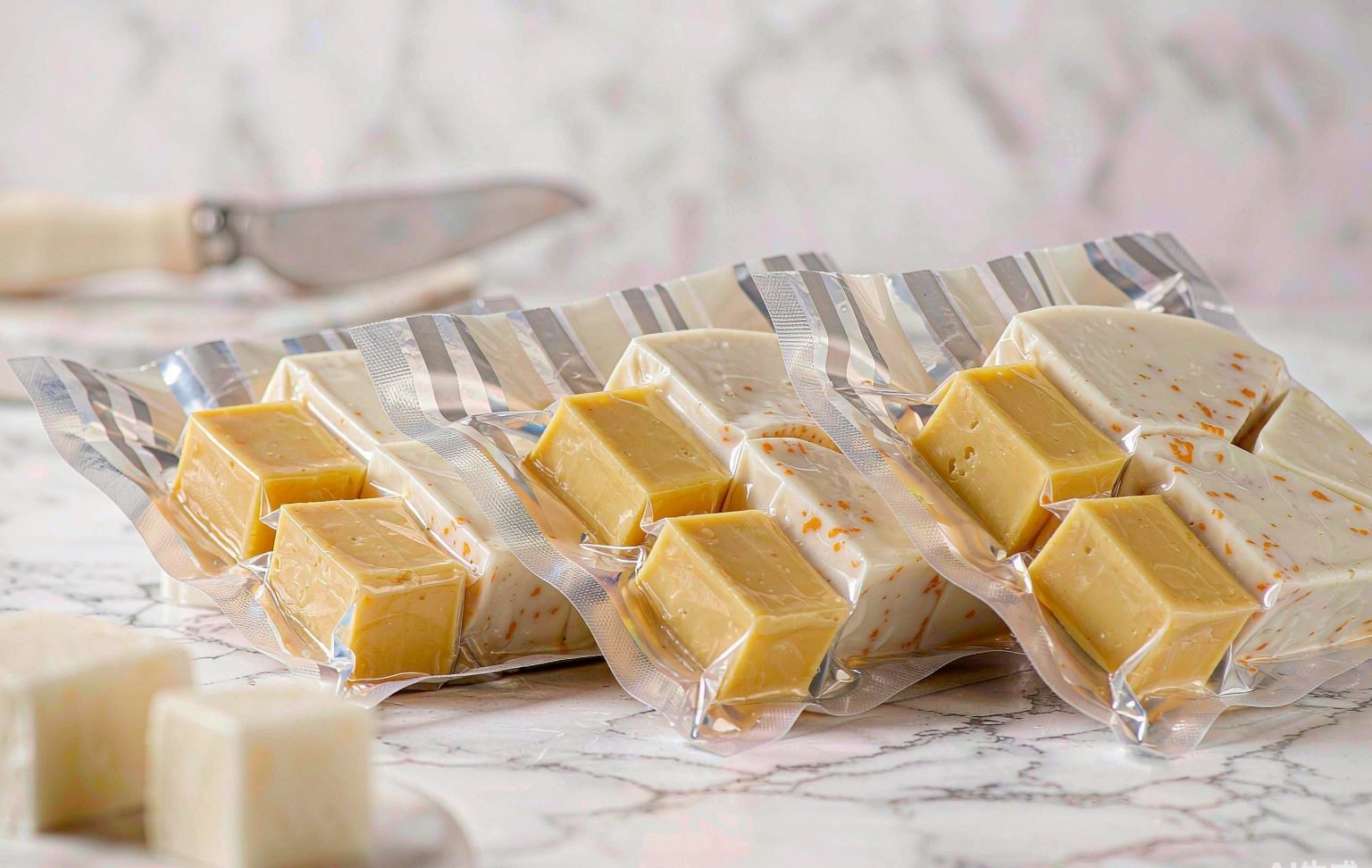
Cheddar, gouda, swiss, parmesan, and their relatives are the reason the question can you vacuum seal cheese has such a positive answer. In original wrap they dry out or mold in about two weeks; vacuum sealed, the same wedges hold texture and flavor for four to six weeks in the fridge, and hard grating cheeses reach two to three months because their low moisture leaves so little for microbes to work with.
Cut-to-size portions make sealed cheese genuinely convenient: divide a block into meal-sized pieces, seal each one, and open only what the week needs. Every unopened portion stays fully protected, which is exactly the use case our guide on reusing vacuum seal bags extends once the cheese is eaten and the bag is washed. Portioned like this, can you vacuum seal cheese becomes can you meal-prep cheese, and the answer only gets better.
Soft Cheeses: Where to Be Careful
Soft-ripened cheeses like brie and camembert are still alive with ripening cultures, and a full vacuum crushes their delicate rind while trapping the moisture their rind needs to breathe. If you must seal them, use a gentle partial seal and eat within a week or two. Fresh cheeses such as ricotta, cottage cheese, and fresh mozzarella hold the most water of all, and sealing them creates exactly the wet, airless environment you never want around dairy, so the answer to can you vacuum seal cheese here is simply no. When a recipe leaves you with soft leftovers, a snug clip-lid tub in the coldest shelf corner beats any vacuum bag.
Shredded cheese sits in a middle category: it seals fine, but crushed shreds compact into a solid brick under strong vacuum. The fix is to pre-freeze the shreds on a tray for 30 to 60 minutes, seal with the pulse function until the vacuum just firms up, and accept that the bag will look brick-like but grate and melt normally once crumbled. Our guide to freezing with vacuum seal bags explains why that quick pre-freeze step protects texture in the freezer and the fridge alike.
7 Rules to Vacuum Seal Cheese Right
Follow these and the answer to can you vacuum seal cheese stays a yes every time:
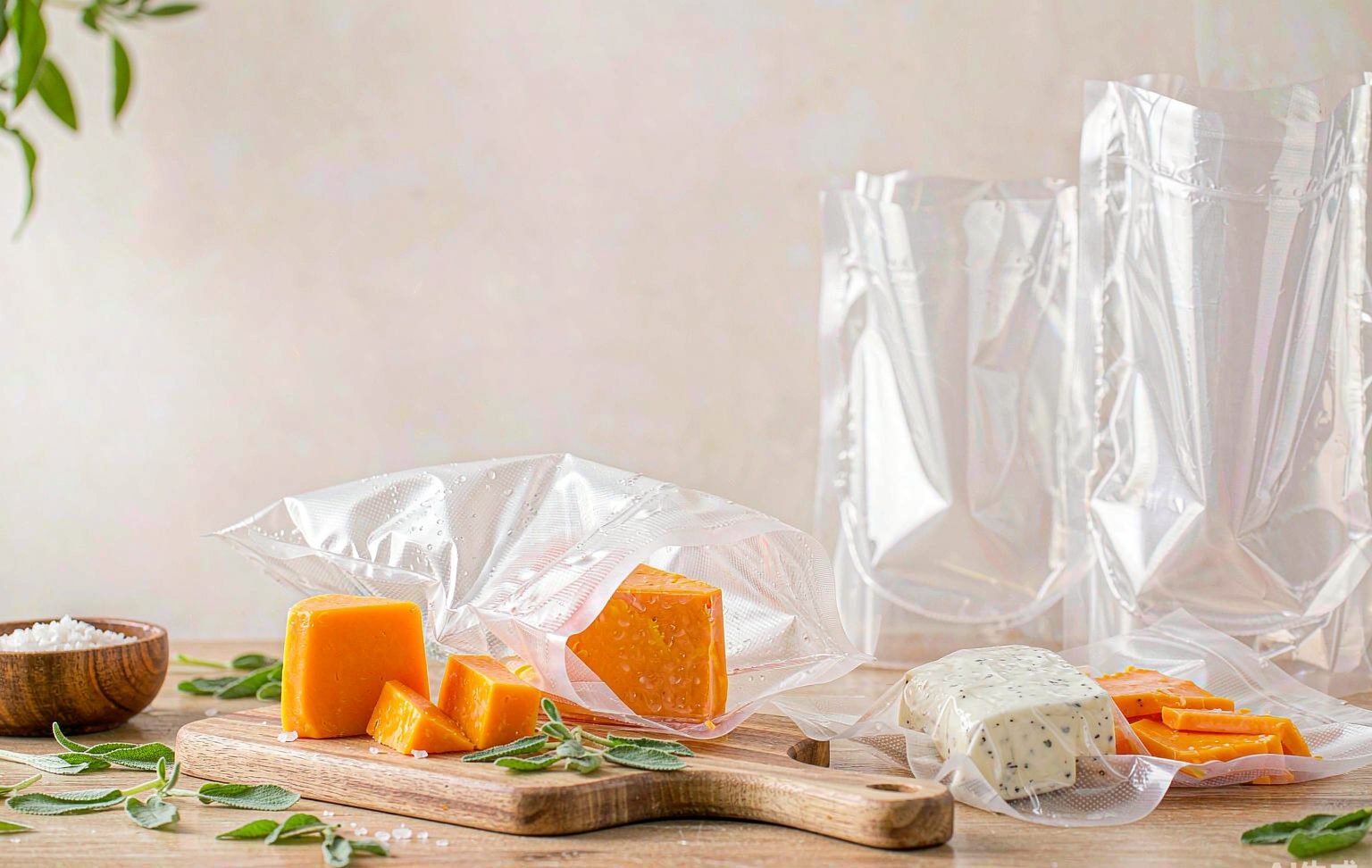
- Pat the surface dry. Surface moisture interferes with the seal and feeds bacteria; a dry wedge seals cleaner and keeps longer.
- Cut clean, cold portions. Chill the cheese first; firm cheese cuts neatly and seals without smearing into the seal zone.
- Leave a wide seal margin. Keep grease and crumb out of the final 5 cm of bag, or the weld will channel like a punctured tire.
- Double-seal oily cheeses. Run the machine twice on cheddar and gouda; fat migrating into the weld is the top cause of late seal failure.
- Use pulse for soft styles. Full vacuum on havarti or monterey jack squeezes out oil; stop when the bag just hugs the cheese.
- Label the seal date. Sealed is not immortal; write the date so four weeks later you know exactly what you are opening.
- Respect the open-bag clock. Once the seal breaks, the normal fridge countdown resumes; finish opened portions within a week.
Rule four deserves emphasis for anyone who has had a sealed cheddar bag pop open in the fridge days later: oil in the weld zone is almost always why, and a second seal line costs nothing. The same discipline applies to liquids, which our guide on vacuum sealing liquids handles with freeze-first tricks worth copying for fresh mozzarella packed in brine. Work through the list twice and can you vacuum seal cheese stops being a question you ask and becomes a routine you run.
Vacuum Sealing Cheese for the Freezer
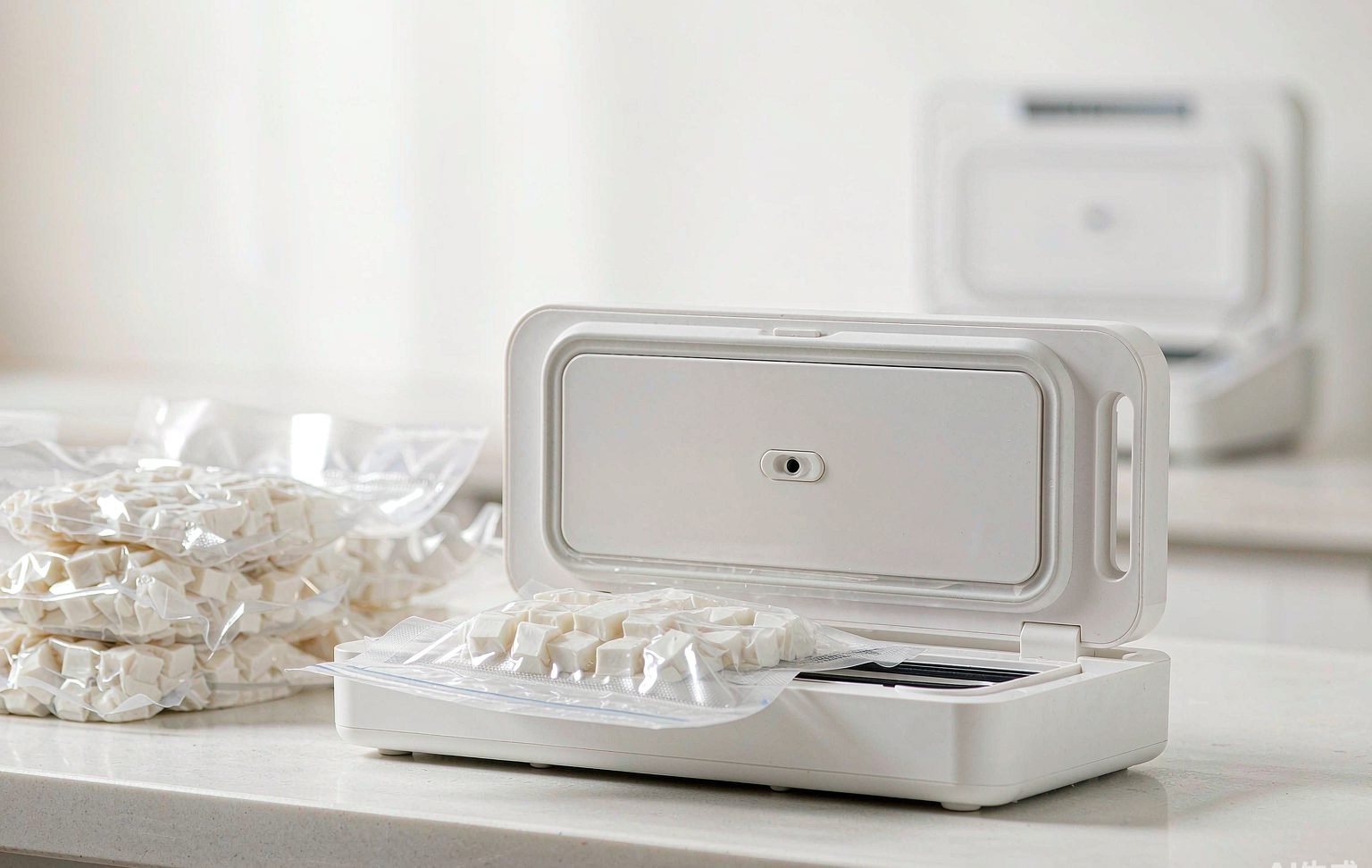
Freezing is where the answer to can you vacuum seal cheese gets its biggest payoff, because freezer burn is an oxygen problem and vacuum sealing removes the oxygen. Hard cheeses frozen in sealed portions keep three to six months with texture largely intact, then thaw best in the fridge overnight for cooking use. Vacuum sealing also stops the ice crystals that make unwrapped frozen cheese crumbly, the same mechanism our guide to boiling vacuum seal bags explains from the heat side of the same barrier film. Frozen-then-thawed cheddar melts and grates almost identically, which turns can you vacuum seal cheese into can you buy cheese in bulk without waste.
One boundary stays fixed even in the freezer: soft fresh cheeses still do not belong in sealed long-term storage, frozen or not, because freezing changes their texture and the safety logic of the wet, airless environment does not change with temperature. Heat-based reheating rules for other foods, covered in microwaving vacuum seal bags and baking with vacuum seal bags, show why the film itself is versatile even when the cheese inside is not.
FAQ
Can you vacuum seal cheese with mold on the surface?
No. Cut away any visible mold on hard cheese first, then seal the clean remainder; sealing over mold traps the problem inside the bag.
How long does vacuum sealed cheddar last in the fridge?
So the direct answer to can you vacuum seal cheese extend cheddar: sealed cheddar keeps four to six weeks refrigerated, versus about two weeks in regular wrap, provided the weld stays intact and the surface was dry.
Why did my sealed cheese bag pop open?
Fat from oily cheeses migrated into the weld; pat surfaces dry, keep the seal zone clean, and run a second seal line to fix it.
Can you vacuum seal shredded cheese without it becoming a brick?
Pre-freeze the shreds for 30 to 60 minutes, use the pulse setting, and stop at a firm hug; the compacted bag crumbles back to shreds easily.
Is vacuum sealed cheese safe at room temperature?
No. Even sealed, cheese belongs in the refrigerator; vacuum sealing extends chilled shelf life, it does not create shelf stability.
The Bottom Line
So the settled answer to can you vacuum seal cheese? Yes for everything firm enough to grate, with fridge life multiplying from two weeks to six weeks or more, and caution for everything spreadable, where moisture makes vacuum storage the wrong tool. Keep wedges cold and dry, double-seal the oily ones, label the dates, and your cheese drawer finally stops being where good blocks go to mold. For the dairy science behind moisture and preservation, the Wikipedia cheese article is a solid starting reference, and our guide on vacuum sealing bread applies the same oxygen logic to the other food people seal most.