
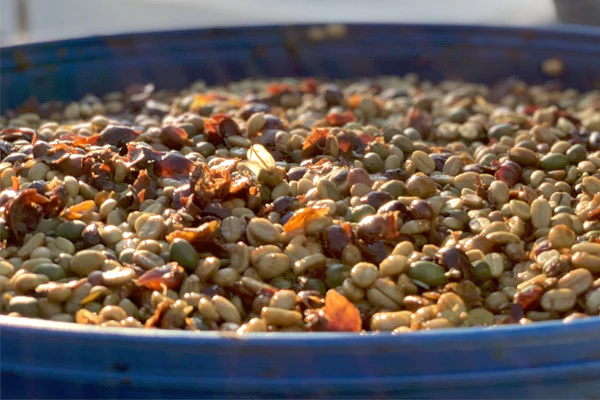
For decades, the specialty coffee world was defined by three core processing methods: washed, natural, and honey. These traditional techniques formed the foundation of our understanding of coffee flavor. But in recent years, a groundbreaking new approach, borrowed from the innovations in the world of winemaking, has taken the industry by storm. It is producing coffees with wildly complex, uniquely fruity, and intensely aromatic profiles unlike anything seen before. This is the exciting new frontier of anaerobic fermentation coffee.
The sudden appearance of these coffees on competition stages and high-end roaster menus has left many coffee professionals and enthusiasts asking the same question: what is anaerobic coffee? And how does this highly controlled, scientific-sounding process create such extraordinary and distinct tastes in the cup?
This guide will demystify the anaerobic fermentation process. We will explore the science that sets it apart from traditional methods, break down the different styles it can produce, analyze its profound impact on coffee’s final flavor, and provide crucial insights for roasters on how to approach these innovative and exciting coffees.
Understanding Fermentation in Coffee
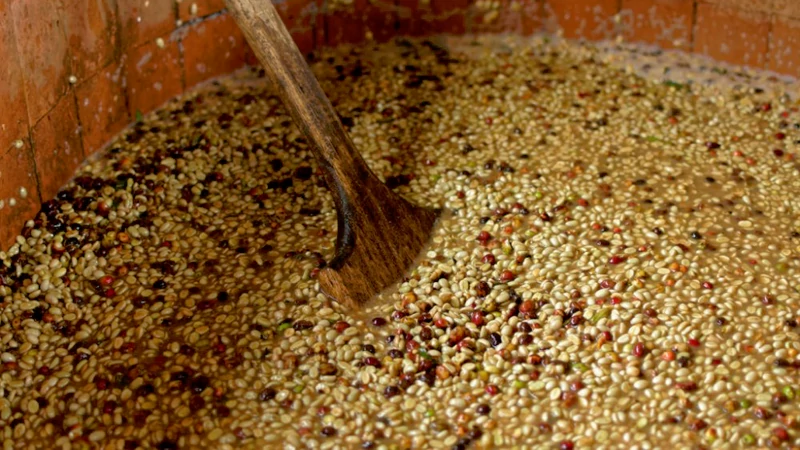
Before diving into the specifics of the anaerobic method, it’s crucial to answer a fundamental question: is coffee fermented? The answer is a definitive yes. All coffee, regardless of the processing method used, undergoes some level of fermentation. This natural process is essential for breaking down the sticky, sugary fruit pulp—known as mucilage—that surrounds the coffee bean.
Traditional Fermentation (Aerobic)
In traditional washed processing, coffee cherries are pulped and then placed in open-air tanks with water to ferment. In natural and honey processing, the fermentation occurs while the cherry or its remaining mucilage is drying on raised beds. The key factor in all these traditional methods is that the process happens in the presence of oxygen. This is known as aerobic fermentation. The oxygen-rich environment allows a wide and unpredictable range of naturally occurring yeasts, bacteria, and other microbes from the local environment to participate in breaking down the mucilage’s sugars.
The Anaerobic Difference
The innovation of the anaerobic method is the deliberate removal of oxygen from this equation. The term itself provides the definition: fermentation is an anaerobic process, meaning it occurs in an environment without oxygen. By placing the coffee cherries in a sealed, oxygen-free tank, producers fundamentally change which types of microbes can survive and thrive. This controlled, oxygen-deprived environment limits the microbial players and gives the producer an unprecedented level of control over the acids and esters (flavor and aroma compounds) that are created during fermentation, leading to a completely different and more predictable flavor profile.
The Anaerobic Fermentation Process Explained

The anaerobic coffee processing method is a meticulous, multi-step procedure that requires a significant investment in equipment and a deep understanding of microbiology. It is a departure from the more passive methods of the past and represents a move towards active, controlled flavor creation.
Step 1: Meticulous Harvesting and Selection
The process begins in the field. Only the ripest coffee cherries with the highest sugar content are selected, as sugar is the essential fuel for fermentation. The cherries must be completely intact and free of defects to ensure a clean and controlled process.
Step 2: Creating the Sealed Environment
The carefully selected cherries are placed into airtight tanks, which are almost always made of stainless steel to prevent any flavor contamination. These tanks are equipped with one-way valves to allow CO2 to be released during fermentation without allowing oxygen to enter.
Step 3: Oxygen Removal
Once the cherries are in the tank, all oxygen is flushed out. This is typically done by pumping carbon dioxide into the tank from the bottom, which pushes the lighter oxygen out through the top valve. This creates a completely anaerobic (oxygen-free) environment, setting the stage for a unique microbial process.
Step 4: Controlled Fermentation
With the oxygen gone, a different set of yeasts and bacteria get to work. The producer can now act as a true artisan, carefully monitoring and controlling the fermentation by tracking time, temperature, and the pH level of the mucilage. The duration can range from a few hours to several days. In some of the most advanced forms of this process, producers will even introduce specific strains of yeast (like those used in the wine or beer industry) to develop highly targeted and repeatable flavor compounds. This is a form of custom fermentation that allows for an incredible level of precision.
Step 5: Drying
After the fermentation phase is complete, the coffee cherries are removed from the tank. The final step is to dry them, and the method chosen at this stage determines the final style and flavor profile of the anaerobic coffee.
The Styles of Anaerobic Coffee
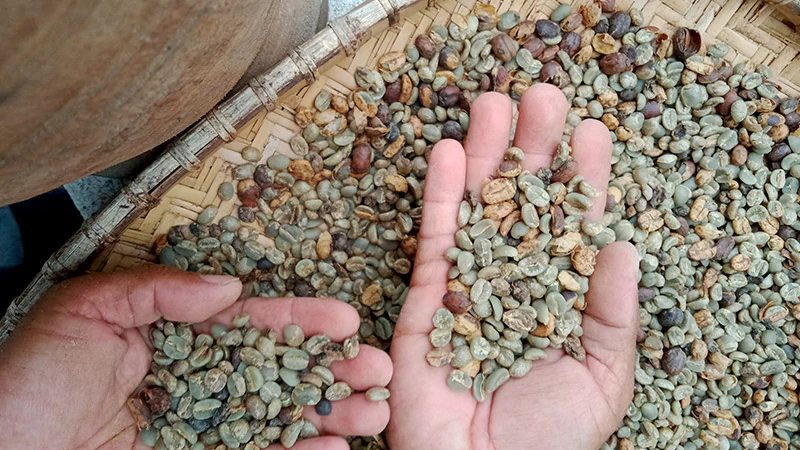
The term “anaerobic” describes the fermentation environment, not the entire processing method. The way the coffee is handled after this fermentation step defines its final category. The two most common styles are Anaerobic Natural and Anaerobic Washed.
Anaerobic Natural Coffee
This is the most common and often most intensely flavored style of anaerobic processing. After the coffee cherries are removed from the sealed fermentation tanks, the entire, intact cherry is then transferred directly to raised African beds for drying. This is similar to a traditional natural process, but with a crucial difference: the flavor profile of the cherry has already been profoundly altered by the oxygen-free fermentation. This method combines the intense, spiced notes of the anaerobic step with the deep, fruity, and wine-like sweetness of the natural drying process, resulting in a cup that is incredibly rich, complex, and aromatic, often with a heavy, syrupy body.
Anaerobic Washed Coffee
In this method, producers aim for more clarity and brightness while still showcasing the unique fermentation character. After the anaerobic fermentation in the sealed tanks, the coffee cherries are pulped to remove the skin and most of the mucilage. The beans are then washed with clean water before being transferred to drying beds. This anaerobic washed coffee results in a cleaner and more transparent cup profile. You still get the distinct spiced and poached-fruit notes from the anaerobic step, but they are presented with a more vibrant acidity and a lighter body compared to the Anaerobic Natural.
What Does Anaerobic Coffee Taste Like?
The most compelling reason for the excitement surrounding anaerobic coffee is its truly unique and unforgettable taste. While every lot is different, there are several hallmark flavor characteristics that define the profile of a well-executed anaerobic fermentation. Unlike the clean, bright notes of a washed coffee or the jammy fruit of a traditional natural, the flavor of anaerobic fermented coffee is often more complex, intense, and surprising.
When you pour a fermented coffee cup of anaerobic coffee, the first thing you may notice is a powerful and complex aroma, often with a distinct wine-like or even cider-like quality. The flavor profile frequently features notes of:
- Poached or Cooked Fruit: Instead of the bright, fresh fruit notes of a traditional coffee, anaerobic coffees often have a deeper sweetness reminiscent of poached pears, cherry liqueur, or baked apples.
- Warm Spices: A distinct cinnamon or clove-like spice note is one of the most common and recognizable markers of the anaerobic process.
- Rich Body: These coffees typically have a heavy, syrupy, and exceptionally smooth mouthfeel.
Why It Tastes So Different
The unique taste of anaerobic coffee is a direct result of the unique microbial environment created in the sealed tanks. The specific types of yeasts and bacteria that can thrive and break down sugars in an oxygen-free environment are different from those found in an open-air fermentation. These microbes produce a different and more intense range of acids and esters (the chemical compounds responsible for flavor and aroma).
For example, the process often leads to a higher concentration of lactic acid, which contributes to the coffee’s silky, round body. The cinnamon-like notes are thought to be a result of the creation of a compound called cinnamic acid during this unique fermentation. This scientific shift in the microbiology is what allows producers to create flavors that are simply not possible with traditional methods.
The Roaster’s Perspective: Roasting Anaerobic Beans
For a coffee roaster, a bag of green anaerobic coffee represents both an exciting opportunity and a significant challenge. The same intense fermentation that creates its unique flavor profile also fundamentally alters the physical and chemical structure of the bean, demanding a more nuanced and attentive approach in the roaster.
Bean Characteristics
Before roasting, it’s important to recognize the unique nature of anaerobic coffee beans. The extended fermentation process often results in a higher concentration of volatile aromatic compounds, organic acids, and simple sugars compared to traditionally processed coffees. This can also affect the bean’s density and moisture content. These beans are often slightly less dense and can be more fragile, meaning they will react to heat differently than a high-altitude, super-dense washed coffee.
Roasting Strategy
The primary goal when roasting an anaerobic coffee is preservation. The roaster’s job is not to create flavors, but to carefully unlock and showcase the extraordinary flavors that the producer so meticulously created at the farm. This requires a strategy that prioritizes gentle handling and precision.
- Gentle Heat is Key: Due to the high concentration of sugars and delicate aromatic compounds, these beans are highly susceptible to scorching. Applying too much heat too quickly can easily burn the exterior of the bean before the interior is properly developed, resulting in unpleasant, bitter flavors that mask the coffee’s unique character. Many roasters opt for a lower charge temperature (the starting temperature of the drum) and a gentler, more elongated heat application during the Maillard (browning) phase.
- Vigilance Around First Crack: Anaerobic beans can behave very energetically as they approach the first crack. The high concentration of volatile compounds can cause the Rate of Rise (RoR) to accelerate rapidly. A skilled roaster must be extremely vigilant during this phase to anticipate this spike and manage the heat application to avoid a “crash” in temperature immediately after the first crack, which can lead to underdeveloped, “baked” flavors.
- Lighter Roasts are Preferred: To preserve the unique and delicate wine, fruit, and spice notes derived from the fermentation, a light to medium-light roast is almost always the best choice. Roasting too dark would simply destroy these volatile compounds, replacing them with generic roasty notes and effectively erasing the very characteristics that make the coffee so special and valuable.
Communicating and Packaging Innovation
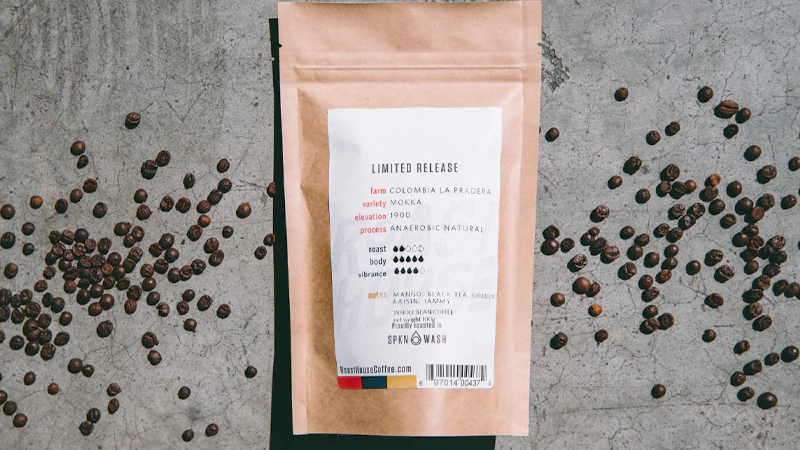
An anaerobic coffee process is more than just a method; it’s a story. It’s a story of a producer’s dedication to innovation, of the scientific precision required to create something new, and of a flavor profile that pushes the boundaries of what coffee can be. After all the investment in sourcing and the meticulous care taken in roasting, communicating this story and protecting the delicate, volatile flavors created by the process is the final, critical step.
The very characteristics that make these coffees so special and valuable—their intense, unique, and often wine-like aromatic compounds—also make them extremely fragile. These highly volatile notes are the first to be destroyed by exposure to oxygen, which can quickly turn a vibrant, complex, and exciting coffee into a flat and muddled one. For a premium product that commands a high price, preserving this unique character is non-negotiable.
The innovative character of anaerobic process coffee beans deserves packaging that is equally advanced. The high-performance coffee bags from BN Pack provide the ultimate protection for these valuable lots. Our multi-layer, high-barrier bags create an airtight fortress, locking out the oxygen that would quickly destroy the complex wine and spice notes. The one-way degassing valve is essential for allowing these meticulously roasted beans to rest safely, preserving their full aromatic intensity. When you ferment coffee with such precision, the packaging must be the final guarantee of quality, telling your customer that what’s inside is truly special.
Conclusion
Anaerobic fermentation represents a thrilling evolution in the world of coffee processing. It is a shift from passive tradition to active, intentional flavor creation, giving skilled producers an unprecedented level of control over their final product. While it is not a replacement for the classic profiles we know and love, it is a powerful new tool that is expanding our very definition of how coffee can taste. For roasters and coffee lovers, these unique and complex lots of fermented coffee offer more than just a delicious cup; they offer a glimpse into the exciting and innovative future of specialty coffee.