
Most coffee bags do not qualify as recyclable in regular curbside programs. In fact, less than 2 percent of coffee pods and bags get recycled this way, which shows how rare it is for these items to avoid the landfill. You will find coffee bags made from paper, plastic, foil, or compostable materials. Many people feel confused about foil-lined and compostable coffee bags because their disposal rules often differ. Knowing what makes a coffee bag recyclable helps you make smarter choices for the environment.
Coffee Bags and Recycling
When you look at coffee bags, you will notice that not all of them can go into your recycling bin. The materials and construction of each bag type play a big role in whether you can recycle them. Let’s break down the main types of coffee bags and see how they fit into today’s recycling systems.
Paper Coffee Bags
Paper coffee bags seem like a simple choice, but they often come with hidden challenges. Many paper bags have a thin plastic or foil lining to keep your coffee fresh. This mix of materials makes it hard for recycling centers to separate and process them. Even if you find a bag made only of paper, coffee oils and residue can contaminate the fibers, lowering the quality of recycled paper. In 2018, only about 20.8% of paper-based packaging, including coffee bags, got recycled. This is much lower than the recycling rates for newspapers or cardboard boxes. If you want to recycle paper bags, make sure they are clean and free of any plastic or foil. Some companies have started using mail-in programs, like TerraCycle, to help recycle these bags, but these options are not yet common in most neighborhoods.
Tip: Always check your local recycling rules before you try to recycle paper bags. Some areas accept them, while others do not.
Plastic Coffee Bags
Plastic coffee bags are everywhere because they are lightweight and keep coffee fresh. However, recycling plastic bags is a big challenge. Globally, only 6–9% of plastics get recycled. In the United States, just 9% of plastics from municipal waste were recycled in 2015. Many plastic coffee bags use mixed plastics or types that are not widely accepted, such as #7 plastics. Some brands now use #5 polypropylene, which is easier to recycle, but most recycling centers still do not accept these bags. The table below shows some key facts about plastic coffee bag recycling:
Aspect | Statistic / Fact |
|---|---|
Overall plastic recycling rate | Only 6–9% of plastics get recycled globally |
US municipal solid waste (2015) | 9% of plastics recycled, compared to 34% metals and 67% paper |
Coffee pod recycling challenges | Require separation of materials and cleaning before recycling; many facilities lack detection tech |
Plastic types in pods | Some pods made from #7 plastics (not widely recyclable); shift to #5 polypropylene to improve recyclability |
If you want to support recyclable coffee packaging, look for bags made from a single type of plastic, such as LDPE or polypropylene. These are more likely to be accepted by specialist recycling programs.
Foil Coffee Bags
Foil coffee bags keep your coffee fresh for a long time, but they are the hardest to recycle. These bags often have up to 11 thin layers of materials, including aluminum foil, plastic, and adhesives. This makes it almost impossible for recycling centers to separate the layers. Most local recycling programs do not accept foil-lined coffee bags. If you put them in your recycling bin, they can contaminate the whole batch. Here are some important points about foil coffee bags:
Laminated and foil-lined coffee bags combine several materials, making recycling very difficult.
Most local recycling centers do not accept these bags.
Specialist programs, like TerraCycle, offer mail-in recycling for certain brands, but these are not available everywhere.
The industry is moving toward single-material bags to make recycling easier.
You should always check your local recycling guidelines. If you want to avoid landfill waste, look for brands that use recyclable or compostable alternatives.
Compostable Coffee Bags
Compostable coffee bags offer a promising solution for reducing waste. These bags break down into compost in industrial facilities, turning into nutrient-rich soil. Certified compostable bags meet strict standards, such as ASTM D6400 and D6868, and can fully degrade within 46 days in the right conditions. You do not need to clean out coffee grounds before composting, which makes disposal easier. However, only about 16% of composting facilities in the U.S. accept packaging, and just 27% of people have access to curbside or drop-off composting. This means that even compostable bags may end up in landfills if you do not have access to the right facility.
Aspect | Details |
|---|---|
Compostability Certification | Certified by BPI, meets ASTM D6400 and D6868 standards |
Degradation Time | Complete breakdown within 46 days in industrial composting |
Composting Feasibility | Composting is a sustainable waste stream option |
Impact of Coffee Grounds | Coffee grounds do not hinder compostability |
Consumer Considerations | No need to clean before composting; convenience and environmental benefits |
Note: Compostable does not mean you can throw the bag in your backyard compost pile. Most need special industrial composting.
Industry Innovation: BN Packaging
You can see positive change in the industry as more brands invest in sustainable solutions. BN Packaging stands out by offering customizable coffee bags that focus on both quality and environmental responsibility. Their options include biodegradable and recyclable coffee packaging, using advanced materials and technology to reduce waste. BN Packaging’s commitment to innovation helps you choose packaging that supports a cleaner planet.
Why Most Coffee Bags Aren’t Recyclable
Mixed Materials
You may notice that most coffee bags use several layers of different materials. Manufacturers often combine paper, plastic, and foil to keep your coffee fresh and protect it from moisture, oxygen, and light. This design works well for preserving flavor, but it creates big problems for recycling.
Mixed materials, such as metal coatings and plastic linings, make it almost impossible for a recycling facility to separate each layer.
Flexible packaging like coffee bags can tangle in recycling machinery or contaminate paper streams.
Many recycling centers do not have the advanced technology needed to sort and process these complex materials.
Note: When you put a multi-layered bag in your recycling bin, it can lower the quality of recycled materials and even damage equipment.
Research shows that coffee packaging with metal coatings often breaks into small particles during processing. These particles contaminate other recyclables, making the whole batch less valuable. Most recycling programs prefer single-material bags, such as pure paper or plastic, because they are easier to process and more likely to become new products.
Local Recycling Rules
Local recycling rules play a huge role in what you can recycle at home. Most household programs do not accept coffee bags, especially those with foil or multiple layers. For example, the Burbank Recycling Guide states that only bags made entirely of paper are accepted. Bags with plastic coatings or aluminum foil go straight to the trash.
Accepted in Curbside Recycling? | Bag Type |
|---|---|
Yes | 100% paper |
No | Foil-lined/multi-layer |
No | Plastic-coated |
Some cities offer special mail-in programs, like TerraCycle, for certain brands. However, these are not available everywhere. Always check your local guidelines before placing any coffee packaging in your recycling bin. If you want to support a cleaner environment, look for recyclable options and follow the instructions from your local recycling facility.
Fully Recyclable Coffee Bags
LDPE and Single-Material Bags
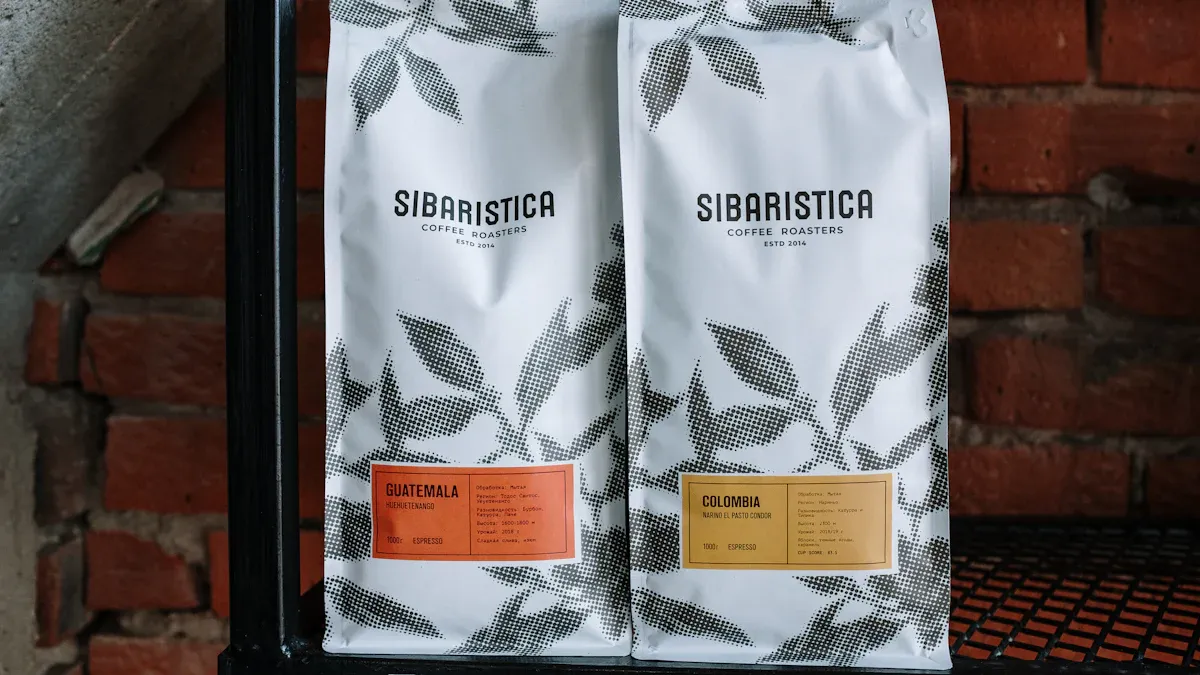
You can find fully recyclable coffee bags made from low-density polyethylene (LDPE) or other single materials. These bags stand out because they use only one type of plastic, which makes recycling much easier. LDPE bags carry the recycling code #4 and often include features like resealable zippers or degassing valves that do not affect recyclability. The table below highlights what makes these bags a smart choice:
Measurable Criteria / Features | Description / Details |
|---|---|
Material | 100% recyclable low-density polyethylene (LDPE) |
Recyclability Code | LDPE is recyclable under code #4 |
Additional Components | Recyclable degassing valves, protective layers, resealable zippers |
Physical Properties | Durable, flexible, lightweight, strong barrier properties |
Environmental Impact | Uses less energy and raw materials, easier to recycle and dispose of |
Usability & Quality | Maintains coffee quality, offers a sustainable alternative |
Customization Options | Custom designs, logos, transparent windows (do not affect recyclability) |
Most recycling centers prefer single-material packaging because it simplifies sorting and processing. Clean LDPE film has strong market demand. Many grocery stores and big box retailers offer drop-off bins for thin film plastics, making it easier for you to recycle these bags. Bag-to-bag recycling technology continues to improve, increasing the chances that your coffee bags become new products.
Specialist Recycling Programs
Specialist recycling programs help you recycle coffee bags that regular curbside bins do not accept. TerraCycle is a leader in this area. The company runs free recycling programs in over 20 countries and has recycled more than 7.7 billion pieces of waste since 2001. TerraCycle partners with major brands to collect hard-to-recycle items, including coffee bags, and transforms them into useful products like benches and playgrounds.
You should always check your local recycling guidelines before dropping off any packaging. Some recycling facility rules may differ, so following instructions ensures your efforts make a real impact. Programs like TerraCycle show that specialist recycling can give new life to materials that would otherwise end up in landfills.
BN Packaging offers fully recyclable coffee bags made from advanced materials like LDPE. Their bags meet strict quality standards and support your efforts to reduce waste. By choosing brands that invest in recyclability, you help build a more sustainable future.
Sustainable Choices
Reduce and Reuse
You can make a big difference by changing how you buy and use coffee bags. Buying coffee in bulk or using refill stations cuts down on packaging waste. For example:
Bulk purchasing and concentrated refills can reduce plastic use by up to 94%.
Refill systems, like those in the UK, let you use the same container up to 50 times.
Over 700 refill stations in the UK show that these systems work for many people.
Some stores use a “Return to Store” model, which can lead to millions of package reuses each year.
Many people feel more likely to reuse packaging if refill stations are available. More than half of consumers feel guilty about single-use plastics, and nearly two-thirds would reuse if given the chance.
You can also repurpose coffee bags at home. Use them for storage, crafts, or as liners for small trash bins. These small steps help you support sustainable practices and reduce waste.
Choose Eco-Friendly Brands
Choosing brands that use sustainable practices helps protect the environment. Studies show that 57% of consumers will switch brands to lower their environmental impact. Younger people, especially Millennials and Gen-Z, often pick brands based on their values. Nearly half of global internet users have stopped buying from brands that do not match their beliefs, with environmental protection as a top concern.
Recent research confirms that recyclable and biodegradable packaging offers real benefits. These options reduce plastic pollution and support a cleaner planet. Products with clear sustainability claims sell better and build trust with customers. Eco-friendly packaging materials, like bio-based plastics and compostable films, are becoming more popular. Companies now use more recycled content and look for ways to lower their carbon footprint.
BN Packaging leads the way with innovative, customizable coffee bags that meet strict international standards. Their focus on sustainable practices and advanced materials helps you make better choices for the planet. When you choose brands like BN Packaging, you support a future with less waste and more responsible packaging.
Most coffee bags cannot go in your regular recycling bin. You can find fully recyclable options and specialist programs if you look for them. Always check your local recycling rules before tossing any packaging. Choosing sustainable brands makes a real difference.
Products with environmental claims have grown by 28% in five years, showing strong consumer demand for eco-friendly packaging.
U.S. consumers pay an average of 28% more for sustainable products.
Label design affects recycling success, with 560 million containers rejected each year due to incompatibility.
You help the planet when you choose eco-friendly brands and share recycling knowledge with others.
FAQ
Can you recycle coffee bags in your curbside bin?
Most curbside programs do not accept coffee bags. These bags often contain mixed materials, which makes recycling difficult. Always check your local recycling guidelines before placing any coffee packaging in your bin.
What should you do with a compostable coffee bag?
You should bring compostable coffee bags to an industrial composting facility. Most home compost piles do not reach the temperatures needed to break down these bags. Check if your city offers composting services.
How can you tell if a coffee bag is recyclable?
Look for recycling codes or symbols on the packaging. Bags made from a single material, like LDPE, are more likely to be recyclable. If you see multiple layers or no code, the bag probably cannot go in your recycling bin.
Are there any programs that accept coffee bags for recycling?
Yes, specialist programs like TerraCycle accept coffee bags for recycling. You can mail your used bags to them. Some brands also offer take-back programs. Always follow the instructions provided by these services.
What can you do with an empty coffee bag at home?
You can reuse an empty coffee bag for storage, crafts, or as a liner for small trash bins. Repurposing helps reduce waste and gives the bag a second life before disposal.