
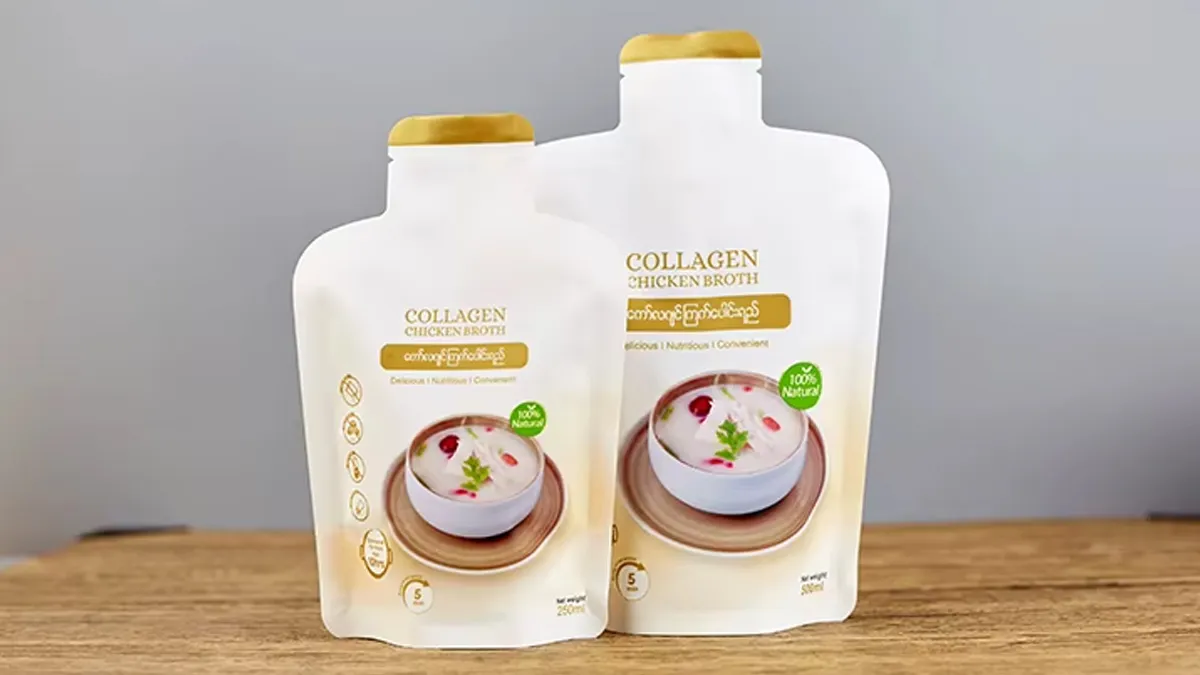
Retort pouches have become an essential packaging solution for many industries, particularly in the food sector. Their ability to preserve food for long periods without refrigeration and maintain its taste, texture, and nutritional value makes them a popular choice. But are they safe? This article will delve into the safety of retort pouches, their materials, benefits, potential risks, and environmental impact, while also offering insights into their role in modern packaging solutions.
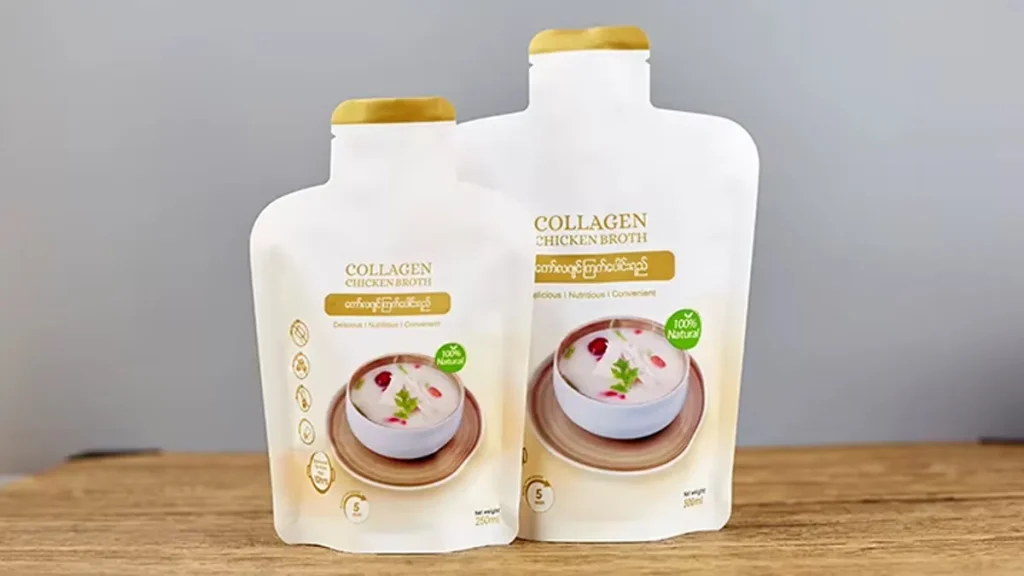
What Are Retort Pouches?
Retort pouches are a type of flexible packaging used primarily for heat-treated food products. These pouches are designed to withstand the high temperatures of a retort processing system, where the food is sealed inside the pouch and then sterilized under high heat and pressure. This method helps preserve the food without refrigeration, making retort pouches a convenient and efficient way to store and transport food products.
History and Evolution of Retort Pouches
The concept of retort pouches dates back to the 1960s when researchers sought a more efficient and lightweight alternative to glass jars and metal cans for food preservation. Over time, retort pouches became widely adopted, especially in the military and emergency food sectors, for their convenience and long shelf life. Today, they are used in various industries, including pet food, ready-to-eat meals, soups, sauces, and beverages.
How Retort Pouches Work
Retort pouches use a combination of heat and pressure to sterilize the food inside, extending its shelf life without the need for preservatives or refrigeration. The process works by sealing the food in a pouch made of multi-layered materials, which are then heated to a temperature that destroys harmful bacteria and microorganisms. The result is a vacuum-sealed, sterile package that keeps food fresh and safe for months or even years.
What Are Retort Pouches Made Of?
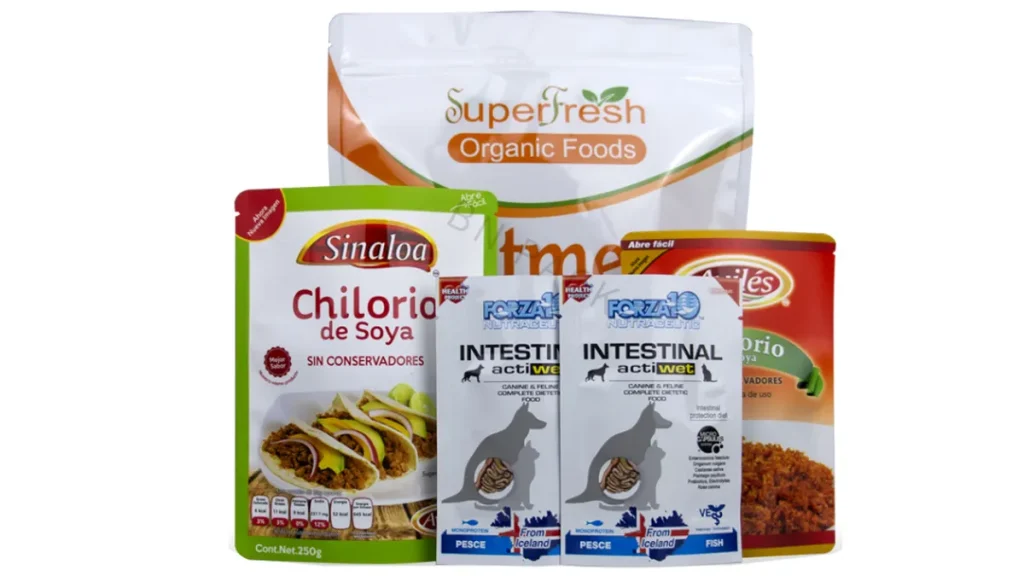
Retort pouches are typically made from a combination of several materials, each serving a specific function to enhance the pouch’s durability and protective capabilities.
Common Materials Used
| Material | Purpose |
|---|---|
| Polyester Film (PET) | Provides strength, durability, and resistance to tearing, making the pouch sturdy and protective. |
| Aluminum Foil | Acts as a barrier layer to prevent air, moisture, and light from reaching the food, preserving its flavor, nutrients, and freshness. |
| Polypropylene (PP) / Polyethylene (PE) | Used for heat resistance and enhancing the barrier properties of the pouch. |
Is the Material Safe for Food?
Yes, the materials used in retort pouches are specifically designed to be food-safe. The combination of PET, aluminum, and polyethylene or polypropylene is non-toxic and approved for food contact by regulatory bodies such as the US FDA and European Food Safety Authority (EFSA). The materials are rigorously tested to ensure they do not leach harmful chemicals into the food during the heating and sterilization process.
Are Retort Pouches Safe for Food Preservation?
Retort pouches are widely regarded as a safe and effective method for preserving food, thanks to their ability to maintain food quality and extend shelf life.
Heat-Sealing and Sterilization
The process of heat-sealing and sterilization plays a key role in the safety and effectiveness of retort pouches. The high temperatures used during sterilization kill harmful bacteria, pathogens, and enzymes that could spoil the food. Once sealed and sterilized, the pouch creates a vacuum environment that helps preserve the food without refrigeration.
Safety of Food Stored in Retort Pouches
Food stored in retort pouches remains safe for consumption as long as the packaging is intact and the seal is not broken. The sterilization process kills microorganisms, and the vacuum seal helps prevent contamination. However, it’s important to note that once the pouch is opened, the food should be consumed promptly, as it is no longer protected from bacteria and spoilage.
Are There Any Health Concerns?
While retort pouches are generally safe, there are some potential health concerns related to their use.
Risk of Chemical Leaching
One concern with retort pouches is the possibility of chemical leaching. During the high-temperature sterilization process, there is a risk that some chemicals used in the pouch’s manufacturing, such as plasticizers or coatings, could leach into the food. However, food-grade materials are tested and certified to ensure that they do not release harmful substances during the sterilization process.
Effect of High Heat on Food Quality
The high heat used during sterilization can also affect the quality of the food inside the pouch. While retort pouches help preserve the food’s shelf life, the food may experience slight changes in texture, flavor, or nutritional content due to the heat. Some sensitive ingredients, like certain vitamins, may degrade during the heating process.
Use of BPA in Retort Pouches
Many retort pouches used to contain food products are lined with BPA-free materials, but some may still use BPA or similar chemicals in the inner layers of the pouch. BPA (Bisphenol A) has been linked to health concerns, including hormone disruption. As awareness grows, more manufacturers are shifting to BPA-free alternatives, offering safer options for consumers.
Advantages of Retort Pouches
Despite potential concerns, retort pouches offer several advantages over other types of packaging, such as glass jars or metal cans.
Convenience and Portability
Retort pouches are lightweight, flexible, and easy to store, making them a convenient option for packaging food and beverages. They are particularly popular for on-the-go meals, pet food, and camping food, as they are easy to pack and transport.
Extended Shelf Life and Preservation
The key benefit of retort pouches is their ability to extend shelf life. By sealing food in a vacuum and sterilizing it, retort pouches prevent bacterial growth and spoilage, keeping food fresh for months or even years without refrigeration.
Lightweight and Cost-Effective
Compared to traditional packaging options like glass or metal cans, retort pouches are lighter and more cost-effective to manufacture and transport. This makes them an attractive option for businesses looking to reduce packaging costs and shipping expenses.
Environmental Impact of Retort Pouches
While retort pouches offer several advantages, their environmental impact is a consideration. The primary concern lies in the use of multi-layered materials, which are difficult to recycle.
Are Retort Pouches Recyclable?
Most retort pouches are not easily recyclable because they are made from a combination of materials like plastic, aluminum foil, and paper. These materials must be separated during recycling, which is challenging. However, some manufacturers are working toward creating recyclable pouches made from a single material.
Biodegradable Retort Pouches
The shift toward biodegradable and eco-friendly retort pouches is growing, as manufacturers seek sustainable packaging alternatives. Pouches made from plant-based plastics or other biodegradable materials can break down more easily in the environment, reducing the overall impact on landfills.
Are Retort Pouches Safe for Pet Food?
Retort pouches are not only used for human food but also for packaging pet food. These pouches are ideal for preserving the freshness and nutritional quality of pet food, especially wet food.
Are They Safe for Animal Consumption?
Yes, retort pouches are safe for pet food, provided they are made with food-grade materials and are sterilized correctly. The process used for pet food is similar to that for human food, ensuring the pouches are hygienic and safe.
Long-Term Storage of Pet Food in Retort Pouches
Retort pouches are particularly effective in maintaining the freshness of pet food over extended periods. The vacuum seal and sterilization process ensure that the food remains free from contamination and stays fresh for a long time.
Conclusion
Retort pouches are generally safe and effective for packaging food, offering benefits such as extended shelf life, portability, and cost savings. While concerns regarding chemical leaching and environmental impact exist, advancements in packaging materials and the growing availability of eco-friendly alternatives are making retort pouches a more sustainable option.
At BN Packaging , we specialize in creating high-quality, innovative, and eco-friendly packaging solutions, including retort pouches. With over 22 years of experience in the industry, we offer customized, certified, and safe packaging options to meet your unique needs.
FAQs
Are Retort Pouches Safe for Babies and Children?
Yes, retort pouches are generally safe for packaging baby food, provided they meet all regulatory standards and are made with BPA-free materials. Many manufacturers now offer BPA-free options specifically designed for baby food.
Can Retort Pouches Be Used for All Types of Foods?
Retort pouches are suitable for a wide variety of foods, including soups, sauces, snacks, and pet food. However, they may not be suitable for very delicate foods, as the high-heat process can alter their texture or flavor.
How Can Consumers Ensure Retort Pouches Are Safe?
To ensure the safety of retort pouches, consumers should look for certifications such as FDA approval, BPA-free labels, and eco-friendly packaging options. Checking the packaging’s integrity and ensuring the seal remains intact is crucial for food safety.